Whether an Italian Greyhound’s Appetite Drops With Age
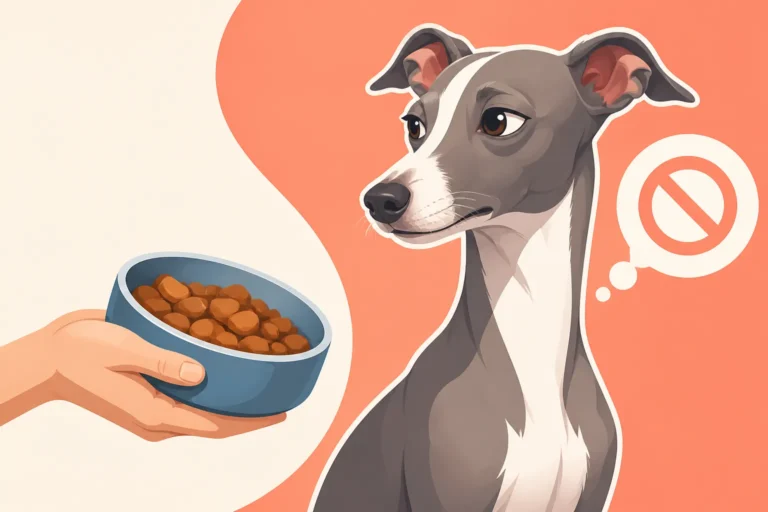
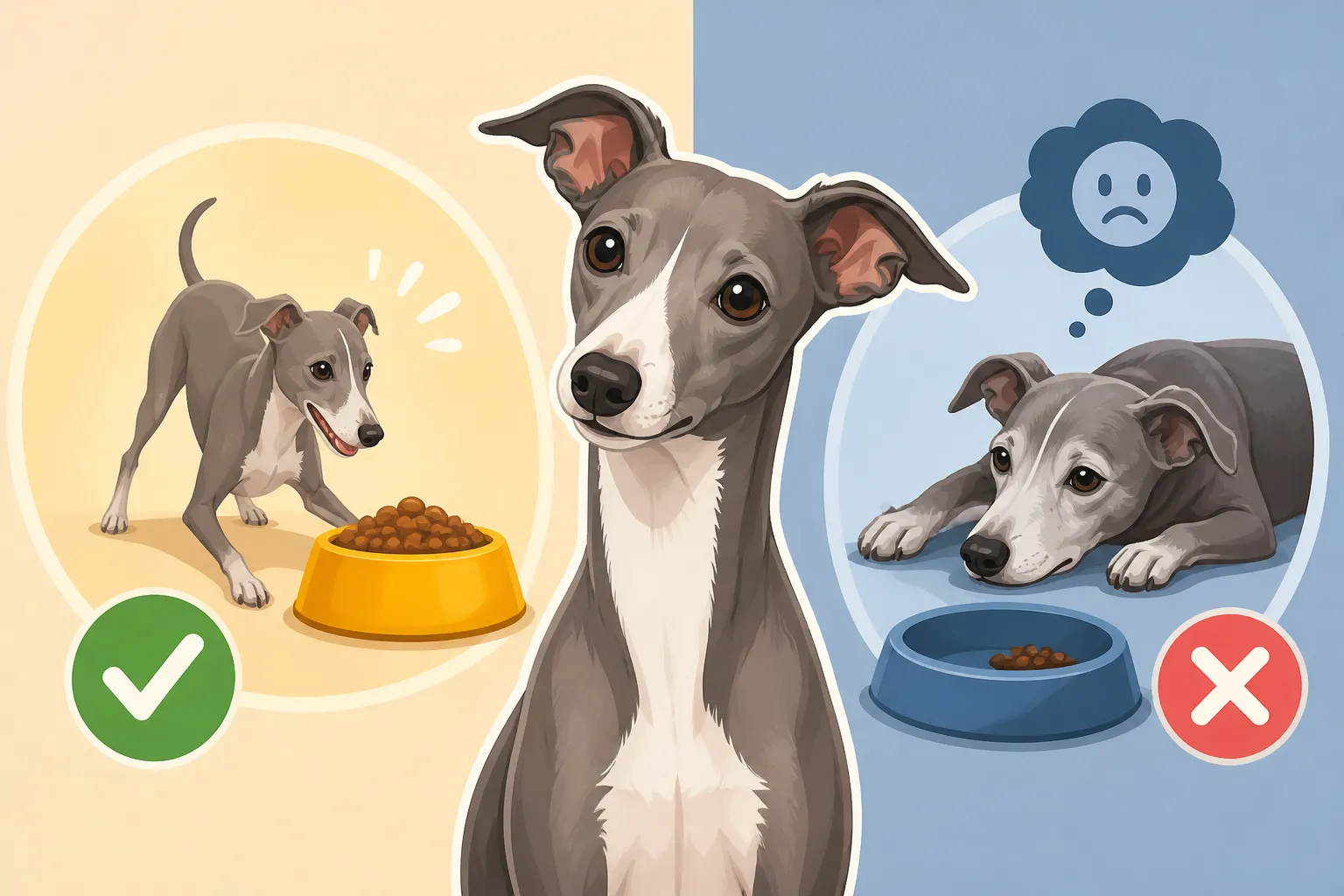
It's incredibly disheartening, and often quite worrying, when you notice your beloved Italian Greyhound, who once scarfed down every meal with gusto, suddenly starts leaving food in their bowl or shows less enthusiasm at feeding time as they get older. This guide aims to demystify why an Italian Greyhound's appetite might change with age, differentiate between normal age-related shifts and signs of a deeper issue, and provide practical ways to keep your senior companion well-nourished and happy.
Understanding Normal Age-Related Appetite Changes
As our Italian Greyhounds gracefully transition into their golden years, it's not uncommon to see some shifts in their eating habits. Just like us, their bodies change, and these physiological alterations can directly impact their desire and need for food. It's not always a cause for panic, but it does require our keen observation and understanding.
Slowing Metabolism and Activity Levels
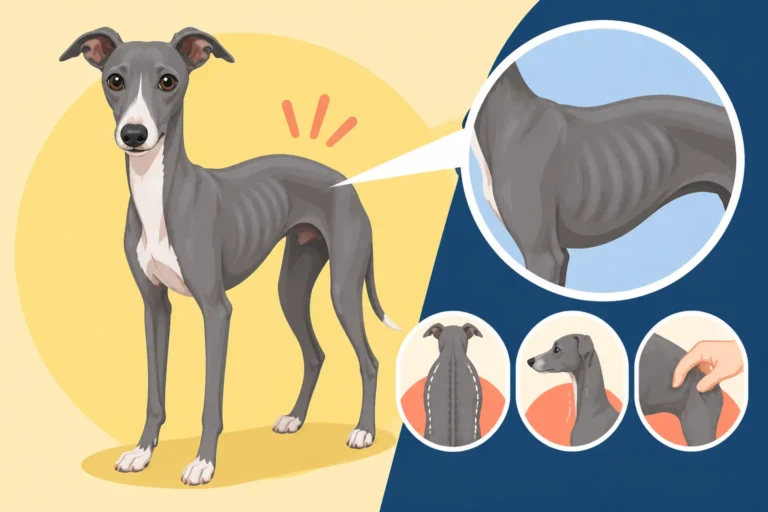
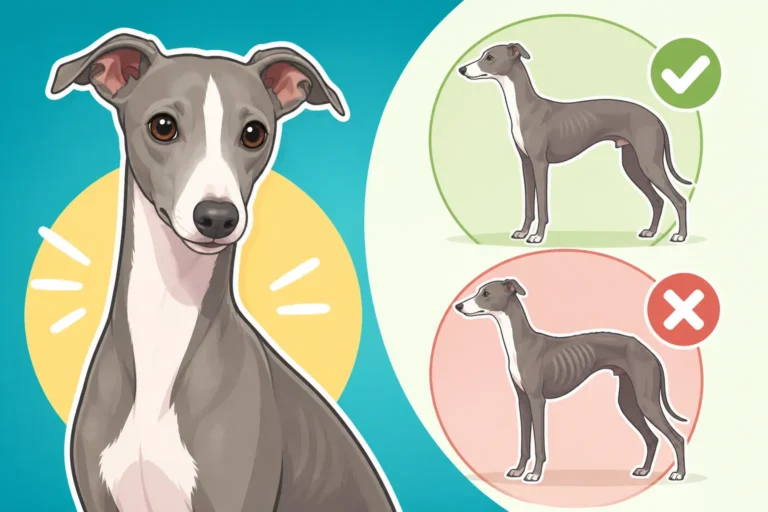
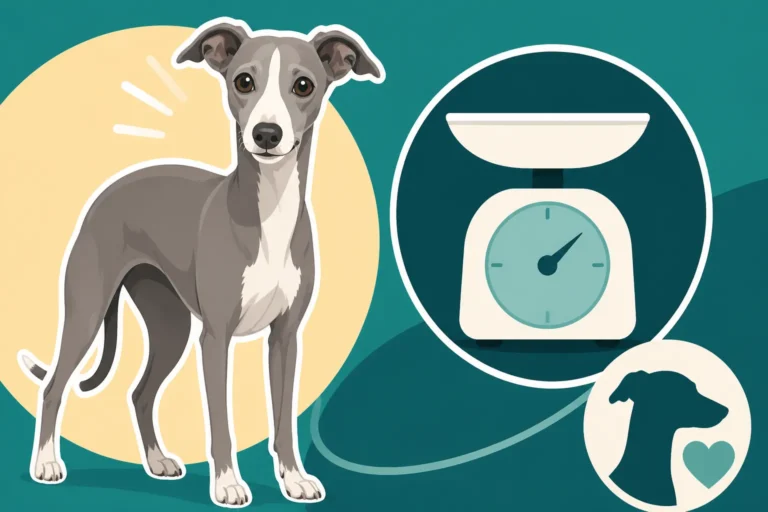
One of the most significant factors is a natural decrease in metabolism. Senior Iggys generally aren't as active as their younger counterparts. Those frantic "zoomies" might become less frequent, and long walks might shorten into leisurely strolls. This reduced activity means they simply don't burn as many calories. Their body signals that less energy input is required, leading to a perfectly normal decline in appetite. If your senior Italian Greyhound is maintaining a healthy weight, is still energetic for their age, and otherwise seems happy, a slight decrease in food consumption might just be their body adjusting to a slower pace of life. It’s important to monitor their weight closely to ensure they're not becoming too thin.
Sensory Declines
Another common, yet often overlooked, aspect of aging in Italian Greyhounds is the subtle decline in their senses of smell and taste. Food that once smelled irresistible might become less appealing. Imagine trying to enjoy your favorite dish if you couldn't fully taste or smell it – it just wouldn't be the same! This dulling of the senses can make mealtimes less exciting for your senior Iggy. Sometimes, simply warming their food slightly, or adding a small amount of low-sodium chicken broth, can enhance the aroma and make it more enticing. This small change can sometimes make a world of difference for a dog who's otherwise healthy but just isn't finding their food as stimulating as they once did.
When to Worry: Signs of Concerning Appetite Loss
While some appetite changes are normal, it's crucial for us Italian Greyhound owners to distinguish between a gentle decline and a more serious underlying health issue. Our Iggys are masters at hiding pain and discomfort, so we need to be extra vigilant.
Sudden or Severe Refusal to Eat
A gradual decrease in appetite over several months might be normal, but a sudden and complete refusal to eat for more than 24 hours, or a dramatic drop in consumption, is always a red flag. This isn't just a picky phase; it suggests something is genuinely wrong. It could be anything from an upset stomach to a serious medical condition. This warrants an immediate call to your veterinarian, especially given how delicate Italian Greyhounds can be. Don't wait to see if it improves, as even a day without food can be tough on their small bodies.
Accompanying Symptoms
Appetite loss rarely occurs in isolation when there's a serious problem. Look for other symptoms that might accompany a change in eating habits. These can include:
- Lethargy or weakness: Are they sleeping more than usual, struggling to get up, or generally less responsive? What Changes in an Italian Greyhound After Eleven might shed more light on expected senior behavior versus concerning lethargy.
- Vomiting or diarrhea: Any digestive upset combined with not eating is cause for concern.
- Weight loss: While a slight loss might occur, noticeable or rapid weight loss is a serious sign. It's often difficult to gauge What an Italian Greyhound Weighs and How to Tell If It Is Right just by looking, so regular weigh-ins are crucial.
- Changes in drinking habits: Are they drinking excessively, or not at all?
- Pain or discomfort: Are they limping, reluctant to move, or showing signs of discomfort when touched? How an Italian Greyhound Hides Pain is a must-read for all owners.
- Oral issues: Drooling, pawing at the mouth, bad breath, or visible redness in the gums can all indicate dental pain. How Many Teeth an Italian Greyhound Loses by Eight highlights how common dental issues are as they age.
Any combination of these symptoms with a decreased appetite should prompt a vet visit without delay. Your vet will likely perform a thorough physical exam, bloodwork, and possibly other diagnostics to pinpoint the issue. This might involve checking for conditions like Kidney Disease in an Old Italian Greyhound or The Heart Murmur an Old Italian Greyhound Develops, both of which can affect appetite.
Common Health Issues Affecting Appetite in Senior Iggys
Several health conditions can lead to a decreased appetite in older Italian Greyhounds. Being aware of these can help you understand what your vet might be looking for:
- Dental Disease: This is perhaps the most common culprit. Senior Italian Greyhounds are incredibly prone to periodontal disease. Painful teeth, gum infections, or even tooth loss can make eating excruciating. Imagine trying to chew with a severe toothache! Regular dental care and cleanings are essential throughout their lives to prevent this. Periodontal Disease Is the Italian Greyhound's Most Common Diagnosis is an excellent resource for understanding this pervasive issue.
- Kidney Disease: As kidneys age, their function can decline, leading to a buildup of toxins in the blood. This can cause nausea and a general feeling of unwellness, thus suppressing appetite.
- Cancer: Unfortunately, cancer is a risk for all older dogs. Tumors in various organs can cause pain, discomfort, and a loss of appetite.
- Arthritis and Joint Pain: While not directly affecting appetite, chronic pain from arthritis can make a dog less enthusiastic about moving to their food bowl or standing to eat.
- Organ Disease: Conditions affecting the liver, pancreas, or other vital organs can lead to systemic illness and reduced hunger.
- Gastrointestinal Issues: Inflammatory bowel disease, chronic pancreatitis, or other digestive disorders can make eating uncomfortable or lead to malabsorption, making your Iggy feel less hungry.
Early detection of these issues is key, so don't hesitate to schedule regular How Often an Italian Greyhound Needs a Wellness Exam appointments, especially as they enter their senior years.
Practical Strategies to Encourage Eating
Once your vet has ruled out any serious medical conditions, or while you're managing an existing one, there are many practical steps you can take at home to entice your senior Italian Greyhound to eat.
Make Food More Appealing
Sometimes, a little creativity can go a long way in encouraging a finicky eater.
- Enhance Aroma and Flavor: As mentioned, warm food releases more enticing smells. Add a splash of low-sodium chicken or beef broth (check labels carefully for onion or garlic, which are toxic to dogs) or even a spoonful of warm water to their kibble. You can also try mixing in a small amount of canned pumpkin (plain, not pie filling) or a dab of plain yogurt.
- Offer Variety and Novelty: If your Iggy has been on the same kibble for years, they might be bored. Consider trying a new high-quality senior formula. Brands like Chewy offer a wide selection of senior dog foods with different protein sources and textures. You could also explore fresh food options, like those from Ollie, which are often highly palatable and can be a game-changer for picky eaters.
- Change Texture: If dental issues are present or they just prefer it, try Softer Food for an Old Italian Greyhound. This could be soaking kibble in broth until it's mushy, offering canned food, or home-cooked soft meals (always vet-approved). For Iggys with significant tooth loss, How an Italian Greyhound Eats With No Teeth provides some excellent ideas.
- Small, Frequent Meals: Instead of two large meals, try offering 3-4 smaller meals throughout the day. This can be less overwhelming for their digestive system and more enticing.
Optimize the Feeding Environment
The where and how your Italian Greyhound eats can be just as important as the what.
- Quiet and Calm: Ensure the feeding area is quiet and free from distractions. A bustling household can be stressful for a senior dog, especially if they're feeling a bit vulnerable or disoriented.
- Elevated Bowls: For Italian Greyhounds with arthritis or neck pain, bending down to eat can be uncomfortable. An elevated feeding bowl can make mealtime much more pleasant. You can find various ergonomic designs on platforms like Amazon.
- Comfortable Bedding Nearby: Some senior Iggys might appreciate having their food bowl close to their favorite bed or a warm, cozy spot, especially if they find moving around challenging. Why an Old Italian Greyhound Feels the Cold More reminds us of their need for warmth.
- Hand-Feeding (if needed): In extreme cases, if your Iggy is particularly bonded to you or very frail, hand-feeding small amounts can sometimes stimulate their appetite and provide comfort. This is usually a temporary measure to get them eating again.
| Strategy Category | Specific Actions | Benefits for Senior Iggys |
|---|---|---|
| Food Appeal | Warm food, add broth/water | Enhances aroma for dulled senses, easier to chew/swallow |
| Introduce new flavors/textures | Combats boredom, offers easier chewing if dental issues exist | |
| Offer fresh food (e.g., Ollie) | Highly palatable, often contains moisture, rich in natural nutrients | |
| Feeding Routine | Small, frequent meals (3-4x/day) | Less overwhelming, better for sensitive digestive systems |
| Consistent schedule | Provides comfort and predictability | |
| Environment | Quiet, low-stress feeding area | Reduces anxiety, encourages focus on eating |
| Elevated bowls | Reduces neck/back strain for arthritic dogs | |
| Close to resting area | Minimizes effort for frail dogs | |
| Hydration Support | Always fresh water, water fountain, add water to food | Essential for kidney function and overall health |
Supplements and Medications
Never give your Italian Greyhound any supplements or medications without consulting your veterinarian first. However, sometimes a vet might recommend:
- Appetite Stimulants: For dogs with persistent appetite loss due to illness or medication side effects, a vet might prescribe an appetite stimulant.
- Probiotics: If digestive upset is contributing to their lack of hunger, probiotics can help balance gut flora.
- Vitamins and Antioxidants: Senior-specific supplements can help support their overall health, though a balanced diet is always the primary goal.
Remember, every Italian Greyhound is an individual. What works for one might not work for another. The key is patience, observation, and close collaboration with your veterinarian to ensure your senior companion stays as healthy and happy as possible through their golden years.
Nutritional Needs: Adjusting an Older Italian Greyhound's Diet
As our Iggys age, their nutritional requirements can subtly shift. It's not just about eating less; it's about eating right for their changing bodies. Understanding these needs can help you make informed decisions about their diet.
Why Senior Diets are Different
Senior dog foods are specifically formulated to address the unique needs of older canines. They generally contain:
- Fewer Calories: To prevent weight gain in less active dogs, senior diets often have a slightly reduced calorie count. However, for a very thin or sick senior Iggy, this might need to be overridden with a more calorie-dense food.
- Higher Fiber: This can aid in digestive health and help prevent constipation, a common issue in older dogs.
- Controlled Protein Levels: Depending on kidney function, vets might recommend diets with moderate, high-quality protein levels. This supports muscle maintenance without overworking the kidneys.
- Added Joint Support: Many senior formulas include glucosamine and chondroitin to help support aging joints, which is particularly beneficial for a breed prone to orthopedic issues.
- Antioxidants: Vitamins E, C, and other antioxidants are often boosted to support the immune system and combat cellular aging.
Discuss with your vet whether a specific senior diet is appropriate for your Italian Greyhound. Factors like their current weight, activity level, and any existing health conditions will influence the best choice. Whether an Old Italian Greyhound Needs Softer Kibble and Feeding an Italian Greyhound With No Teeth are great reads if dental health is a primary concern in their senior years.
The Importance of Hydration
Proper hydration becomes even more critical for older Italian Greyhounds. Dehydration can exacerbate existing health conditions, contribute to sluggishness, and further suppress appetite.
- Fresh Water Always Available: This seems obvious, but ensure there are multiple bowls of fresh water around the house, easily accessible.
- Water Fountains: Some dogs are enticed to drink more from a circulating water fountain.
- Adding Water to Food: As discussed, adding water or broth to kibble not only enhances flavor but also boosts their daily fluid intake.
- Wet Food: Incorporating wet food into their diet is an excellent way to increase hydration. Many high-quality wet foods are available through retailers like Chewy and Amazon.
Monitoring their water intake is just as important as monitoring their food intake. If you notice a significant decrease in drinking or signs of dehydration (e.g., dry gums, lethargy), contact your vet immediately.
When to Seek Professional Nutritional Advice
While we can do a lot at home, sometimes a professional's input is invaluable.
- Chronic Health Conditions: If your Italian Greyhound has conditions like kidney disease, heart disease, or diabetes, a veterinary nutritionist can help formulate a diet that specifically supports their medical needs. This specialized diet can often make a huge difference in their comfort and lifespan.
- Persistent Pickiness: If you've tried all the home strategies and your Iggy is still refusing food or losing weight, a nutritionist might offer insights you hadn't considered.
- Homemade Diets: If you're considering a homemade diet for your senior Iggy, it is absolutely crucial to work with a board-certified veterinary nutritionist. Creating a nutritionally complete and balanced homemade diet is complex, and imbalances can lead to serious health problems, especially in vulnerable senior dogs.
Taking proactive steps to address their evolving nutritional needs will go a long way in ensuring your Italian Greyhound enjoys their senior years with comfort and vitality.
Disclaimer
This article is for general informational purposes only and does not constitute professional advice. Laws, prices and regulations vary by location and change over time. Consult a qualified professional for guidance on your specific situation.