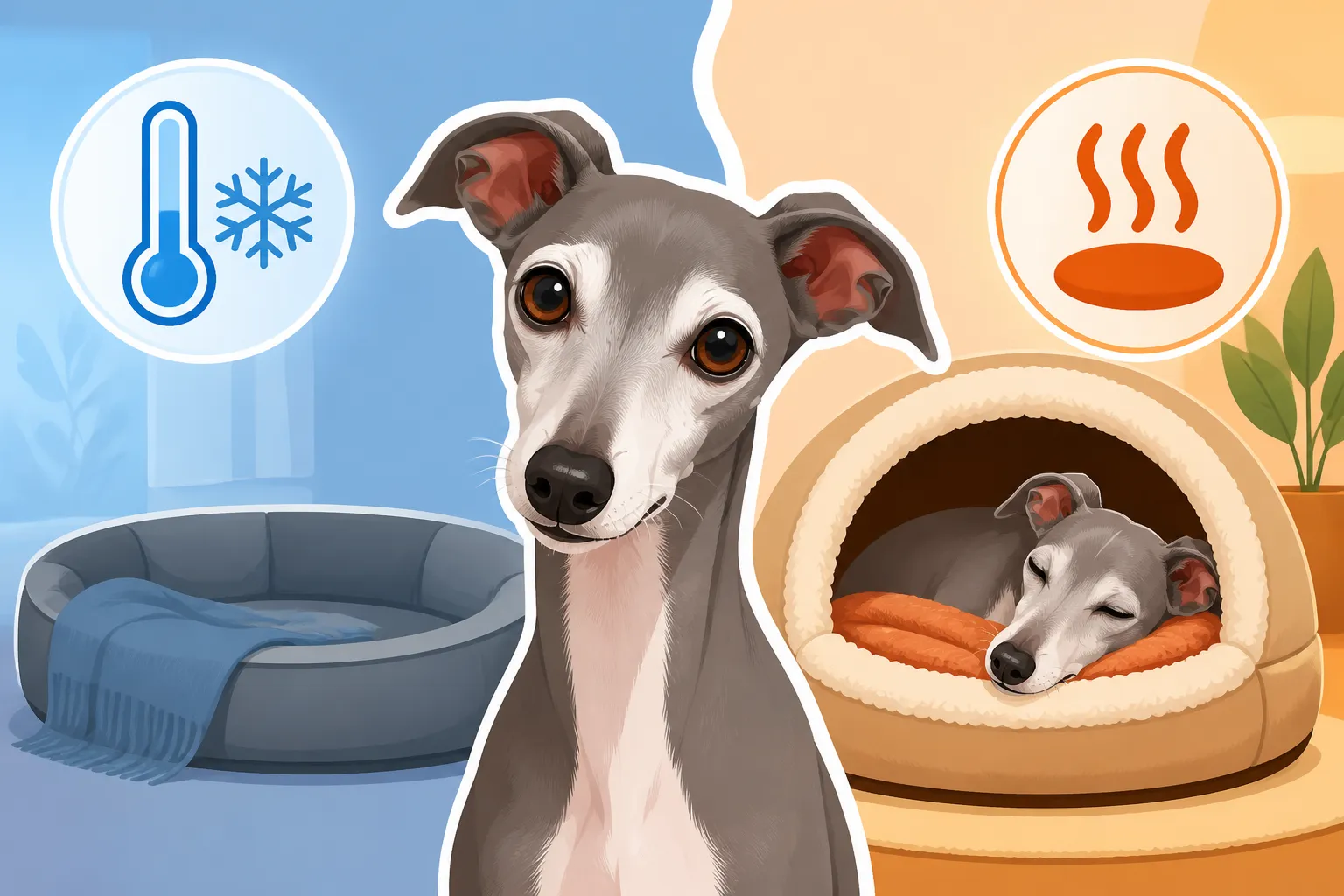
Whether an Old Italian Greyhound Needs a Warmer Bed
It’s a chilly evening, and you look over at your beloved, gray-muzzled Italian Greyhound, curled up tight on their bed, maybe even shivering a little. You can't help but wonder if they're truly warm enough, especially now that they're getting on in years. As our elegant Iggies gracefully transition into their senior years, their needs change, and one of the most common concerns for us doting owners is keeping them comfortable and, crucially, warm. This guide is all about helping you understand why your older Italian Greyhound might need a warmer bed, exploring the best options available, and ensuring they remain cozy through their golden years.
The Unique Vulnerability of Aging Italian Greyhounds to Cold
Italian Greyhounds, even in their prime, are not built for cold weather. Their sleek, short coats and famously low body fat make them incredibly susceptible to the chill. It's one of those things every Iggy owner quickly learns: sweaters, blankets, and a warm lap are not optional, they're essential. But when your Italian Greyhound hits those senior years, usually around the age of eight or nine, this vulnerability becomes even more pronounced. It's not just a matter of comfort; it's a matter of their well-being. The Age an Italian Greyhound Is Considered Senior is when these changes really start to become noticeable.
Physiological Shifts That Reduce Warmth
As our Iggies age, their bodies undergo several changes that impact their ability to regulate temperature. For one, their metabolism tends to slow down. A younger, more active dog generates more internal heat simply by moving and processing food. An older dog, often less active, with a slower metabolic rate, produces less heat. Think of it like an old furnace that just doesn't burn as hot as it used to. Beyond that, senior Iggies often experience a decrease in muscle mass. Muscle not only helps with movement but also contributes to body heat. When muscle mass dwindles, there's less tissue to generate warmth, and their already thin skin feels even more exposed. Their beautiful, fine coat, while always short, might even thin out a little further, offering less insulation. This combination means they simply have fewer natural defenses against the cold.
Health Conditions Exacerbating Cold Sensitivity
It’s not just metabolism and muscle mass; various health conditions common in senior dogs can also contribute to them feeling the cold more acutely. Arthritis, for instance, is a widespread issue for older dogs, including Italian Greyhounds. Joints become stiff and painful, and lying on a cold, hard surface can make this discomfort much worse. Imagine having aching joints and trying to get comfortable on a cool floor – it's just not going to happen. Poor circulation can also be a factor, meaning blood flow to their extremities isn't as robust as it once was, making their paws and tail feel colder. Some older Iggies might develop conditions like hypothyroidism, which directly impacts metabolism and often leads to an increased sensitivity to cold. A regular check-up with your vet is crucial to rule out any underlying medical causes for increased cold sensitivity, as discussed in How Often an Italian Greyhound Needs a Wellness Exam. These factors compound their inherent predisposition to cold, making a warm bed not just a luxury, but a necessity for their comfort and health. Why an Old Italian Greyhound Feels the Cold More goes into even more detail on this topic.
Types of Warming Beds and Cozy Solutions for Senior Italian Greyhounds
So, now that we understand why your senior Italian Greyhound might be shivering, let's talk about the how – how do we ensure they're snug as a bug, especially when they're resting? The good news is, there are a ton of fantastic options out there, ranging from high-tech heated beds to simple, time-tested comforts. The goal is to create a haven of warmth that supports their aging body and keeps them feeling secure.
Heated Beds and Mats: Controlled Warmth
Heated beds or warming mats are often the first thing people think of when considering extra warmth. These can be a real game-changer for an old Italian Greyhound, providing consistent, gentle heat that can soothe aching joints and keep their core temperature stable. You'll find these typically come in two main varieties:
- Electrically Heated Beds/Mats: These plug into an outlet and usually have a thermostat or internal heating element to maintain a safe, low temperature. When looking for one, safety is paramount. Always choose a product specifically designed for pets, with features like chew-resistant cords and automatic shut-off functions. You want a bed that provides warmth, not a fire hazard! Many excellent options are available from reputable brands on sites like Chewy and Amazon, offering various sizes and designs to suit your Iggy's preferences. It's vital to research Whether a Heated Bed Is Safe for an Italian Greyhound before making a purchase.
- Self-Warming Beds/Mats: These don't require electricity. Instead, they use special insulating materials, often with a Mylar or reflective layer, to trap and reflect your dog's own body heat back to them. They're a fantastic, safer alternative for dogs who might chew on cords or for owners who are wary of electrical items. While they don't provide active heat, the passive warmth they offer is often enough to make a significant difference for a thin-skinned Iggy.
Orthopedic and High-Sided Beds: Insulation and Support
Beyond just heat, the structure of the bed itself can contribute immensely to your senior Iggy's comfort and warmth.
- Orthopedic Beds: These beds, often made with memory foam, are an absolute blessing for older dogs. They contour to your Iggy's body, providing incredible support for joints that might be stiff with arthritis or just generally achy. This support isn't just about comfort; it helps distribute their weight evenly, reducing pressure points. A well-supported body is often a more relaxed body, and a relaxed dog can stay warmer.
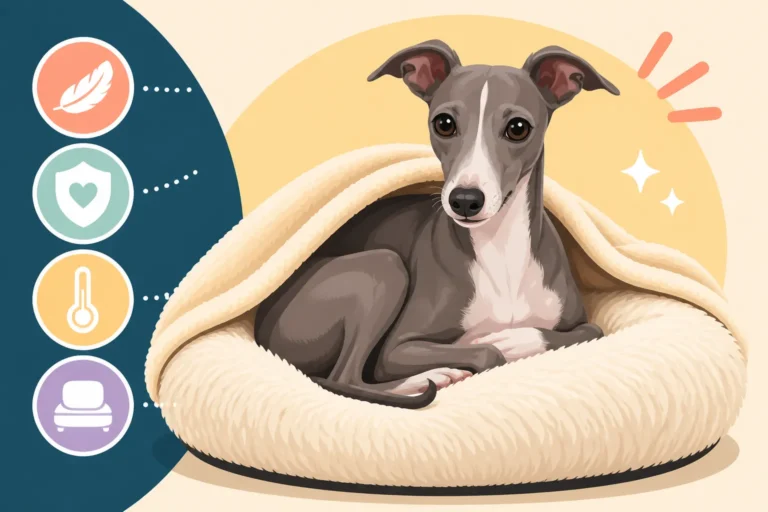
- High-Sided or Bolster Beds: Italian Greyhounds are natural burrowers. They love to feel enveloped and secure. A bed with high sides or bolsters creates a cozy nest, offering both physical support and a sense of security. More importantly, those high sides act as an excellent barrier against drafts, helping to trap warm air inside the bed. It’s like their own little fort against the cold, allowing them to truly curl up and settle in. Many of these also come with plush, insulating materials that add an extra layer of warmth.
Snuggle Sacks and Cave Beds: The Ultimate Burrowing Experience
If there’s one thing Italian Greyhounds excel at, it's burrowing under blankets. They crave that feeling of being completely tucked away, warm, and hidden. This is where snuggle sacks and cave beds become indispensable.
- Snuggle Sacks: These are essentially a blanket sewn into a bag or envelope shape, allowing your Iggy to crawl inside. They’re usually lined with super soft, often fluffy, material that provides incredible insulation. Your dog can burrow deep, creating their own personal warm pocket. For an Iggy, this isn't just comfort; it taps into their instinct to nest, providing a huge sense of security.
- Cave Beds: Similar to snuggle sacks, but often with a more structured "hood" or top that maintains its shape, creating a permanent cave-like opening. They offer the same deep burrowing comfort and warmth but might be easier for some older Iggies to get in and out of if they struggle with manipulating a soft sack.
Both options leverage your Iggy's natural desire to burrow, turning their bed into an incredibly warm and inviting hideaway. Many Italian Greyhound owners find these to be among the most popular bedding choices for their cold-sensitive companions.
Layering Blankets: Simple, Effective, and Versatile
Sometimes, the simplest solutions are the best. A pile of soft, warm blankets can be just as effective as a fancy bed, especially if your Iggy is a master blanket arranger (and many are!).
- Fleece and Sherpa Blankets: These materials are fantastic insulators. Lay several layers over their existing bed, or create a cozy den on the floor. Your Iggy will undoubtedly dig and nest until they've created their perfect warm spot.
- Microfleece Throws: Lightweight yet incredibly warm, these can be tucked around them once they're settled or draped over their bed to add an extra layer of insulation.
The beauty of blankets is their versatility. You can wash them easily, rearrange them as needed, and even bring them along when traveling to provide a familiar comfort and warmth. For those nights when the house feels particularly drafty, an extra blanket can make all the difference.
Here's a quick comparison of popular warming bed options:
| Bed Type | Key Feature | Pros | Cons | Ideal For |
|---|---|---|---|---|
| Heated Mat/Bed | Active, consistent heat | Soothes arthritis, deep warmth, consistent temperature | Electrical hazard, higher cost, potential for chew damage | Iggies with joint pain, extreme cold sensitivity |
| Self-Warming Bed | Reflects body heat | No electricity needed, safe, portable | Less intense warmth than active heat | Mildly cold Iggies, owners concerned about electricity |
| Orthopedic Bolster Bed | Memory foam, high sides | Joint support, insulation, sense of security, draft protection | Larger footprint, can be pricey | Iggies with arthritis, those who like to lean/nest |
| Snuggle Sack/Cave Bed | Enclosed burrow space | Mimics natural nesting, excellent insulation, security | Some Iggies might struggle to enter/exit, needs washing | Iggies who love to burrow, very cold-sensitive Iggies |
| Layered Blankets | Versatile fabric layers | Inexpensive, customizable, easy to wash, portable | Can get disheveled, relies on Iggy's own nesting skills | All Iggies, as an addition to any bed setup |
Beyond the Bed: A Holistic Approach to Keeping an Old Iggy Warm
While a warm bed is a huge piece of the puzzle, ensuring your senior Italian Greyhound stays cozy involves a more holistic approach. It's about looking at their entire environment and daily routine to identify areas where you can add extra warmth and comfort. Remember, Caring for an Italian Greyhound Past Eleven often means adjusting many aspects of their daily life.
Maintaining a Comfortable Indoor Environment
The ambient temperature of your home plays a massive role in your Iggy's overall comfort. For Italian Greyhounds, who struggle to maintain their body heat, a consistently warm house is key, especially for seniors. If you're comfortable at 70°F, your Iggy might still be chilly. Aim for the higher end of comfortable room temperature, perhaps 72-74°F, especially in the areas where they spend most of their time. Drafts are the enemy of an Iggy! Check for leaky windows or doors, and use draft stoppers. Position their beds away from direct drafts, like near an exterior door or a frequently opened window. Even a small, persistent breeze can cause them to lose precious body heat. Consider a small space heater in their favorite room, always used safely and under supervision, to create a warm zone.
Indoor Clothing: Sweaters and Pajamas
Many Italian Greyhound owners already know the importance of dressing their Iggies for outdoor excursions, but for seniors, indoor clothing can be just as vital. A soft, well-fitting sweater or a set of cozy pajamas can provide a significant boost in warmth, particularly during colder months or if your home isn't consistently toasty. This extra layer directly on their skin helps to trap their body heat, mimicking the fur they lack.
- Sweaters: Choose soft, breathable materials like fleece or wool blends. Ensure it fits snugly but doesn't restrict movement. Many brands, and even independent crafters, make sweaters specifically designed for the unique body shape of sighthounds, with their deep chests and slender waists.
- Pajamas: For night-time, especially if your Iggy sleeps in a cooler room or tends to burrow less, pajamas can be fantastic. They cover more of the body, providing all-over warmth. Whether an Italian Greyhound Wears a Coat to Bed is a question many owners ask, and often the answer is a resounding yes! Regularly rotating and washing these garments ensures they stay clean and fresh, contributing to good skin health.
Nutrition and Hydration: Fueling Internal Warmth
While not directly related to bedding, proper nutrition and hydration contribute to an Italian Greyhound's overall health and ability to stay warm. A healthy diet provides the necessary calories and nutrients for a robust metabolism, which in turn generates body heat. As Iggies age, their nutritional needs might change. Some older Iggies might benefit from slightly higher calorie food if they're losing weight or from food tailored for senior dogs that supports overall vitality.
- Quality Food: Ensure your Iggy is on a high-quality dog food. Companies like Ollie, known for fresh, human-grade ingredients, can sometimes appeal to picky eaters or those needing specific dietary support, though always consult with your vet about dietary changes for seniors.
- Consistent Eating: Make sure they're eating regularly and not skipping meals, as consistent intake fuels their metabolism.
- Hydration: Always ensure fresh water is available. Dehydration can affect circulation and overall body function, indirectly impacting their ability to stay warm.
Discuss any changes in appetite or weight with your vet. Softer Food for an Old Italian Greyhound might become a necessity if dental issues arise, but the nutritional content remains paramount. A well-nourished body is better equipped to regulate its temperature.
Regular Vet Check-ups and Health Management
Finally, staying proactive with your senior Iggy's health is fundamental. Regular veterinary check-ups, ideally twice a year for seniors, are crucial. These visits allow your vet to catch any underlying health issues early that might be contributing to cold intolerance, such as thyroid problems, arthritis, or circulatory issues. Early diagnosis and treatment of these conditions can make a significant difference in your Iggy's comfort levels. Your vet can also advise on supplements for joint health Whether an Italian Greyhound Needs Joint Support Late or other age-related concerns that might indirectly impact their ability to stay warm and comfortable. Managing their health comprehensively is part of helping them enjoy their Why an Italian Greyhound Lives Fourteen to Fifteen Years to the fullest, and comfortably.
Choosing the Right Warm Bedding: Practical Considerations
Deciding on the perfect warm bed for your old Italian Greyhound isn't just about picking the prettiest or most expensive option. It's about thoughtful consideration of safety, cleanliness, your dog's individual preferences, and how it fits into your home and budget. It’s about creating a safe, comfortable, and warm sanctuary.
Safety First: Electrical and Chew Hazards
If you're considering a heated bed, safety simply cannot be overstated. These products involve electricity, and while reputable brands design them with safety in mind, it's up to us as owners to use them correctly.
- Chew-Proof Cords: Look for beds with reinforced, chew-resistant cords. Even if your Iggy isn't a known chewer, an older dog might develop new habits or simply lie on the cord in a way that causes damage over time.
- Temperature Control: Ensure the bed has reliable temperature control, ideally with a thermostat that keeps the heat at a safe, low level (usually just above body temperature). Overheating can be dangerous.
- Automatic Shut-off: Some models include automatic shut-off features, which can provide extra peace of mind.
- Placement: Never place a heated bed on flammable surfaces. Keep the cord neatly tucked away and out of reach. Regularly inspect the bed and cord for any signs of wear or damage. If you notice any fraying or unusual smells, discontinue use immediately. As noted in What a Heated Bed Costs for an Italian Greyhound, there's a range of options, but never compromise on safety for cost.
Ease of Cleaning and Hygiene
Let's face it, dogs can be messy, and older dogs might have more accidents. Therefore, the ease of cleaning your chosen bedding is a huge factor.
- Removable, Washable Covers: This is non-negotiable for most pet beds. Being able to strip off the cover and toss it in the washing machine is incredibly convenient and essential for maintaining hygiene.
- Waterproof Liners: For senior Iggies who might be prone to incontinence, a bed with a waterproof liner under the main cover is a lifesaver. It protects the foam or filling from accidents, extending the life of the bed and preventing odors.
- Machine Washable Blankets: If you're layering with blankets or using a snuggle sack, make sure they are easily machine washable. Regular washing not only keeps them clean but also fresh-smelling.
Observing Your Iggy's Preferences and Comfort Cues
Your Italian Greyhound is the ultimate expert on their own comfort. Pay close attention to their behavior.
- How They Rest: Do they like to stretch out or curl into a tight ball? Do they prefer to lean against something? This can inform whether a bolster bed or a flat mat is better. Which Bed Shape an Italian Greyhound Prefers can often be observed in their natural sleeping positions.
- Burrowing Habits: If your Iggy is constantly trying to tunnel under blankets, a snuggle sack or cave bed is probably a winner.
- Location: Where does your Iggy naturally choose to sleep? On the sofa? In a sunbeam? This can tell you a lot about their preferred warmth level and comfort spot.
- Restlessness: If they're constantly shifting, pawing at their bed, or moving from one spot to another, it could be a sign they're not quite comfortable, either too hot, too cold, or lacking support.
Remember that their needs might change over time, so periodically reassess their sleeping arrangements. A dog that Whether an Old Italian Greyhound Sleeps More might need different accommodations than they did in their younger days.
Strategic Placement and Environmental Factors
Where you place the bed can be almost as important as the bed itself.
- Away from Drafts: As mentioned earlier, cold drafts can quickly negate the benefits of a warm bed. Place beds in a quiet corner, away from exterior doors and windows.
- Near Warmth Sources (Safely): A spot near a heat vent (but not directly over it, which could be too hot) or in a sunny patch can add natural warmth.
- Quiet and Secure: Older dogs, like older people, appreciate peace and quiet. Place their bed in a low-traffic area where they won't be constantly disturbed, allowing them to truly relax and feel secure. This peace also contributes to a feeling of warmth and safety.
Budgeting for Quality and Longevity
Investing in a good quality bed for your senior Italian Greyhound is an investment in their comfort and health. While there's a wide range of price points, remember that cheaper options might not offer the same level of support, insulation, or durability.
- Consider Long-Term Value: A well-made orthopedic or heated bed might have a higher upfront cost but could last for years, providing consistent comfort.
- Look for Sales: Keep an eye out for sales at major pet retailers like Chewy or Amazon, especially around holidays. You can often snag high-quality items at a better price.
- DIY Options: Don't forget the power of simple, layered blankets if your budget is tight. A thick duvet or a pile of fleece throws can be surprisingly effective.
Ultimately, your old Italian Greyhound absolutely needs a warmer bed. Their changing physiology, coupled with their inherent sensitivity to cold, makes it a critical part of their senior care. By understanding their needs and exploring the various warming and supportive options available, you can ensure their golden years are filled with comfort, warmth, and the deep, contented sleep they deserve. What Changes in an Old Italian Greyhound's Care is a journey, and a warm bed is a cornerstone of that loving care.
Disclaimer
This article is for general informational purposes only and does not constitute professional advice. Laws, prices and regulations vary by location and change over time. Consult a qualified professional for guidance on your specific situation.