Why the Italian Greyhound Is a Toy and Not a Hound
It's incredibly easy to look at an Italian Greyhound and instinctively think "miniature Greyhound," right? Their elegant lines, deep chests, and undeniable sighthound grace practically scream "hound!" But if you delve into the breed's official classification, you'll find these exquisite creatures nestled firmly in the Toy Group. This often puzzles new owners and even seasoned dog enthusiasts, wondering why such a fast, agile dog isn't grouped with its larger sighthound cousins. This guide will meticulously unravel the historical, physical, and temperamental reasons behind this unique classification, offering a deep dive into what truly defines the Italian Greyhound.
The Long History: From Ancient Companions to Royal Lapdogs
When you first encounter an Italian Greyhound, their ancient, refined appearance immediately tells you they’ve been around for a long time. Indeed, the lineage of these exquisite dogs stretches back thousands of years. But while their larger sighthound relatives were chasing game across vast plains, the Italian Greyhound's role was quite different: they were bred primarily for companionship, a role that profoundly influenced their development and ultimate classification.
Early European Presence and Royal Favor
Evidence suggests small sighthound types, the ancestors of today's Italian Greyhounds, were cherished companions in ancient Mediterranean civilizations. We see echoes of them in art from what is now Turkey and Greece, dating back 2,000 years. These weren't dogs depicted running down deer or boar; they were often seen nestled beside human figures, draped on laps, or adorning royal chambers. As the breed made its way through Europe, particularly into Italy during the Renaissance, their status as beloved pets solidified. They became highly fashionable among nobility and royalty, serving as symbols of elegance and wealth, rather than tools for hunting. Imagine the grand paintings of Renaissance Italy, where noblewomen are often depicted with a delicate, small dog in their arms or at their feet – chances are, it was an Italian Greyhound. The Italian Greyhound Is Two Thousand Years Old explores this fascinating history further.
This consistent role as a companion dog, valued for its beauty, grace, and affectionate nature, shaped its physical and behavioral traits over centuries. Unlike true hounds, which were selectively bred for specific hunting abilities – keen scent, incredible stamina, or powerful pursuit – the Italian Greyhound was chosen for its gentle disposition, manageable size, and appealing aesthetics, perfect for indoor living and close human interaction. This distinction in purpose is a cornerstone of their classification, setting them apart from the working hounds.
The Contrast with Working Sighthounds
To truly understand why the Italian Greyhound is a toy and not a hound, it’s crucial to consider the origins of other sighthound breeds. Take the Greyhound or the Whippet, for example. These dogs were meticulously bred for speed, agility, and the physical prowess required to spot, chase, and capture fast-moving prey. Their entire anatomy – from their powerful hindquarters to their deep chests, designed for massive lung capacity – is optimized for the hunt. Historically, a Greyhound's worth was measured by its ability to catch a hare, not by how gracefully it fit on a queen's lap.
The Italian Greyhound, on the other hand, was refined for a life of luxury and leisure. While they possess the innate sighthound instinct to chase (and oh, can they chase a squirrel in the park!), their delicate build and historical role never demanded the ruggedness or endurance of a true hunting hound. Their development focused on miniaturization and refining their elegant features to create an ideal lap dog, one that could be easily carried, kept warm, and showered with affection. This divergence in breeding purpose is paramount: one bred for work, the other for companionship, ultimately leading to their different group classifications.
Physical Characteristics: A Toy's Delicate Build
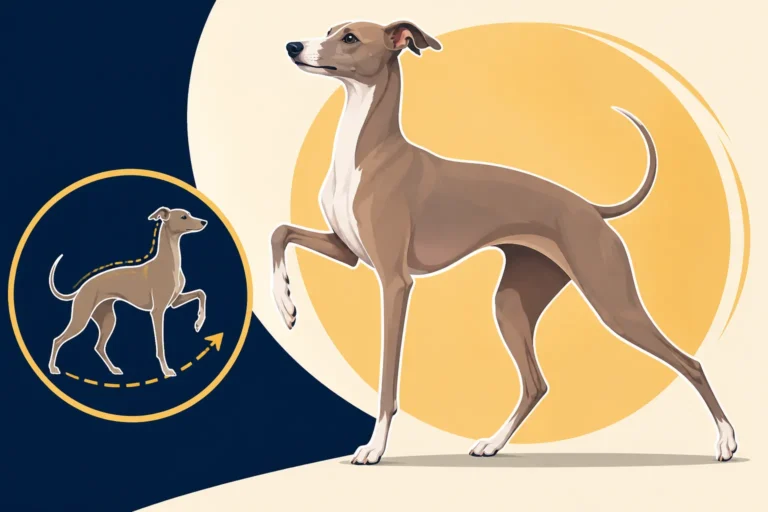
One of the most immediate and striking differences between an Italian Greyhound and a larger sighthound, or indeed most hounds, is their delicate physical structure. While they share the unmistakable silhouette of a sighthound – the arched back, deep chest, and tucked abdomen – the Italian Greyhound’s proportions are scaled down to an exquisite, almost fragile degree, perfectly aligning them with the Toy Group.
Size, Weight, and Fragility
Italian Greyhounds are, by definition, small dogs. Typically standing between 13 to 15 inches tall at the shoulder and weighing a mere 7 to 14 pounds, they are significantly smaller and lighter than even the smallest of the recognized hound breeds. A Whippet, for instance, often weighs two to three times as much, and a Greyhound, of course, is in an entirely different league. This diminutive size is not just a matter of scale; it fundamentally impacts their physical resilience. Their bones are fine and slender, their skin paper-thin, making them inherently more delicate than their robust hound cousins. What an Italian Greyhound Weighs and How Tall It Stands provides more context on their specific dimensions.
This delicate build means Italian Greyhounds are prone to certain injuries that larger, sturdier dogs rarely face. A common concern for owners, especially during their rambunctious puppy phases, is the risk of bone fractures. A simple jump off a sofa or a misstep during play can lead to a broken leg, which is a devastating and costly experience for any owner. This inherent fragility, a direct result of selective breeding for miniaturization, is a hallmark of a toy breed – dogs designed for gentle handling and indoor living, not the rigors of the field. Why an Italian Greyhound's Leg Bones Break So Easily highlights this common concern.
Fine Bones and Lean Muscle Mass
The skeletal structure of an Italian Greyhound is incredibly refined. Their long, slender legs, while allowing for impressive bursts of speed, are not built for sustained impact or heavy exertion that a hunting hound might endure. When you run your hand over an Italian Greyhound, you can easily feel their prominent hip bones, ribs, and delicate spine. They carry very little body fat, typically around 17% or less, which means there's less cushioning for their internal organs and bones. This lack of robust musculature and protective fat layers further emphasizes their designation as a toy breed.
Compare this to a Beagle or a Basset Hound, members of the Hound Group. These dogs have solid, sturdy bone structures and often more substantial muscle mass, built for endurance and resilience in varying terrains. Even sighthounds like the Saluki or Afghan Hound, while lean, possess a powerful, athletic build designed for covering ground quickly and efficiently. The Italian Greyhound’s physique, while aesthetically pleasing and perfectly adapted for quick bursts within a confined space, lacks the overall robustness required of a working hound. Their physical delicacy mandates a lifestyle of careful management, protection from falls, and a warm, comfortable environment, all traits consistent with a companion animal in the Toy Group.
Temperament: The Essence of a Companion Dog
Beyond their physical appearance, the Italian Greyhound's temperament is perhaps the most compelling argument for its place in the Toy Group. These dogs are, at their very core, devoted companions, exhibiting behavioral traits that prioritize human connection and comfort over independence or a strong working drive.
The Quintessential "Velcro Dog"
Italian Greyhounds are famously known as "Velcro dogs," a charming moniker that perfectly describes their profound attachment to their human family. They thrive on close physical contact, preferring to be in the same room, on the same sofa, or even under the same blanket as their beloved people. This intense desire for proximity isn't just a cute quirk; it's a deeply ingrained behavioral characteristic that has been fostered through centuries of breeding for companionship. A working hound, by contrast, needs a degree of independence and focus to perform its tasks, often ranging far from its handler.
This "Velcro" nature means Italian Greyhounds can be prone to separation anxiety if left alone for extended periods. They literally pine for their owners, which can manifest as destructive behaviors, vocalization, or even house-soiling. This extreme need for human companionship is a defining trait of many toy breeds, bred to be constant shadows and comforting presences in their owners' lives. Understanding this temperament is key to providing them a happy home and preventing issues like Signs an Italian Greyhound Has Separation Anxiety.
Sensitivity and Training Approach
Italian Greyhounds are incredibly sensitive dogs, both physically and emotionally. They do not respond well to harsh training methods or raised voices. Instead, they thrive on positive reinforcement, gentle guidance, and consistency. A scolding can cause an Italian Greyhound to shut down, become fearful, or regress in their training, especially with housetraining, which can be a notoriously difficult journey for the breed. Why Raising Your Voice Sets an Italian Greyhound Back a Month elaborates on the negative impact of harsh correction.
Their sensitivity also extends to their environment. They are generally not dogs that do well with chaotic, boisterous households or rough play from young children. They prefer a calm, predictable routine and a gentle approach. While some hounds might be more resilient to loud noises or sudden changes, an Italian Greyhound's finely tuned nervous system makes them more susceptible to stress. This delicate emotional makeup further solidifies their place in the Toy Group, where many breeds share this need for a gentle touch and a nurturing environment. Their emotional well-being is intrinsically linked to their bond with their human companions.
Behavioral Traits: Prey Drive vs. Practicality
While the Italian Greyhound undeniably possesses the keen eyesight and instinct to chase characteristic of sighthounds, their practical behavior in a home environment and their suitability for traditional "hound work" firmly plant them in the Toy Group. Their prey drive, though present, is often managed differently than in a true working hound.
The Sighthound Instinct and Its Limitations
Yes, an Italian Greyhound can spot a squirrel or a rabbit at an impressive distance and take off like a rocket. Their acceleration is breathtaking, and their speed is surprising for such a small dog. This inherent prey drive is a nod to their sighthound ancestry, a genetic echo of their larger relatives. However, this instinct is largely untrainable when triggered, meaning an off-leash Italian Greyhound is almost always a flight risk. Why an Italian Greyhound Cannot Be Trusted Off Leash, Ever is a crucial read for any owner. This is where the distinction lies: while they can chase, they are rarely used for the practical purpose of hunting game.
A working hound, like a Bloodhound or a Foxhound, has its prey drive channeled and honed through generations of selective breeding to perform specific tasks. They are expected to track, pursue, and often corner game, working in collaboration with handlers. The Italian Greyhound’s chase instinct, while powerful, is more of a recreational sprint than a functional hunt. Their fragile frame also means that pursuing larger or more aggressive prey could easily result in injury, making them ill-suited for any actual hunting role. Their primary interaction with prey is often limited to a dash across a securely fenced yard or a frustrating lunge on a leash, rather than a sustained, productive hunt.
Indoor Predominance and Activity Levels
Despite their sighthound speed, Italian Greyhounds are predominantly indoor dogs. They are not built for extensive outdoor endurance or for tolerating harsh weather conditions. Their thin coats and lack of body fat mean they get cold very easily, often shivering even in mild temperatures. This is why you'll often see them bundled in sweaters and coats, even indoors. Keeping an Italian Greyhound Warm Is Daily Work, Not a Winter Job explains the critical need for warmth. A true hound, whether scent or sight, is generally bred to withstand more rigorous outdoor conditions, spending significant time in the field regardless of the elements.
Their exercise needs, while requiring a good daily walk or two and opportunities for a vigorous sprint, are generally moderate. They are not dogs that require hours of sustained running or challenging hikes like many sporting or hound breeds. Instead, they are content with short bursts of intense activity, followed by long, luxurious naps curled up on the softest cushion, ideally with their human. This pattern of activity – intense short bursts followed by extended rest in a warm, comfortable environment – is highly characteristic of toy breeds, who are designed to fit seamlessly into a domestic, often sedentary, lifestyle. You might find great beds and blankets on Chewy to keep your IG comfortable indoors.
Breed Standard Classifications: AKC and FCI Groups
The official classification of dog breeds by kennel clubs around the world provides a formal framework for understanding why breeds are grouped together. For the Italian Greyhound, both the American Kennel Club (AKC) and the Fédération Cynologique Internationale (FCI) unequivocally place them in the Toy Group, a decision rooted in their historical development and inherent characteristics.
The AKC Toy Group
In the United States, the American Kennel Club classifies the Italian Greyhound in its Toy Group. This group is dedicated to small companion dogs, typically weighing less than 20 pounds, whose primary purpose is to provide affection and companionship. Other breeds in this group include Chihuahuas, Pugs, Maltese, and Miniature Pinschers. These breeds, despite their diverse appearances, share common traits: small size, adaptability to indoor living, and a strong bond with their human families.
The AKC's criteria for grouping breeds emphasize function and historical purpose. While the Italian Greyhound's sighthound appearance might tempt one to place them in the Hound Group (which includes Greyhounds, Whippets, Beagles, and Basset Hounds, among others), their history as non-hunting companions, their delicate physique, and their profound need for human interaction override any superficial resemblance to working hounds. The "Toy" designation reflects their primary role in society: to be cherished pets, lap warmers, and loyal shadows, rather than active participants in hunting or other demanding outdoor tasks. This classification is a recognition of centuries of selective breeding that prioritized their companion qualities.
FCI Group 10 and Section 3
Internationally, the Fédération Cynologique Internationale (FCI), which represents 99 countries, has a slightly different, but ultimately consistent, grouping system. The FCI places the Italian Greyhound in Group 10: Sighthounds, specifically in Section 3: Short-haired Sighthounds. Now, this might seem contradictory at first glance, as Group 10 is indeed for "hounds." However, it's crucial to understand the nuance here. Within the FCI system, "Sighthounds" are a distinct category, and the sections within that group often denote size.
The FCI's system allows for the recognition of their sighthound type while still acknowledging their small stature. Section 3 is dedicated to the "Small-sized Sighthounds." This means the FCI recognizes their anatomical affinity with sighthounds but still singles out their small size as a crucial distinguishing factor. Regardless of the broader "Sighthound" group, the practical implication for owners remains the same: these are delicate, companion-focused dogs, far removed from the larger, more robust sighthounds historically used for challenging hunts. This illustrates that even when grouped under a broader "hound" umbrella, their specific section designation still highlights their deviation in size and practical application.
| Breed | AKC Group | FCI Group & Section | Primary Role | Typical Weight (lbs) |
|---|---|---|---|---|
| Italian Greyhound | Toy | Group 10, Section 3 | Companion, Lapdog | 7-14 |
| Greyhound | Hound | Group 10, Section 3 | Racing, Hunting (Coursing) | 60-70 |
| Whippet | Hound | Group 10, Section 3 | Racing, Hunting (Coursing) | 25-45 |
| Beagle | Hound | Group 6, Section 1 | Scent Hunting | 20-30 |
| Basset Hound | Hound | Group 6, Section 1 | Scent Hunting | 40-60 |
This table clearly illustrates the distinction: while the Italian Greyhound shares an FCI group with Greyhounds and Whippets due to visual type, their AKC classification and significantly lower weight firmly plant them in the "Toy" category based on their primary function as companions.
Everyday Living: What Life with an IG Looks Like
The reality of living with an Italian Greyhound further underscores why they belong in the Toy Group. Their daily needs, behaviors, and the accommodations they require are all typical of a small, delicate companion animal, rather than a rugged, independent hound.
Adapting the Home Environment
Owning an Italian Greyhound often means making significant adjustments to your home environment to ensure their safety and comfort. Because of their delicate bones and propensity for fractures, many owners install ramps or steps for furniture, preventing risky jumps. Ramps and Steps for an Italian Greyhound's Furniture is a lifesaver for many. Sharp edges on furniture become potential hazards, and slippery floors like hardwood or tile can lead to slips and falls, so rugs or runners are often a must.
Their lack of natural insulation means they need constant warmth. In colder climates, or even in air-conditioned homes, they require sweaters and blankets. A heated bed is often a treasured item. This constant need for environmental modification to protect them and keep them comfortable is far more common for toy breeds than for hounds, which are generally more self-sufficient in their environment. Imagine trying to outfit a Beagle in a tiny sweater or install ramps for a Foxhound – it simply doesn't align with their design or needs. Chewy offers a wide range of insulated beds and clothing to keep your Italian Greyhound cozy.
Housetraining Challenges and Indoor Needs
One of the most common frustrations for Italian Greyhound owners is housetraining. While all puppies can be challenging, Italian Greyhounds are notoriously difficult to reliably housetrain, often regressing in cold or wet weather. Their small bladders and aversion to cold or rain can lead to frequent indoor accidents. Many owners resort to indoor potty solutions like pee pads or even litter boxes to mitigate this challenge. Housetraining an Italian Greyhound Is the Hardest Part of Owning One details these difficulties.
This reliance on indoor potty options is rarely a primary strategy for owners of hound breeds, who are typically expected to do their business outdoors, regardless of weather. The Italian Greyhound's inclination to prioritize warmth and comfort over outdoor potty breaks, combined with their delicate physical constitution that makes cold weather particularly challenging, is another strong indicator of their toy status. Their comfort and convenience within the home often take precedence over traditional outdoor routines, making them ideal indoor companions for those willing to adapt.
Social Dynamics and Interaction
Italian Greyhounds tend to have a distinct way of interacting with the world and other animals. They are often reserved, even shy, around strangers and can be easily overwhelmed by boisterous dogs. While they typically enjoy the company of other gentle dogs, especially other sighthounds or IGs, rough play with larger, heavier breeds poses a significant risk of injury. Owners must be vigilant in dog parks or at social gatherings to prevent accidental bumps or falls that could harm their delicate pets. Why an Italian Greyhound Puppy Should Not Wrestle Big Dogs highlights this crucial safety concern.
This need for careful supervision and selective socialization is another characteristic shared with many toy breeds. A hardy hound, like a Coonhound or an Otterhound, is generally expected to hold its own in a variety of social situations and withstand more physical interaction. The Italian Greyhound’s cautious nature and physical vulnerability necessitate a more controlled social environment, reinforcing their classification as a delicate companion dog whose well-being depends on protective human care. Their interactions are generally geared towards gentle companionship rather than robust, dog-centric play.
Misconceptions and Modern Perspectives
Despite the clear historical and physical evidence, the misconception that Italian Greyhounds are simply "miniature Greyhounds" persists. This often leads to misunderstandings about their needs and temperament, highlighting the importance of understanding their true classification as a toy breed.
The "Miniature Greyhound" Fallacy
The most common misconception is that the Italian Greyhound is a miniaturized version of the larger Greyhound, achieved by breeding down. While they share a common sighthound ancestry, the Italian Greyhound is its own distinct, ancient breed that developed independently, not simply by shrinking a Greyhound. Their specific proportions, head shape, and overall delicate refinement are unique to them. How an Italian Greyhound Differs From a Greyhound explains these differences in detail.
This fallacy can lead prospective owners to expect a hardy, independent dog that can keep up with long hikes or tolerate rough play, just in a smaller package. However, as we've explored, the Italian Greyhound is far from this. They are a breed apart, with specific needs for warmth, protection, and constant companionship that differentiate them profoundly from their larger sighthound cousins. Understanding that they are not just a shrunken Greyhound is critical for appreciating their unique qualities and ensuring they receive appropriate care.
The Importance of Breed Group for Owners
For new and prospective owners, understanding the breed group is more than just a kennel club formality; it's a practical guide to what life with that dog will entail. Knowing that the Italian Greyhound is a Toy breed immediately signals several key considerations:
- Delicate Nature: Expect a fragile dog susceptible to injury, especially falls.
- Indoor Lifestyle: They are primarily house pets, sensitive to cold and requiring indoor comfort.
- Companion Focused: They thrive on human interaction and may struggle with prolonged solitude.
- Gentle Handling: They respond best to positive, gentle training and calm environments.
If someone is looking for a dog to join them on long, rugged outdoor adventures, or a dog that can be left alone for many hours, an Italian Greyhound, despite its elegant "hound-like" appearance, would likely be a poor match. The Toy Group classification serves as a vital shorthand, informing owners about the core characteristics that define the breed's needs and suitability for different lifestyles. By embracing their true identity as a toy breed, owners can better prepare for the joys and challenges of living with these enchanting dogs.
Disclaimer
This article is for general informational purposes only and does not constitute professional advice. Laws, prices and regulations vary by location and change over time. Consult a qualified professional for guidance on your specific situation.