Who Frederick the Great’s Italian Greyhound Was
It’s easy to think of historical figures as stiff and formal, but even kings had beloved pets who shared their deepest affections. When it comes to Frederick the Great of Prussia, his devotion to his Italian Greyhounds is legendary, and understanding his relationships with these delicate dogs can offer a unique glimpse into the breed’s enduring charm, sensitive nature, and historical role, revealing insights that resonate with Italian Greyhound owners even today.
The King and His Canine Companions: A Lifelong Affection
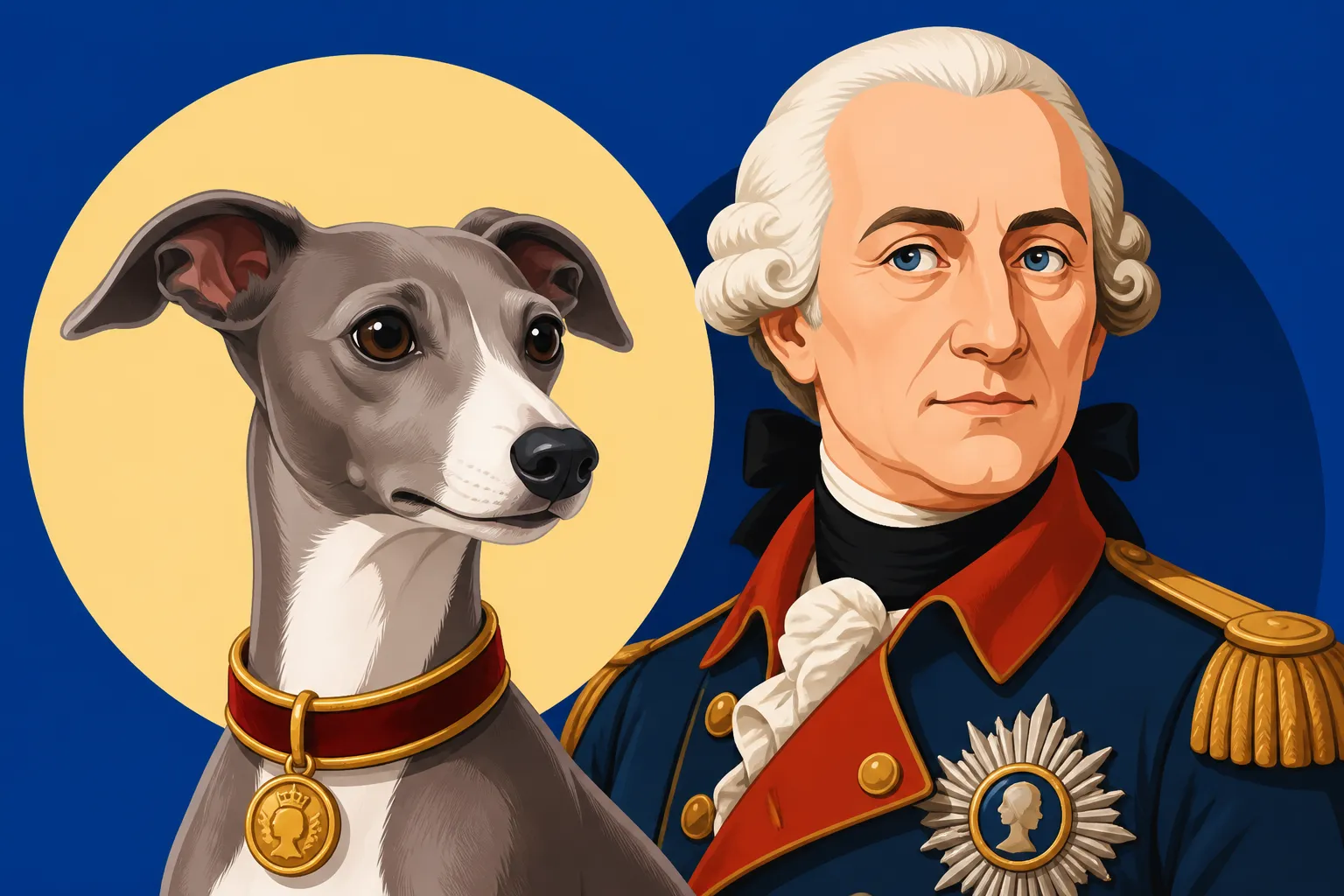
Frederick II, also known as Frederick the Great, King of Prussia from 1740 to 1786, was a complex and brilliant man, a military strategist, an enlightened monarch, and a patron of the arts. Yet, beneath the formidable exterior of a powerful ruler, lay a deep and tender affection for his Italian Greyhounds. These small, elegant dogs were not merely pets; they were his confidantes, his companions during long campaigns, and his solace in times of stress. His love for them was well-documented by those around him, a stark contrast to his often austere and demanding interactions with people.
Frederick's Retreat into Canine Comfort
Imagine the sheer pressure of running a kingdom, commanding armies, and constantly strategizing for the welfare and expansion of your nation. For Frederick, the demands were relentless. In such a high-stakes environment, it's easy to see how a small, loving creature could offer unparalleled comfort. His Italian Greyhounds were a silent, unwavering presence, providing unconditional love and a much-needed emotional outlet from the rigors of court life and war. They were his escape, a private world where he could shed the weight of his crown and simply be a man who adored his dogs.
He often spoke of them with immense fondness, referring to them as his "little philosophers" or "little comrades." This isn't just a king having a pet; this is a man who found genuine emotional connection and understanding in his dogs, a bond many of us Italian Greyhound owners can deeply relate to. We know how they burrow into our hearts and become an indispensable part of our lives, offering a quiet, warm presence that speaks volumes without a single word. His relationship highlights the profound therapeutic effect pets can have, a timeless truth that transcends centuries and social status.
The Royal Kennels at Sanssouci
Frederick the Great's primary residence, Sanssouci Palace in Potsdam, was built as his private summer retreat, a place "without cares." It’s no surprise that his beloved Italian Greyhounds were central to this vision of peace and tranquility. The palace itself, with its sprawling gardens and terraces, was designed with a personal touch, and his dogs were often found by his side, both indoors and out. He ensured they had comfortable living conditions, a testament to their importance in his life.
The grounds of Sanssouci were not just for show; they were a sanctuary where Frederick and his dogs could walk and spend time together, away from the formalities of the court. His study, where he would read, compose music, and conduct state business, was often shared with his slumbering Italian Greyhounds, curled up on cushions or at his feet. This close proximity wasn't just about convenience; it was a deliberate choice to keep his most cherished companions near, showcasing how central they were to his daily routine and emotional well-being. Even today, Italian Greyhounds are known for being "Velcro dogs," rarely leaving their owner's side, and it seems this trait was just as present and appreciated centuries ago.
Biche: The Most Famous Italian Greyhound
Among Frederick's many Italian Greyhounds, one particular dog stands out in history: Biche. She was not just an Italian Greyhound; she was the Italian Greyhound, a tiny shadow that accompanied the king through some of the most tumultuous periods of his reign, becoming almost a symbol of his personal resilience and solace. Her story is particularly poignant and offers a unique window into the depth of the king's affection.
A Constant Companion Through War
The Seven Years' War (1756-1763) was a brutal, protracted conflict that tested Frederick's mettle like no other. It was a time of immense hardship, tactical brilliance, and crushing losses. Throughout it all, Biche was often by his side, a small, comforting presence amidst the chaos of battlefields and military encampments. Accounts suggest she would travel with him, providing moments of calm and affection during intense strategic sessions or after harrowing defeats.
Imagine the contrast: the roar of cannons, the stress of command, and then, a tiny Italian Greyhound, perhaps curled in his lap or nudging his hand, offering a silent anchor in a storm of human conflict. This wasn't a dog pampered far away in a palace; Biche was in the thick of it, experiencing the discomforts of war alongside her master. This kind of loyalty and companionship speaks volumes about the Italian Greyhound's adaptable and deeply devoted nature, traits that still define the breed today. Owners often remark on their IG's uncanny ability to sense their moods and offer quiet support, a phenomenon Frederick experienced firsthand with Biche.
The Near Loss and Profound Grief
There's a particularly famous anecdote about Biche during the Battle of Kolín in 1757. During a moment of intense fighting, Biche, who was with Frederick, became separated from him. The fear and distress Frederick felt at her potential loss were immense. The story goes that he was profoundly shaken, highlighting just how deeply he valued her. Thankfully, Biche was later found and returned to him, much to his relief. This incident reveals the sheer emotional investment he had in his canine companion.
Later in life, Biche's eventual passing brought immense grief to Frederick. He was devastated by her loss, a testament to the profound bond they shared. His sorrow was not just a passing melancholy; it was a deep, personal mourning for a friend who had seen him through thick and thin. This level of grief for a pet was unusual for the era, further underscoring the exceptional place his Italian Greyhounds held in his heart. It reminds us that while How Long an Italian Greyhound Lives on Average can be quite long, the pain of their eventual departure is always profound.
The Enduring Legacy: Frederick's Burial Site
Perhaps the most powerful testament to Frederick the Great’s love for his Italian Greyhounds, particularly Biche, lies in his final wishes regarding his burial. He famously requested to be buried simply, without pomp or circumstance, on the terrace of Sanssouci, next to his beloved dogs. This was not a casual request; it was a deeply personal and meaningful directive from a king who wanted his most loyal companions to be with him in eternity.
A King's Last Wish
Frederick's instructions were clear: he desired to be laid to rest among his Italian Greyhounds, specifically mentioning the exact spot on the terrace where they were buried. This wish, however, was not immediately honored upon his death in 1786. Instead, he was buried in the Garrison Church in Potsdam, next to his father. For over 200 years, his wishes remained unfulfilled, a quiet rebellion against his intensely private and personal desires.
The fact that a king, whose life was defined by power and statecraft, would dedicate such an important final request to his dogs speaks volumes about his priorities and values. It suggests that, in his private world, the loyalty and affection of his Italian Greyhounds outweighed many of the earthly glories and human relationships that typically define a monarch's legacy. It's a powerful statement about the unique place pets can hold in our lives, a sentiment many Italian Greyhound owners can understand. The thought of being reunited with our furry family members is a comforting one.
Finally Laid to Rest with His Dogs
It wasn't until 1991, over two centuries after his death, that Frederick the Great's last wish was finally honored. His coffin was moved to Sanssouci and reinterred on the terrace, precisely where he had requested, among the graves of his cherished Italian Greyhounds. This event, long overdue, closed a significant chapter in the story of a king and his dogs.
Today, visitors to Sanssouci can see the graves marked with simple stones, a humble and poignant memorial that stands in stark contrast to the grandeur of the palace itself. This final resting place, surrounded by the quiet beauty of the gardens, is a testament to an extraordinary bond, forever linking Frederick the Great with his beloved Italian Greyhounds, and especially Biche. It’s a powerful symbol of how deeply intertwined our lives can become with our pets, a bond that can even transcend the grave.
Italian Greyhounds in Royal Courts: A Historical Precedent
Frederick the Great's profound affection for his Italian Greyhounds wasn't an isolated incident; it was part of a long tradition of European royalty and nobility cherishing these elegant little sighthounds. Which Royals Kept Italian Greyhounds is a fascinating subject, revealing how these dogs became symbols of status, beauty, and companionship across centuries. Their delicate beauty and affectionate nature made them favorites in courts from the Renaissance onward.
Aristocratic Companionship Through the Ages
From the Italian Renaissance, where their presence in paintings symbolized wealth and good fortune, to the opulent courts of France and England, Italian Greyhounds consistently found favor with the elite. They were prized for their elegant lines, gentle temperaments, and manageable size, making them ideal indoor companions in a time when many dogs were relegated to working roles or outdoor kennels. Their delicate appearance was often a reflection of their owners' refined tastes.
These dogs weren't just decorative; they were active participants in court life, often accompanying their mistresses and masters during daily activities, travels, and even public appearances. Their ability to fit comfortably in a lady's arms or sit quietly by a monarch's side made them perfectly suited for the intimate and often confined spaces of aristocratic living. This deep integration into the personal lives of royalty underscores the Italian Greyhound's intrinsic charm and ability to forge strong, lasting bonds with their human companions, a trait that remains central to the breed's appeal today.
Symbols of Status and Style
Beyond companionship, Italian Greyhounds served as living accessories, symbols of status and refined taste. Their presence in portraits, often nestled in the lap of a noblewoman or at the feet of a king, communicated a certain level of sophistication and wealth. Owning such a delicate, often expensive, breed implied that one had the means to care for a dog that didn't serve a practical working purpose, but rather existed purely for aesthetic pleasure and companionship.
The distinctive look of the Italian Greyhound, with its slender build and graceful movements, resonated with the artistic and aesthetic values of the European aristocracy. They were, in essence, a living embodiment of elegance. This historical role as a companion and status symbol has shaped much of the breed's perception and development, influencing breeding choices towards maintaining their distinctive sighthound grace and gentle disposition. Even today, their unique beauty is a huge part of their appeal, making them stand out in any crowd, whether in a palace courtyard or a modern dog park.
What Frederick's Story Teaches Us About Italian Greyhounds
Frederick the Great's historical relationship with his Italian Greyhounds, particularly Biche, offers us more than just fascinating anecdotes. It provides valuable insights into the timeless characteristics of the breed and validates many of the experiences modern Italian Greyhound owners have. His story is a historical mirror reflecting the core essence of these wonderful dogs.
The Unwavering Devotion and Sensitivity
Frederick’s profound bond with Biche, and his visible grief at her loss, speaks volumes about the Italian Greyhound’s capacity for deep devotion. These are not aloof dogs; they form incredibly strong attachments to their primary caregivers. This devotion often manifests as the "Velcro dog" trait, where they follow you from room to room, seeking constant physical contact. It's a powerful testament to their need for connection.
Their sensitivity is also evident. A king, accustomed to command and formality, found genuine solace in their quiet presence. This resonates with the Italian Greyhound’s well-known sensitivity to tone of voice and emotional atmosphere. They thrive on gentle handling and positive reinforcement, often shrinking from harsh words or loud reprimands. Understanding this inherent sensitivity is crucial for any owner, as Why Raising Your Voice Sets an Italian Greyhound Back a Month is a common and frustrating reality for many.
The Need for Warmth and Comfort
While Frederick lived in grand palaces, even kings understand the delicate nature of an Italian Greyhound. These dogs are notoriously thin-skinned, with very little body fat, making them highly susceptible to cold. Frederick, by all accounts, ensured his dogs were comfortable, likely providing warm bedding and opportunities to snuggle. This isn't just a modern concern; it's a fundamental aspect of Italian Greyhound care that has been true for centuries.
Today, this translates into a constant vigilance against chills. We outfit them in sweaters and coats, provide cozy beds, and often find them burrowed under blankets. Keeping an Italian Greyhound Warm Is Daily Work, Not a Winter Job because their lean build means they can get chilly even indoors if the temperature isn't just right. Frederick's likely provision of warm environments for his IGs shows an early understanding of this critical need, demonstrating that their physical comfort is paramount to their well-being.
Caring for an Italian Greyhound: Timeless Principles Meet Modern Convenience
While Frederick the Great had a team of servants and vast resources to care for his Italian Greyhounds, modern owners face the delightful challenge of providing the best care themselves. The fundamental needs of these delicate dogs haven't changed much over centuries, but the way we meet those needs certainly has.
Providing for Their Comfort and Safety
Frederick's Italian Greyhounds enjoyed the comforts of a palace, but even in grand settings, their delicate bones are a concern. Today, Italian Greyhound owners are acutely aware of the breed's fragility, especially their predisposition to leg fractures. This means we prioritize safety in our homes, often installing ramps for furniture and discouraging risky jumps. Ramps and Steps for an Italian Greyhound's Furniture are a common sight in IG households, preventing the kind of falls that can lead to devastating injuries.
We also ensure they have plenty of soft, warm places to rest. A king might have provided custom silk cushions, but modern owners can choose from a vast array of orthopedic beds, snuggle sacks, and cozy blankets. Platforms like Chewy offer an incredible selection of comfortable dog beds, from memory foam to heated options, perfect for keeping an Italian Greyhound warm and protecting their joints. Ensuring they have soft landings and places to burrow helps mitigate risks and provides the comfort their thin bodies crave.
Nutrition and Health in the Modern Age
Frederick's dogs likely ate a diet befitting royalty, but without the scientific understanding of canine nutrition we have today. Modern Italian Greyhound owners are fortunate to have access to high-quality dog foods formulated to meet their specific needs. While Italian Greyhounds are typically efficient eaters and don't require large quantities, providing a balanced diet is key to their long-term health. Feeding an Italian Greyhound That Carries Seventeen Percent Body Fat means understanding their unique metabolism and ensuring they maintain a healthy, lean weight.
Regular veterinary care, vaccinations, and preventive medications are also standard practice for today’s Italian Greyhound. We have far more advanced tools to address health concerns than Frederick's era. From routine dental care, which is critical for Italian Greyhounds due to their crowded mouths (Periodontal Disease Is the Italian Greyhound's Most Common Diagnosis), to genetic testing for inherited conditions, modern owners can proactively manage their dog's health. Chewy provides a convenient way to get prescription foods, supplements, and even specialty dental care products delivered right to your door, making it easier to maintain your IG's health regime.
The Importance of Exercise and Mental Stimulation
Even though they were royal companions, Frederick's Italian Greyhounds undoubtedly enjoyed walks and playtime in the vast gardens of Sanssouci. Italian Greyhounds, despite their delicate appearance, are sighthounds with a natural need to run and expend energy. While they don't require hours of vigorous exercise like larger breeds, daily walks and safe opportunities to sprint are essential for their physical and mental well-being.
Modern owners often seek out securely fenced areas for their IGs to unleash their "zoomies," or engage in activities like lure coursing. The Indoor Zoomies an Italian Greyhound Gets are a common sight, indicating their pent-up energy that needs an outlet. Providing appropriate toys and enrichment, easily found on platforms like Chewy, helps keep their intelligent minds engaged, preventing boredom and potential behavioral issues. Whether through structured play or just a good romp in a safe space, ensuring an Italian Greyhound gets adequate exercise is a timeless aspect of their care.
| Aspect of Care | Frederick the Great's Era (Historical) | Modern Italian Greyhound Ownership (Today) |
|---|---|---|
| Companionship | Royal confidantes, constant presence in private and public life | "Velcro dogs," deeply attached to owners, integrated into family life |
| Housing & Comfort | Palaces and grand estates, likely custom warm bedding | Safe homes with ramps/steps, orthopedic beds, blankets, sweaters |
| Diet | Royal table scraps, unspecified meat/grain diets | Scientifically formulated kibble, wet food, veterinary diets |
| Health Care | Limited veterinary knowledge, basic care for injuries/illness | Routine vet check-ups, vaccinations, dental cleanings, advanced surgery |
| Safety | Risk of injury from falls (less awareness), battlefield hazards | Intense focus on fracture prevention, supervised outdoor activities |
| Supplies | Handmade items, custom collars | Wide range of commercially available products (e.g., from Chewy) |
Embracing the Enduring Charm
Frederick the Great's story is a beautiful reminder of the powerful, unconditional love that Italian Greyhounds offer. His devotion to Biche and his other "little philosophers" wasn't just a quirk of a historical figure; it was a deeply human response to the unique charm and affection of these incredible dogs.
His legacy, marked by his desire to be buried with his beloved companions, speaks to the timeless connection between humans and their pets. It affirms what every Italian Greyhound owner knows in their heart: these are special creatures who enrich our lives in immeasurable ways. From ancient times to today, the Italian Greyhound continues to captivate hearts with its elegant beauty, profound sensitivity, and unwavering devotion. They are more than just dogs; they are family, just as they were for Frederick the Great.
Disclaimer
This article is for general informational purposes only and does not constitute professional advice. Laws, prices and regulations vary by location and change over time. Consult a qualified professional for guidance on your specific situation.