Whether the Italian Greyhound Is a Rare Breed
It’s a common question, and one that often springs from a place of genuine curiosity when you encounter an Italian Greyhound for the first time: are these elegant, slender dogs actually rare? While they might not be as ubiquitous as, say, a Labrador Retriever or a French Bulldog, calling them "rare" might be a bit of a stretch, depending on how you define the term. This guide will dive deep into what rarity means for dog breeds, explore the fascinating history of the Italian Greyhound's ebb and flow in popularity, and examine their current standing in the dog world.
Understanding "Rare": What Does It Even Mean for a Dog Breed?
When we talk about a dog breed being "rare," it can mean different things to different people. For some, it might imply a breed with only a few hundred individuals left globally. For others, it simply means you don't see them at every dog park or on every street corner. Italian Greyhounds definitely fall into the latter category, but their history is far more complex than just a simple scarcity. They have a rich and ancient lineage, yet their numbers have seen dramatic swings over the centuries.
The American Kennel Club's Popularity Ranking
One of the most common ways to gauge a breed's popularity, or lack thereof, especially in North America, is to look at the American Kennel Club (AKC) registration statistics. The AKC annually ranks breeds based on the number of individual dogs registered, and this provides a snapshot of their standing. A breed consistently in the top 10 or 20 is undeniably popular, while those closer to the bottom of the list of recognized breeds are generally considered less common. It's not a perfect measure, of course, as not every dog is registered, but it gives us a good benchmark for what the general public is actively seeking out. The Italian Greyhound, or "Iggy" as they are affectionately known, usually sits somewhere in the middle-to-lower end of this spectrum, rarely breaking into the top tier of canine celebrities. This position often leads people to perceive them as rare.
However, a breed doesn't have to be on the verge of extinction to be considered less common. Their distinct needs and personality traits mean they aren't for everyone, which naturally keeps their numbers from skyrocketing. While you might not find a breeder easily listed in your local classifieds, a dedicated search will certainly yield results. It just might involve a bit more effort than finding a Golden Retriever puppy.
Regional Differences in Breed Popularity
The notion of rarity can also be heavily influenced by geography. A breed that is relatively uncommon in one country might be incredibly popular in another. For Italian Greyhounds, their European roots mean they might have a slightly stronger presence or a longer history of recognition in some European nations compared to, say, North America or Australia. Even within a single country, urban centers might see more Iggies than rural areas, simply because their small size and indoor nature make them well-suited for apartment living.
Consider traveling abroad; you might find that the breeds celebrated and commonly owned shift dramatically. What is considered a "boutique" or "niche" breed in one place might be a national treasure elsewhere. This makes the term "rare" feel even more subjective. So, if you've met a few Italian Greyhounds and are wondering why you haven't seen more, it could very well be a reflection of local trends and breeding concentrations rather than a global scarcity. It's a testament to the diverse world of dog breeds that their popularity isn't uniform across the globe.
The Italian Greyhound's Historical Popularity Rollercoaster
To truly understand whether the Italian Greyhound is a rare breed today, we have to look back at their fascinating history. They haven't always been the relatively niche breed they are now. In fact, for centuries, they were the darlings of royalty and nobility, experiencing periods of immense popularity followed by dramatic declines.
From Ancient Nobility to Renaissance Lapdogs
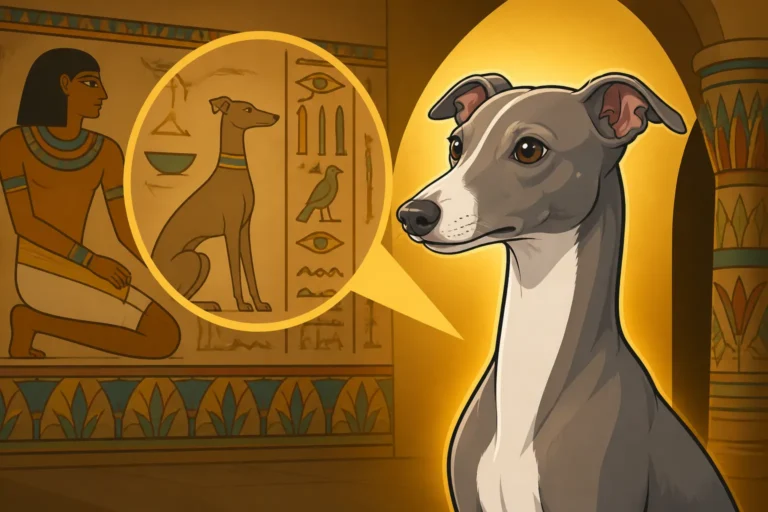
The history of the Italian Greyhound is long and illustrious, stretching back over How Old the Italian Greyhound Breed Is to ancient times. Evidence suggests that dogs resembling Italian Greyhounds were treasured companions in ancient Egypt, Greece, and Rome. These aren't just myths; archaeological finds, including art and remains, point to their presence in elite circles. They were never working dogs in the traditional sense, but rather symbols of status, wealth, and elegance, prized for their refined appearance and gentle demeanor.
During the Renaissance, the Italian Greyhound reached the zenith of its European popularity. They were the favored companions of queens, kings, and nobles across Italy, France, and beyond. Imagine grand portraits from the 16th and 17th centuries, and you'll often see these delicate dogs curled gracefully in the laps of their aristocratic owners. This era solidified their image as an aristocratic lapdog, a role they played with supreme grace. Their presence in art and literature from this period shows just how widely recognized and desired they were, far from being considered rare. They were, in many ways, the ultimate accessory for the fashionable elite.
Surviving Near Extinction: The World Wars
Despite their long and storied past, the Italian Greyhound breed faced severe challenges that pushed them to the brink of extinction not once, but twice. The 20th century, with its two devastating World Wars, proved particularly brutal for many dog breeds, especially those considered "luxury" items. During these tumultuous times, resources were scarce, and priorities shifted dramatically. Maintaining breeding programs for delicate companion animals became a luxury few could afford, and many lines were lost.
What the World Wars Did to the Italian Greyhound cannot be overstated. With widespread poverty, disruption of trade, and the sheer focus on survival, dedicated breeding efforts dwindled significantly. Many Italian Greyhounds, especially those without strong, dedicated advocates, simply vanished. After each war, the breed's numbers were critically low, and it took immense effort and passion from a few devoted enthusiasts to bring them back. This period illustrates how quickly a once-popular breed can become genuinely rare, highlighting the fragility of even ancient lineages when faced with global crises. It was a stark reminder that without active preservation, any breed can fade away.
The Breed's Resurgence in the Modern Era
Thankfully, due to the tireless work of dedicated individuals and breed clubs, the Italian Greyhound made a comeback. After World War II, it was largely How American Breeders Saved the Italian Greyhound by preserving key bloodlines and slowly rebuilding the population. These breeders painstakingly worked to ensure the breed's genetic diversity and health, a monumental task that required importing dogs and careful selection. This resurgence, however, didn't automatically catapult them back to their Renaissance-era popularity.
Instead, the breed settled into a more moderate level of recognition. They regained a solid footing in the dog world, becoming a beloved choice for those who appreciate their unique qualities. While they haven't re-entered the realm of being a top-ten breed, they are far from the edge of extinction. Their dedicated following and careful breeding mean they are consistently present, albeit in smaller numbers than some of their larger or more robust counterparts. This historical context is crucial when considering their current "rarity" – they have faced true rarity and emerged, stronger for the experience, but perhaps less universally known.
Current Status: Where Do Italian Greyhounds Stand Today?
So, after centuries of fluctuating popularity, where do Italian Greyhounds stand in the modern dog landscape? They occupy a fascinating space, not truly rare in the endangered sense, but certainly not as common as many other breeds you'll encounter. Their current status is a reflection of their unique characteristics and the specific type of owner they attract.
AKC Registration Numbers and Trends
As mentioned earlier, the AKC registration data provides a good indicator of a breed's relative popularity. If you check the AKC's annual rankings, you'll typically find the Italian Greyhound somewhere in the middle to lower third of the list of recognized breeds. They rarely crack the top 50, and certainly not the top 10. For perspective, out of well over 190 recognized breeds, they might hover around the 70th to 90th spot. This isn't a sign of being critically endangered, but it does mean they aren't a household name like the German Shepherd or the Golden Retriever.
What does this tell us? It suggests that while there's a consistent demand for Italian Greyhounds, it's not a mass market demand. The number of registered puppies each year is stable enough to ensure the breed's continuation, but not so high that they become overbred or common. This moderate popularity actually benefits the breed, allowing responsible breeders to maintain high standards and avoid the pitfalls that can come with sudden surges in demand, such as irresponsible breeding practices.
Comparing Iggies to More Common Breeds
To truly appreciate the Italian Greyhound's position, it helps to compare them to breeds that are undeniably common. Think about a Pug or a Chihuahua – you'll likely see several of them on any given walk through a park. Their small size, relatively low exercise needs, and generally robust health make them popular choices for many families. Italian Greyhounds, while also small, possess a more delicate physique and specific care requirements that differentiate them.
| Breed Characteristic | Italian Greyhound | Labrador Retriever | French Bulldog |
|---|---|---|---|
| Size (Weight) | 7-14 lbs | 55-80 lbs | 19-28 lbs |
| Coat | Short, smooth | Short, dense | Short, smooth |
| Exercise Needs | Moderate (bursts) | High | Low to Moderate |
| Cold Tolerance | Very Low | High | Moderate |
| Fragility | Delicate bones | Robust | Brachycephalic |
| AKC Popularity (Approx.) | #70-90 | #1 | #2 |
This table illustrates that while Italian Greyhounds are small, their unique physical and care needs set them apart from other popular small breeds. Their delicate nature, particularly their susceptibility to broken legs, is a significant consideration for potential owners, as is their intolerance to cold. These factors naturally limit their appeal to a broader audience, contributing to their placement outside the top-tier popular breeds.
Why They're Not as Ubiquitous as Other Small Dogs
There are several reasons why Italian Greyhounds, despite their charming personalities and elegant looks, don't reach the same level of ubiquity as other small breeds. First and foremost, their physical fragility is a significant deterrent for many. Why an Italian Greyhound's Leg Bones Break So Easily is a constant concern for owners, especially when they are puppies. This means constant vigilance, childproofing your home, and sometimes even gating stairs to prevent jumps off furniture. The potential for a broken leg (A Broken Leg Is the Emergency Every Italian Greyhound Owner Fears) is a very real and often expensive reality.
Furthermore, their thin coats and lack of body fat mean they are extremely sensitive to cold. Keeping an Italian Greyhound Warm Is Daily Work, Not a Winter Job is not an exaggeration; they often need sweaters and coats even indoors during cooler months, and outdoor adventures in winter are usually short-lived. This makes them less suitable for active outdoor lifestyles in colder climates. Their specific personality, often described as a "Velcro dog," means they thrive on constant companionship, which isn't ideal for every household. These factors, while endearing to dedicated Iggy lovers, create a natural filter that keeps their overall numbers lower than more adaptable, robust breeds.
The Italian Greyhound's Niche Appeal
While not being a top-ranked breed might suggest a lack of appeal, for the Italian Greyhound, it simply means they appeal to a specific, dedicated audience. Their unique combination of traits creates a strong, if niche, following. These aren't dogs for just anyone; they truly thrive with owners who understand and embrace their particular needs and quirks.
Their Unique Temperament and Physical Needs
The Italian Greyhound's temperament is a huge part of their niche appeal. They are often described as deeply affectionate, intelligent, and sensitive. They bond incredibly strongly with their people, often displaying what's lovingly referred to as "Velcro dog" tendencies – following you from room to room, wanting to be touching you whenever possible. This intense loyalty and desire for closeness is incredibly rewarding for owners who crave a constant companion. However, it also means they can be prone to Signs an Italian Greyhound Has Separation Anxiety if left alone for extended periods.
Beyond their emotional needs, their physical needs are also quite specific. We've touched on their delicate bones and cold sensitivity, which require a particular kind of home environment and careful management. But there's also their exercise style: while they love a good sprint, often demonstrating incredible speed in what are known as "zoomies," they aren't endurance athletes. They need short bursts of activity and then are perfectly happy to curl up for hours on the sofa, preferably under a blanket. Understanding this blend of high-energy sprints and long naps is key to meeting their What an Italian Greyhound Does All Day. This isn't a breed you can just toss in the backyard and forget about; they demand interaction and a warm, safe indoor haven.
Dedication Required for Iggy Ownership
Bringing an Italian Greyhound into your life means committing to a lifestyle that accommodates their specific needs. It's not a casual choice; it requires genuine dedication. Beyond the potential for broken legs and the need for constant warmth, Housetraining an Italian Greyhound Is the Hardest Part of Owning One for many owners. They can be notoriously difficult to housebreak, often preferring indoor potty solutions, especially in inclement weather. This isn't due to a lack of intelligence, but rather their strong aversion to cold, wet, or windy conditions. Many owners find themselves investing in indoor potty areas or specific rain gear just to get them to go outside.
Their thin skin is also prone to cuts and scrapes, which means you'll often be dealing with minor injuries. They also typically require frequent dental care. How Common Dental Disease Is in an Italian Greyhound is very high, often necessitating regular professional cleanings and diligent home brushing. These aren't minor considerations; they are ongoing aspects of care that require time, effort, and financial planning. Owners of Iggies truly become experts in their breed, adapting their homes and routines to suit these sensitive, high-maintenance companions.
The Community of Italian Greyhound Enthusiasts
One of the most beautiful aspects of owning a less common breed like the Italian Greyhound is the strong, supportive community that often forms around them. Because their needs are so specific, Iggy owners tend to gravitate towards each other, sharing tips, advice, and understanding. Online forums, social media groups, and local breed clubs are vibrant hubs where owners can connect, share stories, and seek help. This sense of camaraderie is invaluable, especially for new owners navigating the unique challenges of the breed.
This dedicated community also plays a crucial role in the breed's continued well-being. They support responsible breeding practices, advocate for the breed's health, and are often involved in Adopting an Italian Greyhound From Rescue efforts. When you become an Italian Greyhound owner, you don't just get a dog; you often gain entry into a passionate network of fellow enthusiasts who truly "get" the particular joys and struggles of living with these remarkable dogs. This strong community helps ensure that even if they aren't a top-10 breed, the Italian Greyhound will always have devoted champions.
Finding an Italian Greyhound: Is It Difficult?
Given their standing outside the top tier of popular breeds, many prospective owners wonder if finding an Italian Greyhound is a difficult task. The answer is nuanced: it might require more effort and patience than finding a common breed, but it's certainly not impossible. The key lies in knowing where to look and understanding the process for ethical acquisition.
The Role of Responsible Breeders
For many, the first step to bringing an Italian Greyhound home is through a responsible breeder. These breeders are passionate about the breed, focusing on health, temperament, and adherence to breed standards. They typically perform extensive health testing on their breeding stock, understand the genetic predispositions of Iggies, and provide excellent early care and socialization for their puppies. This is why Finding an Italian Greyhound Breeder Worth the Waitlist is often the best path, even if it means waiting. A good breeder will:
- Screen for common genetic conditions.
- Be transparent about their practices and allow you to meet the puppy's parents.
- Provide a health guarantee and a clear contract.
- Offer lifelong support and advice.
- Have a clean, well-maintained facility where puppies are raised in a home environment.
They won't be rushing puppies out the door, and they will carefully vet prospective owners to ensure a good match. This often means that while Italian Greyhounds aren't "rare," you might encounter a waitlist, particularly for puppies from well-established lines. It's a small price to pay for a healthy, well-adjusted companion from someone who truly cares about the breed's future. You won't find them advertised for cheap or available instantly, as this often signals a less-than-reputable source.
Italian Greyhound Rescues: Another Avenue
Another wonderful option for finding an Italian Greyhound is through breed-specific rescues. Sadly, even beloved breeds find themselves in need of new homes, sometimes due to changes in owner circumstances, or simply because their previous families weren't prepared for the unique challenges of Iggy ownership. Italian Greyhound rescues are dedicated organizations that take in Iggies from shelters, owner surrenders, or other difficult situations, rehabilitate them, and place them in loving forever homes.
While puppies are less common in rescue, you can often find wonderful adult Italian Greyhounds who are already house-trained (or at least have a good start!) and past the most fragile puppy stage. Adopting an Italian Greyhound From Rescue can be incredibly rewarding. These dogs often come with a history that the rescue organization can share, giving you a clearer picture of their personality and needs. Rescues also typically ensure all necessary veterinary care is completed, including spaying/neutering, vaccinations, and dental work, before adoption. This path not only gives a deserving dog a second chance but also often provides a more mature companion for those not ready for the intense demands of a young puppy.
Understanding Waitlists and Availability
Whether you go through a breeder or a rescue, a common experience when seeking an Italian Greyhound is encountering a waitlist. This is a direct consequence of their moderate popularity – enough demand to keep breeders busy, but not so much that there's an oversupply. For breeders, carefully planned litters are the norm, and they prioritize quality over quantity. This means fewer litters available at any given time, leading to prospective owners putting their names down well in advance.
The duration of a waitlist can vary significantly, from a few months to over a year, depending on the breeder's breeding schedule and the number of interested families. Similarly, rescue organizations often have an application process and may take time to find the right match for a dog in their care. The availability of Italian Greyhounds can also fluctuate seasonally or regionally. It’s important to be patient and persistent, and to communicate openly with breeders and rescues. While you might be tempted to jump at the first available puppy, taking the time to find a reputable source is crucial. Look into what the first year of ownership entails, including initial costs and ongoing care, which might be why some families aren't ready for this unique commitment. While you can find essential supplies at major pet retailers like Chewy, the initial search for the right Iggy partner is a journey that can't be rushed.
The Future of the Italian Greyhound Breed
The Italian Greyhound might not ever top the charts of the most popular dog breeds, and that's perfectly okay. In many ways, their current status as a cherished, rather than ubiquitous, breed is a blessing. It allows for more thoughtful breeding and dedicated ownership, ensuring the longevity and health of this ancient companion.
Maintaining Health and Integrity
For responsible breeders and the Italian Greyhound community, the focus isn't on increasing numbers for the sake of popularity, but rather on maintaining the breed's health, temperament, and structural integrity. This involves careful genetic screening to minimize inherited diseases and thoughtful breeding pairings to produce sound, healthy puppies. Ongoing education about conditions like Periodontal Disease Is the Italian Greyhound's Most Common Diagnosis or patellar luxation is vital, ensuring that new owners are aware and prepared.
The goal is to produce Italian Greyhounds that embody the breed standard – elegant, gentle, and sound – ensuring that future generations can enjoy these dogs as much as those in the past. This meticulous approach often means that there are fewer puppies available overall, contributing to the perception of rarity, but it is ultimately for the good of the breed. Organizations like the Italian Greyhound Club of America work tirelessly to support health initiatives and research, ensuring the breed remains robust and vibrant for years to come.
The Ongoing Effort to Educate Potential Owners
A crucial part of preserving the Italian Greyhound breed and ensuring its positive future is educating potential owners. Because Iggies have such specific needs – from their delicate bones to their aversion to cold, and their deep need for companionship – it's vital that prospective families understand exactly what they're signing up for. This isn't a breed to be chosen on a whim or purely for aesthetic appeal.
Reputable breeders and rescue organizations spend considerable time discussing these unique traits and challenges with applicants. They want to ensure that every Italian Greyhound goes to a home that is prepared to provide the specific care and environment they require. This proactive education helps prevent situations where Iggies end up in shelters because their owners were unprepared for their needs, such as their sometimes stubborn Housetraining an Italian Greyhound Is the Hardest Part of Owning One nature. It's about setting both the dog and the owner up for success, ensuring a happy, lasting partnership. Access to good quality food, like what you can find on Chewy, is just one small part of the comprehensive care an Iggy needs throughout its life. Ultimately, while Italian Greyhounds may never be as common as a Golden Retriever, their dedicated human companions and the thoughtful stewardship of the breed community ensure they will remain a cherished presence for generations to come.
Disclaimer
This article is for general informational purposes only and does not constitute professional advice. Laws, prices and regulations vary by location and change over time. Consult a qualified professional for guidance on your specific situation.