Whether Coat Color Predicts an Italian Greyhound’s Health
An Italian Greyhound’s coat color can raise a sensible health question, especially when a blue or fawn dog develops thinning hair. But color alone cannot tell you whether an individual dog is healthy or will become ill. This guide explains the limited color-linked risk owners should know about, what to watch for, and how to focus on meaningful health checks instead.
What an Italian Greyhound’s coat color can and cannot tell you
Color is not a general health forecast
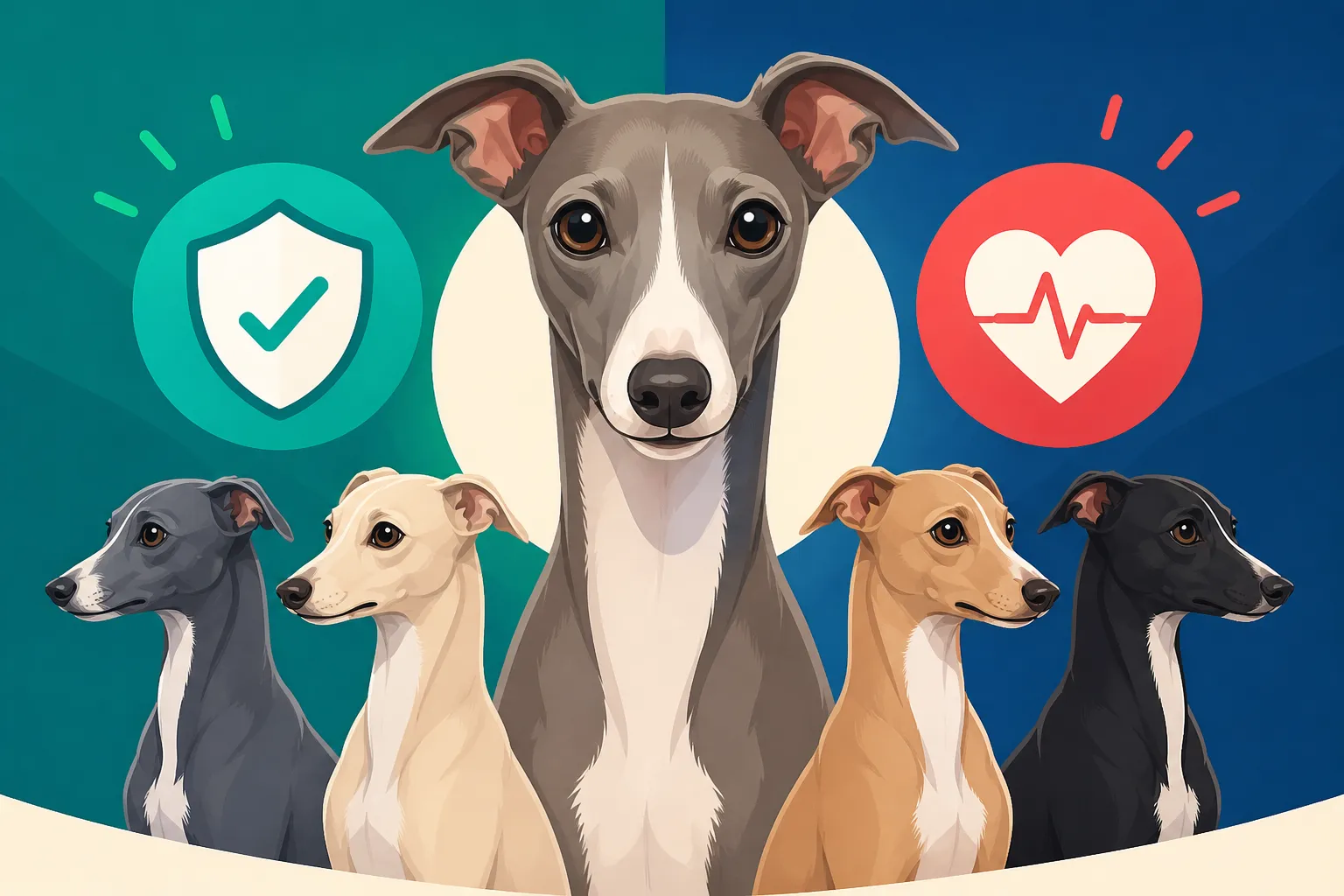
An Italian Greyhound’s coat color is not a reliable measure of its overall health, temperament, lifespan, or future veterinary needs. A black, blue, fawn, cream, or white-marked dog can be healthy or develop health problems; appearance by itself does not settle the question. A color may point to a particular inherited trait worth discussing, but it is only one part of a much larger picture.
That distinction matters because people often see a color mentioned alongside a health condition and understandably assume the color causes the whole problem. In reality, inherited conditions can involve multiple genes, family history, and other factors. A color may be associated with a risk without making that outcome inevitable for every dog who has that color.
For a broader look at the range of accepted colors and how they’re described, see Every Color an Italian Greyhound Is Allowed to Be. Breed standards describe appearance; they do not certify an individual dog’s health.
The main color-linked concern is color dilution alopecia
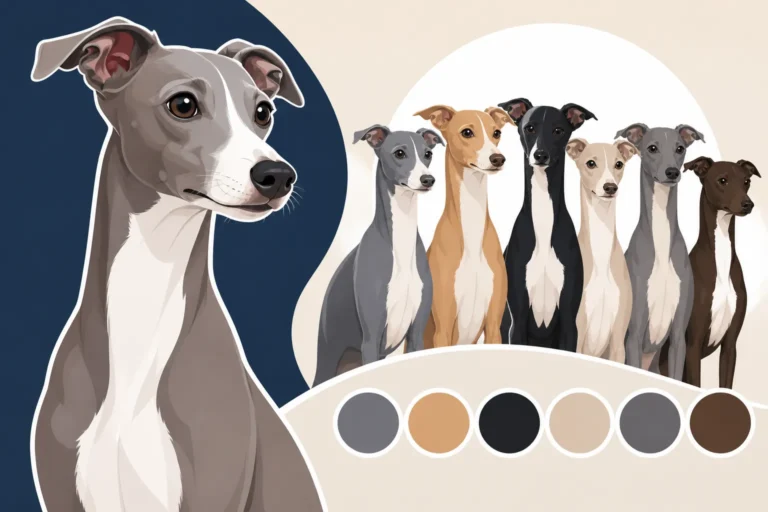
The color-related condition most often discussed in Italian Greyhounds is color dilution alopecia, or CDA. It can affect dogs with dilute coat colors. Blue coats are a familiar example, and owners may also hear questions about fawn or other dilute-looking colors. The term “alopecia” means hair loss, but the condition can also involve changes to the skin.
A dilute coat has less pigment distributed through the hair than a non-dilute coat. In some affected dogs, pigment clumps abnormally within the hair shaft, making the hair more fragile. Hair may break or fall out, and the skin in affected areas may become dry, scaly, or prone to irritation. The exact pattern and severity can vary.
A dilute color is not a diagnosis. Many dogs with dilute coats never develop obvious CDA, and coat color alone cannot confirm that a dog has it. If you want to understand how the condition can present in this breed, read Color Dilution Alopecia in a Blue Italian Greyhound and What Color Dilution Alopecia Does to an Italian Greyhound.
Which colors may be associated with alopecia risk
Blue and other dilute coats deserve attention, not alarm
Blue is a dilute color, so it is commonly raised when people discuss CDA. That makes it reasonable for an owner or prospective puppy buyer to ask about skin and coat history in the dog’s relatives. It does not mean that every blue Italian Greyhound will lose hair, or that a blue puppy is automatically unhealthy.
Color names can be confusing, too. People may use terms such as blue, fawn, cream, or Isabella differently in casual conversation, while breeders may describe a dog using more specific color terminology. A photo or label alone may not tell you exactly what genetic combination a dog carries. If color-linked risk is a concern, ask the breeder or veterinarian to explain the dog’s color and family history in plain language.
The risk discussion should be proportionate. Rather than treating the color as a warning sign by itself, look for evidence: does the dog have thinning hair, broken hairs, recurrent skin irritation, or close relatives with similar signs? For a focused look at coat-color questions, see Which Italian Greyhound Colors Carry the Alopecia Risk.
Fawn coats are not a simple yes-or-no category
Owners often want a definitive answer about fawn Italian Greyhounds: does fawn carry the same CDA risk as blue? The practical answer is that color labels alone are not enough to predict an individual dog’s outcome. Some fawn shades may be considered dilute, but terminology and genetic background matter, and a dog’s visible shade does not provide a complete health assessment.
If you are considering a fawn puppy, ask whether the breeder has seen coat thinning or skin problems in close relatives, and whether any affected dog has received a veterinary diagnosis. A responsible answer should distinguish confirmed health history from guesses based on photographs or color. If your dog is already showing signs, a veterinarian can assess the skin and consider other explanations, including parasites, infection, allergies, or unrelated skin disorders.
You can read more about this specific question in Whether a Fawn Italian Greyhound Carries the Same Risk. The useful takeaway is not to avoid a color automatically, but to gather good information and monitor the dog as an individual.
| What you notice | What it may mean | A sensible next step |
|---|---|---|
| A dilute coat with healthy-looking skin and no unusual hair loss | Color alone does not establish a disorder | Mention family history at routine veterinary visits and observe the coat |
| Gradual thinning or broken hairs, especially in recurring areas | Could have several causes, including a coat disorder | Arrange a veterinary exam rather than diagnosing by color |
| Redness, scabs, odor, or persistent itching | May indicate irritation, infection, parasites, or another skin problem | Contact a veterinarian promptly for an appropriate evaluation |
| Similar coat or skin problems in close relatives | A relevant piece of family history, but not a diagnosis | Ask the breeder what was observed and whether a veterinarian evaluated it |
How to tell when coat changes need attention
Look for changes over time, not just the dog’s shade
A healthy Italian Greyhound’s coat is short, so small changes may be easy to miss. Check the dog in good light and compare the same areas over time. You might notice that the coat looks thinner along the back or sides, that hairs seem brittle, or that the skin is becoming dry or flaky. Taking occasional photographs can help you describe when a change began and whether it is spreading.
Pay attention to the skin as well as the hair. Redness, bumps, sores, scabs, persistent scratching, or a change in skin odor deserve attention regardless of coat color. These signs are not specific to CDA. Fleas, mites, bacterial or yeast infections, allergies, and other conditions can cause overlapping symptoms, so guessing based on the dog’s color can delay the right care.
If you notice a new or worsening change, make a veterinary appointment and bring your observations. Note when you first saw it, which areas are affected, whether the dog seems itchy or uncomfortable, and whether anything recently changed in grooming, bedding, food, or parasite prevention. This kind of detail is often more useful than trying to decide on a diagnosis at home.
A vet can investigate the cause rather than the color
A veterinarian will consider the pattern of hair loss, the appearance of the skin, the dog’s history, and possible alternatives. Depending on what they see, they may recommend skin tests or other checks. The goal is to identify what is actually happening, because hair loss from parasites or infection calls for a different response than a pigment-related coat problem.
Avoid starting medicated products or supplements based only on an online description. Some products can irritate sensitive skin, and treating the wrong cause may make it harder to understand what is going on. If your veterinarian recommends a particular gentle shampoo or other care item, you can use a retailer such as Chewy to look for the specific type they advised. Follow the veterinary instructions rather than choosing a treatment because the packaging mentions hair loss.
For mild routine coat care, keep grooming gentle and check the skin during handling. If your vet recommends a particular brush or skin-care supply, Chewy may be one place to look for that type of item. If you shop there or elsewhere, compare the product details with your veterinarian’s guidance, especially if the dog already has irritated or fragile skin.
What matters more than color when assessing health
Ask about health history and appropriate testing
When choosing an Italian Greyhound puppy, ask the breeder about health in the puppy’s parents and close relatives—not just the puppy’s color. Ask directly whether relatives have had unusual hair loss or persistent skin problems, whether a veterinarian assessed those concerns, and what health screening the breeder performs. Clear, specific answers are more helpful than a broad assurance that a line is “healthy.”
Health considerations in the breed extend well beyond coat condition. A breeder’s health practices, the puppy’s veterinary records, and ongoing preventive care all matter. The available tests and recommendations depend on the health concern, family history, and veterinary guidance. What an Italian Greyhound Breeder Should Have Tested can help you prepare questions, while The Eye Diseases an Italian Greyhound Breeder Screens For explains another area where screening is relevant.
A thoughtful breeder should be willing to discuss both strengths and uncertainties in a line. If the only answer to a detailed health question is that a particular color is always healthy—or always unhealthy—ask for clarification. Color cannot replace a health history, veterinary assessment, or appropriate screening.
Keep care centered on the individual dog
Once your dog is home, routine wellness visits give you a chance to discuss skin, coat, teeth, eyes, weight, and any changes you have noticed. At home, look over the skin periodically while petting or grooming. Catching a developing problem early is useful, but frequent checking should not become a reason to worry over every visible rib, color variation, or seasonal change in coat texture.
Sun exposure may also be worth discussing if your dog has thin hair or areas where the skin is exposed. Ask your veterinarian what precautions make sense for your dog and local conditions rather than applying a human product or assuming every hairless patch has the same cause. If your veterinarian recommends a specific canine-safe product, Chewy can be one source for finding the requested type; check the label and follow the vet’s directions.
The most reassuring approach is also the most practical: appreciate your Italian Greyhound’s color, learn the dog’s normal coat and skin, and follow up on changes that persist or worsen. A blue or fawn coat can make CDA a reasonable topic to ask about, but it cannot tell you on its own whether your dog is healthy. For additional context on coat thinning in blue dogs, see Why a Blue Italian Greyhound Thins on the Back. If you have concerns about your dog’s eyes as well as other health needs, What an Italian Greyhound's Yearly Eye Exam Covers offers a separate overview of that routine check.
Disclaimer
This article is for general informational purposes only and does not constitute professional advice. Laws, prices and regulations vary by location and change over time. Consult a qualified professional for guidance on your specific situation.