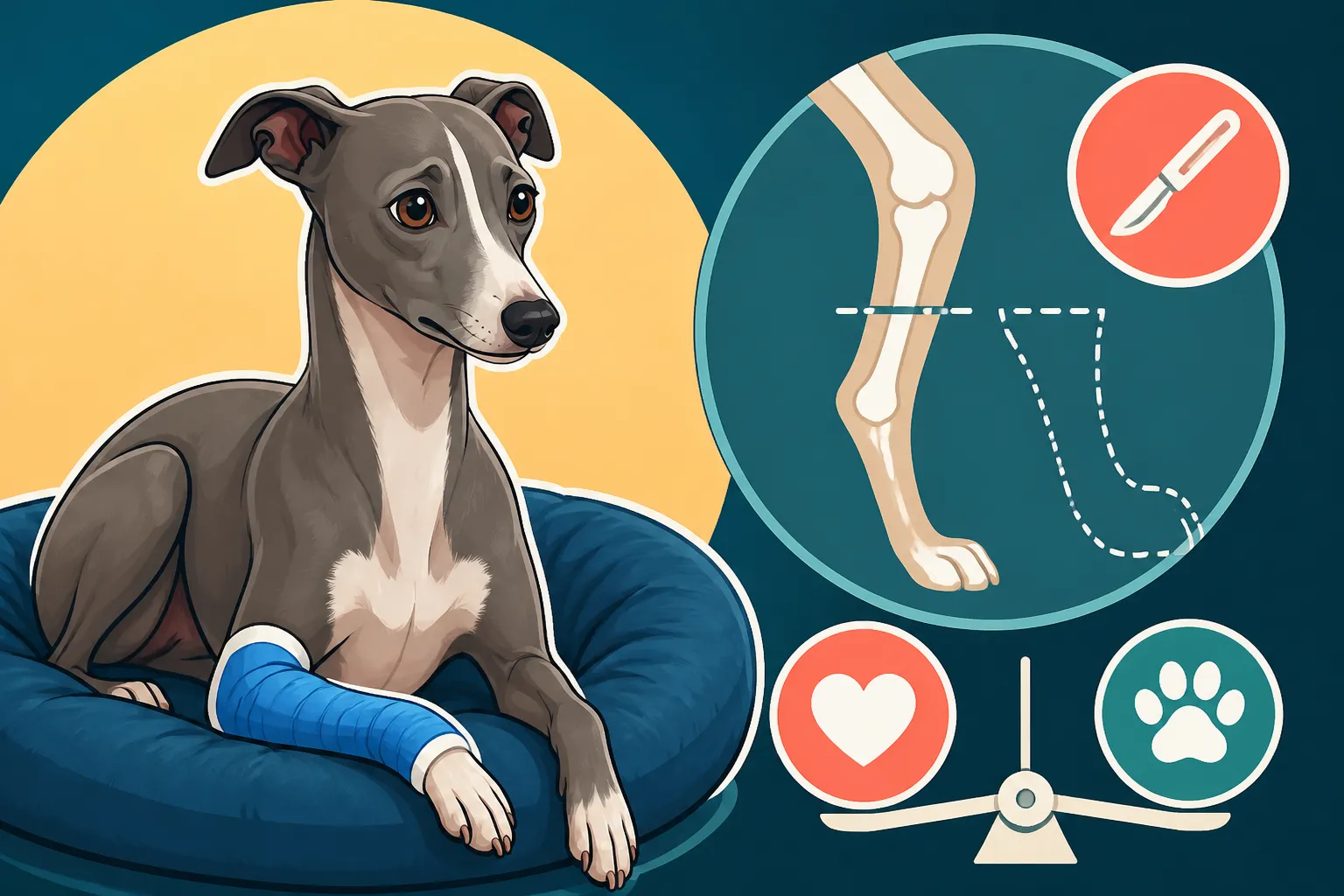
When Amputation Is Discussed for an Italian Greyhound
Facing the possibility of amputation for your beloved Italian Greyhound is one of the most heartbreaking and gut-wrenching decisions any pet parent can ever confront. It's a conversation filled with fear, guilt, and an overwhelming sense of responsibility, often coming after a long and arduous journey through injuries or illnesses that have already taken an emotional and financial toll. This guide aims to walk you through the difficult scenarios where amputation becomes a serious consideration, helping you understand the medical reasons, the tough choices involved, and what life can look like afterward for your resilient little companion.
Understanding Severe Injuries and Conditions in Italian Greyhounds
Italian Greyhounds, with their delicate bone structure and zest for life, are unfortunately prone to certain injuries and conditions that can lead to severe complications. When an injury or disease reaches a point where saving the limb becomes either impossible, impractical, or detrimental to the dog's overall well-being, amputation enters the discussion.
When Fractures Go Beyond Repair
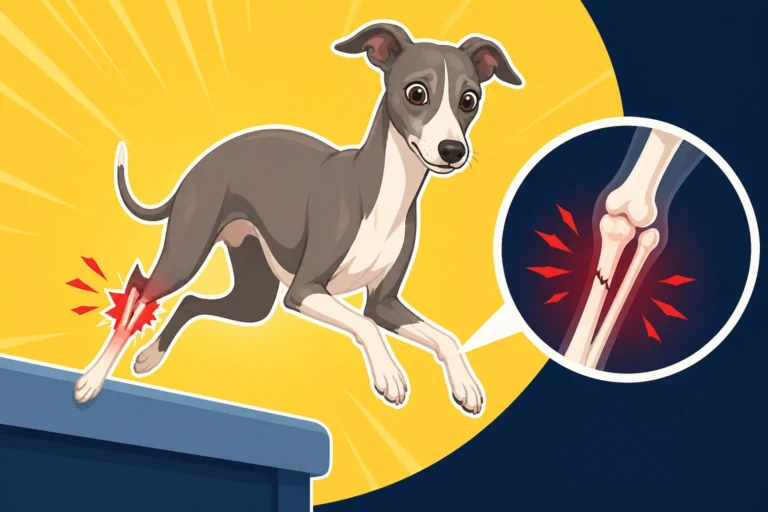
The sheer fragility of an Italian Greyhound's long, slender bones is a constant concern for owners. Many of us live in fear of the dreaded broken leg, and while many fractures can be successfully repaired, there are those devastating instances where the damage is simply too extensive or complex for a successful surgical fixation. We're not just talking about a clean break; sometimes, these injuries are far more severe.
Consider a comminuted fracture, where the bone shatters into multiple pieces, often seen when an Italian Greyhound has experienced a significant fall or impact. Reconstructing such a puzzle of fragments can be incredibly challenging, and sometimes impossible, especially in an area like the radius, which is a common fracture site for our Iggies. For a deeper understanding of why this specific bone is so vulnerable, you might want to read about Why an Italian Greyhound's Radius Is the Bone That Breaks. Or, imagine an open fracture, where the bone breaks through the skin, introducing bacteria and leading to a high risk of deep, aggressive infection. These situations not only make repair more complicated but also demand immediate, intensive intervention to prevent life-threatening complications.
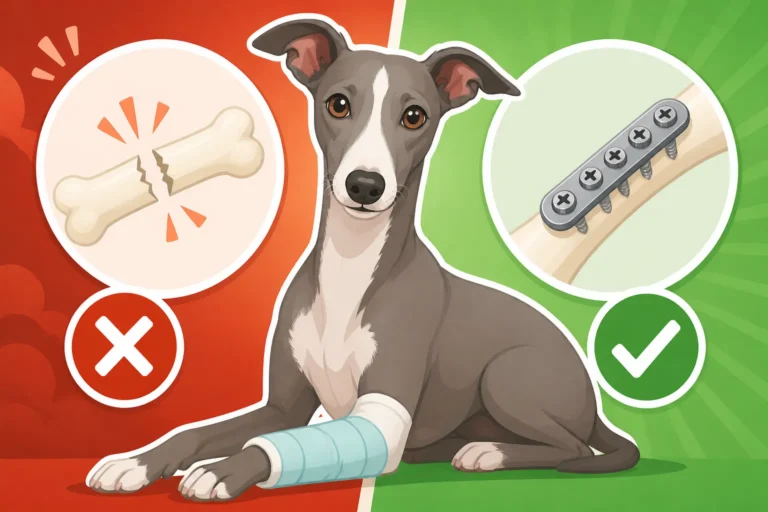
Then there are the unfortunate cases where a previous repair has failed. Perhaps pins and plates didn't hold as expected, or the bone never properly healed, leading to a non-union. We often see scenarios where the body's natural healing process just isn't enough, and even the most skilled surgical intervention can be undermined. This can be incredibly frustrating, especially after you've invested so much hope and resources into saving the limb. Sometimes, despite everyone's best efforts, infection sets in around the hardware, or the bone simply isn't viable, leaving a painful, non-functional limb. Issues like Why Pins Loosen in an Italian Greyhound's Bone can lead to repeated surgeries and, ultimately, the consideration of amputation.
Irreversible Tissue Damage and Infection
Beyond just the bones, severe trauma can also affect the surrounding soft tissues, nerves, and blood vessels to an irreversible degree. A deep laceration, a crush injury, or even a severe bite can compromise the blood supply to a limb, leading to tissue death (necrosis) or gangrene. Once tissue dies, it cannot be revived, and it becomes a source of profound infection and systemic illness.
Aggressive bacterial infections, particularly those that invade the bone itself (osteomyelitis), can also be a relentless battle. While antibiotics are usually the first line of defense, some infections prove resistant, or the bone damage is so extensive that the infection cannot be cleared. These persistent, deep-seated infections cause immense pain, can spread throughout the body, and pose a severe risk of sepsis – a life-threatening systemic inflammatory response. In such cases, removing the infected limb might be the only way to save the dog's life and eliminate the source of chronic suffering. It's a drastic measure, but sometimes it's the kindest one when facing a limb that is essentially decaying and poisoning the rest of the body.
Chronic Pain and Quality of Life Considerations
The most heart-wrenching reason to consider amputation often boils down to one word: pain. Our Iggies are masters at hiding discomfort, a survival instinct that can make it even harder for us to gauge their true suffering. When a limb becomes a constant source of agony, diminishing their quality of life beyond what any loving owner would want for their pet, amputation shifts from a last resort to a compassionate choice.
Unmanageable Pain Despite Treatment
Imagine your normally vivacious Italian Greyhound, once zipping around the house or cuddling intently, now hesitant to move, constantly licking a limb, whimpering, or struggling to find a comfortable position. This is the reality when pain becomes unmanageable. We're talking about persistent, debilitating pain that doesn't respond adequately to a regimen of strong pain medications, anti-inflammatory drugs, acupuncture, laser therapy, or even multiple attempts at corrective surgery.
The impact isn't just physical. Chronic pain takes a massive toll on a dog's mental and emotional well-being. They might lose their appetite, become withdrawn, snap unexpectedly, or show signs of anxiety and depression. They stop engaging in the activities they once loved – no more joyful zoomies, no more leaping onto the sofa for snuggles (or attempting to, at least). The emotional burden on you, the owner, is equally profound, watching your beloved companion suffer daily. It's a constant tightrope walk between wanting to save every part of them and knowing that the limb itself is the source of their misery. We often forget how stoic Italian Greyhounds can be, and understanding How an Italian Greyhound Hides Pain is crucial for recognizing true suffering. When all avenues of pain management have been exhausted, and the limb remains a source of agony, amputation can be the path to freedom from chronic pain.
Degenerative Conditions Progressing Beyond Intervention
While fractures are often acute events, some conditions unfold more slowly, relentlessly worsening over time until they reach a critical point. Aggressive forms of bone cancer, like osteosarcoma, are perhaps the most common example here. While limb-sparing surgery can sometimes be an option, it's not always feasible, especially if the tumor is large, located in a difficult area, or has already spread (metastasized) to other parts of the body. In these cases, even if surgery removes the visible tumor, the goal shifts to pain control and preventing further spread. Amputation, followed by chemotherapy, can dramatically improve the quality of life by removing the primary source of excruciating bone pain, even if the long-term prognosis for cancer itself remains guarded.
Similarly, severe, irreversible joint damage, whether from advanced arthritis, severe Legg-Calve-Perthes disease that hasn't responded to treatment, or other degenerative conditions, can render a limb more of a burden than a benefit. Imagine an Italian Greyhound with such severe Arthritis in an Italian Greyhound's Healed Leg that every step is agonizing, or a limb so compromised by neurological issues that it drags uselessly, causing sores and impeding movement. In such scenarios, the limb is no longer serving its purpose but actively detracting from the dog's mobility and happiness. While our Iggies are known for their longevity, often living for Why an Italian Greyhound Lives Fourteen to Fifteen Years, chronic pain can steal years of joy. When conservative treatments and even complex joint surgeries offer no lasting relief, removing the problematic limb can give an Italian Greyhound a new lease on life, allowing them to adapt and move more comfortably on three legs.
The Difficult Conversation: When Vets Recommend Amputation
The moment your veterinarian suggests amputation is likely one of the hardest conversations you'll ever have. It's a serious recommendation, not made lightly, and it's essential to approach it with a clear understanding of what it means for your Italian Greyhound's future.
Assessing the Prognosis and Functional Outcome
When amputation is on the table, your veterinary team, likely including specialists like orthopedic surgeons or oncologists, will undertake a comprehensive assessment. They aren't just looking at the injured limb; they're looking at your Italian Greyhound as a whole. This includes evaluating the full extent of the injury or disease, your dog's age, their current overall health, any other concurrent medical conditions, and their temperament. Can they physically adapt to three legs? What's their energy level? Are they generally a resilient dog?
The discussion will center on the prognosis with and without amputation. Sometimes, choosing amputation isn't about giving up; it's about giving your dog the best possible chance at a pain-free and functional life. For many conditions, especially certain types of aggressive cancers or unfixable, severely painful fractures, amputation can actually lead to a significantly better long-term quality of life than attempting to save a compromised limb. They'll consider whether your Italian Greyhound might Whether an Italian Greyhound Regains Full Use of the Leg after a limb-sparing procedure, or if amputation would offer a more predictable and less painful outcome. These discussions are incredibly thorough, much like the process of Finding a Surgeon Who Has Plated an Italian Greyhound for complex fracture repairs, as you want the most experienced hands and minds on your case.
Here’s a simplified breakdown of factors vets consider:
| Factor | Considerations for Amputation |
|---|---|
| Severity of Injury/Disease | Irreparable fractures (e.g., comminuted, open, infected), aggressive cancers (e.g., osteosarcoma), severe nerve damage, extensive tissue necrosis, uncontrollable infection. |
| Chronic Pain | Persistent, debilitating pain not managed by medication or other therapies, severely impacting quality of life and general demeanor. |
| Functional Outcome | Unlikely to regain functional use of the limb, or the limb would remain a source of chronic lameness, weakness, or discomfort, hindering normal movement. |
| Failed Treatments | Previous surgeries (e.g., fracture repair, tumor removal) or intensive medical treatments have been unsuccessful, leading to worsening condition or new complications. |
| Risk to Overall Health | The diseased or injured limb poses a significant threat of systemic infection (sepsis), cancer metastasis, or other life-threatening complications. |
| Adaptation Potential | The dog's age, weight, overall physical condition, and resilient temperament suggest a strong likelihood of adapting well to three legs and maintaining a good quality of life. |
Financial and Emotional Factors in Decision Making
Let's be real: veterinary care, especially specialized surgery, is incredibly expensive. The journey to considering amputation often involves multiple vet visits, diagnostics, previous surgeries, and ongoing medications. When you're facing a recommendation for amputation, the financial implications are impossible to ignore. A complex fracture repair alone can run into thousands of dollars, as detailed in What Fracture Repair Costs on an Italian Greyhound, and failed surgeries can mean those costs are compounded. Amputation itself is a major surgery, followed by recovery and potentially further treatments.
This is where pet insurance, like Healthy Paws, can become a lifesaver for many families. While policies vary, a good insurance plan can significantly alleviate the financial strain of such extensive veterinary care, allowing you to focus on your dog's health rather than your wallet. However, it's vital to understand what your specific policy covers, especially regarding pre-existing conditions or failed therapies, so you know exactly where you stand. For many, having pet insurance makes the difference between being able to afford life-saving treatment and facing an impossible choice.
Beyond the money, the emotional toll is immense. Owners grapple with guilt – did I do enough? Could I have prevented this? – and fear for their dog's future. The thought of their beloved Italian Greyhound with only three legs can be deeply upsetting. It's okay to feel overwhelmed, sad, and even angry. This isn't just a pet; it's a family member. Seeking support from your veterinary team, trusted friends, family, or even online communities of "tripawd" owners can provide invaluable emotional solace and practical advice during this incredibly challenging time. Remember, the decision is about your Italian Greyhound's quality of life, not about your own feelings of inadequacy.
Life After Amputation: Adaptation and Recovery
It's natural to worry endlessly about how your little Italian Greyhound will cope after losing a limb. Will they be able to run? Play? Live a normal life? The good news is that Italian Greyhounds are remarkably resilient, and many adapt to life on three legs with an astonishing spirit and surprising ease.
Immediate Post-Operative Care and Pain Management
The first few days and weeks after amputation surgery are crucial. Your Italian Greyhound will need intensive post-operative care, which includes meticulous wound care at home and strict adherence to a pain management plan. Your vet will prescribe powerful pain medications to ensure your dog is as comfortable as possible during the initial healing phase. Preventing infection and monitoring the incision site for any complications are paramount.
During this time, activity will be severely restricted. Your Iggy will need a quiet, comfortable space to recover, with short, controlled outings for potty breaks. This can be a challenge for an Italian Greyhound, who might typically enjoy bouncing around, but it's essential for proper healing. Fortunately, being lightweight, Italian Greyhounds often have an easier time adjusting to three legs than larger, heavier breeds. They usually regain their balance and mobility much faster than you might anticipate. Many owners are genuinely amazed at how quickly their Iggies bounce back, often moving more freely and happily than they did with their painful fourth limb.
Long-Term Adaptation and Quality of Life
Once the initial recovery phase is over, the focus shifts to long-term adaptation. While most Italian Greyhounds adjust beautifully, a little help from their human companions can go a long way. Physical therapy, which might include gentle range-of-motion exercises or controlled walks, can help build strength in their remaining limbs and improve overall balance. Some dogs might benefit from assistive devices, though many Iggies, especially those who lose a front leg, manage perfectly well without them. If the rear leg is amputated, a custom-fit cart can be considered for longer walks, though again, many manage without.
Environmental modifications around the home can also make a huge difference. Think about providing non-slip rugs on hardwood or tile floors to prevent slips and falls as they navigate their new gait. Installing Ramps and Steps for an Italian Greyhound's Furniture is always a good idea for Iggies, but becomes even more critical for a tripod to avoid risky jumps that could strain their remaining limbs or cause further injury. A comfortable, orthopedic bed can also provide extra support for their joints.
The most reassuring thing to remember is that the vast majority of Italian Greyhounds who undergo amputation go on to live full, happy, and pain-free lives as "tripods." They learn to run, play, and cuddle with the same enthusiasm they always had, often with a newfound spring in their step because the source of their chronic pain has been removed. It’s a testament to their incredible spirit and resilience, and to the loving care you provide in helping them embrace their new normal. Remember, the goal is always a good quality of life, and for many Italian Greyhounds facing severe limb issues, amputation is not an end, but a vibrant new beginning.
Disclaimer
The information provided in this article is for general informational purposes only and is not a substitute for professional veterinary advice. Always consult with a qualified veterinarian or specialist regarding any medical conditions or treatment options for your Italian Greyhound.