The Age Legg Calve Perthes Shows in an Italian Greyhound
Finding out your beloved Italian Greyhound puppy is limping can be heartbreaking, and if you’ve been told it might be Legg-Calve-Perthes disease, you’re likely grappling with a mix of fear, confusion, and a desperate need for information. This guide aims to demystify Legg-Calve-Perthes, particularly focusing on when this challenging condition typically appears in Italian Greyhounds, what signs to watch for, and how it’s diagnosed, so you can be prepared and advocate for your furry companion.
Understanding Legg-Calve-Perthes Disease in Italian Greyhounds
Legg-Calve-Perthes disease, often simply called LCP, is a rather mouthful of a name for a condition that can seriously impact a young Italian Greyhound's mobility and comfort. It’s not something you want your dog to face, but understanding it is the first step toward effective management.
What Legg-Calve-Perthes Actually Is
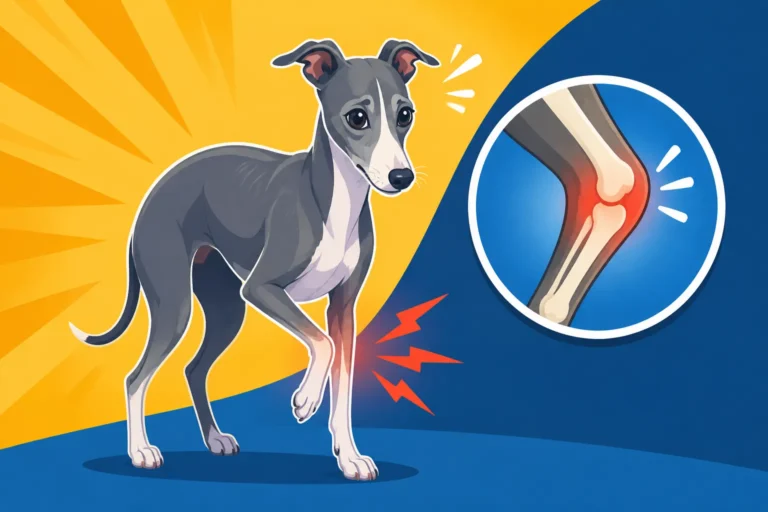
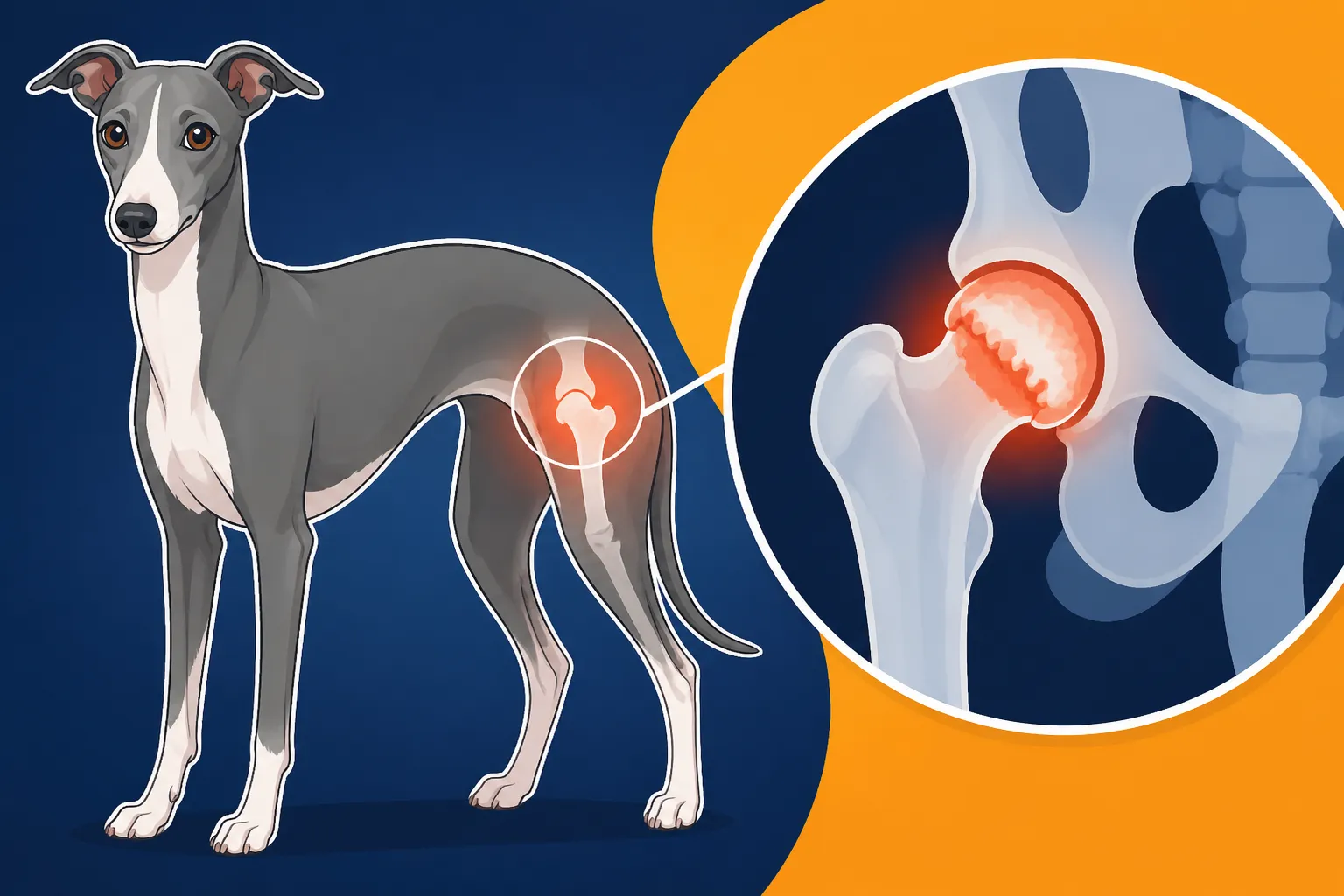
At its core, Legg-Calve-Perthes is a disorder of the hip joint, specifically affecting the femoral head – the ball part of the ball-and-socket joint that connects the thigh bone (femur) to the pelvis. In LCP, there's an interruption of blood supply to this femoral head. Without adequate blood flow, the bone cells in that area start to die, leading to a condition called avascular necrosis. Imagine a tiny, critical part of your puppy’s growing hip bone literally starving for nutrients. This process causes the femoral head to weaken, flatten, and eventually crumble, leading to inflammation, pain, and degenerative joint disease. It’s a bit like a tiny, perfectly formed marble slowly deteriorating within its socket, losing its smooth surface and causing friction and agony with every movement. This is what Legg-Calve-Perthes Does to an Italian Greyhound, and it can be profoundly painful.
Why Italian Greyhounds Are Particularly Susceptible
Italian Greyhounds, along with other small breed dogs like Terriers and Miniature Poodles, are disproportionately affected by Legg-Calve-Perthes disease. While the exact cause isn't fully understood, it's widely believed to have a strong genetic component, suggesting it's an inherited condition. It's not usually caused by trauma, although a minor injury might exacerbate or reveal an already developing problem. Think of it this way: your Italian Greyhound is genetically predisposed to this delicate blood supply issue in their developing femoral head. It’s not something you did wrong; it's an unfortunate roll of the dice in their genetic makeup. Because Italian Greyhounds are known for their delicate bone structure and active, high-energy bursts, any instability or pain in their hips can manifest quickly and dramatically. Their lightweight, fine-boned build might make them seem less prone to orthopedic issues, but LCP specifically targets the growth of that critical hip joint.
The Typical Age of Onset for Legg-Calve-Perthes
One of the most crucial pieces of information for Italian Greyhound owners is knowing when to be on high alert for Legg-Calve-Perthes. This disease is predominantly seen in growing puppies, not adult dogs.
Early Signs to Watch For in Young Italian Greyhounds
Legg-Calve-Perthes typically manifests during the active growth phase of a puppy, usually between 4 and 12 months of age. While some cases might pop up as early as 3 months or as late as 18 months, the sweet spot for symptoms appearing is right when your Italian Greyhound puppy is truly coming into their own, exploring, and playing with gusto.
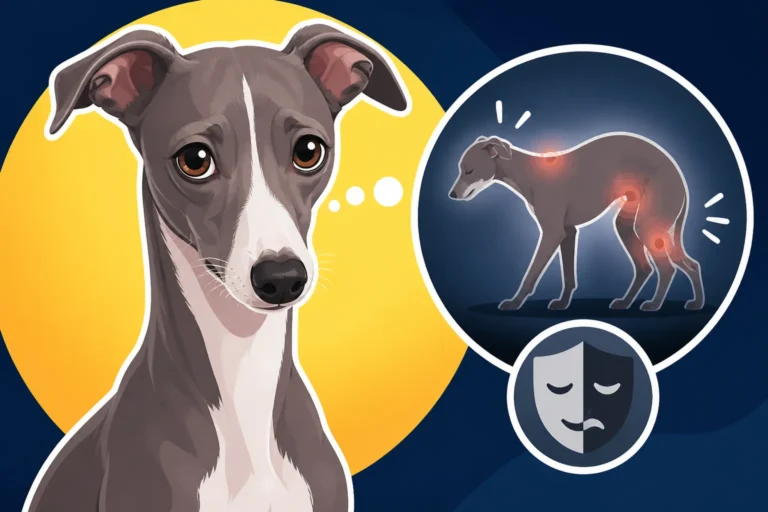
The earliest signs can be subtle, and as Italian Greyhounds are quite stoic and known for attempting to hide pain, you might not notice a dramatic lameness right away. Look for:
- Intermittent lameness: Your puppy might limp on one of their hind legs after exercise, but then seem fine after resting. This can be misleading because it comes and goes.
- Gradual onset of pain: You might notice they're hesitant to put weight on a leg, or they might yelp when touched around the hip area. They might avoid jumping or climbing stairs, activities they once loved.
- Muscle atrophy: Over time, the affected leg might start to look thinner compared to the other. This is because the puppy is avoiding using it, leading to muscle wastage.
- Chewing or licking at the hip area: This can be a sign of discomfort.
- Reluctance to play or run: A puppy that usually loves to zoom might become more subdued.
For many owners, the first hint is a subtle shift in gait, a slight hitch, or a reluctance to engage in their usual spirited play. If you notice any Signs an Italian Greyhound Puppy Has Hip Pain, don't hesitate to contact your veterinarian. Early intervention can make a significant difference.
How Quickly Symptoms Can Progress
Once the symptoms begin, they can unfortunately progress relatively quickly. What starts as an intermittent limp can become a constant lameness within a few weeks or months. The pain intensifies as the femoral head continues to degenerate and crumble, and the joint becomes more inflamed.
Consider this scenario: You have a lively 6-month-old Italian Greyhound, zipping around the house and garden. One day, you notice a slight skip in their step after a particularly enthusiastic play session. You rest them, and it seems to clear up. A week later, the skip is back, and this time, it’s more persistent. They start holding the affected leg up occasionally, almost as if it's "stuck," or they might just start hopping on three legs. Within another few weeks, the muscle in that thigh might visibly shrink, and they might become reluctant to let you touch their hip. This rapid progression is common with LCP, highlighting why prompt veterinary assessment is so important. Delaying a diagnosis can lead to more significant damage to the joint and more intense pain for your puppy. Because How an Italian Greyhound Hides Pain so well, you really need to pay close attention to subtle changes.
Diagnosing Legg-Calve-Perthes in Your Italian Greyhound
Getting an accurate diagnosis is paramount for managing Legg-Calve-Perthes effectively. Your veterinarian will use a combination of physical examination and imaging to confirm the condition.
Initial Veterinary Examination and What to Expect
When you bring your Italian Greyhound in with concerns about lameness or hip pain, your vet will start with a thorough physical examination. This usually involves:
- Palpation: The vet will gently feel your dog's hips, legs, and spine, checking for tenderness, swelling, and muscle mass. They'll be looking for signs of pain when manipulating the hip joint, especially during extension and rotation.
- Gait analysis: They’ll observe your Italian Greyhound walking and trotting to assess the lameness, identifying which leg is affected and the severity of the limp. They might ask you about when you first noticed the limp, if it gets worse with exercise, and if your dog seems to be in pain.
- Range of motion: The vet will carefully check the range of motion in the hip joint, noting any stiffness, crepitus (a grinding sound), or pain during movement.
It's important to be completely honest and detailed about your observations at home, even the seemingly minor ones. Every bit of information helps your vet piece together the puzzle. Knowing that The First Year With an Italian Greyhound Puppy is crucial for monitoring their health and development.
The Role of X-rays and Imaging
While the physical exam can raise suspicion, X-rays are the definitive diagnostic tool for Legg-Calve-Perthes. Your vet will likely recommend radiographs of your Italian Greyhound's hips. For an accurate diagnosis, your dog will need to be still, which often means mild sedation or anesthesia. This can be a concern for some Italian Greyhound owners due to their unique physiological responses to sedation, so it's good to ensure Why Anesthesia Is Handled Differently in an Italian Greyhound.
What the X-rays reveal is quite specific:
- Early stages: In the very early stages, X-rays might show subtle changes, like slight flattening or irregularity of the femoral head. There might also be increased space in the hip joint due to cartilage changes.
- Progressed stages: As the disease advances, the X-rays will clearly show a significant flattening and irregular shape of the femoral head, often described as "moth-eaten" or "mushroom-shaped" due to the bone necrosis. There might also be signs of secondary osteoarthritis, such as bone spurs (osteophytes) and thickening of the joint capsule.
Comparing the affected hip to the healthy one (if only one is affected, as is often the case) helps to confirm the diagnosis. Sometimes, your vet might recommend additional imaging, like an MRI, but typically, standard X-rays are sufficient to diagnose LCP.
| Age of Onset (Approx.) | Common Symptoms | Diagnostic Clues |
|---|---|---|
| 4-6 Months | Intermittent limping, slight discomfort, hesitant | Physical exam shows mild pain/limp; X-rays may be subtle |
| 6-9 Months | Consistent limping, muscle atrophy, noticeable pain | Clear physical signs; X-rays show definite femoral head changes |
| 9-12+ Months | Severe lameness, significant muscle loss, pain | Marked physical pain; X-rays show advanced degeneration |
Management and Prognosis for Affected Italian Greyhounds
Once Legg-Calve-Perthes is diagnosed, your vet will discuss the best course of action. The treatment approach depends on the severity of the disease and your Italian Greyhound's individual condition.
Conservative vs. Surgical Approaches
There are generally two pathways for treating LCP:
-
Conservative Management: This approach is typically reserved for very mild, early-stage cases, or when surgery isn't an option. It involves strict crate rest, pain medication, anti-inflammatory drugs, and physical therapy. The goal is to reduce pain and inflammation, and encourage any remaining blood supply to help the femoral head remodel. However, for most Italian Greyhounds, conservative management often only provides temporary relief, and the underlying issue of bone degeneration may continue. It’s a demanding commitment, requiring several weeks to months of carefully controlled activity.
-
Surgical Intervention: For the majority of Italian Greyhounds with Legg-Calve-Perthes, surgery is the most effective and often recommended treatment. The most common procedure is a Femoral Head Ostectomy (FHO). During an FHO, the damaged femoral head is surgically removed. Don't let the idea of removing part of a bone scare you; the body then forms a "false joint" of fibrous tissue, which, combined with strong hip muscles, allows the dog to move without the painful bone-on-bone grinding. Recovery involves a structured rehabilitation program, including physical therapy, to build muscle strength and restore mobility. It’s worth exploring Whether Legg Calve Perthes in an Italian Greyhound Needs Surgery and understanding the full scope of the procedure. While the prospect of surgery can be daunting, many owners find it offers the best chance for their dog to live a pain-free life. Financial considerations are certainly a factor, and understanding What Femoral Head Surgery Costs on an Italian Greyhound is crucial for planning. This is where pet insurance, such as a plan from Healthy Paws, can be incredibly helpful in mitigating unexpected veterinary expenses.
Long-Term Outlook and Quality of Life
The prognosis for Italian Greyhounds who undergo successful FHO surgery for Legg-Calve-Perthes is generally very good. Most dogs regain excellent use of their leg and live happy, active, pain-free lives. The key to a good outcome is diligent post-operative care and rehabilitation. Physical therapy is non-negotiable and plays a vital role in strengthening the muscles around the new false joint. It's often amazing to see How an Italian Greyhound Runs After Hip Surgery once they've fully recovered.
After recovery, you might need to make some adjustments to their exercise routine, but typically, Italian Greyhounds can return to most of their usual activities. Maintaining a healthy weight is also important to minimize stress on their joints. While the recovery period demands patience and commitment, knowing that your beloved companion will likely be free from chronic pain makes it all worthwhile. Pet insurance providers like Healthy Paws can also offer support for ongoing physical therapy and follow-up care, making the long-term management more manageable.
Preventing future orthopedic issues is always a concern for Italian Greyhound owners, especially given that A Broken Leg Is the Emergency Every Italian Greyhound Owner Fears. While LCP isn't directly preventable once the genetic predisposition is there, managing their environment and ensuring proper bone development by not over-exercising a young puppy, particularly before The Age an Italian Greyhound's Bones Finish Hardening, is always wise. If you're considering getting an Italian Greyhound puppy, always ask the breeder about the health history of the parents and any prevalence of LCP in their lines, as responsible breeders actively try to breed away from such conditions. Finding a vet who truly understands sighthounds and their unique needs, like Why an Italian Greyhound's Vet Should Know Sighthounds, is also invaluable throughout your dog's life.
Disclaimer
This article is intended for informational purposes only and does not constitute veterinary advice. Always consult with a qualified veterinarian for any health concerns or before making any decisions about your Italian Greyhound's care.