Whether an Italian Greyhound’s Hair Grows Back After Alopecia
Discovering bald patches or thinning hair on your beloved Italian Greyhound can be incredibly disheartening, especially when you've noticed their once sleek, fine coat becoming sparse and dull. It’s a common and often frustrating journey for many owners of Iggies with certain coat colors, leaving you to wonder if that hair will ever return to its former glory. This comprehensive guide will delve into Color Dilution Alopecia (CDA), explaining exactly why it happens and what you can realistically expect regarding hair regrowth for your furry friend.
Understanding Color Dilution Alopecia in Italian Greyhounds
Color Dilution Alopecia (CDA) is a hereditary skin condition that primarily affects dogs with "dilute" coat colors, like blues (grey) and fawns. For Italian Greyhounds, this means our beautiful blue Iggies and sometimes fawns are particularly susceptible. It's not a superficial cosmetic issue, but a genuine genetic predisposition that leads to fragile hair shafts and poor coat quality, eventually resulting in hair loss. It’s important to understand that this isn't just a patch of dry skin; it's a deep-seated issue within the hair follicles themselves, making it a challenging condition to truly reverse.
The Genetics Behind the Hair Loss
The root cause of CDA lies in a specific gene, known as the D locus (dilute gene), which is responsible for diluting a dog's base coat color. For instance, black becomes blue, and liver becomes Isabella (fawn). While this gene creates stunning and unique coat colors that many adore, it unfortunately has a downside for some breeds, including Italian Greyhounds. The dilute gene causes an abnormal distribution of melanin (pigment) in the hair shaft. Instead of being evenly distributed, the pigment clumps together, weakening the hair shaft and making it prone to breakage. This also affects the structure of the hair follicle itself, often leading to abnormal development and an inability to produce healthy, robust hair. This is why you often see a blue Italian Greyhound with a thin coat, even if they aren't fully bald yet; the hair simply isn't as strong as it should be.
This genetic issue means that while two parents might not outwardly show signs of severe alopecia, if both carry the dilute gene, their offspring can inherit two copies and be affected. This is crucial for responsible breeders to understand, as screening can help mitigate the risk. You might find it useful to read more about Which Italian Greyhound Colors Carry the Alopecia Risk to deepen your understanding of the genetic component.
Typical Appearance and Progression of CDA
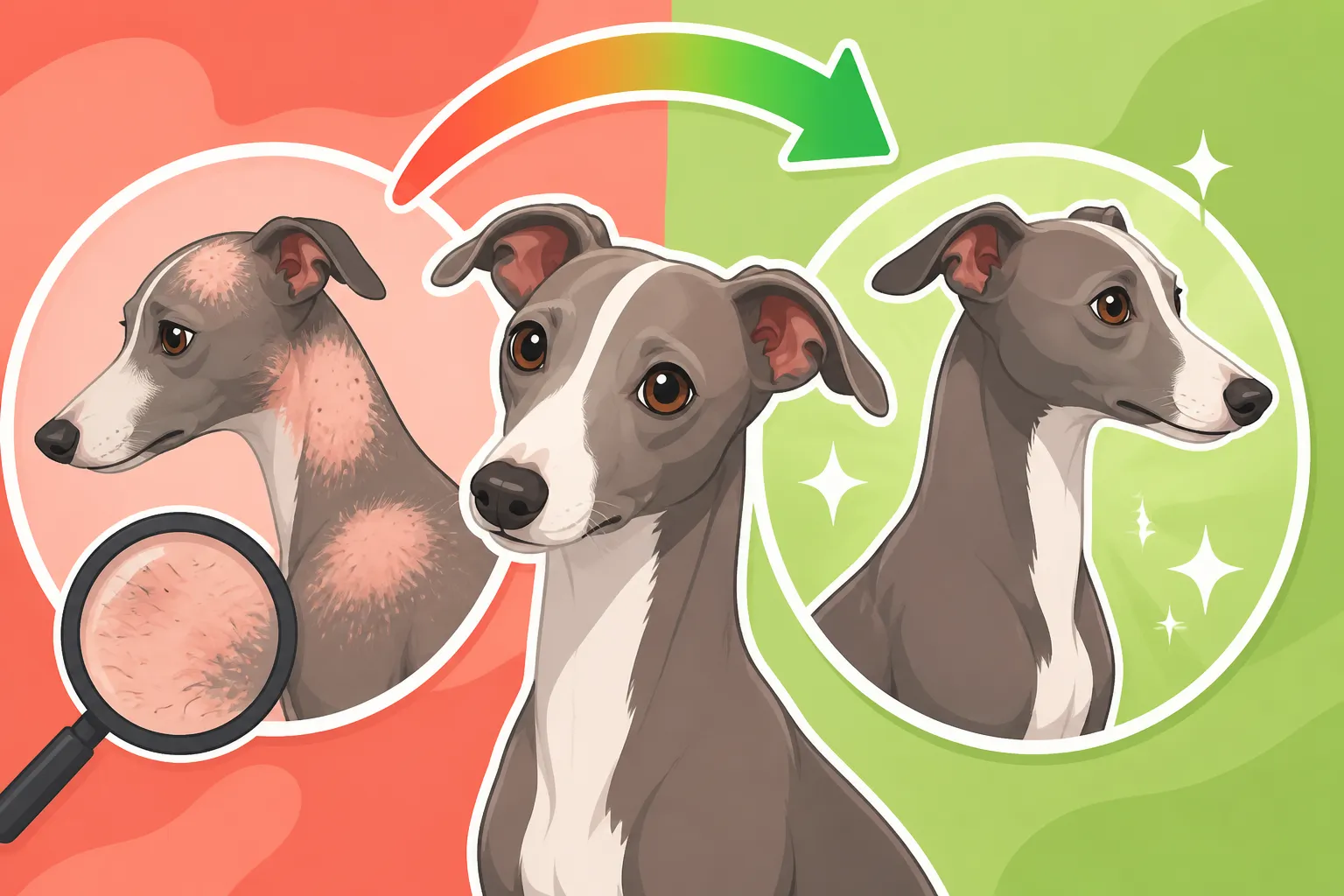
The onset of Color Dilution Alopecia typically begins with a subtle thinning of the coat, often noticed on the ears, chest, and back. For many Italian Greyhound owners, this might start appearing anywhere from six months to three years of age, though it can sometimes manifest later. Initially, it might just look like sparse hair, but over time, these areas progress to complete baldness, leaving patches of delicate, exposed skin. The skin in these affected areas can also become dry, flaky, and sometimes scaly. You might even notice blackheads or bumps, indicating secondary bacterial infections due to the compromised skin barrier. The texture of the remaining hair, even in unaffected areas, may feel coarser or more brittle.
It's a disheartening process to watch, feeling helpless as your dog's once soft, fine fur disappears. Owners often describe the hair on their dog's back thinning, sometimes dramatically, leaving them looking quite different. For a blue Italian Greyhound, you might particularly notice Why a Blue Italian Greyhound Thins on the Back, as their genetic predisposition makes them highly vulnerable. These changes aren't just cosmetic; the exposed skin is far more vulnerable to environmental factors, which leads us to the critical aspect of care.
Can Hair Regrow After Color Dilution Alopecia?
This is often the million-dollar question for Italian Greyhound owners grappling with CDA, and the answer, unfortunately, needs to be grounded in realism. For most Iggies affected by Color Dilution Alopecia, a full, dense regrowth of hair to its original state is highly unlikely. It’s a permanent genetic condition that fundamentally alters the hair follicles. While some dogs might experience periods of very fine, sparse, or "peach fuzz" regrowth, it rarely provides significant coverage or protection, and it's almost never the thick, healthy coat you once knew. It's a challenging reality to face, as we all want to see our pets comfortable and looking their best.
Realistic Expectations for Hair Regrowth
When it comes to CDA, managing your expectations is key. Think of it less as a curable ailment where the hair will bounce back, and more as a lifelong condition that requires ongoing management. The hair follicles in affected areas are structurally compromised; they simply can't produce normal, strong hair. Any "regrowth" is typically a very fine, wispy undercoat, almost like a baby's hair, that offers minimal protection from the elements. This sparse growth may come and go, often depending on seasons, but it will never fully replace the lost coat.
It can be incredibly frustrating to try various remedies, hoping for a miracle, only to see minimal to no lasting improvement. This isn't a reflection of your efforts but rather the nature of the condition itself. Instead of focusing solely on regrowth, the shift in focus should really be towards maintaining healthy skin and preventing secondary complications. Understanding What Color Dilution Alopecia Does to an Italian Greyhound beyond just hair loss can help prepare you for this long-term care journey.
Factors That Might Influence Minimal Regrowth
While full regrowth isn't expected, certain factors can sometimes influence a very minor, temporary improvement or prevent further deterioration. It’s crucial to distinguish these from a permanent reversal of the condition.
Firstly, addressing any secondary bacterial or yeast infections is paramount. When the hair follicles are damaged, and the skin barrier is compromised, these infections are incredibly common. Treating them with appropriate antibiotics or antifungals, prescribed by your vet, can reduce inflammation and sometimes allow for a tiny amount of very fine hair to reappear temporarily. However, this isn't the hair growing back because the CDA is cured; it's simply the skin becoming healthier.
Secondly, general health and nutrition play a role in overall coat quality, even in an Italian Greyhound prone to CDA. A diet rich in essential fatty acids (like omega-3s and omega-6s), along with adequate protein and vitamins, supports skin health. While it won't reverse CDA, good nutrition can help maintain the integrity of the skin barrier and the quality of any remaining or sparse hair. Stress can also have an impact on a dog's coat, so a calm, stable environment is always beneficial. Lastly, environmental factors, such as constant friction from certain clothing or bedding, can exacerbate hair loss by irritating already delicate skin, so careful consideration of your dog's surroundings is important.
Managing Life with an Italian Greyhound with Alopecia
Living with an Italian Greyhound affected by Color Dilution Alopecia means shifting your focus from hoping for hair regrowth to diligently managing their skin health and ensuring their comfort. This isn't just about aesthetics; their skin, now more exposed and vulnerable, requires extra care to prevent infections, dryness, and environmental damage. It's a commitment, but one that ensures your sweet Iggy can live a happy, healthy life despite their unique coat challenges.
Protecting Your Italian Greyhound's Delicate Skin
With a compromised or absent coat, your Italian Greyhound's skin becomes remarkably delicate, much like paper-thin parchment. This increased fragility means they are far more susceptible to everyday hazards. Sunburn is a significant concern, especially in lighter-colored Iggies, and can lead to painful burns and increase the risk of skin cancers over time. Just as you'd protect your own skin, applying a pet-safe sunscreen to exposed areas before outdoor activities is a must. During peak sun hours, it's best to limit their exposure. For detailed advice, you might want to look into Sunburn on a Bald Italian Greyhound.
Beyond the sun, any form of friction or abrasion can easily cause irritation, cuts, or scrapes. Think about how easily your Iggy can get Cuts, Scrapes and an Italian Greyhound's Paper Thin Skin; this risk is magnified with alopecia. Soft, well-fitting clothing isn't just for warmth (though that's crucial too); it acts as a protective barrier against minor bumps, scrapes, and harsh weather. Choose breathable fabrics that don't irritate the skin. Regular moisturizing with veterinarian-approved lotions or sprays can also combat the dryness and flakiness often associated with CDA, helping to maintain the skin’s barrier function. When bathing, use a gentle, moisturizing shampoo designed for sensitive skin, and avoid harsh scrubbing.
Nutritional Support and Supplements
While no magic pill will regrow hair lost to CDA, certain nutritional interventions and supplements can significantly support skin health and potentially improve the condition of any sparse hair that does grow. Omega-3 and omega-6 fatty acids are superstars here. These essential fats, found in fish oil and certain plant oils, are vital for maintaining skin barrier integrity, reducing inflammation, and promoting a healthy coat. Many vets recommend daily supplementation, and you can often find high-quality supplements at your local pet store.
Another popular, though sometimes variable, supplement for CDA is melatonin. Some anecdotal evidence and small studies suggest that melatonin can help stimulate hair growth in certain forms of alopecia, including CDA, for some dogs. It's worth discussing with your veterinarian if Whether Melatonin Helps an Italian Greyhound's Coat is a viable option for your specific Iggy, as results can vary widely from dog to dog. Other supplements like zinc and vitamins A and E also play roles in skin and coat health, and your vet may suggest these based on your dog's overall diet and condition. Always ensure any supplements are vet-approved, as improper dosing can be harmful. The foundation, however, remains a high-quality, balanced diet that provides all necessary nutrients.
Addressing Secondary Skin Issues
The fragile skin of an Italian Greyhound with CDA is not only prone to environmental damage but also highly susceptible to secondary bacterial and yeast infections. These infections often manifest as redness, itching, pustules, scabs, or a yeasty odor, and they can cause significant discomfort for your dog. It's a vicious cycle: the compromised skin barrier makes them vulnerable, and the infection further damages the skin.
Regular veterinary check-ups are paramount to catch these issues early. Your vet can perform skin scrapes or cultures to identify the exact type of infection and prescribe targeted treatments, such as oral antibiotics, antifungals, or medicated shampoos. Left untreated, these infections can become chronic, painful, and even spread. Beyond medication, consistent at-home care, including medicated baths (if prescribed) and maintaining strict hygiene, is essential. This often means regular, gentle cleaning of skin folds and affected areas. Dealing with these secondary issues improves your dog's comfort and prevents further skin deterioration, even if it doesn't bring back the hair. Considering the ongoing need for vet visits and potential medications, having pet insurance, such as a plan from Healthy Paws, can be a real lifeline for managing these costs over your Italian Greyhound's lifetime.
Long-Term Outlook and Living Comfortably
While the absence of a full coat due to Color Dilution Alopecia can be a visual change, it's crucial to remember that CDA is primarily a cosmetic condition. It doesn't typically cause physical pain or significantly shorten your Italian Greyhound's lifespan, provided the secondary skin issues are managed effectively. The long-term outlook for an Iggy with CDA is generally good, centered on maintaining their comfort, protecting their delicate skin, and managing any concurrent skin problems.
It's about embracing your unique companion and adapting your care routine to meet their specific needs. This might mean investing in a wardrobe of Clothing an Italian Greyhound Is a Real Budget Line to keep them warm and protected, especially since Keeping an Italian Greyhound Warm Is Daily Work, Not a Winter Job is already a critical aspect of Iggy ownership. It also means regular communication with your veterinarian and a proactive approach to skin care. Many Italian Greyhounds with CDA live full, joyous lives, beloved by their families for their charming personalities, regardless of their sparse coats. The focus should always be on their quality of life, comfort, and well-being, accepting that their beautiful, yet fragile, appearance is simply part of who they are.
| Treatment/Intervention | Primary Goal | Expected Outcome for Hair Regrowth |
|---|---|---|
| Melatonin Supplementation | Stimulate hair follicles, support coat health | Variable; some sparse, fine fuzz may appear; not full regrowth. |
| Omega-3/Omega-6 Fatty Acids | Improve skin barrier, reduce inflammation | Support overall skin health, may enhance quality of existing hair; no new growth. |
| Medicated Shampoos/Topicals | Treat secondary infections, moisturize skin | Clears infections, improves skin comfort; may allow minimal fine hair if inflammation subsides. |
| Protective Clothing | Prevent sunburn, abrasions, keep warm | Protects exposed skin, prevents further damage; no direct hair regrowth. |
| Veterinary-Approved Sunscreen | Prevent sunburn | Protects skin from UV damage; no hair regrowth. |
| Addressing Infections (Antibiotics/Antifungals) | Eliminate bacteria/yeast | Resolves discomfort, improves skin health; very minimal chance of sparse temporary regrowth. |
Disclaimer
The information provided in this guide is for general educational purposes only and should not be considered a substitute for professional veterinary advice. Always consult with a qualified veterinarian for any health concerns or before making any decisions about your Italian Greyhound's care, diet, or treatment. Every dog is an individual, and what works for one may not work for another.