How Often an Italian Greyhound Gets Cancer
One of the most heartbreaking worries for any Italian Greyhound owner is the thought of their delicate companion facing a serious illness, and cancer often tops that list. It feels unfair, doesn't it, to imagine our lively, sweet little Iggies, who bring so much joy, suffering from such a devastating diagnosis? This guide is here to shed light on how often Italian Greyhounds encounter cancer, what types they might face, and crucially, what you as their loving owner can do to protect them and ensure they live the longest, healthiest life possible.
Understanding Cancer Risk in Italian Greyhounds
Let's be real, no dog breed is entirely immune to cancer. It's a disease that can affect any canine, just like it can affect humans. When you bring an Italian Greyhound into your life, you're investing in years of companionship, zoomies, and snuggles. Naturally, you want to know what health challenges might arise, and cancer is a big one. It's not about panicking, but about being informed and prepared.
General Cancer Incidence in Dogs
Globally, cancer is a leading cause of death in older dogs, with about 1 in 4 dogs developing cancer at some point in their lives, and nearly half of all dogs over the age of 10 succumbing to it. This statistic can be daunting for any dog owner, and Italian Greyhound parents are no exception. Our Iggies, known for their typically long lifespans, often live into their teens, which inherently puts them in an age bracket where cancer risk significantly increases. A healthy Italian Greyhound often lives fourteen to fifteen years, and as they age, the cumulative exposure to environmental factors and the natural aging process of their cells contribute to this elevated risk.
It's a stark reality that as our beloved companions mature, their bodies become more susceptible to cellular mutations that can lead to cancer. This isn't a reflection of poor care or bad luck, but simply a biological truth. For Italian Greyhounds, who are otherwise known for being a relatively healthy breed with fewer genetic predispositions to certain cancers compared to some larger breeds, the general canine cancer statistics still apply. This means vigilance and proactive care become even more important as they gracefully enter their senior years.
Specific Cancers Seen in Italian Greyhounds
While Italian Greyhounds don't have a uniquely high incidence of one particular type of cancer compared to other breeds, they can certainly develop the common canine cancers that vets see regularly. It's less about a breed-specific vulnerability and more about the general spectrum of cancers found in dogs. Some of the more prevalent types include:
- Lymphoma: This cancer affects the lymphatic system, which is part of the immune system. It can manifest in many ways, including swollen lymph nodes, lethargy, weight loss, and decreased appetite. Italian Greyhounds can develop lymphoma, just like any other breed, and it requires prompt veterinary attention for diagnosis and treatment.
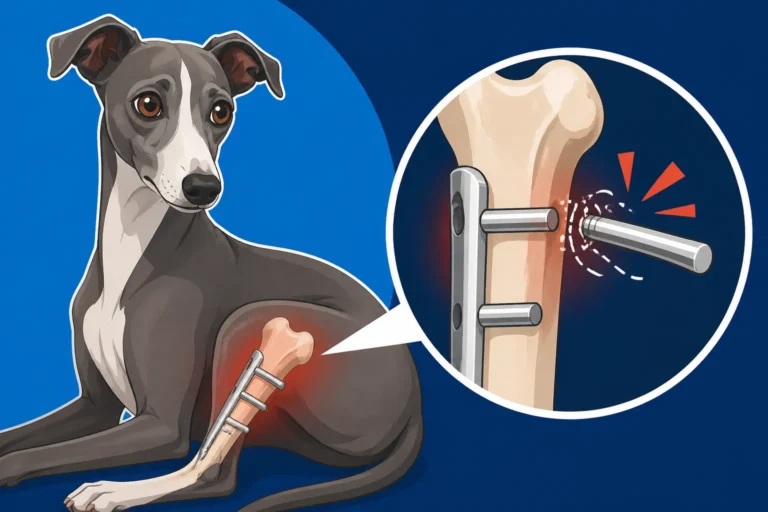
- Osteosarcoma: Although more common in larger breeds, osteosarcoma, an aggressive bone cancer, can affect Italian Greyhounds. Symptoms often include lameness, pain, and swelling in the affected limb. Given the delicate bone structure of Italian Greyhounds, especially their predisposed risk for conditions like a broken leg, any persistent lameness or swelling should be investigated immediately.
- Mast Cell Tumors: These skin tumors can appear as lumps or bumps on or under the skin. They can range from benign to very aggressive. It's crucial for any new lump on your Italian Greyhound to be checked by a vet, as early detection of mast cell tumors is vital for successful treatment.
- Hemangiosarcoma: This is a highly aggressive cancer of the blood vessel lining, often affecting the spleen, heart, or liver, and can also appear on the skin. It's particularly dangerous because it often progresses silently until it causes internal bleeding or organ failure.
Because Italian Greyhounds have such fine coats and delicate skin, it can sometimes be easier to feel lumps and bumps during routine petting than on a thicker-coated dog. This is actually an advantage for early detection. Make a habit of regularly running your hands over your IG's entire body, feeling for anything unusual.
Factors Influencing Cancer Development
Understanding the risk factors that contribute to cancer development can empower you to make informed decisions for your Italian Greyhound's health. It's not about pointing fingers or blaming, but about recognizing where we can make a difference in their care journey.
Age and Genetics
As mentioned, age is a primary driver of cancer risk. The longer an Italian Greyhound lives, the more time there is for cellular errors to accumulate, leading to cancer. This is just a natural part of aging, and since Italian Greyhounds are typically long-lived companions, owners need to be particularly vigilant in their later years. Caring for an Italian Greyhound past eleven means being extra attentive to their overall health, including watching for any changes that might signal the onset of cancer.
Genetics also play a role. While Italian Greyhounds aren't known for a particularly high incidence of hereditary cancers like some other breeds, responsible breeding practices are still paramount. A reputable breeder will health test their dogs for known genetic conditions and work to minimize the risk of passing on predispositions to various diseases. While cancer genetics are complex and often polygenic (meaning many genes contribute), choosing a puppy from lines with good longevity and no significant history of early-onset cancers can offer a small measure of reassurance. It’s also wise to inquire about the health history of the puppy’s parents and grandparents, as this can offer clues about potential inherited health issues.
Environmental and Lifestyle Contributions
Beyond age and genetics, the world your Italian Greyhound lives in and the lifestyle you provide also contribute to their overall health and cancer risk. Think of it as a holistic approach to wellness.
- Diet: A high-quality, balanced diet provides the essential nutrients your Italian Greyhound needs to maintain a strong immune system and healthy cellular function. While no diet can guarantee cancer prevention, feeding an Italian Greyhound that carries seventeen percent body fat with nutritious, whole foods can certainly support their overall well-being. Avoiding highly processed foods, artificial additives, and known carcinogens is a sensible approach.
- Exposure to Toxins: Our homes contain many potential hazards. From household cleaning products to lawn chemicals, pesticides, and even certain air fresheners, these can all introduce toxins into your Italian Greyhound's environment. Be mindful of what your IG is exposed to, especially since they spend so much time close to the ground. Opt for pet-safe cleaning products, avoid walking them on recently treated lawns, and ensure their food and water bowls are clean.
- Overall Health and Stress: Chronic inflammation, obesity, and prolonged stress can also impact a dog's immune system and cellular health, potentially increasing cancer risk. Ensuring your Italian Greyhound gets appropriate exercise, maintains a healthy weight, and lives in a low-stress environment are all crucial for their long-term health. Regular physical activity not only keeps their bodies fit but also contributes to their mental well-being, which is an often-overlooked aspect of overall health.
Recognizing the Signs of Cancer in Your Italian Greyhound
Early detection is absolutely critical when it comes to successfully treating cancer in dogs. Our Italian Greyhounds are masters at hiding pain and discomfort, often instinctually masking symptoms until a condition is quite advanced. This means you, as their dedicated human, need to be hyper-aware of subtle changes in their behavior and physical condition.
Common Symptoms to Watch For
It's natural to sometimes dismiss a slight change, thinking it's nothing serious, but with an Italian Greyhound, it's always better to be safe than sorry. Here are some common signs that might indicate cancer, or another underlying health issue, that warrant a vet visit:
- Lumps, Bumps, or Sores That Don't Heal: Any new growth, or an existing one that changes in size, shape, or texture, should be examined. Additionally, open sores or wounds that don't heal within a couple of weeks are concerning. Remember, an Italian Greyhound's paper-thin skin means you can often feel these changes quite easily.
- Weight Loss with No Change in Diet: If your Italian Greyhound is losing weight unexpectedly, despite eating normally, it's a red flag. Cancer cells consume a lot of energy, leading to cachexia (wasting) even in well-fed dogs.
- Loss of Appetite or Difficulty Eating: A sudden disinterest in food, or struggling to chew and swallow, can be a symptom. This could also be related to Periodontal Disease Is the Italian Greyhound's Most Common Diagnosis, but it's important not to assume.
- Lethargy or Decreased Activity: If your normally energetic IG seems unusually tired, less interested in walks or playtime, or sleeps more than usual, pay attention.
- Persistent Lameness or Stiffness: While Italian Greyhounds are prone to broken legs and other orthopedic issues, unexplained or persistent lameness, especially without a clear injury, could be a sign of bone cancer or tumors affecting joints.
- Difficulty Breathing, Urinating, or Defecating: Any struggle with these basic bodily functions is a serious sign. Tumors can obstruct airways or put pressure on internal organs.
- Unusual Odors, Discharge, or Bleeding: Foul odors from the mouth, ears, or any other body opening, along with abnormal discharge or unexplained bleeding, should never be ignored.
- Swelling in the Abdomen: A distended or firm abdomen can be a sign of internal tumors or fluid accumulation. This is particularly noticeable in the lean build of an Italian Greyhound.
The Importance of Regular Vet Check-ups
Regular veterinary check-ups are perhaps the single most important tool in early cancer detection. Your vet can spot subtle changes that you might miss, and routine bloodwork or other screenings can reveal underlying issues before clinical signs even appear. We all know how tempting it is to skip that annual visit if our dog "seems fine," but for the long-term health of your Italian Greyhound, it's non-negotiable.
During these check-ups, your vet will perform a thorough physical examination, checking lymph nodes, palpating the abdomen, listening to the heart and lungs, and assessing overall body condition. This is also your opportunity to discuss any changes you've observed, no matter how minor they seem. How often an Italian Greyhound needs a wellness exam is typically annually for adults and more frequently for puppies and seniors. For senior Italian Greyhounds, your vet might recommend twice-yearly check-ups, as their health can change more rapidly. These routine visits are invaluable for catching potential problems like The Heart Murmur an Old Italian Greyhound Develops or early signs of kidney disease, alongside keeping an eye out for cancer.
Proactive Steps for Cancer Prevention and Early Detection
As devoted Italian Greyhound owners, we want to do everything in our power to keep our companions healthy and happy. While we can't eliminate all risks, there are many proactive steps we can take to minimize cancer risk and improve the chances of early detection.
Lifestyle Choices for Healthier IGs
Creating a healthy lifestyle for your Italian Greyhound is a multi-faceted approach, encompassing diet, exercise, and reducing exposure to potential carcinogens.
- Optimal Nutrition: Provide a high-quality, balanced diet appropriate for their age and activity level. Some owners explore diets rich in antioxidants and anti-inflammatory ingredients, consulting with their vet or a veterinary nutritionist to ensure it meets all nutritional requirements. Avoid overfeeding, as maintaining a lean body condition is crucial. Obesity contributes to chronic inflammation and can increase the risk of certain cancers.
- Regular, Appropriate Exercise: While Italian Greyhounds love their zoomies, they also need consistent, moderate exercise. This helps maintain a healthy weight, supports a strong immune system, and promotes overall well-being. A couple of brisk walks a day, combined with safe playtime in a securely fenced yard, is usually sufficient. Just be mindful of their delicate bones and avoid activities that could lead to a broken leg.
- Minimizing Toxin Exposure: Be diligent about what your Italian Greyhound comes into contact with. Use non-toxic cleaning products, keep medications and chemicals out of reach, and avoid smoking around your dog. Consider air purifiers for your home and ensure their water is filtered. Even seemingly innocuous things like flea and tick preventatives should be chosen carefully with your vet's guidance, balancing protection with minimal chemical exposure.
- Spaying/Neutering Considerations: Discuss spaying or neutering with your veterinarian. While there are pros and cons to timing, spaying female dogs before their first heat can significantly reduce the risk of mammary tumors, a common type of cancer in intact females.
Veterinary Screenings and Diagnostics
Beyond annual check-ups, your vet may recommend specific screenings, especially as your Italian Greyhound ages. These diagnostic tools are invaluable for catching issues early.
- Annual Bloodwork: Comprehensive blood panels, including a complete blood count (CBC) and a chemistry panel, can provide a snapshot of your IG's internal health. These tests can reveal abnormalities in organ function, blood cell counts, and other markers that might indicate disease, including some cancers, even before symptoms appear. This is standard practice before any procedure requiring anesthesia, so bloodwork before an Italian Greyhound's anesthesia is a common recommendation, but it's also excellent for routine health monitoring.
- Urinalysis: A routine urinalysis can detect issues with kidney function, urinary tract infections, and sometimes even bladder cancers.
- Imaging (X-rays, Ultrasound): For older Italian Greyhounds or those showing non-specific symptoms, your vet might recommend periodic imaging. For example, abdominal ultrasounds can screen for masses in internal organs like the spleen or liver, which can be affected by cancers like hemangiosarcoma. Chest X-rays can help assess lung health and check for metastatic disease if cancer is suspected elsewhere.
- Dental Health: Don't underestimate the link between oral health and overall health. How Common Dental Disease Is in an Italian Greyhound is very high, and severe periodontal disease can lead to chronic inflammation and bacterial spread, potentially impacting systemic health. Regular dental care, including professional cleanings, is a vital part of preventative health.
Navigating a Cancer Diagnosis
Receiving a cancer diagnosis for your Italian Greyhound is a gut-wrenching moment. It's overwhelming, frightening, and can leave you feeling helpless. But it's important to remember that a diagnosis is not the end; it's the beginning of a new phase of care. Modern veterinary medicine offers many options, and your Italian Greyhound still needs you to be their advocate.
Treatment Options and Prognosis
The specific treatment approach for your Italian Greyhound's cancer will depend heavily on the type of cancer, its stage, and your dog's overall health. Common treatments include:
- Surgery: Often the first line of defense, especially for localized tumors. This might involve removing the tumor and surrounding tissue. Given the delicate nature of Italian Greyhounds, choosing a veterinary surgeon experienced with small breeds is crucial.
- Chemotherapy: Used to target cancer cells throughout the body, either after surgery or for systemic cancers like lymphoma. Italian Greyhounds, like other sighthounds, sometimes react differently to certain medications, so Why Anesthesia Is Handled Differently in an Italian Greyhound and chemotherapy protocols need careful consideration and monitoring.
- Radiation Therapy: Uses high-energy radiation to shrink tumors and kill cancer cells. This is often used for localized tumors that are difficult to remove surgically.
- Palliative Care: When a cure isn't possible, the focus shifts to maintaining your Italian Greyhound's comfort and quality of life. This can involve pain management, nutritional support, and other supportive therapies.
The prognosis varies widely with each type of cancer and individual case. Some cancers are highly treatable, even curable, especially with early detection. Others may have a guarded prognosis but can still be managed for months or even years, providing precious additional time with your beloved companion. Your veterinary oncologist will be your best resource for understanding the options and what to expect.
Financial Considerations and Pet Insurance
Let's not shy away from the elephant in the room: cancer treatments can be incredibly expensive. From diagnostics like advanced imaging (CT scans, MRIs) to surgery, chemotherapy drugs, and follow-up care, the costs can quickly accumulate into thousands of dollars. An Italian Greyhound's emergency vet visit costs can be high for any sudden illness, but a cancer diagnosis can involve prolonged, specialized care.
This is where pet insurance can be a literal lifesaver. Companies like Healthy Paws offer comprehensive coverage that can help mitigate the financial burden of a cancer diagnosis. Imagine being able to choose the best possible treatment for your Italian Greyhound without having to make agonizing decisions based solely on cost. Pet insurance can make that a reality, covering a significant portion of eligible veterinary bills, allowing you to focus on your dog's recovery. Understanding what pet insurance actually covers on an Italian Greyhound is essential before you need it, as most policies have waiting periods and pre-existing condition clauses. Investing in a good pet insurance plan from Healthy Paws when your Italian Greyhound is young and healthy can provide immense peace of mind for the future.
Here’s a quick overview of some common canine cancers and their general characteristics:
| Cancer Type | Common Affected Areas | General Symptoms | Typical Prognosis (Highly Variable) |
|---|---|---|---|
| Lymphoma | Lymph nodes, spleen, liver | Swollen lymph nodes, lethargy, weight loss, appetite loss | Variable; often responsive to chemo |
| Osteosarcoma | Leg bones | Lameness, pain, swelling over affected bone | Guarded; aggressive, often requires amputation/chemo |
| Mast Cell Tumors | Skin, internal organs | Lumps/bumps on or under skin, can ulcerate | Highly variable; depends on grade and location |
| Hemangiosarcoma | Spleen, heart, liver, skin | Weakness, pale gums, abdominal distension, collapse | Poor; very aggressive, often late detection |
| Mammary Tumors | Mammary glands | Lumps in mammary chain | Variable; removal often curative if benign/early |
| Oral Melanoma | Mouth, gums, tongue | Bad breath, difficulty eating, oral masses | Guarded; aggressive, often metastasizes |
Disclaimer: This table provides general information and should not replace professional veterinary advice. Always consult your veterinarian for specific diagnosis and treatment plans for your Italian Greyhound.
Disclaimer
The information provided in this article is for general informational purposes only and is not intended as a substitute for professional veterinary advice, diagnosis, or treatment. Always seek the advice of your veterinarian or other qualified animal health provider with any questions you may have regarding a medical condition or treatment plan for your Italian Greyhound.