Softer Food for an Old Italian Greyhound
It's heartbreaking to watch our beloved senior Italian Greyhounds struggle with something as fundamental as eating. Many older Iggies face a common, painful reality: their once-sharp teeth are now compromised, their gums tender, or their delicate jaws are simply too sensitive to crunch hard kibble. This guide is here to walk you through why softer food might be the answer for your aging companion and how to make the transition a smooth, stress-free experience, ensuring they continue to enjoy their meals and maintain their health into their golden years.
Why Your Senior Italian Greyhound Might Need Softer Food
As our cherished Italian Greyhounds age, their needs naturally evolve, and one of the most significant changes often occurs in their oral health and digestion. What was once a simple, enjoyable meal can become a source of discomfort, leading to a decline in appetite and overall well-being. Understanding these underlying reasons is the first step toward providing the comfort and nutrition they deserve.
Dental Challenges in Older Iggies
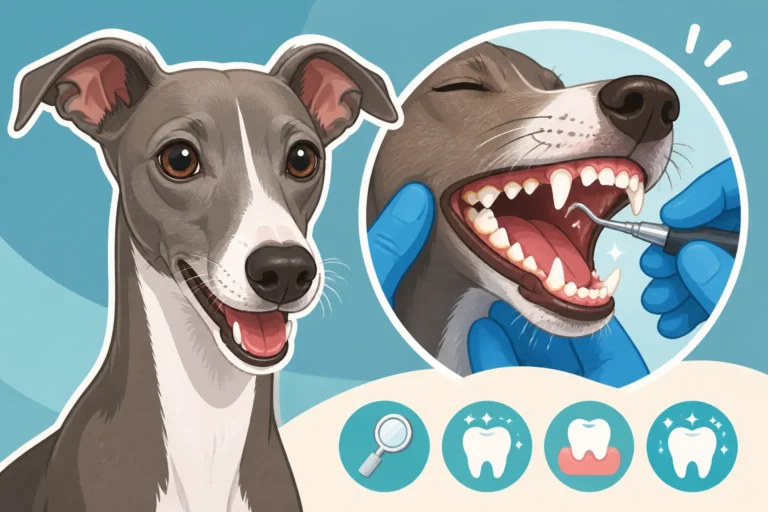
Let's be honest, Italian Greyhounds are notoriously prone to dental issues throughout their lives, but these problems become even more pronounced in their senior years. It's not uncommon for an older Iggy to have significant tartar buildup, gingivitis, or even advanced periodontal disease. Imagine trying to chew with a toothache every single day—that's the reality for many of our older dogs. The act of biting into hard kibble can put immense pressure on sore gums, exposed tooth roots, or loose teeth, making eating a truly painful ordeal. They might hesitate before approaching their bowl, drop kibble repeatedly, or chew on one side of their mouth. You might notice they're taking much longer to eat, or perhaps they just walk away, leaving most of their meal untouched. This isn't just a sign of pickiness; it's a clear indicator of discomfort. Many Italian Greyhounds, unfortunately, start experiencing significant tooth loss by the time they are eight years old. If you're wondering about the timeline, you can learn more about The Age an Italian Greyhound Starts Losing Teeth. It's a sad truth that by the time they reach eight, many Italian Greyhounds have already lost a significant number of their teeth, which is detailed further in How Many Teeth an Italian Greyhound Loses by Eight.
Jaw Pain and Fragility
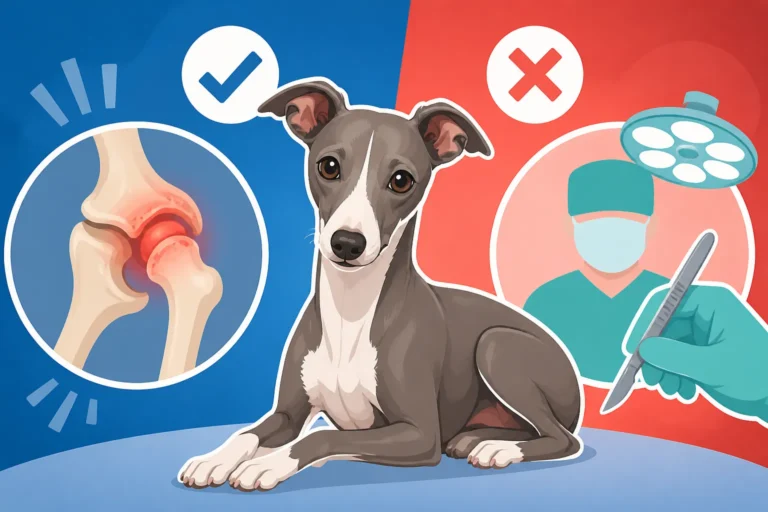
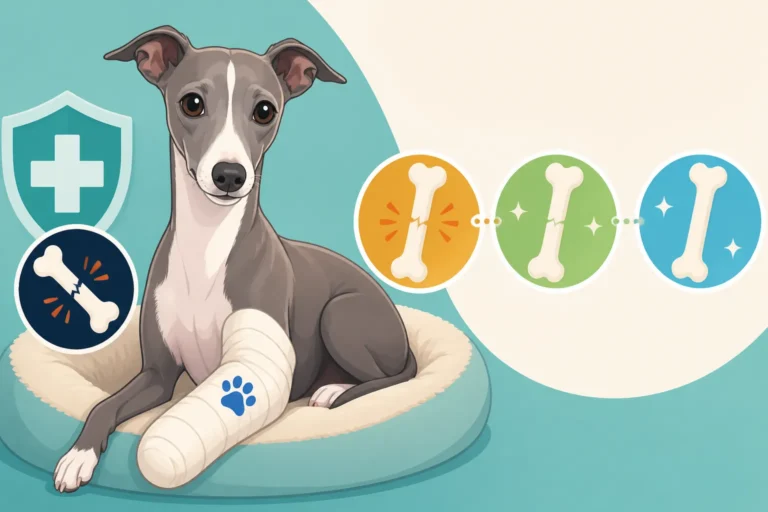
Beyond just tooth pain, the delicate bone structure of an Italian Greyhound’s jaw can also become a significant factor in their senior eating habits. Their fine, slender jaws are more susceptible to injury or pain, especially if they’ve had dental extractions in the past. When teeth are extracted, even carefully, the surrounding bone can be weakened, making the jaw more vulnerable. A hard kibble requires a surprising amount of force to break down, and this repeated stress can exacerbate any existing jaw discomfort. In severe cases, particularly during aggressive dental procedures, an Italian Greyhound's jaw can even break during extraction, a terrifying but real risk that highlights the fragility of their breed-specific anatomy. This is why it's so critical to work with a vet experienced in sighthound dentistry. Even without extractions, the simple act of chewing can cause fatigue or aches in the jaw muscles and joints. This is a subtle pain that your Iggy might not outwardly express with yelps, but rather with a quiet reluctance to eat or a preference for only the softest parts of their meal. They are masters at hiding pain, so any change in eating habits warrants investigation.
Digestive Changes and Nutrient Absorption
As Italian Greyhounds age, their digestive systems can also slow down and become less efficient. The enzymes responsible for breaking down food might not be produced in the same quantities, and the gut motility can decrease. Hard, dry kibble often requires more digestive effort to fully break down into absorbable nutrients. For a senior Iggy, this can lead to indigestion, gas, or even constipation.
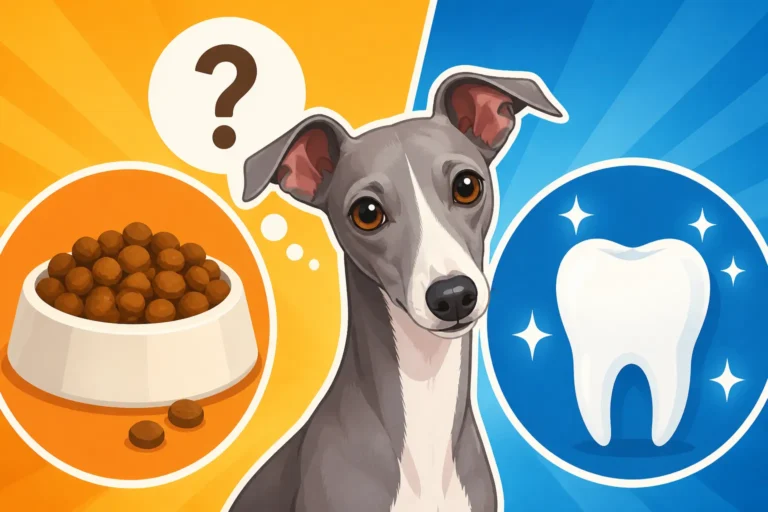
Switching to a softer diet can alleviate some of this digestive strain. Wet foods or soaked kibble are already partially broken down by moisture, making them easier for the stomach and intestines to process. This means your Iggy's body can expend less energy on digestion and potentially absorb more of the vital nutrients from their food. Given that senior Italian Greyhounds often have a reduced appetite, ensuring every meal counts by optimizing nutrient absorption is incredibly important. A well-digested meal helps maintain their energy levels, supports their immune system, and contributes to their overall vitality as they transition into their later years.
Types of Softer Foods and How to Transition
Once you've determined that softer food is the right path for your senior Italian Greyhound, the next step is to explore the options and introduce them thoughtfully. A sudden switch can upset their stomach or make them even more resistant to eating, so a gradual approach is always best.
Wet Food Options
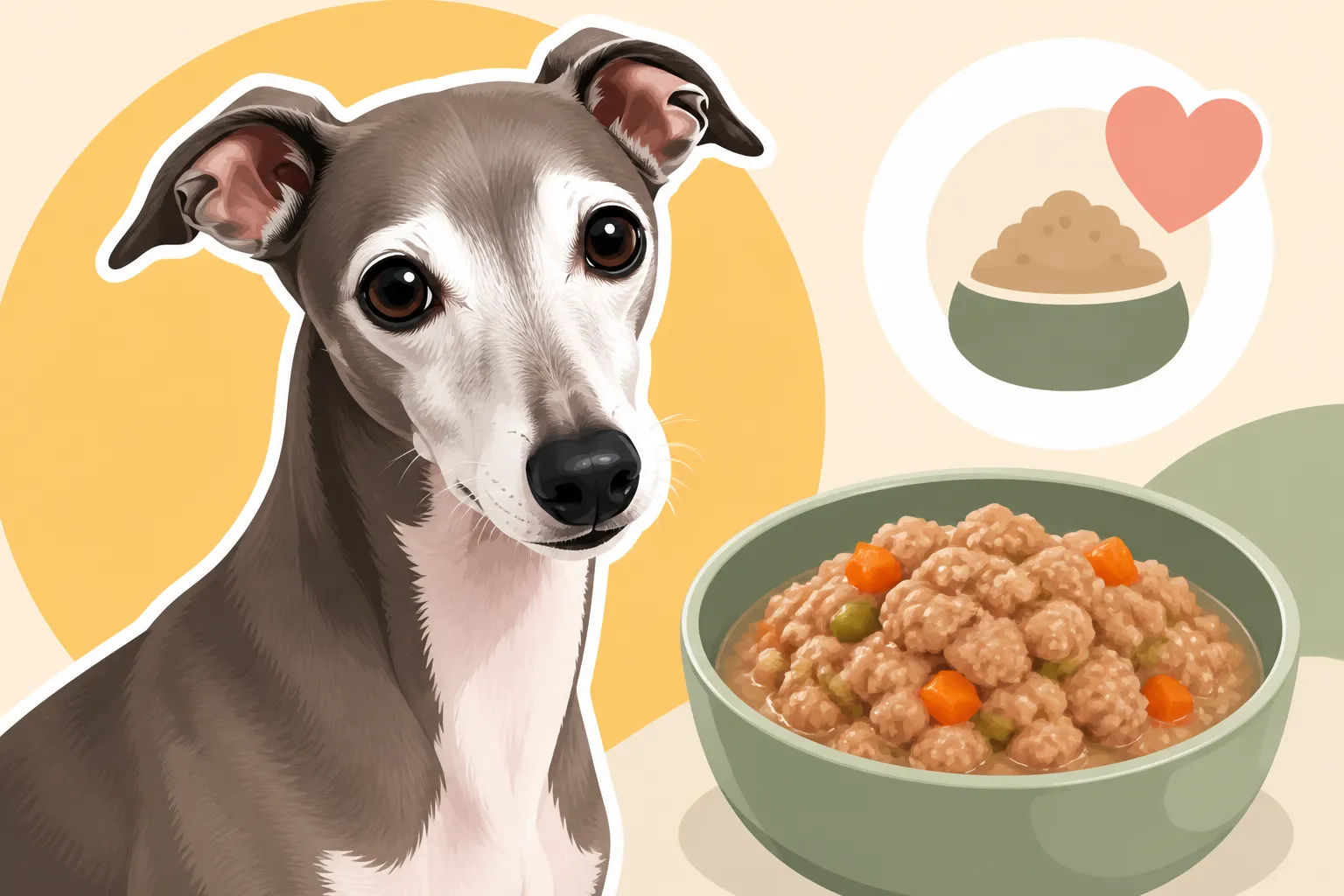
Canned or wet dog food is often the first thing people think of when considering a softer diet, and for good reason! It comes in a variety of textures, from smooth pâtés to chunky stews with gravy, all of which are significantly easier on sore mouths than dry kibble. Many reputable brands offer senior-specific wet food formulas, which are often tailored with appropriate protein levels, lower phosphorus for kidney health, and added joint supplements.
When choosing a wet food, look for high-quality ingredients and avoid excessive fillers. You might want to experiment with different textures to see what your Iggy prefers. Some dogs love a smooth pâté that requires minimal chewing, while others enjoy a chunkier stew where the soft pieces can still provide a satisfying mouthfeel without pain. Wet food is also an excellent way to increase your senior Iggy's water intake, which is beneficial for kidney health and overall hydration. Just remember, once opened, wet food needs to be refrigerated and used within a few days to maintain freshness and prevent bacterial growth.
Soaking Kibble or Adding Broth
If your Italian Greyhound is still enjoying their current kibble but struggling with the hardness, soaking it in warm water or broth can be a fantastic interim solution, or even a permanent one. This method allows them to continue eating a familiar food while making it much easier to chew and digest.
Here’s how you can do it:
- Warm Water: Simply place your Iggy's usual portion of kibble in their bowl and add enough warm (not hot!) water to cover it. Let it sit for 10-15 minutes, or until the kibble softens to a mushy consistency. The goal is to make it soft enough to be easily mashed with a fork.
- Bone Broth: For an extra boost of flavor and nutrition, consider using a low-sodium, dog-safe bone broth instead of water. Bone broth can be incredibly appealing to picky eaters and provides beneficial nutrients like collagen. Ensure it's plain bone broth, free from onions, garlic, or excessive salt.
- Mixing: Once softened, you can mash it slightly with a fork to break up any remaining hard pieces. You might even mix in a small amount of wet food for added palatability and texture variety.
This approach allows for a very gradual transition. You can start by softening just a portion of their meal, then slowly increase the amount of softened kibble over several days or weeks. This helps prevent digestive upset and allows your Iggy to adjust to the new texture. For many owners, this is a perfect compromise, especially if their dog isn't quite ready for an all-wet food diet.
Homemade Diets and Considerations
For some Italian Greyhound owners, preparing a homemade diet offers the ultimate control over ingredients and texture. This can be particularly appealing if your Iggy has multiple sensitivities or very specific dietary needs. You can cook lean meats like chicken or turkey, blend them with soft, cooked vegetables (like pumpkin, sweet potato, or green beans), and add a grain like cooked rice or oats. The texture can be pureed, mashed, or left in small, soft chunks, depending on your dog's preferences and chewing ability.
However, moving to a homemade diet requires careful consideration to ensure it is nutritionally complete and balanced. It's incredibly easy to create deficiencies or excesses that can harm your dog's health long-term. Essential vitamins, minerals, and amino acids can be missed if you're not well-versed in canine nutrition. I strongly recommend consulting with a veterinary nutritionist before embarking on a homemade diet journey. They can help you formulate a recipe that meets all your senior Italian Greyhound's specific nutritional needs, taking into account their age, activity level, and any underlying health conditions. While it offers immense flexibility, the commitment to research and proper supplementation is significant.
Ensuring Nutritional Balance and Managing Picky Eaters
Switching to softer food isn't just about comfort; it's about ensuring your senior Italian Greyhound continues to receive all the nutrients they need to thrive. Older dogs have different dietary requirements, and they can sometimes become a bit finicky about what they eat.
Addressing Nutritional Needs for Seniors
As Italian Greyhounds age, their metabolism often slows down, and their activity levels might decrease. This means their caloric needs can change. It’s important to provide a diet that is still rich in high-quality protein to help maintain muscle mass, especially since Italian Greyhounds are naturally lean dogs. Healthy fats are also crucial for coat health, brain function, and energy. However, too much fat can lead to weight gain if their activity has significantly dropped.
When choosing or formulating a softer food diet, consider these points:
- Protein: Look for easily digestible protein sources. If using wet food, ensure it lists a named meat as the first ingredient.
- Calories: Monitor your Iggy’s weight carefully. If they're gaining or losing weight, adjust their portion sizes. It’s a delicate balance; you don't want them to become underweight, which can make them even more fragile, nor do you want them overweight, which can stress their joints. You can learn more about Caring for an Italian Greyhound Past Eleven, which often involves careful dietary adjustments.
- Supplements: Depending on your dog's health, your vet might recommend specific supplements. These could include omega-3 fatty acids for joint and cognitive health, or probiotics for digestive support. Always consult your veterinarian before adding any supplements to their diet. This is especially true as you consider What Changes in an Italian Greyhound After Eleven.
Maintaining proper nutrition for your senior Iggy is an ongoing process that requires observation and regular communication with your vet.
Tips for Encouraging Eating
Even with the perfect soft food, some senior Italian Greyhounds can become picky eaters. They might associate mealtime with discomfort from past experiences, or simply be less enthusiastic about food than they once were. Here are some strategies to entice them:
- Warm it Up: Gently warming their food to body temperature can enhance its aroma and make it more appealing. A few seconds in the microwave (stir well to avoid hot spots) or mixing in warm broth can do wonders.
- Variety (Within Reason): While a consistent diet is usually best, sometimes a little rotation between a few different high-quality wet food flavors can spark interest.
- Elevated Bowls: For older dogs, especially those with neck or joint issues, eating from an elevated bowl can be much more comfortable. It reduces the strain on their body and makes reaching the food easier.
- Quiet, Calm Environment: Ensure meal times are peaceful. A busy, noisy area might stress a senior dog, making them less likely to eat.
- Hand Feeding: If your Iggy is particularly resistant, sometimes a few bites offered gently by hand can get them started. This can rebuild a positive association with food.
- Food Toppers: A sprinkle of nutritional yeast, a tiny bit of grated cheese, or a spoonful of plain yogurt (if tolerated) can sometimes act as a tempting topper. Be mindful of introducing new things and always in moderation.
- Consistency: Maintain a regular feeding schedule. Dogs thrive on routine, and knowing when to expect their meals can help stimulate their appetite.
Remember, an Italian Greyhound who refuses to eat for more than 24 hours should always be seen by a vet. Loss of appetite can be a symptom of various underlying health issues.
Monitoring Weight and Overall Health
Regular monitoring of your senior Italian Greyhound’s weight and overall health is paramount when transitioning to a softer diet. Since Italian Greyhounds have such a fine, delicate build, even small weight changes can be significant. Ideally, you should be able to feel their ribs easily, but not see them protruding sharply. Their hip bones should also be palpable without being overly prominent. For more details on what to expect, read The Age an Italian Greyhound Is Considered Senior.
It's helpful to weigh your Iggy weekly or bi-weekly at home, or during their regular vet visits. Keep a log if you notice any concerning trends. Along with weight, pay attention to their energy levels, coat condition, and bowel movements. Are they still bright-eyed and engaged, or do they seem lethargic? Is their coat dull? Are their stools consistent? These are all indicators of how well their new diet is working for them.
Regular veterinary check-ups are more important than ever for senior dogs. Your vet can assess their overall health, including their dental status, organ function, and joint health, and make recommendations for dietary adjustments or supplements. When you're dealing with multiple vet visits for dental issues, having a reliable pet insurance provider like Healthy Paws can truly alleviate some of the financial stress. They can help with the costs associated with ongoing senior care and unexpected health challenges, allowing you to focus on your Iggy's well-being without constant worry about the budget. Many Italian Greyhound owners find such support invaluable as their dogs age.
The Long-Term Impact of a Thoughtful Diet
Making the switch to softer food for your senior Italian Greyhound isn't just a temporary fix; it's an investment in their comfort, health, and happiness during their golden years. The ripple effect of a thoughtful, easy-to-eat diet extends far beyond just mealtime.
Improving Quality of Life
Imagine the relief your Iggy will feel when they no longer have to endure pain with every bite. The act of eating, which for so long might have been a source of discomfort and stress, can once again become a pleasurable experience. When they can eat comfortably, senior Italian Greyhounds tend to be happier, more energetic, and more engaged with their family. They might even display a renewed zest for life that you haven't seen in a while.
Comfortable eating directly contributes to their overall quality of life. They're more likely to maintain a healthy weight, have more energy for their gentle walks and indoor zoomies, and simply feel better day-to-day. This positive change can significantly impact their mood and interaction, strengthening the bond you share. Ensuring they have palatable and accessible food is one of the most loving gestures we can offer our aging companions, allowing them to enjoy their twilight years with dignity and satisfaction.
Preventing Further Health Issues
A senior Italian Greyhound who isn't eating well is at risk of a cascade of health problems. Malnutrition can lead to a weakened immune system, muscle wasting, and a general decline in organ function. By providing softer food that they can readily consume and digest, you’re actively working to prevent these secondary issues. Adequate nutrition supports a stronger immune system, helping them ward off illnesses, and provides the building blocks for maintaining muscle mass and bone density, which is especially critical for a breed known for its fragile bones.
Furthermore, a well-fed senior Iggy is less likely to become dangerously underweight, a condition that can make them even more susceptible to injury or illness. Proper hydration from wet food or soaked kibble supports kidney health, a common concern in older dogs. Regular check-ups, often supported by plans from companies like Healthy Paws, are crucial for monitoring your senior Italian Greyhound's health and catching any potential issues early. This proactive approach to diet and care contributes significantly to their overall longevity and helps ensure that your Italian Greyhound lives as long as possible, enjoying their time with you. It's truly amazing what a difference a comfortable eating experience can make in their overall health trajectory.
Comparing Softer Food Options for Your Senior Italian Greyhound
Here's a quick overview of the different softer food options to help you decide what might work best for your aging Italian Greyhound.
| Feature | Wet Canned Food | Soaked Kibble | Homemade Diet (Vet-Formulated) |
|---|---|---|---|
| Convenience | High (ready to serve) | Medium (requires prep time for soaking) | Low (requires significant prep & cooking time) |
| Palatability | Generally High (strong aroma, soft texture) | Medium-High (familiar taste, softer texture) | Varies (can be tailored to specific tastes) |
| Nutritional Control | Good (look for senior-specific formulas) | Good (retains kibble's balance, but can add broth) | Excellent (customized to exact needs) |
| Cost | Moderate to High | Low (if using existing kibble) | Varies (can be low if carefully sourced) |
| Hydration | Excellent (high moisture content) | Good (adds significant moisture) | Good (can control moisture content) |
| Digestibility | High (pre-moistened, often easily broken down) | High (softened, less work for digestion) | High (ingredients chosen for digestibility) |
| Specialist Input | Not always necessary, but good for specific issues | Not always necessary | Essential for nutritional completeness |
Disclaimer
This article is for general informational purposes only and does not constitute professional advice. Laws, prices and regulations vary by location and change over time. Consult a qualified professional for guidance on your specific situation.