Kidney Disease in an Old Italian Greyhound
It’s truly heartbreaking to watch our beloved Italian Greyhounds grow old, and one of the scariest health challenges we can face with them is kidney disease. This condition can sneak up quietly, leaving us feeling helpless as our once spry companions begin to slow down and show subtle signs of illness. This guide will walk you through what kidney disease means for your senior Italian Greyhound, how it's diagnosed, and the steps you can take to manage it, giving you the knowledge and confidence to advocate for your cherished family member.
Understanding Kidney Disease in Senior Italian Greyhounds
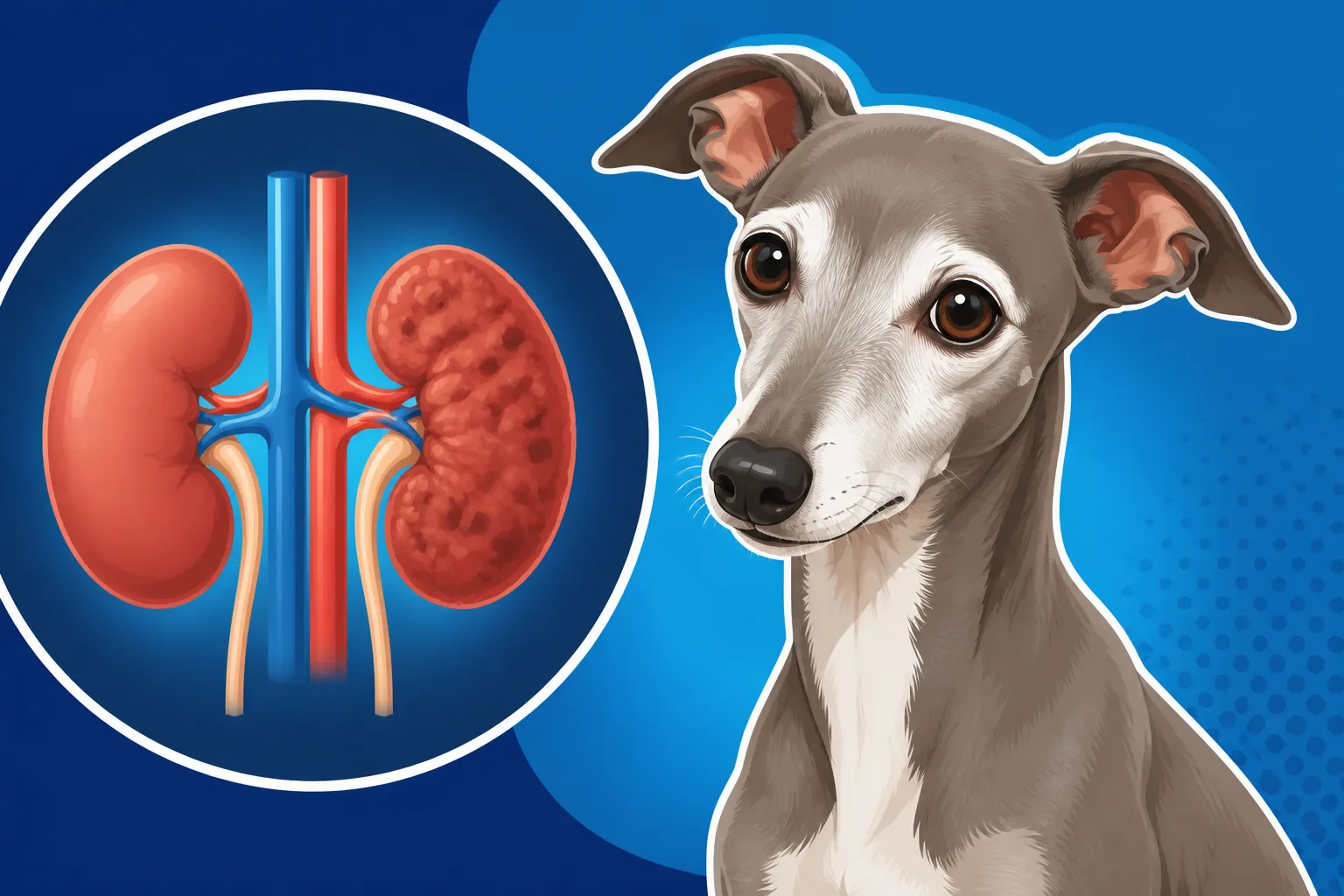
As our Italian Greyhounds enter their golden years, typically around the age of The Age an Italian Greyhound Is Considered Senior, their bodies, like ours, begin to show wear and tear. The kidneys, those vital bean-shaped organs, are no exception. Their job is to filter waste products from the blood, regulate blood pressure, produce hormones, and maintain electrolyte balance. When these filters start to falter, waste products build up, creating a toxic environment within the body. It’s a progressive illness, meaning it usually gets worse over time, which can be a difficult truth for any Italian Greyhound owner to confront.
Why Italian Greyhounds Are Prone to Kidney Issues
While kidney disease can affect any breed, Italian Greyhounds, with their often delicate systems and sometimes picky eating habits, can present unique challenges. Their fine bones and lean musculature mean that even a slight loss of appetite or energy can be immediately noticeable and concerning. Though there isn't a specific genetic predisposition to kidney disease in Italian Greyhounds compared to some other breeds, their generally longer lifespans mean they have more time to develop age-related conditions. This increased lifespan, often extending to Why an Italian Greyhound Lives Fourteen to Fifteen Years, means that kidney function naturally declines over time for many. Moreover, previous health issues, even something like repeated bouts of dental disease, can put a strain on the kidneys over a lifetime.
Imagine your Italian Greyhound, usually a whirlwind of graceful energy, starting to refuse their favorite meal or asking to go out more frequently. These subtle shifts can easily be dismissed as "just getting old," but for an Italian Greyhound, any deviation from their norm warrants attention. Because they are so lightweight, even minor dehydration or changes in blood chemistry can have a more pronounced effect compared to a larger, more robust dog.
Common Early and Late Signs
The insidious nature of kidney disease is that its early signs are often incredibly vague, mimicking other conditions or simply appearing as general aging. You might notice your Italian Greyhound seems a little more tired, drinks a bit more water, or has a slightly reduced appetite. It’s easy to brush off these changes, but they are crucial signals. As the disease progresses, these symptoms become more pronounced and new ones emerge, indicating a more significant accumulation of toxins.
Here’s a breakdown of what to look for:
| Symptom Category | Early Signs (Subtle) | Late Signs (More Pronounced) |
|---|---|---|
| Urination | Increased thirst and urination, especially at night | Accidents in the house, dilute urine, strong urine odor |
| Appetite | Mild decrease in appetite, pickiness | Significant loss of appetite, weight loss, muscle wasting |
| Energy | Slight lethargy, less enthusiasm for walks | Profound weakness, reluctance to move, increased sleeping |
| Gastrointestinal | Occasional nausea (e.g., licking lips), mild bad breath | Vomiting, diarrhea, severe bad breath (ammonia-like), mouth ulcers |
| Coat/Skin | Dry coat, less grooming | Dull, unkempt coat, dry skin, sometimes a 'dusty' appearance |
| Behavior | Mild disorientation, less interest in play | Severe lethargy, confusion, weakness, collapsing |
It’s important to remember that Italian Greyhounds are masters at How an Italian Greyhound Hides Pain. They are stoic little creatures, and by the time symptoms are obvious, the disease might be quite advanced. This is why regular vet check-ups are so critical, especially for seniors.
Diagnosing and Monitoring Kidney Disease
Catching kidney disease early is truly the key to managing it effectively and giving your Italian Greyhound the best possible quality of life. This requires a proactive approach with your veterinarian, moving beyond just the annual wellness visit to more focused senior care. It’s not about finding fault, but about being vigilant for our delicate companions.
The Role of Regular Vet Visits and Bloodwork
When your Italian Greyhound reaches its senior years, perhaps around The Age an Italian Greyhound Is Considered Senior, those yearly wellness exams become even more vital. Many vets recommend twice-yearly check-ups for senior dogs, and for good reason. These visits allow your vet to establish a baseline for your dog's health and catch subtle changes. During these exams, your vet will likely recommend comprehensive bloodwork and a urinalysis. These aren't just routine; they are critical diagnostic tools.
Blood tests, specifically a chemistry panel, will check kidney values like BUN (Blood Urea Nitrogen) and creatinine. High levels of these indicate that the kidneys aren't filtering waste efficiently. However, these values often don't become elevated until about 65-75% of kidney function is already lost, which is why newer tests are so important. Urinalysis checks for protein in the urine, specific gravity (how concentrated the urine is), and other abnormalities that can point to kidney dysfunction. Protein in the urine, for instance, is an early indicator that the kidney filters are damaged and leaking essential proteins. It’s truly a game-changer when these tests reveal something before symptoms become obvious.
Advanced Diagnostics and Early Detection
Beyond the basic blood and urine tests, there are more sensitive tools available today. One such test is SDMA (symmetric dimethylarginine). This biomarker can detect kidney disease much earlier than traditional BUN and creatinine tests—sometimes when only 25-40% of kidney function is lost. This earlier detection window is incredibly valuable for breeds like the Italian Greyhound, allowing for interventions before the disease is significantly advanced.
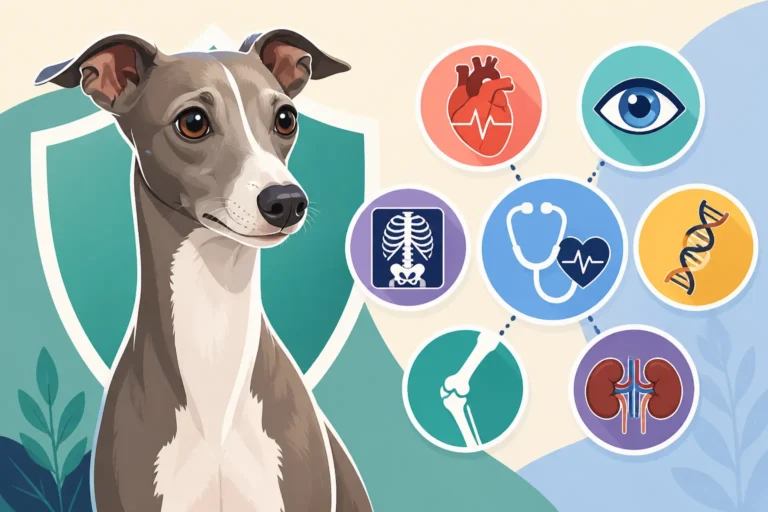
Your vet might also recommend a urine protein:creatinine ratio (UPC) to quantify protein loss, and blood pressure monitoring. High blood pressure is both a cause and a consequence of kidney disease, and managing it can help slow progression. In some cases, abdominal ultrasounds might be used to visualize the kidneys, check their size and structure, and rule out other issues like stones or tumors. It's a comprehensive puzzle, and each piece of information helps your vet build a clearer picture of your Italian Greyhound's kidney health. Don't be afraid to ask your vet about these advanced options, especially if you have concerns about your pet’s How Often an Italian Greyhound Needs a Wellness Exam.
Managing Kidney Disease in an Old Italian Greyhound
Receiving a kidney disease diagnosis can feel overwhelming, but it's not a death sentence. With careful management and a dedicated approach, many Italian Greyhounds can maintain a good quality of life for an extended period. The goal is to slow the progression of the disease, manage symptoms, and keep your beloved companion comfortable.
Dietary Changes and Nutritional Support
Diet is often the cornerstone of kidney disease management. The primary aim of a renal diet is to reduce the workload on the kidneys. This usually means a diet lower in protein, phosphorus, and sodium, but with high-quality protein to maintain muscle mass. It's a delicate balance, especially for picky Italian Greyhounds who might already be prone to Why an Italian Greyhound Refuses Its Dinner.
Finding a prescription renal diet that your Italian Greyhound will actually eat can be a challenge. There are several brands offering both wet and dry options, and sometimes mixing a little wet food with dry, or even gently warming the food, can entice a finicky eater. Your vet will recommend specific brands and formulations, and it might take some trial and error to find one that works for your dog. Remember, even though it’s crucial to restrict certain nutrients, getting your Italian Greyhound to eat something is paramount. A completely anorexic dog will decline faster than one on an imperfect but palatable diet. Discuss this with your vet; sometimes, specialized treats or appetite stimulants are necessary. If you're wondering about Softer Food for an Old Italian Greyhound options, many renal diets come in pâté or stew forms that are easier for older dogs, especially those with dental issues, to consume.
Medications and Supplements
Beyond diet, your veterinarian might prescribe several medications and supplements to support kidney function and manage symptoms. These can include:
- Phosphorus binders: These are given with meals to reduce the absorption of phosphorus from the gut, helping to keep blood phosphorus levels in check.
- Blood pressure medication: If your Italian Greyhound has high blood pressure, medication can help protect the kidneys and other organs.
- Anti-nausea medications: To combat the nausea and vomiting that often accompany kidney disease, which can significantly impact appetite.
- Appetite stimulants: Sometimes needed to encourage eating, especially during flare-ups.
- Potassium supplements: If your dog's potassium levels are low (hypokalemia), which can happen with kidney disease.
- Fluid therapy: Subcutaneous (under the skin) fluids can be given at home. This is a game-changer for many dogs, helping to flush toxins from the body and prevent dehydration, especially if they're not drinking enough on their own. Your vet will teach you how to administer these if needed, and while it seems daunting at first, it quickly becomes part of the routine.
- Erythropoietin (EPO) injections: In advanced stages, kidney disease can lead to anemia. EPO helps stimulate red blood cell production, improving energy levels.
It’s crucial to adhere strictly to your vet’s instructions regarding dosage and frequency for all medications. Don't stop or adjust treatment without their guidance. Managing What Medication an Old Italian Greyhound Needs can feel like a lot, but it’s a tailored approach to maximize their comfort and longevity.
Hydration and Environment
Maintaining excellent hydration is incredibly important for Italian Greyhounds with kidney disease. Since their kidneys aren't concentrating urine effectively, they lose more water. Always ensure fresh water is available, perhaps in multiple bowls around the house. Some owners find that a pet water fountain encourages more drinking. Adding a little water to their food can also help increase their fluid intake.
Beyond hydration, consider your home environment. An old Italian Greyhound with kidney disease might be weaker or more prone to accidents. Easy access to outdoor potty areas or an Indoor Potty Setup Costs for an Italian Greyhound can be beneficial. Non-slip rugs on hard floors can help prevent falls, which is always a concern for a breed as delicate as the Italian Greyhound, especially if their legs are weaker due to illness. Keeping them warm and comfortable is also important, as illness can make them feel the cold more keenly. A cozy bed with plenty of blankets can make a big difference.
Living with an Italian Greyhound with Kidney Disease
Adjusting to life with a senior Italian Greyhound with kidney disease requires patience, dedication, and a strong partnership with your vet. It's an emotional journey, and it's okay to feel overwhelmed sometimes. The goal is always to provide the best possible quality of life for your cherished companion.
Monitoring and Adjusting Care
Living with chronic kidney disease means a commitment to ongoing monitoring. Your vet will likely recommend regular follow-up bloodwork and urinalysis to track kidney values and adjust treatments as needed. This might be every few months, or more frequently if your Italian Greyhound's condition changes. Keeping a journal of their appetite, water intake, urination, and energy levels can be incredibly helpful for you and your vet to spot trends and make informed decisions.
Sometimes, despite your best efforts, your Italian Greyhound might have days where they feel worse. This could be a sign of progression or a temporary dip. Knowing when to call the vet versus when to just provide extra comfort is part of the learning curve. Trust your gut; you know your dog best. Don't hesitate to reach out to your veterinary team with any concerns, big or small. Remember, an insurance plan like one from Healthy Paws can be a real lifeline for managing the ongoing costs of these chronic conditions and frequent vet visits.
Quality of Life and End-of-Life Decisions
This is perhaps the hardest part of the journey. As kidney disease progresses, there will come a point where treatment is no longer enough to maintain a good quality of life. It’s important to have honest conversations with your vet about what "quality of life" means for your individual Italian Greyhound. Are they still enjoying food, walks (even short ones), cuddles, and their usual activities? Are they comfortable and free from pain?
It’s a difficult balance to strike—wanting to do everything possible, but also recognizing when continuing treatment might be causing more stress than benefit. Tools like a quality-of-life scale, which you can fill out regularly, can help you assess your dog's daily well-being objectively. Factors like appetite, pain level, hygiene, happiness, and mobility are all considered. This helps in making those incredibly tough decisions about when to consider hospice care or, ultimately, euthanasia. These decisions are deeply personal, and there is no right or wrong answer. Focus on ensuring your beloved Italian Greyhound's comfort and dignity above all else. Remember, financial concerns should not dictate care decisions, and organizations often exist to assist with vet bills, though for those proactive, pet insurance from providers like Healthy Paws can often alleviate significant financial strain for chronic conditions diagnosed after policy inception.
Supporting Your Senior Italian Greyhound
Your old Italian Greyhound still needs your love and attention, perhaps more than ever. They may not be able to zoom around like they used to, but gentle walks, quiet cuddle sessions on the sofa, and puzzle toys for mental stimulation are still important. Keep their routine as consistent as possible, as older dogs can find comfort in predictability, especially if they're experiencing Night Confusion in an Old Italian Greyhound or other age-related cognitive changes.
Remember, you're not alone in this journey. Many Italian Greyhound owners face similar challenges. Seek support from online communities, local breed groups, or even your veterinary team. Sharing experiences and advice can be incredibly comforting. Providing care for Caring for an Italian Greyhound Past Eleven is a profound act of love, and every effort you make helps ensure their remaining time is as joyful and comfortable as possible.
Disclaimer
This article is for general informational purposes only and does not constitute professional advice. Laws, prices and regulations vary by location and change over time. Consult a qualified professional for guidance on your specific situation.