The Vaccination Schedule an Italian Greyhound Puppy Needs
Bringing home a new Italian Greyhound puppy is a whirlwind of joy, excitement, and let's be honest, a fair bit of anxiety. You're constantly watching them, making sure they don't break a leg or get into anything they shouldn't. Amidst all this, understanding their vaccination schedule can feel like deciphering a complex medical chart, leaving you wondering if you're doing everything right to protect your fragile little companion. This comprehensive guide is here to walk you through exactly what vaccinations your Italian Greyhound puppy needs, why they're so crucial, and what to expect on this vital journey to a healthy life.
Why Vaccinations Are a Cornerstone of Italian Greyhound Puppy Health
It's easy to feel overwhelmed by the sheer number of vaccines available for dogs, and sometimes, the fear of over-vaccinating can lead to hesitation. However, for a delicate breed like the Italian Greyhound, understanding the critical importance of a proper vaccination schedule isn't just about compliance; it's about safeguarding their inherently fragile system from diseases that can be devastating, or even fatal. Your tiny Iggy might seem invincible when they're zipping around the living room, but they're incredibly susceptible to common canine illnesses.
These aren't just minor sniffles we're talking about. Diseases like parvovirus are highly contagious, incredibly resilient in the environment, and can quickly overwhelm a puppy's underdeveloped immune system. Imagine the heartbreak of watching your vibrant little companion succumb to something preventable. Moreover, because Italian Greyhounds are such social creatures, thriving on interaction with their humans and often other dogs, they're naturally going to be exposed to more potential pathogens. Every trip to the vet, every puppy playdate, every walk in the park—all these normal, healthy activities carry a degree of risk that vaccines are designed to mitigate. It’s an act of love and responsible ownership to provide them with this shield.
Understanding the Core Puppy Vaccination Schedule
When you first bring your Italian Greyhound puppy home, they're often already on their way with their initial vaccinations. Reputable breeders should provide detailed records of what shots have been given and when. This is where your partnership with your veterinarian truly begins, as they will help you continue the series.
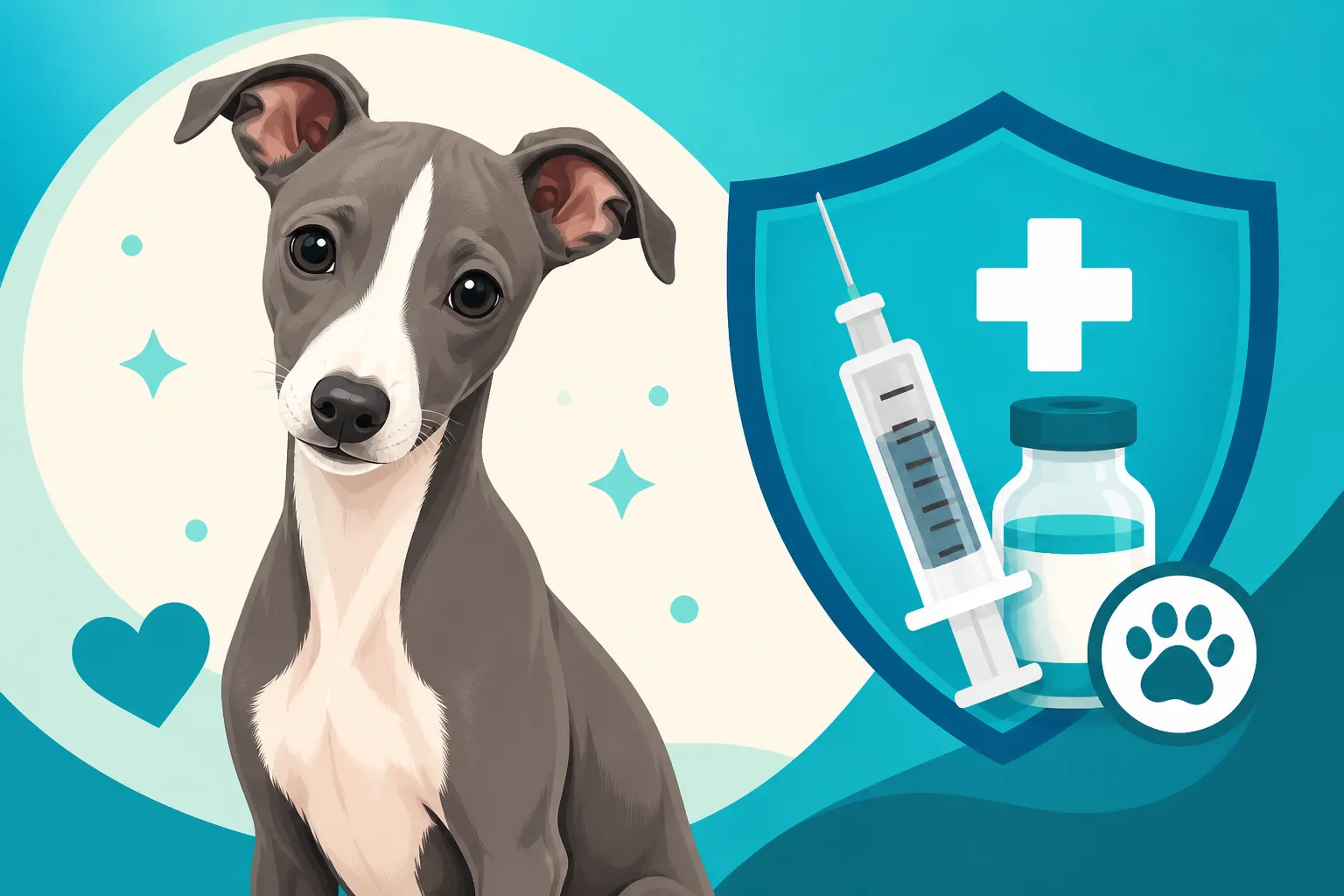
The backbone of any puppy vaccination schedule is the DAPP or DHPP vaccine. This combination vaccine protects against several severe diseases:
- Distemper: A highly contagious viral disease that affects multiple body systems, including respiratory, gastrointestinal, and nervous systems. It's often fatal.
- Adenovirus (Hepatitis): Affects the liver and kidneys, and can lead to severe illness.
- Parvovirus: A notorious, highly contagious gastrointestinal virus that causes severe vomiting, diarrhea, and dehydration. Puppies are especially vulnerable and it can be deadly.
- Parainfluenza: A common respiratory virus that contributes to kennel cough.
This core vaccine is given in a series of boosters, typically starting around 6-8 weeks of age, and then repeated every 3-4 weeks until the puppy is 16-20 weeks old. The reason for these multiple boosters is fascinating: puppies receive antibodies from their mothers (maternal antibodies) through colostrum. These maternal antibodies protect the puppy, but they also interfere with the puppy's ability to respond to a vaccine. Over time, these maternal antibodies wane, but the exact timing varies for each puppy. The series of shots ensures that once the maternal antibodies are gone, the puppy's own immune system gets a chance to build lasting protection.
Beyond the core, there's the Rabies vaccine. This one isn't just for your dog's health; it's a legal requirement in most places due to the public health risk associated with rabies. Typically, the rabies vaccine is given as a single shot around 12-16 weeks of age, often coinciding with one of their later DAPP boosters, though specific timing can vary by local regulations and your vet's recommendation. Making sure your Italian Greyhound gets this vaccine is non-negotiable for their safety and yours.
A Typical Italian Greyhound Puppy Vaccination Timeline
While every veterinarian might have a slightly different preferred schedule based on local disease prevalence and their clinical experience, there's a general timeline that most Italian Greyhound puppies will follow. It's a structured approach designed to provide maximum protection as their immune systems mature. You might find yourself at the vet's office quite frequently during those first few months, but each visit is a crucial step in their long-term health.
First Round of Shots: Starting Early (6-8 Weeks)
Your puppy will likely receive their first round of core vaccinations between 6 to 8 weeks of age. This initial vaccine is vital, kicking off their immune system's learning process. When you get your puppy, ask the breeder for their exact vaccination records, including the specific vaccine used and the date administered. This information is key for your vet to plan the subsequent boosters correctly. This initial health check is also an excellent opportunity for your vet to do a baseline assessment and discuss things like Weighing an Italian Greyhound Puppy Every Week to monitor their growth.
Booster Rounds: Building Immunity (Every 3-4 Weeks Until 16-20 Weeks)
Following the first shot, your puppy will need booster vaccinations every three to four weeks. This is the critical period for building robust immunity. For instance, if they had their first DAPP at 7 weeks, they'll likely get their second at 10-11 weeks, and their third at 13-15 weeks, and potentially a fourth if your vet recommends it to ensure full coverage against parvovirus, especially in high-risk areas.
During these visits, your vet will also discuss lifestyle vaccines, which we'll cover in more detail below. Remember that until your Italian Greyhound puppy has completed their entire vaccination series, they are not fully protected. This means limiting their exposure to public places where unvaccinated dogs might be present. It's tough to keep a playful puppy contained, but it's essential for their safety. This period is also when you'll be focusing on critical early socialization, which needs to be balanced carefully with disease prevention. For more on ensuring their early development, consider reading about The First Year With an Italian Greyhound Puppy.
Rabies Vaccination: The Legal and Lifesaving Shot (12-16 Weeks)
The rabies vaccine is usually given as a single shot when your puppy is 12 weeks of age or older. The specific timing within this window can depend on your local laws and your vet’s practice. After this, regular boosters will be required, typically every one to three years, depending on the type of vaccine used and local regulations. Always keep your Italian Greyhound's rabies tag and certificate handy, as it's not just a health record, but a legal document.
Here's a simplified table illustrating a common puppy vaccination schedule:
| Age of Puppy | Core Vaccines (DAPP/DHPP) | Other Common Vaccines | Notes |
|---|---|---|---|
| 6-8 Weeks | First DAPP/DHPP | Start of the series. Often given by the breeder. | |
| 9-11 Weeks | Second DAPP/DHPP | Leptospirosis (optional, if needed) | Booster shot. Important for immunity development. |
| 12-14 Weeks | Third DAPP/DHPP + Rabies | Bordetella (optional, if needed) | Last DAPP booster, first Rabies. Protects against core diseases. |
| 15-17 Weeks | (Optional) Fourth DAPP/DHPP | Lyme (optional, if needed) | Some vets recommend an extra booster for high-risk environments. |
| Annually | DAPP/DHPP booster (every 1-3 years) | Lifestyle vaccines (if needed) | Vet will advise on specific booster frequency. |
| Every 1-3 Years | Rabies booster (as required by law) | Crucial legal requirement. |
Navigating Vaccine Risks and Side Effects in Your Italian Greyhound
As with any medical procedure, vaccinations carry a small degree of risk. It's completely normal to worry about your Italian Greyhound, especially given their delicate nature. Common side effects are usually mild and temporary, much like how we feel after a flu shot. You might notice your puppy is a bit lethargic, has a reduced appetite for a day or two, or experiences some mild soreness, swelling, or tenderness at the injection site. These are typically signs that their immune system is doing its job and building protection. For more specific insights, you might find information on Whether an Italian Greyhound Reacts to Vaccines helpful.
More rarely, a dog can have a more severe allergic reaction, known as anaphylaxis. This is why veterinarians often recommend waiting at the clinic for about 15-30 minutes after your puppy receives their shots, especially the first time, so they can monitor for any immediate adverse reactions. Signs of a severe reaction can include facial swelling, hives, vomiting, diarrhea, difficulty breathing, or collapse. While frightening, severe reactions are rare, and your vet team is equipped to handle them.
It's natural to have concerns, but the consensus among veterinarians and public health experts is clear: the benefits of vaccinating your Italian Greyhound far outweigh the minimal risks. The diseases they protect against are often severe, costly to treat, and potentially fatal. While the costs of vet care can add up, especially with a breed like the Italian Greyhound that can be prone to accidents, protecting them from preventable diseases is a sound investment. Having a plan for these costs, perhaps through pet insurance like Healthy Paws, can alleviate some of that financial worry.
Beyond the Core: Lifestyle Vaccines and Titers for Your Italian Greyhound
Once your Italian Greyhound has completed their core puppy series, the conversation shifts to ongoing protection and lifestyle-dependent vaccines. These are often called "non-core" vaccines because they aren't universally recommended for every dog, but rather for those whose lifestyle puts them at higher risk of exposure.
Lifestyle Vaccines: Tailoring Protection
- Kennel Cough (Bordetella): If your Italian Greyhound is going to be boarded, attend doggy daycare, go to obedience classes, or frequent dog parks, this vaccine is highly recommended. It protects against Bordetella bronchiseptica, a primary cause of canine infectious tracheobronchitis (kennel cough). There are injectable, intranasal, and oral forms, each with different onset times for protection.
- Leptospirosis: This bacterial disease is spread through the urine of infected wildlife (like raccoons, deer, rats) and can be found in contaminated water or soil. It can cause severe kidney and liver damage and is zoonotic, meaning it can spread to humans. If your Italian Greyhound spends time outdoors in rural areas, around standing water, or even in urban parks with rodent populations, your vet might strongly recommend this vaccine.
- Lyme Disease: Transmitted by ticks, Lyme disease can cause lameness, joint pain, lethargy, and loss of appetite. If you live in or travel to an area where Lyme disease is prevalent and your Iggy spends time outdoors where ticks are present, this vaccine can offer valuable protection in addition to regular tick prevention.
- Canine Influenza (Dog Flu): Depending on outbreaks in your area, your vet might suggest this vaccine, especially if your Italian Greyhound has a very social lifestyle that involves contact with many other dogs.
When discussing these with your vet, be completely open about your Italian Greyhound's daily routine, where they go, and what activities they participate in. This information helps your vet tailor the most appropriate and protective vaccination plan for your specific companion.
Understanding Titers: An Alternative Approach for Adults
For adult Italian Greyhounds, especially those with previous vaccine reactions or owners concerned about repeated vaccinations, antibody titers can be a valuable tool. A titer test measures the level of antibodies present in a dog's blood for specific diseases (like distemper and parvovirus). A sufficient titer level indicates that the dog still has protective immunity and may not need another booster at that time.
Titers aren't always applicable or a substitute for all vaccines (rabies, for example, has specific legal requirements that usually mandate vaccination regardless of titer levels), but they can be a great way to personalize your adult Iggy's vaccination schedule and avoid unnecessary re-vaccination if their immunity is already robust. This is a conversation you'll have with your vet as your Italian Greyhound matures and you continue their routine wellness exams, which are an essential part of Caring for an Italian Greyhound Past Eleven.
Key Considerations for Your Italian Greyhound's Vaccination Plan
As a responsible Italian Greyhound owner, you're their advocate, especially when it comes to their health. Being proactive and informed about their vaccination needs is one of the best ways to ensure they live a long, happy life.
Finding the Right Veterinary Partner
One of the most crucial steps is establishing a relationship with a veterinarian who truly understands the unique needs of sighthounds, and Italian Greyhounds in particular. Because of their delicate bones and unique physiology, Iggies often require specialized care. A vet experienced with sighthounds will be knowledgeable about appropriate handling, potential breed-specific reactions to medications (like certain anesthetics, as discussed in Why Anesthesia Is Handled Differently in an Italian Greyhound), and the best vaccination protocols. Don't be afraid to ask potential vets about their experience with the breed; your Italian Greyhound deserves a professional who truly gets them.
Geographic Location and Lifestyle Factors
Your physical location plays a huge role in determining which non-core vaccines are necessary. A dog living in a high-density urban environment with frequent trips to the dog park will have different exposure risks than one living in a suburban home with a private yard. Similarly, if you live in an area with a high prevalence of tick-borne diseases like Lyme, or if your region frequently sees Leptospirosis outbreaks, those vaccines become much more critical. Discuss these factors thoroughly with your veterinarian; they are your best resource for understanding local risks.
Keeping Meticulous Records
Just like with human health, maintaining accurate and accessible vaccination records for your Italian Greyhound is incredibly important. These records will be needed for boarding, travel, doggy daycare, and even some emergency situations. They also help your vet track their history and plan future health needs. Should you ever consider pet insurance from a company like Healthy Paws, precise records will be vital for any claims related to covered illnesses. A well-organized health binder for your Iggy is a small effort with significant long-term benefits.
The Role of Responsible Breeding
Finally, remember that the foundation for a healthy Italian Greyhound puppy often begins with a responsible breeder. A good breeder will not only provide you with the initial vaccination records but will also have screened their breeding stock for genetic health issues, giving your puppy the best possible start. Asking about What Health Testing an Italian Greyhound Breeder Should Show is a testament to your commitment to their well-being from day one.
Vaccinations are a fundamental aspect of preventative care that sets the stage for a healthy and vibrant life for your Italian Greyhound. By understanding the schedule, discussing options with your vet, and being diligent with boosters, you're taking a powerful step in protecting your cherished companion from preventable illnesses and ensuring they can enjoy many happy years by your side.
Disclaimer
This article is for general informational purposes only and does not constitute professional advice. Laws, prices and regulations vary by location and change over time. Consult a qualified professional for guidance on your specific situation.