Whether an Italian Greyhound Breeder Should Screen for Eyes
Bringing an Italian Greyhound puppy home is one of life's greatest joys, but the dream can quickly turn into a heartache if your beloved companion develops a debilitating health issue that could have been prevented. Many prospective owners agonize over finding a reputable breeder, and one of the most critical, yet often overlooked, questions is about eye health screening. This guide will walk you through why it's not just a good idea, but absolutely essential for an Italian Greyhound breeder to screen their dogs for inherited eye conditions, and what that means for you and your future furry family member.
Understanding the Importance of Eye Screening in Italian Greyhounds
Italian Greyhounds are delicate, elegant creatures known for their loving dispositions and profound bond with their human families. Their health and quality of life are paramount, and eye health plays a significant role in that. Imagine your tiny, swift Iggy navigating the world without sight—it’s a heartbreaking prospect, and one that can often be avoided with diligent breeding practices.
Why Eye Health is Particularly Crucial for Iggies
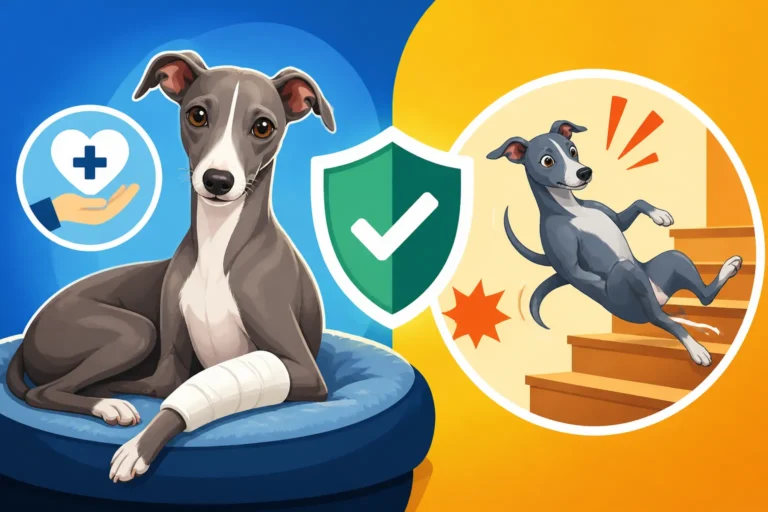
Our Iggies, with their slender frames and keen senses, rely heavily on their vision to explore, play, and interact with their environment. Unlike some larger, more robust breeds that might adapt to vision loss somewhat more easily, the Italian Greyhound's sensitive nature and relatively fragile physical build mean that impaired vision or blindness can be particularly devastating. They are prone to accidental injuries, especially broken legs, and reduced sight drastically increases this risk. A simple jump off the sofa or a misstep on the stairs can become a major incident when vision is compromised.
It's not just about safety, though. It's about their overall well-being and happiness. An Italian Greyhound thrives on companionship and interaction, and clear vision allows them to fully engage with their family and surroundings. Losing their sight, especially prematurely, can lead to anxiety, confusion, and a significant drop in their quality of life. As owners, we want to give them the longest, happiest, and healthiest lives possible, and starting with a puppy from health-tested parents is the foundation of that commitment.
What Does "Screening for Eyes" Actually Mean for a Breeder?
When we talk about "screening for eyes" in a responsible Italian Greyhound breeding program, we're not just referring to a general vet check where the vet glances at the dog's eyes. This is a specialized, thorough examination performed by a board-certified veterinary ophthalmologist. These specialists have advanced training in diagnosing and managing eye diseases in animals.
During a comprehensive eye examination, the ophthalmologist will typically use various instruments to examine all parts of the eye, from the eyelids and tear ducts to the cornea, lens, retina, and optic nerve. They'll be looking for any signs of congenital abnormalities or inherited conditions specific to the breed. The results are then often submitted to a central registry, like the Orthopedic Foundation for Animals (OFA) Eye Certification Registry (formerly CERF). This provides a public record of the dog's eye health status, offering transparency and accountability. A breeder should be able to provide documentation of these exams for both the sire and dam of a litter, showing they are "clear" or "normal" for any inherited eye diseases known to the breed. It’s a vital step in ensuring the future health of their puppies.
Common Inherited Eye Conditions in Italian Greyhounds
While Italian Greyhounds are generally considered a healthy breed and can enjoy Why an Italian Greyhound Lives Fourteen to Fifteen Years, like any purebred dog, they are predisposed to certain inherited conditions, and several of these affect the eyes. Knowing about these conditions helps you understand why screening is so important.
Progressive Retinal Atrophy (PRA) – The Big One
Without a doubt, Progressive Retinal Atrophy (PRA) is one of the most concerning inherited eye conditions in Italian Greyhounds. PRA is actually a group of genetic diseases that cause the degeneration of the photoreceptor cells (rods and cones) in the retina, ultimately leading to blindness. It's a progressive disease, meaning it gets worse over time, often starting with night blindness and slowly advancing to complete loss of vision. The heartache of watching your vibrant Iggy gradually lose its sight is profound, and unfortunately, there is no cure.
The good news is that for certain forms of PRA, there are DNA tests available. These tests can identify if a dog is clear, a carrier, or affected by the specific genetic mutation. A responsible breeder will have both parent dogs DNA tested for PRA to ensure they are not passing on the gene. If both parents are "clear," their puppies will also be clear. If one parent is a carrier, and the other is clear, the puppies may be carriers but will not develop the disease themselves. Breeding two carriers together, however, significantly increases the risk of producing affected puppies. This is why The DNA Test for Italian Greyhound Retinal Atrophy is such a valuable tool for ethical breeders. Knowing a dog's genetic status allows breeders to make informed decisions to eliminate the disease from their lines. Progressive Retinal Atrophy in an Italian Greyhound provides more detail on this specific condition.
Cataracts and Glaucoma – Other Concerns
Beyond PRA, Italian Greyhounds can also be susceptible to other eye conditions, including cataracts and glaucoma.
Cataracts: A cataract is an opacity in the lens of the eye, which can vary in size and density, obstructing the passage of light and leading to impaired vision or blindness. While cataracts can occur due to age or injury, certain types are inherited and can appear much earlier in life. Early-onset cataracts, particularly juvenile cataracts, are a serious concern. A veterinary ophthalmologist can identify these during a screening. Cataracts in an Italian Greyhound delves deeper into this issue. While surgical options exist for cataracts, they can be very costly and are not always successful, especially if other eye problems are present.
Glaucoma: Glaucoma is a painful condition characterized by increased pressure within the eye. This elevated pressure damages the optic nerve and can quickly lead to irreversible blindness if not treated promptly. Primary glaucoma, which is inherited, is a significant worry in some breeds. While less common than PRA or cataracts in Iggies, it's still something to be aware of. Screening can sometimes identify structural abnormalities in the eye that predispose a dog to glaucoma, or diagnose it in its very early stages. Timely diagnosis is crucial because Glaucoma in an Italian Greyhound requires immediate veterinary intervention to save vision and alleviate pain.
Vitreous Degeneration
Another condition that a specialized eye exam might detect is vitreous degeneration. The vitreous is a clear, jelly-like substance that fills the space between the lens and the retina, helping to maintain the eye's shape. In vitreous degeneration, this jelly-like substance begins to liquefy or develop opacities. While sometimes a benign, age-related change, in some breeds, certain forms of vitreous degeneration can be inherited and may predispose the eye to other problems, such as retinal detachment, which can cause sudden and complete blindness. Vitreous Degeneration in an Italian Greyhound provides more insight into this condition. A thorough ophthalmological exam by a specialist is the only way to accurately assess the health of the vitreous and other internal eye structures.
The Breeder's Role in Preventing Inherited Eye Diseases
Responsible breeding is about far more than just producing cute puppies. It's a commitment to the health, temperament, and future of the breed. For Italian Greyhounds, this means taking proactive steps to minimize the risk of inherited diseases, especially those that can severely impact their quality of life, like eye conditions.
Why Responsible Breeders Prioritize Eye Health
Ethical breeders understand that every puppy they produce carries their kennel's reputation and contributes to the overall health of the Italian Greyhound gene pool. Prioritizing eye health isn't just about avoiding a sad outcome for individual puppies; it's about the long-term integrity of the breed. They invest time, effort, and money into health testing their breeding stock precisely because they care deeply about the dogs they bring into the world.
A breeder who is serious about eye health will not only conduct the necessary examinations but will also be transparent about the results. They'll be able to explain the specific tests performed (like OFA Eye Certification or DNA tests for PRA), what the results mean, and how those results influenced their breeding decisions. This dedication builds trust with prospective puppy buyers and demonstrates a genuine commitment to the breed's well-being. They want their puppies to live full, vibrant lives with their new families, not to be plagued by preventable genetic conditions that cause pain or distress. The Eye Diseases an Italian Greyhound Breeder Screens For outlines a broader range of inherited eye problems.
What to Look For in a Breeder's Health Clearances
When you're searching for an Italian Greyhound puppy, asking about health clearances, particularly eye screening, is non-negotiable. Here's what you should specifically look for and ask:
- OFA Eye Certification (or similar registry): The Orthopedic Foundation for Animals (OFA) maintains a public database of health clearances. A reputable breeder should be able to provide you with proof that both parent dogs have current OFA Eye Certifications, indicating they are "normal" or "clear" of observable eye diseases. These certifications need to be renewed regularly, often yearly, because some conditions can develop later in life. You can often look up a dog's health clearances directly on the OFA website using the registered name or registration number.
- DNA Testing for PRA: As mentioned, for specific forms of PRA, DNA tests are available. Ask to see the DNA test results for both parents, confirming they are "clear" or "non-carriers." If a dog is a carrier, a responsible breeder will only breed it to a "clear" dog to ensure no affected puppies are produced. Which Health Tests an Italian Greyhound Breeder Should Run offers a more comprehensive list of essential screenings.
- Transparency and Discussion: A good breeder will not only provide these documents but will be happy to discuss their breeding philosophy, the health history of their lines, and answer all your questions. They should educate you about potential health concerns in the breed and how they are working to mitigate them. Be wary of breeders who are vague, defensive, or claim their dogs are "vet checked" without specific ophthalmologist reports.
The Long-Term Impact of Unscreened Breeding
The decision not to screen breeding dogs for inherited eye conditions has ripple effects that extend far beyond a single litter. When breeders don't test, they unknowingly perpetuate genetic diseases within the breed. This means that puppies from unscreened parents are at a significantly higher risk of developing these conditions, leading to immense heartache and financial strain for their owners.
Imagine falling in love with a tiny Italian Greyhound puppy, only to discover by age three that it's gradually going blind from PRA. You’ve invested years of love, time, and resources, and now you face a future of managing a dog with a severe, progressive condition. The costs associated with specialist veterinary care, potential surgeries, medications, and adapting your home for a blind dog can be substantial. While pet insurance, such as policies from providers like Healthy Paws, can be incredibly helpful, it typically won't cover pre-existing conditions or inherited issues that could have been screened for by the breeder. This leaves owners facing massive, unexpected bills, on top of the emotional toll. By choosing a puppy from unscreened parents, you risk not only supporting irresponsible breeding practices but also inheriting a lifetime of potential challenges.
The Benefits to You, the Future Italian Greyhound Owner
When you make the responsible choice to seek out a breeder who thoroughly screens their Italian Greyhounds for eye conditions, you're not just doing a good deed for the breed; you're investing in your own peace of mind and the well-being of your future companion.
Peace of Mind and Predictable Health
Bringing home a puppy from parents with clear eye health certifications means you start your journey with a much greater degree of confidence. While no breeder can guarantee a dog will never have any health issue, responsible screening drastically reduces the risk of inherited eye diseases that can cause blindness or severe vision impairment. This peace of mind is invaluable.
You won't have to spend your Iggy's early years constantly worrying about every stumble or every subtle change in their eyes, wondering if it's the beginning of a genetic illness. Instead, you can focus on enjoying their quirky personality, their hilarious zoomies, and their unparalleled affection. Knowing that your breeder took every precaution allows you to bond with your puppy, confident that you’ve done everything possible to ensure they have the best start in life. It helps ensure they can enjoy every aspect of their world, whether it's chasing toys or finding their favorite Chewy delivery box. This proactive approach leads to a happier, healthier dog and a more joyful experience for you, for their entire How Long an Italian Greyhound Lives on Average.
Financial Savings Down the Road
While a puppy from a health-tested breeder might have a slightly higher initial purchase price, think of it as an upfront investment that pays dividends in the long run. The cost of managing inherited eye diseases can be staggering. We're talking about repeated visits to veterinary ophthalmologists, expensive diagnostic tests, medications, and potentially surgeries. These specialist visits can quickly add up, easily running into thousands of dollars over the dog's lifetime.
Consider a scenario where your dog develops an inherited form of glaucoma. Emergency treatment is often required, and ongoing medication can be lifelong. Surgical interventions, if possible, are also expensive. For cataracts that significantly impair vision, surgery can provide relief, but again, it’s a specialty procedure with a hefty price tag. By choosing a puppy from thoroughly screened parents, you are significantly reducing the likelihood of encountering these costly health crises. While pet insurance from companies like Healthy Paws can definitely soften the blow of unexpected veterinary emergencies, it usually doesn't cover conditions considered "pre-existing" or those that could have been avoided with proper breeder screening. So, while you might feel the pinch slightly more initially, it's a small fraction of what you could end up paying for preventable genetic conditions.
Supporting Ethical Breeding Practices
Your decision as a puppy buyer has a profound impact on the future of the Italian Greyhound breed. By choosing to only purchase from breeders who conduct comprehensive health screenings, including eye exams, you are directly supporting and encouraging ethical breeding practices. This sends a clear message to the breeding community: responsible health testing matters, and buyers are willing to seek out and compensate breeders who prioritize it.
When more buyers demand health-tested puppies, it incentivizes breeders to adhere to higher standards, ultimately leading to a healthier overall breed population. You become a part of the solution, helping to reduce the prevalence of inherited diseases that cause suffering. This collective effort ensures that future generations of Italian Greyhounds are born with the best possible chance at a long, healthy life. It helps ensure that the delightful characteristics of the breed are preserved, and that these wonderful dogs can continue to bring joy without the burden of preventable illness, whether they're enjoying a meal from Ollie or playing with a new toy.
Here's a quick comparison to help you visualize the difference:
| Feature | Breeder with Eye Screening | Breeder without Eye Screening |
|---|---|---|
| Parent Health Records | Provided (OFA Eye, DNA PRA) | Vague, "vet checked" only |
| Risk of Inherited Eye Disease | Significantly reduced | Higher, unknown |
| Transparency | Open, willing to discuss | Evasive, defensive |
| Long-Term Costs | Lower likelihood of expensive eye treatments | Higher likelihood of expensive eye treatments |
| Peace of Mind | High | Low, ongoing worry |
| Contribution to Breed Health | Positive, strengthens gene pool | Negative, perpetuates problems |
| Puppy Availability | May have a waitlist | Often readily available |
| Initial Puppy Cost | Potentially higher | Potentially lower |
In conclusion, when considering an Italian Greyhound, the question of whether a breeder should screen for eyes isn't a minor detail; it's a fundamental requirement of responsible breeding. It safeguards the well-being of the individual puppy and contributes to the overall health of the entire breed. Don't hesitate to ask for those vital health clearances – your future Iggy's clear eyes and happy life depend on it.
Disclaimer
This article is for general informational purposes only and does not constitute professional advice. Laws, prices and regulations vary by location and change over time. Consult a qualified professional for guidance on your specific situation.