What Anesthesia Adds to an Italian Greyhound’s Dental Bill
Bringing your beloved Italian Greyhound in for a dental cleaning can be an anxiety-inducing experience, not just for your little companion, but for your wallet too. Many of us are shocked when we see the final veterinary bill, and a significant portion of that often comes from the anesthesia. It’s natural to wonder why it costs so much, or even if it’s truly necessary, especially when our delicate Iggies are involved. This guide will walk you through precisely what goes into the anesthesia portion of your Italian Greyhound's dental bill, helping you understand why these costs are essential for their safety and well-being.
Why Anesthesia Isn't Optional for Italian Greyhound Dentals (and Why It's Pricier)
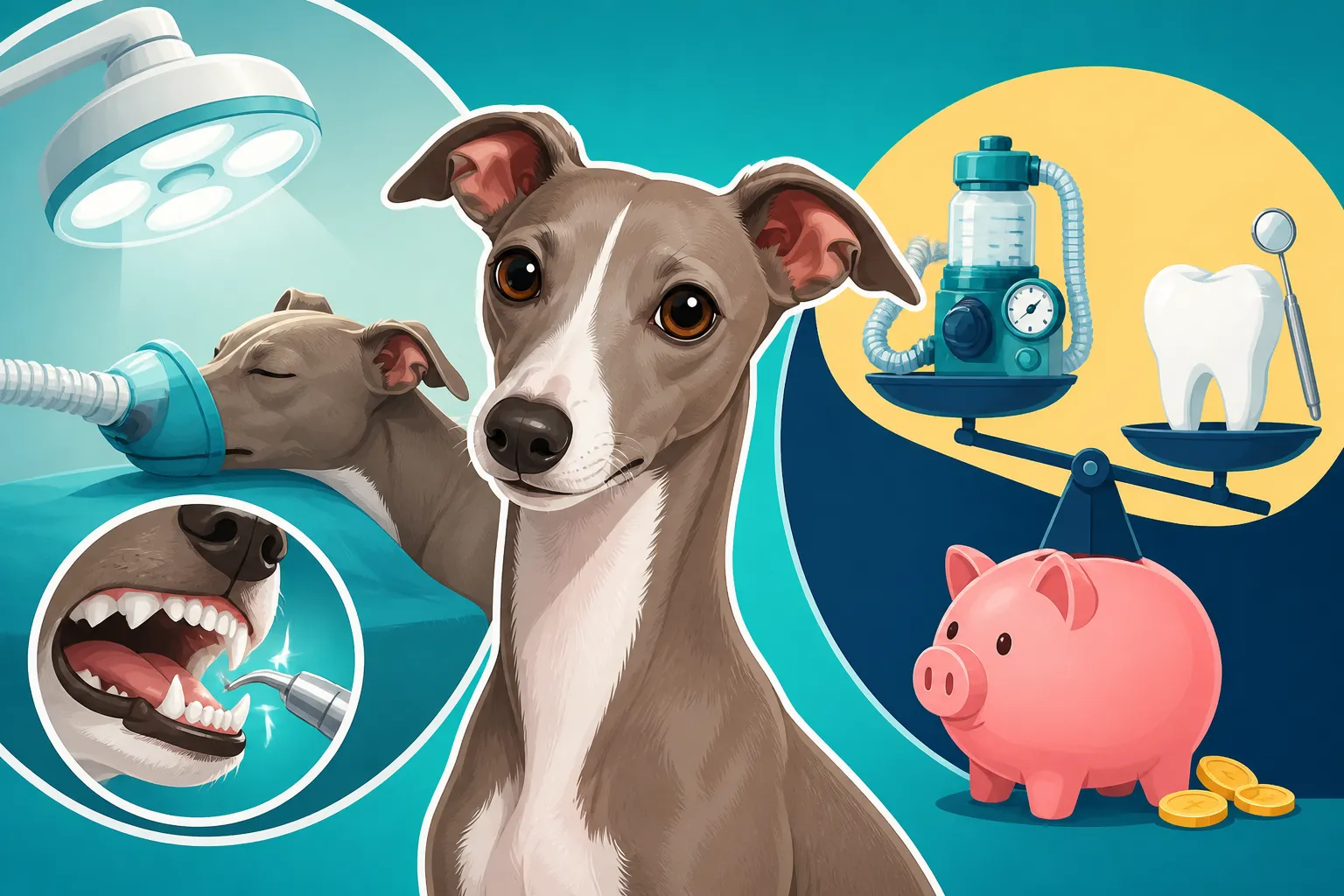
It's a common misconception that a "simple" dental cleaning shouldn't require general anesthesia, or that there are safe alternatives. For any comprehensive dental procedure on a dog, anesthesia is not just recommended, it's absolutely crucial. Imagine trying to thoroughly scale tartar from every tooth surface, including under the gumline, and then polish those teeth, on a wiggly, conscious Italian Greyhound. It's simply not possible to do a good job, nor is it humane. Beyond the practical aspects, anesthesia is vital for pain management and to allow for detailed examination and treatment of the entire oral cavity, which is often far more extensive than what you can see at home.
For an Italian Greyhound, this necessity comes with its own set of considerations and, yes, a higher price tag. Their unique physiology means that anesthesia protocols need to be carefully tailored and monitored with extra vigilance. This isn't your average dog going under; it's a delicate sighthound with specific needs that demand specialized care.
The Unique Risks Italian Greyhounds Face with Anesthesia
Italian Greyhounds are not built like many other dog breeds, and this slender, fine-boned structure extends to their internal physiology. One of the most significant factors that influences their anesthetic risk is their extremely low body fat percentage. Unlike breeds with more insulation, Iggies struggle to regulate their body temperature while under sedation. They lose heat very quickly, leading to hypothermia, which can complicate recovery and slow down the metabolism of anesthetic drugs. This means the veterinary team must invest heavily in specialized warming equipment and constant monitoring, adding layers of care and cost.
Furthermore, sighthounds, including Italian Greyhounds, can be more sensitive to certain anesthetic agents. Their liver enzyme systems process drugs differently, often more slowly, which means standard doses for other breeds could be too strong or have prolonged effects. This necessitates precise drug selection, lower dosages, and a longer, more gradual recovery period, all of which require dedicated staff time and resources. Understanding Why Anesthesia Is Handled Differently in an Italian Greyhound is key to appreciating the increased cost.
Their thin skin and prominent bone structure also make them prone to pressure sores if not positioned correctly during long procedures, requiring extra padding and careful handling. The veterinary team must be acutely aware of these breed-specific sensitivities to ensure a safe procedure from start to finish. It's a testament to the dedication of veterinary professionals that they adapt their protocols to these unique requirements.
What a Comprehensive Anesthesia Protocol Entails
When your Italian Greyhound goes in for a dental, the anesthesia process begins long before they're actually "out." It starts with a thorough pre-anesthetic examination, including a full physical check-up. This is where the vet assesses their overall health, listening to their heart and lungs, and making sure they're a good candidate for sedation. This initial assessment helps identify any potential red flags that might require further investigation or a different anesthetic approach.
A critical step is the placement of an intravenous (IV) catheter, usually in a front leg. This tiny tube is a lifeline, allowing the veterinary team to administer fluids to maintain blood pressure and hydration, and to give emergency medications rapidly if needed. The cost of the catheter itself, the IV fluids, and the dedicated time for careful placement all contribute to the overall bill. It’s a non-negotiable safety measure that provides immediate access to their circulatory system, crucial for any unforeseen complications.
Once sedated, your Iggy is never left alone. They'll have a dedicated veterinary nurse or technician whose sole job is to monitor their vital signs continuously. This involves sophisticated equipment like ECG machines to track heart rhythm, blood pressure cuffs, pulse oximeters to measure oxygen saturation, and temperature probes. These devices provide real-time data, allowing the team to adjust anesthetic depth and intervene immediately if there are any changes. The specialized training of the staff and the cost of maintaining this equipment are significant factors in the anesthesia fee. Learning Warming an Italian Greyhound Through Surgery highlights another critical component of their care.
Finally, pain management is integrated throughout the process. Italian Greyhounds, like all dogs, will experience some discomfort from dental work, especially if extractions are necessary. Anesthetic protocols typically include pain medications given before, during, and after the procedure. This ensures they wake up as comfortably as possible and helps with a smoother recovery. This comprehensive approach, tailored specifically for the breed's unique needs, transforms what might seem like a simple "going to sleep" into a highly sophisticated and closely managed medical procedure.
Breaking Down the Anesthesia Costs on Your Bill
Understanding the itemized charges related to anesthesia can demystify that sometimes-staggering number on your bill. It’s rarely just one line item for “anesthesia,” but rather a compilation of services, medications, and specialized care designed to keep your Italian Greyhound safe. Each component plays a vital role, and cutting corners on any of them could compromise your dog’s well-being. When you look at the total, remember you’re paying for expertise, specialized equipment, and constant vigilance.
Navigating veterinary costs can be challenging, but being informed helps you appreciate the value of the care your pet receives. It’s an investment in their long-term health and comfort, especially considering how common dental disease is in Italian Greyhounds. These smaller, more delicate breeds often face higher per-pound costs for medical care due to the precision and specialized attention required.
Pre-Anesthetic Diagnostics and Risk Assessment
Before an Italian Greyhound even gets close to anesthesia, pre-anesthetic bloodwork is almost universally recommended, and often mandatory. This isn't just an upsell; it's a critical safety measure. A basic blood panel provides vital information about your Iggy’s organ function, especially the liver and kidneys, which are responsible for processing and eliminating anesthetic drugs. It also checks for anemia, infection, and clotting abnormalities. For a breed that can be sensitive to medications, knowing these baseline values is incredibly important.
The cost of this bloodwork reflects the laboratory fees, whether performed in-house or sent out, and the veterinary staff's time to draw the sample and interpret the results. Sometimes, particularly for older Italian Greyhounds or those with pre-existing health concerns, a urinalysis, thyroid check, or even chest X-rays might be recommended to get a complete picture of their health. These additional tests are investments in catching potential hidden issues that could turn a routine dental into a high-risk situation.
These diagnostic steps are especially crucial for Italian Greyhounds due to their delicate systems. What seems like an extra charge is truly a foundational element of safe anesthesia. It helps the veterinary team select the safest anesthetic protocol and mitigates risks, ensuring your beloved companion has the best chance for a smooth procedure and recovery. Don't skimp on this step; it's the first line of defense in ensuring anesthesia is as safe as possible for your thin-skinned friend. What an Italian Greyhound's Pre Dental Bloodwork Costs is a direct reflection of this vital pre-screening.
Anesthetic Drugs, Monitoring, and Recovery Time
The cost of the actual anesthetic agents themselves can vary. Veterinarians use a combination of injectable drugs to induce anesthesia and then often maintain it with inhaled gases, administered through an endotracheal tube in their windpipe. Italian Greyhounds often require specific, often more expensive, drugs known for their rapid metabolism and fewer side effects in sighthounds. The volume of medication used is carefully calculated based on their precise weight, and every dose is tracked.
The bulk of the anesthesia cost often comes from the intensive monitoring and dedicated nursing care during the procedure. As mentioned earlier, your Iggy will have a technician constantly watching their vitals, adjusting the gas, monitoring heart rate, respiratory rate, blood pressure, oxygen saturation, and temperature. This continuous, one-on-one attention from a trained professional is invaluable and requires specialized skill and equipment. The hourly rate for this level of care is a significant component of the bill, and it’s a non-negotiable investment in your dog's safety.
Even after the dental procedure is finished, the care continues. Italian Greyhounds, being sighthounds, tend to wake up more slowly and can be groggy for longer due to their unique metabolism. This means they require extended post-anesthetic monitoring in a warm, quiet recovery area until they are fully alert and stable. This extended recovery time still involves dedicated staff, continued temperature regulation, and careful observation, all of which contribute to the final anesthesia charge. Understanding How Slowly an Italian Greyhound Wakes From Anesthesia helps put this cost into perspective.
Strategies to Manage and Prepare for Anesthesia Costs
The cost of anesthesia for your Italian Greyhound’s dental procedure is a reality we all face as owners. While it's a necessary expense for their health and safety, there are definitely ways to prepare for and potentially reduce the frequency of these major bills. It’s all about being proactive and making informed choices throughout your dog's life. Think of it as investing in prevention and preparing for the inevitable, rather than reacting in a crisis.
No one wants to be caught off guard by a large vet bill, especially when it involves something as routine, yet critical, as a dental cleaning. By implementing these strategies, you can not only manage the financial aspect but also ensure your Italian Greyhound receives the best possible care, minimizing risks and maximizing their comfort.
Proactive Dental Care to Reduce Frequency of Dentals
One of the most impactful ways to indirectly manage anesthesia costs for dentals is to reduce how often your Italian Greyhound needs a professional cleaning. And the best way to do that? Daily home dental care. It might sound daunting, but making tooth brushing a part of your daily routine can dramatically slow down tartar buildup and prevent serious Periodontal Disease Is the Italian Greyhound's Most Common Diagnosis. Just like with humans, consistent oral hygiene at home is the foundation of good dental health.
Start with a soft, small toothbrush and dog-specific toothpaste (never human toothpaste!). Make it a positive experience with praise and treats. Even just a minute or two of brushing can make a huge difference over time. Brands like Chewy offer a wide selection of suitable toothbrushes and enzymatic toothpastes specifically designed for pets, making it easier to find the right tools for your small Iggy's mouth. This routine care can extend the time between professional cleanings, meaning fewer instances of anesthesia.
Beyond brushing, consider other dental health aids that actually work, such as Veterinary Oral Health Council (VOHC) approved dental chews or water additives. Always research and consult your vet to ensure any product is safe and effective for your Italian Greyhound. While these won't replace brushing, they can be a helpful supplement. By keeping your Iggy's teeth cleaner at home, you’re investing in preventative care that can significantly cut down on the number of times they need full anesthesia. How Home Brushing Cuts an Italian Greyhound's Dental Bill is more than just a theory; it's a proven financial saver.
Exploring Pet Insurance and Emergency Funds
For many Italian Greyhound owners, pet insurance can be a real game-changer when unexpected veterinary costs arise, including those related to dental procedures requiring anesthesia. However, it's crucial to understand what different plans cover. Most pet insurance policies, like those offered by Healthy Paws, typically cover dental procedures that are medically necessary due to injury or illness (e.g., fractured teeth, severe periodontal disease requiring extractions), but routine cleanings are often excluded or available as an add-on wellness package. Always read the fine print regarding waiting periods and pre-existing conditions. If your Italian Greyhound already has dental issues, those specific conditions likely won't be covered by a new policy.
Even with pet insurance, an emergency fund specifically for your Italian Greyhound's care is a smart move. This fund can cover deductibles, co-pays, procedures not covered by insurance, or simply provide peace of mind for those times when you need quick access to funds. Imagine facing a sudden emergency or a more complex dental issue than anticipated; having that fund means you can make decisions based on your pet's needs, not just your immediate financial limits. Budgeting for an Italian Greyhound's Broken Leg Before It Happens applies to dental care too; anticipate these costs.
Consider setting aside a small amount each month into a dedicated savings account. Over time, this fund can grow into a substantial safety net for unexpected vet bills, including significant anesthesia costs for dentals or other necessary surgeries. It's about being prepared for the inevitable reality of pet ownership – that at some point, significant veterinary care will likely be needed.
Finding a Sighthound-Experienced Veterinary Practice
One of the best investments you can make for your Italian Greyhound's overall health, and particularly for procedures involving anesthesia, is finding a veterinarian who has specific experience with sighthound breeds. These vets understand the unique physiological quirks of Iggies, such as their sensitivity to certain anesthetic drugs, their propensity for hypothermia, and their slower metabolism of medications. They will be more adept at tailoring an anesthesia protocol that is maximally safe for your dog.
A sighthound-experienced vet might opt for different pre-anesthetic medications, specific injectable drugs, or precise gas anesthetic settings that minimize risk for your Italian Greyhound. They will also be more meticulous with warming measures during and after surgery, and will be vigilant in monitoring. While their services might sometimes incur a slightly higher fee due to this specialized knowledge and equipment, this is truly an area where paying for expertise is paramount. The peace of mind alone is worth it.
Don't be afraid to ask potential veterinary clinics about their experience with Italian Greyhounds or other sighthound breeds when discussing dental procedures. Inquire about their anesthesia monitoring protocols, their warming methods, and what types of drugs they typically use for this breed. This proactive approach ensures your beloved companion is in the most capable hands, reducing anesthetic risks and potentially preventing costly complications down the line. Why an Italian Greyhound's Vet Should Know Sighthounds is a crucial consideration for any owner.
| Anesthesia Element | Standard Dog Dental | Italian Greyhound Dental (Enhanced Care) | Cost Implication |
|---|---|---|---|
| Pre-Anesthetic Bloodwork | Often recommended, sometimes optional for young dogs | Highly recommended, often mandatory for all ages | Baseline cost, crucial for risk assessment. |
| IV Catheter & Fluids | Standard | Standard, but even more critical for hydration/blood pressure | Standard cost, non-negotiable safety measure. |
| Anesthetic Drugs | General-purpose | Sighthound-specific drugs (faster metabolism, lower doses) | Potentially higher cost for specialized drugs. |
| Monitoring Equipment | Basic vital signs (heart rate, breathing) | Comprehensive (ECG, BP, pulse oximetry, temperature, capnography) | Increased cost for advanced equipment and interpretation. |
| Dedicated Nurse/Tech | Often shared across procedures | Nearly constant, one-on-one monitoring throughout | Higher labor cost due to continuous, specialized attention. |
| Temperature Management | Basic warming pads | Active warming (forced air blankets, heated tables, IV fluid warmers) | Significant added cost for specialized warming equipment. |
| Recovery Period | Moderate, depends on breed | Extended, very careful monitoring due to slow wake-up and hypothermia risk | Increased labor cost for longer post-op care. |
| Pain Management | Pre- & post-op medication | More meticulous planning, often multi-modal throughout | Standard cost, but selection may be tailored for Iggy sensitivity. |
In the end, while the cost of anesthesia for an Italian Greyhound's dental can feel substantial, it truly represents an investment in their safety, comfort, and long-term health. Given their unique physiology, these specialized protocols, medications, and vigilant monitoring are not luxuries but necessities. By understanding what you're paying for and taking proactive steps with home care, pet insurance, and choosing a sighthound-savvy vet, you can ensure your delicate companion receives the best possible care, minimizing risk and maximizing the chances for a healthy, sparkling smile for years to come.
Disclaimer
This article is for general informational purposes only and does not constitute professional advice. Laws, prices and regulations vary by location and change over time. Consult a qualified professional for guidance on your specific situation.