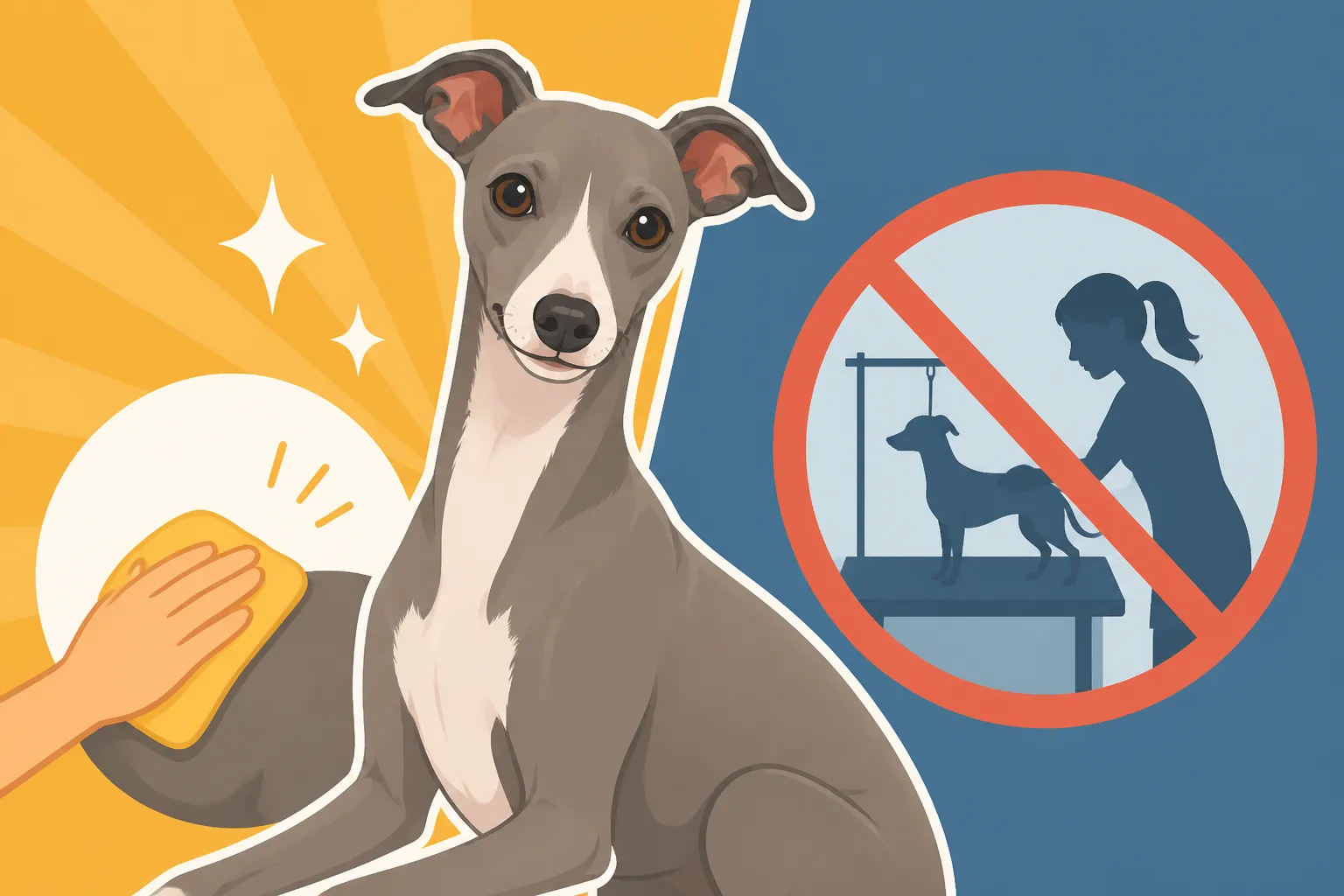
Why an Italian Greyhound Never Needs a Groomer
One common concern I hear from new Italian Greyhound owners, or those considering adding one to their family, is the perceived cost and time commitment of professional grooming. So many dog breeds require regular trips to the groomer for haircuts, de-shedding treatments, or elaborate styling, and it's natural to assume all dogs fall into that category. But I'm here to tell you that when it comes to Italian Greyhounds, those salon visits simply aren't necessary for their coat care.
The Italian Greyhound Coat: A Minimalist's Dream
Let's talk about that exquisite Italian Greyhound coat. It's truly one of the most low-maintenance in the canine world, and it's the primary reason you won't be scheduling regular appointments with a professional groomer. Unlike many other breeds with dense undercoats, long flowing hair, or wiry textures that need stripping, the Italian Greyhound boasts a single-layered, incredibly short, fine, and silky coat.
Think of it like the finest cashmere blanket, not a thick wool rug. This minimalist coat design means it doesn't mat or tangle, ever. There are no long strands to get knotted behind the ears or caught in their delicate legs. It doesn't grow long enough to require cutting or shaping. You won't find yourself battling dreaded dog hair tumbleweeds around your home, nor will you need to worry about intricate brushing routines to prevent painful knots. This unique coat is also why they are often shivering in colder temperatures, as they lack the insulation many other breeds possess. Keeping an Italian Greyhound Warm Is Daily Work, Not a Winter Job
The shedding, while present, is typically minimal and fine. It's nothing like the seasonal "coat blows" you'd experience with a Labrador or a Husky, where fur seems to come off in handfuls. Italian Greyhound hair is so fine that it often just blends into fabric or is easily wiped away with a damp cloth or a lint roller. This means no expensive de-shedding treatments at the groomer, which can cost a small fortune for larger, thicker-coated breeds. Their skin is also quite delicate and prone to tearing, so harsh brushing or extensive grooming procedures would actually be detrimental. Cuts, Scrapes and an Italian Greyhound's Paper Thin Skin
Honestly, the main "grooming" for their coat involves a quick wipe down with a soft cloth or a once-over with a rubber curry brush a couple of times a week. This helps to distribute their natural oils, giving their coat that lovely sheen, and removes any loose hairs or dust. It's a five-minute task, tops, and it's a wonderful bonding opportunity between you and your pup.
Essential Grooming Tasks You Can Easily Do at Home
While your Italian Greyhound won't be needing a "haircut" or a fancy blow-out, there are still essential grooming tasks that fall to you, the owner. The good news is, all of these are perfectly manageable at home, require minimal special equipment, and are actually crucial for your IG's overall health and comfort.
Nail Trims: A Regular Necessity
This is arguably the most important regular grooming task. Italian Greyhounds tend to have fast-growing nails, and because of their light weight and often indoor lifestyle, they don't wear them down naturally as much as a larger, more active dog might. Overly long nails can become painful, affecting their gait and even leading to foot problems or breaks if they catch on something. You’ll want to trim their nails every 1-2 weeks, depending on how quickly they grow.
I know, nail trims can feel intimidating. Many dogs hate them, and it’s easy to nick the quick. But with patience and the right tools, you can absolutely master it. A good pair of dog nail clippers or, even better, a Dremel-style rotary tool, will be your best friend. Many Italian Greyhounds are more accepting of a Dremel because it's less sudden than clipping. Start slowly, give lots of praise and high-value treats (perhaps some delicious freeze-dried salmon from Chewy's selection!), and only take off small amounts at a time. If you start this process when they're puppies, they'll be far more accustomed to it as adults. Teaching an Italian Greyhound to Accept Nail Trims
Ear Cleaning: Keeping Those Folds Fresh
Italian Greyhounds have those lovely, delicate rose ears that fold back against their head. While generally healthy and not prone to excessive wax buildup or infections like some floppy-eared breeds, it’s still good practice to check and clean them periodically. Moisture and debris can get trapped in the folds, leading to irritation.
A gentle ear cleaner recommended by your vet and some cotton balls or soft gauze are all you need. Never use cotton swabs inside the ear canal, as you can push debris further in and cause damage. Simply wipe the visible folds and the outer part of the ear canal. If you notice any redness, excessive discharge, a foul odor, or if your IG is shaking its head a lot or scratching its ears, that's a sign to call your veterinarian. These aren't grooming issues, but potential health problems that need professional diagnosis.
Dental Care: The Most Critical At-Home Grooming
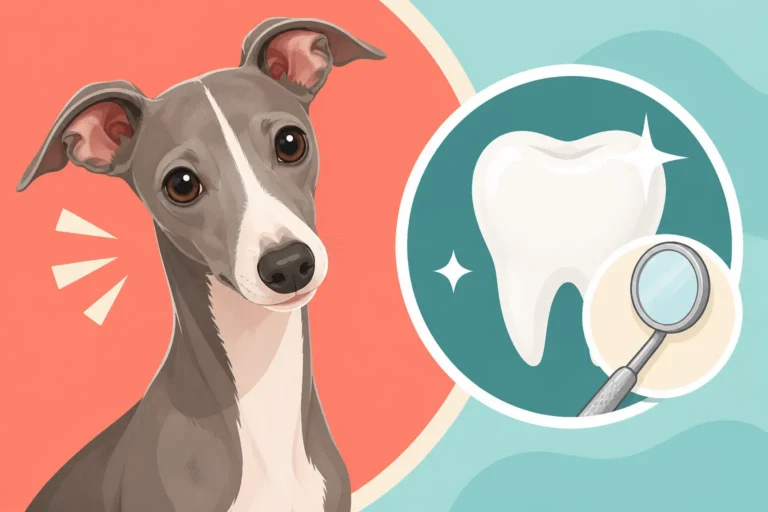
Okay, if there's one area where Italian Greyhounds absolutely, positively do need consistent, diligent "grooming" from you, it's their teeth. Periodontal Disease Is the Italian Greyhound's Most Common Diagnosis This breed is notoriously prone to dental disease, often starting at a surprisingly young age. Their small mouths and crowded teeth create perfect pockets for plaque and tartar to accumulate.
Brushing your Italian Greyhound's teeth daily is the gold standard. Yes, daily! This might sound like a huge chore, but it can become a quick routine. Use a dog-specific toothbrush (a finger brush or a child's toothbrush often works well for their tiny mouths) and an enzymatic dog toothpaste. Never use human toothpaste, as it contains ingredients toxic to dogs. Brands available from pet suppliers like Chewy offer a wide variety of dental care products specifically for dogs. Getting them used to this as a puppy is vital. Without daily brushing, you're looking at frequent, often expensive, professional dental cleanings under anesthesia, which will rack up significantly over their lifespan. Brushing an Italian Greyhound's Teeth Every Day
Bathing: When They Need a Freshen Up
Due to their short coat, Italian Greyhounds generally don't get very dirty or smelly. They might need a bath if they've rolled in something unspeakable outside, or if they've developed a bit of that "doggy smell" after a while, but it's not a weekly or even monthly affair for most. Some owners find a bath every few months, or even less frequently, is perfectly sufficient.
When you do bathe them, use a mild dog shampoo to avoid irritating their delicate skin. Warm water is a must, as they chill easily. Pat them dry thoroughly with a soft towel, and if it's cool, make sure they have a sweater or blanket to snuggle into while they finish air-drying to prevent shivering.
Comparing Grooming Needs: Italian Greyhounds vs. Other Breeds
To truly appreciate why an Italian Greyhound never needs a groomer, it helps to compare their needs to breeds that absolutely do. It highlights just how unique their care profile is.
| Grooming Task | Italian Greyhound | Poodle (Standard, Miniature, Toy) | Golden Retriever |
|---|---|---|---|
| Coat Trimming/Clipping | Never required (coat is naturally short) | Essential every 4-8 weeks to prevent matting | Not typically clipped, but feathering may be trimmed |
| De-shedding | Minimal, light shedding; easily managed with a wipe | Non-shedding, but needs regular brushing to prevent mats | Heavy seasonal shedding; professional de-shedding often recommended |
| Brushing | 1-2 times a week with a soft brush or mitt | Daily brushing to prevent severe matting | 2-3 times a week, daily during shedding season |
| Mat Removal | Not applicable (coat does not mat) | Frequent issue if not brushed; requires professional dematting/shaving | Can occur in feathering if not brushed; manageable at home usually |
| Bathing Frequency | As needed, typically every few months | Every 3-4 weeks to keep coat clean and manageable | Monthly, or as needed for outdoor activity |
| Nail Trims | Every 1-2 weeks (at home) | Every 2-4 weeks | Every 2-4 weeks |
| Ear Care | Check weekly, clean as needed (at home) | Check weekly, clean as needed; prone to infections due to floppy ears | Check weekly, clean as needed; prone to infections due to floppy ears |
| Dental Care | Daily brushing critical (at home) | Regular brushing recommended | Regular brushing recommended |
| Professional Grooming Need | Essentially none for coat; vet for dental cleanings | Regular appointments essential | Occasional tidy-ups or de-shedding sessions might be chosen |
As you can see, the contrast is stark. A Poodle's coat, while beautiful, is a job. It grows continuously, mats easily, and requires constant upkeep to stay healthy and comfortable. A Golden Retriever sheds profusely and often carries dirt and debris in its longer fur. An Italian Greyhound bypasses all those concerns. This translates directly into cost savings and less stress for both you and your dog, as you're not wrestling them into a car for a dreaded grooming appointment every month.
Beyond the Salon: When Professional Help Is Needed (But Not for Grooming)
While your Italian Greyhound won't be visiting a professional groomer for coat maintenance, it's important to understand that there are still times when professional veterinary care is absolutely essential for their well-being. These aren't "grooming" needs in the traditional sense, but medical ones.
Emergency Medical Care
Italian Greyhounds are delicate dogs, and despite our best efforts, accidents can happen. They are famously prone to leg fractures, especially when young, and this is an immediate veterinary emergency, not a grooming concern. A Broken Leg Is the Emergency Every Italian Greyhound Owner Fears If you ever find your IG limping, vocalizing in pain, or showing any signs of injury, you'll be rushing to the emergency vet, not the dog salon. The costs for such emergencies can be substantial, which is why many Italian Greyhound owners opt for comprehensive pet insurance plans, like those offered by Healthy Paws, to help manage unexpected vet bills.
Advanced Dental Procedures
As mentioned, daily tooth brushing is critical for Italian Greyhounds, but even with the best home care, many will eventually need professional dental cleanings under anesthesia. This isn't just about fresh breath; it's about preventing painful gum disease, tooth loss, and even systemic health issues. During these procedures, the vet will scale off tartar, polish the teeth, and may perform extractions if teeth are too diseased to save. This is a veterinary medical procedure, not a grooming one, and it's a recurring cost to factor into your budget. What an Italian Greyhound's Annual Dental Costs
Skin or Coat Conditions
While their coat is low-maintenance, Italian Greyhounds can still develop skin issues. Things like dry skin in winter, allergies that cause itching, or even conditions like Color Dilution Alopecia in blue or fawn IGs, which causes thinning hair and skin irritation, require veterinary attention. You might notice unusual flakiness, redness, excessive scratching, or changes in their coat texture. These aren't problems a groomer can fix; they need a proper diagnosis and treatment plan from a vet.
Routine Wellness Exams
Every Italian Greyhound, regardless of their grooming needs, requires regular veterinary check-ups. These annual or semi-annual visits are vital for preventative care, vaccinations, parasite control, and early detection of any health problems. Your vet will check their weight, listen to their heart and lungs, palpate their abdomen, and check their overall condition. They might recommend specific diets (such as the fresh food plans from Ollie, which can contribute to overall health) or supplements based on their findings.
The takeaway here is that while you'll save money and time on professional grooming services for your Italian Greyhound's coat, you must remain vigilant about their general health. The money saved on groomers can (and should) be reallocated towards quality food, excellent dental care, and an emergency fund for those times when professional medical help is truly needed.
Disclaimer
This article is for general informational purposes only and does not constitute professional advice. Laws, prices and regulations vary by location and change over time. Consult a qualified professional for guidance on your specific situation.