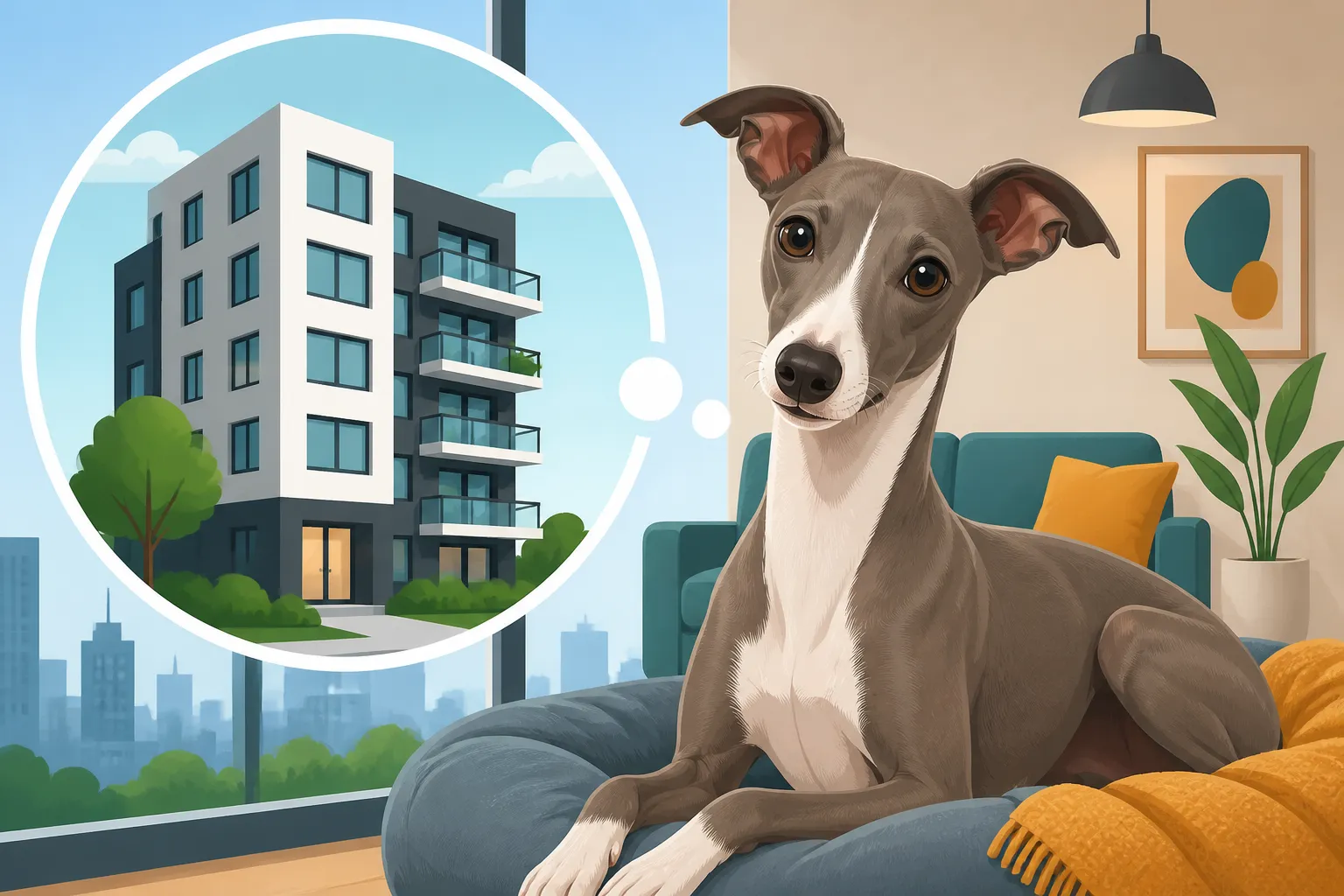
Whether an Italian Greyhound Can Live in an Apartment
Living in an apartment with a dog can present unique challenges, and for Italian Greyhound owners, concerns about space, exercise, and safety are often at the forefront. This comprehensive guide will walk you through the realities of apartment living with an Italian Greyhound, addressing common worries and offering practical solutions to ensure both you and your elegant companion thrive in a smaller footprint.
The Apartment Lifestyle: Can an Italian Greyhound Really Thrive?
Many people assume a small dog automatically means an apartment-friendly dog. While an Italian Greyhound's compact size is certainly an advantage, their specific needs and temperament mean that apartment living isn't just about fitting through the door. It's about how you adapt your space and routine to suit their delicate build and active minds. Don't be fooled by their seemingly dainty appearance; these dogs have specific requirements that, if met, can make them excellent apartment dwellers.
Space Requirements: More About Movement Than Square Footage
It might surprise you to learn that the actual square footage of your apartment is often less critical than how you utilize it for your Italian Greyhound. These dogs, while sighthounds, aren't built for endless endurance runs in a small space. Instead, they need short bursts of speed, often referred to as "zoomies" or "frapping" (Frenetic Random Activity Periods). A long, clear hallway or an open living area can provide more than enough space for these essential energy releases.
Consider clearing pathways in your main living areas. Moving coffee tables against walls or temporarily tucking away obstacles can create a "runway" for your Iggy to sprint. Unlike larger, clumsier breeds that might bowl over furniture, Italian Greyhounds are incredibly agile and can navigate tight turns with remarkable grace. The crucial element isn't necessarily having a massive open floor plan, but rather having a few meters of unobstructed space for them to stretch their legs at full throttle, which they'll do several times a day.
Noise Considerations: Keeping the Peace and Your Deposit
Apartment living often comes with the inherent challenge of shared walls and close proximity to neighbors. This means managing noise is paramount, both for your peace of mind and your relationship with those next door. Italian Greyhounds aren't typically known for incessant barking, which is a huge plus for apartment dwellers. They're generally not a breed that stands at the window howling at every passing leaf.
However, they will bark to announce visitors, express excitement, or sometimes to alert you to something they deem suspicious – which could be a strange noise in the hallway or a squirrel on the balcony. For specific insights, check out What an Italian Greyhound Barks At. Early training can help manage alert barking, and understanding their motivations for vocalizing can aid in addressing it effectively. Positive reinforcement is always key, as harsh corrections can make a sensitive Iggy withdraw.
Access to Outdoors: The Potty Break Predicament
One of the biggest hurdles for apartment living with any dog, especially a small breed with a tiny bladder like an Italian Greyhound, is frequent access to outdoor potty areas. If you're on the fifth floor, those quick trips downstairs add up, particularly for a puppy or a senior dog. This is where the logistical challenge truly hits home.
Puppies, in particular, need to go out every couple of hours, sometimes more frequently. Imagine bundling up your shivering Iggy multiple times a day, even in inclement weather, because they famously hate the cold and wet. The Italian Greyhound That Refuses to Go Out in the Cold is a real phenomenon! This is where indoor potty solutions become incredibly attractive. Many apartment dwellers successfully utilize pee pads or indoor grass patches, making life significantly easier. For detailed strategies, consider reading Setting Up an Indoor Bathroom for an Italian Greyhound.
Meeting Exercise Needs in a Compact Space
Just because your Italian Greyhound is small and lives in an apartment doesn't mean their exercise needs disappear. In fact, providing appropriate outlets for their energy is vital for their physical health and mental well-being, preventing boredom and potential destructive behaviors. Their unique exercise requirements can actually make them surprisingly well-suited to apartment life, with a bit of thoughtful planning.
Indoor Zoomies and Play: Unleashing Energy Safely
As mentioned, Italian Greyhounds excel at expending energy in short, high-intensity bursts. These "zoomies" are their natural way of running off steam, and they can happen several times a day, especially after naps or meals. An apartment, even a relatively small one, can become their personal race track.
To facilitate safe indoor play, make sure your floors offer good traction. Hardwood or tile can be slippery, increasing the risk of injury, especially when they're charging around corners. Consider runners or area rugs in their favorite play zones. Engage them with soft toys they can chase and "kill," simulating prey drive in a safe environment. Toys like crinkle balls, small stuffed animals, or soft frisbees can be great. These indoor sessions are crucial and often make up a significant portion of their daily exercise. For a deeper dive into their daily rhythm, you might want to read What an Italian Greyhound Does All Day.
Leashed Walks and Secure Outings: The Daily Adventure
While indoor play is fantastic, it doesn't replace the need for regular outdoor walks. These provide not only physical exercise but also crucial mental stimulation through new sights, sounds, and smells. For an Italian Greyhound in an apartment, leashed walks are non-negotiable. Their strong prey drive means they can never be trusted off-leash, even in seemingly secure areas. A sudden squirrel or blowing leaf can send them off at incredible speeds, impervious to your calls.
Daily walks, ideally two to three times a day, should be part of your routine. A brisk 20-30 minute walk can be sufficient, though some Iggies enjoy longer strolls. If you have access to a secure, fenced dog park, this can be a wonderful opportunity for them to really stretch out and sprint. Just be mindful of other dogs; an Italian Greyhound's delicate frame is no match for rough play with larger, heavier breeds. For tips on safe outdoor running, explore Where an Italian Greyhound Can Run Safely. If a dog park isn't accessible, consider long lines in open, safe fields, always with a secure harness.
Mental Stimulation: Brain Games for Busy Iggys
Beyond physical activity, Italian Greyhounds are intelligent and curious, needing mental stimulation to prevent boredom. This is especially true in an apartment where the external environment might be less varied than a sprawling house with a yard. Puzzle toys, where your Iggy has to figure out how to get a treat, are excellent for this. Snuffle mats, where they use their noses to hunt for kibble, can also provide a great mental workout.
Regular training sessions, even short 5-10 minute bursts, can also be mentally enriching. Teaching new tricks, practicing obedience commands, or even just working on basic manners can keep their minds sharp and engaged. Rotating their toys helps keep things fresh, too. A bored Iggy might invent their own entertainment, which could involve chewing on something inappropriate (say hello to your sofa leg!) or engaging in excessive barking.
Adapting Your Apartment for Italian Greyhound Life
Making your apartment a safe and comfortable haven for an Italian Greyhound requires a few specific adaptations, primarily due to their delicate bone structure, thin skin, and aversion to cold. These proactive measures can prevent costly vet bills and ensure your Iggy lives a long, happy life.
Temperature Control: Keeping Your Iggy Cozy
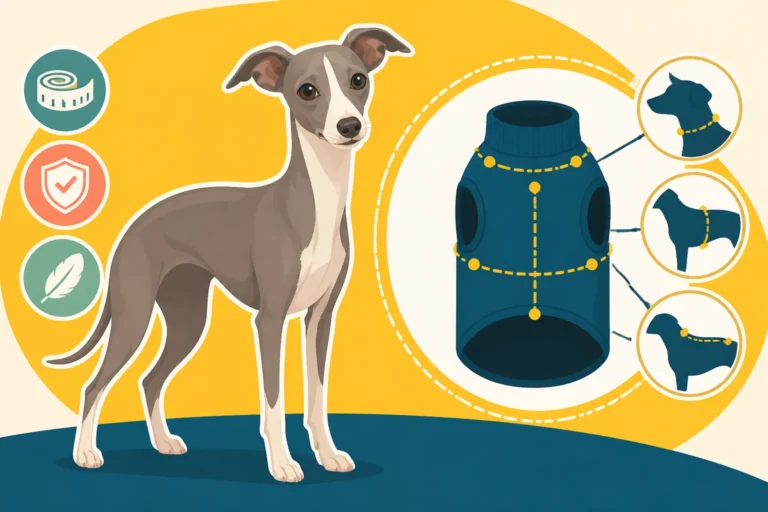
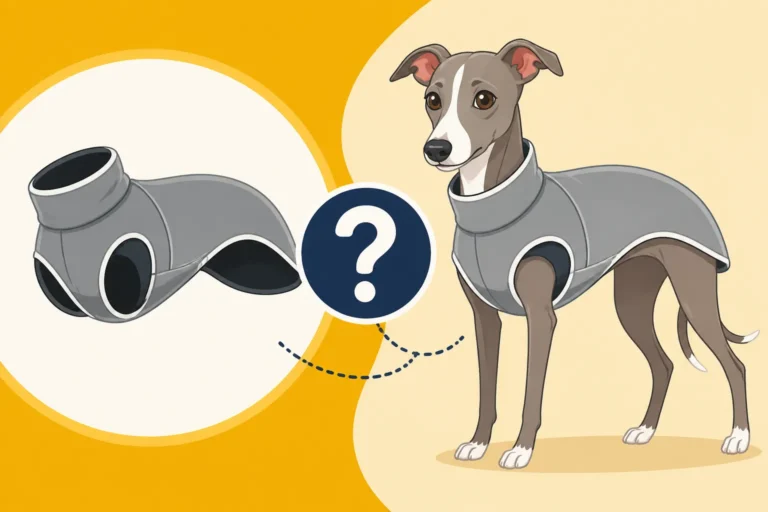
Italian Greyhounds have minimal body fat and a very fine coat, making them highly susceptible to cold. This means your apartment's thermostat setting and their wardrobe become far more important than for most other breeds. Even indoors, especially during cooler months or if your apartment tends to be chilly, they will likely need sweaters or pajamas.
You'll quickly learn your Iggy's comfort zone, but a good rule of thumb is that if you feel cool, they likely feel frigid. For detailed guidance on ideal temperatures, refer to The Indoor Temperature an Italian Greyhound Starts Shivering At. Many owners invest in heated beds or snuggle sacks to provide extra warmth, particularly in drafty apartments or if their Iggy enjoys burrowing. Keeping them warm prevents shivering, which isn't just uncomfortable but also burns calories rapidly in their lean bodies.
Safety Proofing: Preventing Accidents in Small Spaces
The most significant safety concern for Italian Greyhounds, especially puppies and young adults, is their propensity for breaking bones, particularly their slender front legs. Common apartment hazards include jumping off furniture or slipping on slick floors. You might think, "Oh, they're small, they won't jump high," but an Iggy's spring-loaded legs can launch them surprisingly far!
To mitigate risks, consider ramps or pet stairs for accessing sofas and beds. This isn't just for puppies; many adult Iggys still benefit from these to prevent injury from misjudged jumps. You can find more information on this in Ramps and Steps for an Italian Greyhound's Furniture. Laying down non-slip mats or rugs on hard floors, especially near common jumping-off points, is also a wise precaution. If you use a brand like Chewy for pet supplies, you'll find a wide selection of orthopedic beds, ramps, and non-slip rugs designed to enhance safety. Also, be mindful of where you step, as Iggies are prone to getting underfoot, and a dropped object or accidental stumble can cause severe injury.
Potty Solutions for Apartment Living
As touched upon earlier, frequent outdoor access can be a challenge. Implementing an effective indoor potty solution can be a game-changer for apartment dwellers. There are several options, and finding what works best for you and your Iggy might involve some trial and error.
Indoor Potty Options for Italian Greyhounds
| Option | Description | Pros | Cons |
|---|---|---|---|
| Pee Pads | Absorbent disposable or washable pads placed in a designated area. | Convenient, easy cleanup, widely available. | Can be messy if not trained well, some dogs chew them. |
| Indoor Grass | Real or artificial grass patches, often with a drainage system. | Mimics natural outdoor experience, preferred by some dogs. | Requires cleaning/maintenance, can be more expensive. |
| Litter Box | A traditional cat litter box filled with dog-specific litter or pee pads. | Contains mess, familiar concept for many pet owners. | Some dogs may not take to it, requires regular scooping/changing. |
Consistency is key when using any indoor potty system. Always reward successful eliminations in the correct spot. While indoor solutions offer convenience, remember they don't replace the need for outdoor walks for exercise and mental enrichment.
The Social Aspect: Managing Separation Anxiety and Neighbors
Italian Greyhounds are often called "Velcro dogs" for a reason – they thrive on companionship and can form incredibly strong bonds with their human family. This intense attachment, while endearing, can sometimes lead to challenges in apartment settings, particularly concerning separation anxiety and interactions with neighbors.
The Velcro Dog Dilemma: Minimizing Alone Time
The term "Velcro dog" perfectly captures the Italian Greyhound's desire to be constantly by your side. They will follow you from room to room, often preferring to be touching you. For more on this, check out Why an Italian Greyhound Follows You Room to Room. This deep need for connection means they can be prone to separation anxiety if left alone for extended periods. In an apartment, where neighbors are close, this can manifest as whining, barking, or even destructive behaviors like scratching at doors, which can quickly become a nuisance.
Minimizing alone time is crucial. If you work long hours, consider hiring a pet sitter or dog walker, or exploring doggy daycare options. Even a mid-day visit can make a huge difference. For insights into how long they can truly cope, see How Long an Italian Greyhound Copes Alone. If you suspect your Iggy is developing separation anxiety, look for signs like excessive drooling, destructive chewing, or frantic attempts to escape when you leave. Signs an Italian Greyhound Has Separation Anxiety can offer more detail. Early intervention and management are key, often involving gradual desensitization, calming aids, and ensuring they have appropriate enrichment when you're gone.
Neighborly Nuisances: Barking and Greetings
While Italian Greyhounds aren't typically known as excessive barkers, their alert barks can be quite piercing in an apartment building. This is especially true if they react to hallway noises like neighbors coming and going, or the sounds of other pets. Training them to be quiet on command or redirecting their attention when they start to bark at perceived threats in the hallway can be very helpful.
Another aspect of apartment living is managing greetings with neighbors. Some Iggys can be a bit shy or reserved with strangers, while others are enthusiastic greeters. Teaching good manners, such as not jumping up or barking excessively at new people, is important. A friendly but calm greeting benefits everyone. If you have particularly sensitive neighbors, a small treat jar by the door for polite interactions can go a long way in building goodwill.
Building a Community: Vet Care and Pet Services
Living in an apartment often means you're in a more urban or suburban environment, which can be a huge advantage for accessing quality pet services. You'll want to find a veterinarian who is experienced with sighthounds and understands their unique physiological needs, especially concerning anesthesia. Many urban areas have excellent specialty vets. You can explore potential costs in What an Italian Greyhound's Emergency Vet Visit Costs.
When it comes to pet supplies, services like Chewy can be invaluable for apartment dwellers, delivering everything from food (perhaps even fresh food options like Ollie if you're looking for a specific diet) to toys and medications right to your door, saving you trips to the store. For health care, reputable pet insurance providers like Healthy Paws can offer peace of mind, especially given the breed's delicate bones and potential for dental issues later in life. Building a network of trusted pet service providers – from groomers to sitters (consider Why Italian Greyhound Owners Use Sitters Instead of Kennels for good reasons) – is an essential part of successful Italian Greyhound ownership in an apartment.
Ultimately, an Italian Greyhound can absolutely thrive in an apartment, provided their human companions are committed to meeting their specific needs for exercise, warmth, safety, and companionship. Their small size and relatively low outdoor exercise requirements (compared to, say, a Labrador) make them surprisingly adaptable to compact living spaces. With thoughtful planning and dedication, your Italian Greyhound can be a wonderful, well-adjusted apartment companion.
Disclaimer
This article is for general informational purposes only and does not constitute professional advice. Laws, prices and regulations vary by location and change over time. Consult a qualified professional for guidance on your specific situation.