Housetraining an Italian Greyhound Is the Hardest Part of Owning One
The dream of bringing home an adorable Italian Greyhound puppy often comes with visions of snuggles on the sofa and playful zoomies around the house. What many new owners don't fully anticipate, however, is the very real, often frustrating, journey of housetraining this unique breed. It's a common pain point for Iggy parents everywhere: these delicate, sensitive sighthounds can be notoriously difficult to potty train, leading to countless accidents, carpet stains, and moments of despair. This comprehensive guide is here to shed light on why Italian Greyhounds present such a challenge and equip you with the practical, empathetic strategies needed to achieve consistent housetraining success, building a foundation of trust and understanding with your sensitive companion.
Why Italian Greyhounds Pose a Unique Housetraining Challenge
It’s easy to feel like your Italian Greyhound is deliberately trying to thwart your efforts when housetraining doesn’t click as quickly as you expect. But understanding the breed's inherent characteristics can help you reframe the problem from one of willful disobedience to one of specific needs and sensitivities. Italian Greyhounds aren't trying to be "bad"; they're simply built differently, both physically and psychologically, than many other breeds.
The Italian Greyhound's Small Bladder and Fast Metabolism
One of the most significant hurdles in housetraining an Italian Greyhound is their diminutive size, which comes with a proportionally small bladder. This isn't just a cute quirk; it's a biological fact that directly impacts how long they can physically hold their urine. Unlike a larger dog who might comfortably hold it for several hours, an Iggy puppy, and even some adults, simply doesn't have the capacity.
Imagine trying to hold your breath for five minutes when your lungs are only designed for thirty seconds – that's often what we're asking of a young Italian Greyhound. Their metabolism is also quite fast, meaning food and water pass through their system more quickly. This double-whammy translates to a need for incredibly frequent potty breaks, far more than you might be accustomed to with other breeds. If you're scheduling potty breaks for every three to four hours for a young puppy, you're likely setting yourself up for failure, as their tiny bladder may have reached its limit long before then. It’s not uncommon for an Iggy puppy to need to go out every hour, or even more frequently, after waking, eating, or a burst of playtime. This biological reality means that many "accidents" aren't acts of defiance, but rather instances where the dog simply couldn't physically hold it any longer.
Extreme Sensitivity to Weather and Environment
If you've spent any time with an Italian Greyhound, you know they are creatures of comfort, often preferring a soft blanket and a warm lap to the great outdoors, especially when the weather isn't perfectly serene. This isn't just a preference; it's a matter of physiological comfort. Italian Greyhounds have extremely thin skin and very little body fat, making them highly susceptible to cold, damp, and windy conditions.
Picture yourself having to use an outdoor restroom in a blizzard, wearing nothing but a light t-shirt. That's how many Iggies perceive a chilly, rainy, or snowy day. A cold gust of wind, a few drops of rain, or the sensation of damp grass under their paws can be enough to send them scurrying back indoors, often with their bladder still full. Owners frequently report taking their Iggy out, watching them shiver and refuse to go, only for the dog to relieve themselves on the carpet mere moments after coming back inside. This isn't stubbornness; it's genuine physical discomfort. Expecting a sensitive Iggy to brave the elements for their potty break without proper protection and encouragement is often a losing battle. Understanding Why an Italian Greyhound Cannot Hold Its Own Heat is crucial here.
The Impact of Their Sighthound Instincts and Distractibility
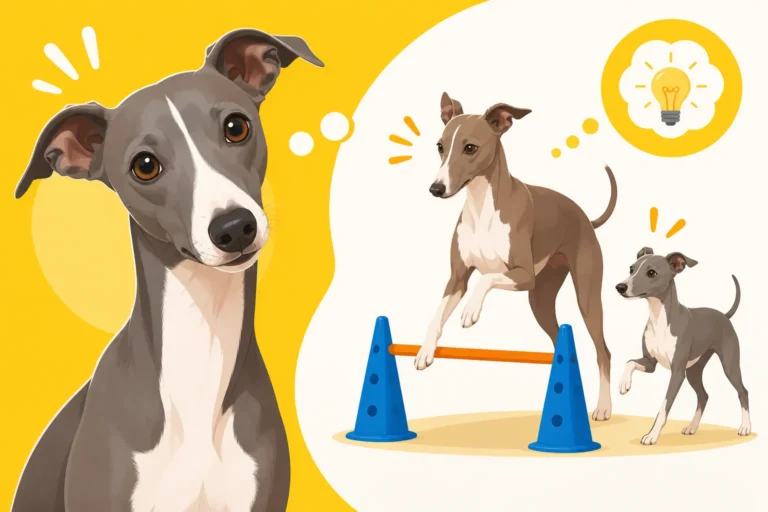
Italian Greyhounds are sighthounds, and this heritage comes with a strong prey drive and an innate curiosity about their surroundings. While this makes them fascinating to watch when they're zipping around the yard, it can become a significant distraction during housetraining. When an Iggy is outside, their keen eyesight and hunting instincts are constantly engaged. A rustling leaf, a distant bird, a squirrel darting up a tree, or even a blowing plastic bag can immediately capture their full attention, overriding any pressing need to empty their bladder.
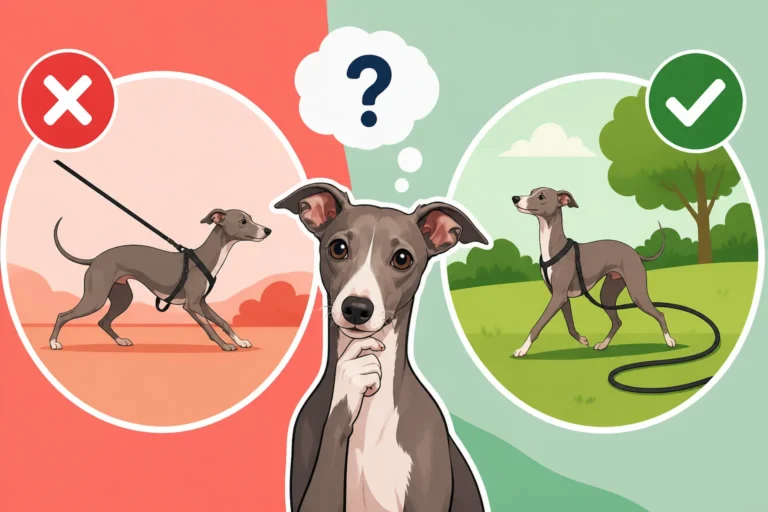
This intense distractibility means that a "potty break" can quickly turn into a prolonged surveillance mission where the dog completely forgets why they were taken outside in the first place. You might spend ten minutes waiting patiently, only for your Iggy to be so focused on a butterfly that they completely ignore the urge to pee. Then, once back inside, where the environment is calm and free of such captivating distractions, they finally remember their bodily needs and have an accident. This isn't them being deliberately difficult; it's their hardwired sighthound brain taking over. This instinctual drive to chase and observe makes focused potty trips essential and requires a proactive approach to minimize environmental distractions during these critical times. It's one of the reasons Why an Italian Greyhound Cannot Be Trusted Off Leash, Ever.
Laying the Groundwork: Creating a Housetraining Friendly Home
Successful housetraining isn't just about taking your dog out; it's about structuring their environment and your routine to make success inevitable and accidents nearly impossible. For an Italian Greyhound, this means a thoughtful approach to their living space, both indoors and out, and a keen understanding of their unique needs.
The Importance of a Secure and Predictable Potty Area
Establishing a specific, safe, and consistent outdoor potty area is paramount for an Italian Greyhound. These dogs thrive on routine and predictability, and knowing exactly where they are expected to do their business removes a layer of confusion. Your outdoor potty area needs to be, first and foremost, escape-proof. Iggies are surprisingly agile and can scale or squeeze through gaps you might not expect. A secure fence that is high enough and flush to the ground is crucial.
Beyond security, think about comfort. Since Iggies are so sensitive to weather, consider a spot that offers some shelter from rain, wind, or harsh sun. A small overhang, a patch of artificial turf under a patio cover, or even a strategically placed bush can make a world of difference in their willingness to go outside in less-than-ideal conditions. Keep this area free from high foot traffic or other distractions that might deter them. When you take your Iggy to this designated spot every single time, they quickly learn to associate that particular area with the act of elimination, streamlining the process and reducing confusion. This consistency reinforces the habit and allows them to perform their duty quickly and confidently.
Utilizing Crates and Indoor Potty Solutions Effectively
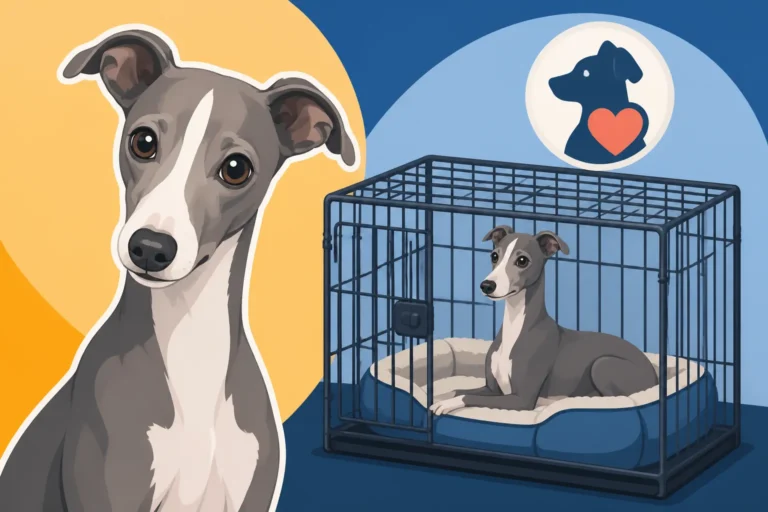
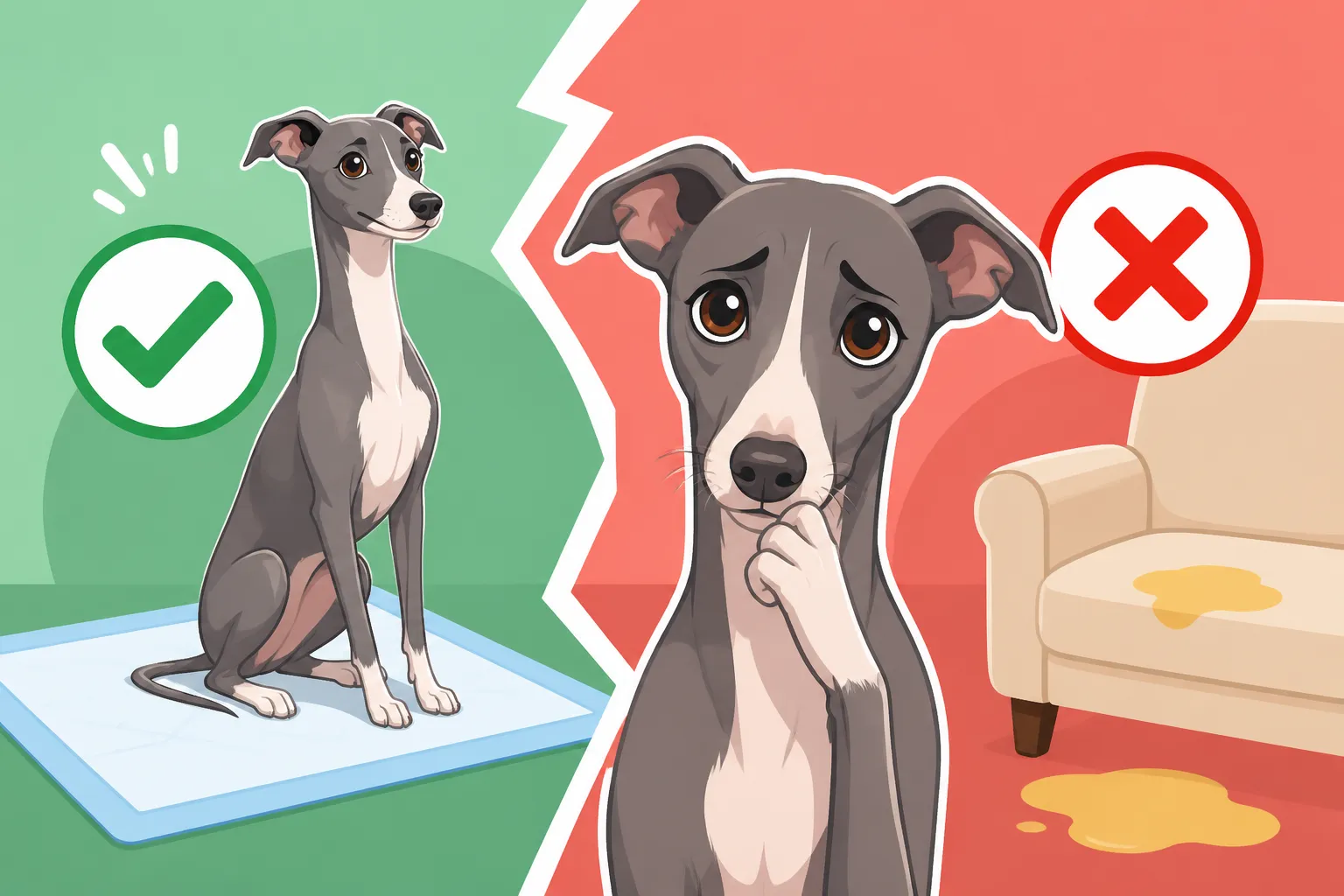
For many Italian Greyhound owners, a combination of outdoor access and indoor potty solutions proves to be the most effective strategy, especially during the colder months or when you can't offer constant supervision. A crate, when used properly, is an invaluable housetraining tool. The principle behind crate training is that dogs are naturally inclined not to soil their sleeping area. A crate should be just large enough for your Iggy to stand up, turn around, and lie down comfortably, but not so large that they can designate a "bathroom" corner.
It's crucial to understand that a crate is not a place for punishment, but a safe den. When you cannot actively supervise your Iggy, crating them for short periods prevents accidents and reinforces bladder control. Coupled with a crate, indoor potty solutions like pee pads or litter boxes can be a lifesaver for Iggies. Given their aversion to cold, rain, or snow, having an indoor alternative means they can relieve themselves comfortably without risking an accident indoors. Many owners successfully Litter Box Training an Italian Greyhound, using a large, low-sided litter box with specific litter designed for dogs or even real grass pads. You can find a variety of these indoor potty setups, along with crates and training aids, on platforms like Amazon, which offers a wide selection to suit different preferences and spaces. Learning about Setting Up an Indoor Bathroom for an Italian Greyhound can be a game-changer.
Managing Food and Water Schedules for Predictable Outputs
Free-feeding your Italian Greyhound might seem convenient, but it can be the nemesis of successful housetraining. When food and water are available around the clock, your dog's bowel and bladder movements become unpredictable, making it nearly impossible to anticipate when they’ll need to go outside. Establishing a consistent feeding schedule is one of the simplest yet most effective steps you can take.
Aim to feed your adult Iggy two meals a day at consistent times. For puppies, it might be three meals. After an Iggy eats, their digestive system gets to work, and it's highly probable they will need to defecate within 15-45 minutes. Similarly, while constant access to fresh water is important for their health, you can manage when they have access to large quantities. For example, limiting water intake an hour or two before bedtime can significantly reduce the likelihood of overnight accidents. Always offer water immediately after waking, during and after playtime, and after meals, but be prepared to take them out within minutes. This structured approach to food and water intake allows you to predict, with reasonable accuracy, when your Iggy will need to relieve themselves, empowering you to schedule timely outdoor trips and minimize surprises.
The Daily Grind: Consistency, Supervision, and Positive Reinforcement
Housetraining an Italian Greyhound isn't a quick fix; it's a marathon that requires unwavering dedication. The secret sauce is a blend of diligent scheduling, hawk-like supervision, and a generous heaping of positive reinforcement. Without these three pillars, you'll find yourself constantly battling setbacks and feeling like you're not making progress.
Establishing a Strict and Frequent Potty Schedule
Consistency is king when it comes to housetraining an Italian Greyhound. You need to create a strict schedule and stick to it religiously, especially in the early days and weeks. For a young Italian Greyhound puppy, this means taking them out at least every hour to two hours, without fail. Beyond these regular intervals, you must take them out immediately after they wake up from a nap, within a few minutes of finishing a meal or drink, and after any period of intense play.
Think of it like this: your job is to give them so many opportunities to succeed outside that they simply don't have a chance to fail inside. Set alarms on your phone if you need to! It's easy to get distracted or think, "Oh, they just went an hour ago, they'll be fine." But remember their small bladders and fast metabolisms. That extra fifteen minutes could be the difference between a successful outdoor trip and a puddle on your rug. As they get older and gain better bladder control, you can gradually extend these times, but in the beginning, assume they always need to go. Patience and repetition are your best friends here. You might be surprised by How Long Housetraining an Italian Greyhound Takes.
Vigilant Supervision and Reading Your Italian Greyhound's Cues
This might be the most challenging aspect for many owners, but it is absolutely critical: you must supervise your Italian Greyhound almost constantly when they are not crated. If you can’t actively watch them – and by actively, I mean not just in the same room, but with your eyes on them – then they should be crated or tethered to you. This strategy is often called "umbilical cording" because your dog is literally attached to you, preventing them from sneaking off to a quiet corner for an accident.
Beyond preventing accidents, vigilant supervision allows you to learn your Iggy's unique potty cues. Italian Greyhounds, being sensitive and often subtle, might not give dramatic signals. They might suddenly stop playing, start sniffing the ground intently, circle a particular spot, or quietly head towards an out-of-the-way area. These cues can be incredibly fleeting, so you need to be observant. The moment you see any sign, calmly and quickly pick up your Iggy (avoiding startling them) and carry them directly to their designated outdoor potty spot. Don't scold, don't yell – just move them to where they're supposed to go. This immediate redirection is key to teaching them the correct behavior.
The Power of Praise, Treats, and Immediate Rewards
For a sensitive breed like the Italian Greyhound, positive reinforcement isn't just a preferred method; it's practically the only effective method. Scolding, yelling, or punishing an Iggy for an indoor accident will almost always backfire. It teaches them to fear you, to hide their accidents, and to associate your presence with negativity during potty times, making them even more reluctant to relieve themselves in front of you. Why Punishment Makes an Italian Greyhound Hide to Go is a critical concept to grasp here.
Instead, focus entirely on rewarding success. When your Italian Greyhound goes potty in the designated outdoor spot (or on their indoor pad, if using one), immediately unleash a "jackpot" of praise and high-value treats. I'm talking about an enthusiastic "GOOD POTTY! YES!" followed by tiny, delicious treats they don't get at any other time. The timing is paramount: the reward must happen during or immediately after the act of elimination, while they are still in the correct spot. This creates a strong, positive association: "Potty outside = amazing things happen!" If you wait until you get back inside, the connection won't be as strong. Consistent positive reinforcement builds confidence, trust, and a genuine desire to please, making them eager to perform the desired behavior. Many online training programs, like those offered by BAXTER & Bella, emphasize these foundational principles of positive reinforcement to help owners build a strong bond and successful training habits from day one.
Navigating Setbacks: Accidents, Regression, and Marking Behaviors
Even with the most meticulous planning and dedicated effort, setbacks are an inevitable part of the housetraining journey with an Italian Greyhound. It's easy to feel defeated when accidents happen, but understanding why they occur and how to handle them calmly and effectively can prevent them from derailing your progress entirely.
Handling Indoor Accidents with Calmness and Thorough Cleaning
The moment you discover an indoor accident, your first instinct might be frustration, perhaps even anger. However, it's crucial to resist the urge to scold or punish your Italian Greyhound. As mentioned, Iggies are incredibly sensitive, and a harsh reaction will only teach them to fear you and hide their accidents, making the problem worse. If you catch them in the act, a quick, calm interruption ("Ah-ah!") followed by immediately taking them to their designated potty spot might work, but usually, by the time you see the puddle, it's too late for them to connect your reaction to their action.
The most important step after an accident is cleaning. And I don't just mean a quick wipe-up. You need to use an enzymatic cleaner specifically designed to break down pet odors. Dogs are driven by scent, and if any trace of urine or feces odor remains, it acts as a beacon, telling them, "This is a good spot to go again!" Standard household cleaners might mask the smell to your nose, but your Iggy's superior sense of smell will still detect it. Thorough cleaning neutralizes these scent markers and helps prevent repeat offenses in the same spot. Remind yourself that an accident is rarely malicious; it's almost always a failure of supervision or timing on our part.
Addressing Housetraining Regression and Adolescent Challenges
Just when you think you've turned a corner and your Italian Greyhound is perfectly housetrained, you might experience a period of regression. This is incredibly common, especially during adolescence, which for Iggies can range from six months up to 18 months or even two years. During this phase, dogs, much like human teenagers, test boundaries, become more confident, and sometimes "forget" previously learned behaviors. It can be incredibly frustrating to suddenly find accidents reappearing after weeks or months of perfect behavior.
Regression can also be triggered by changes in routine, a new environment, stress, illness, or even just your own laxity in maintaining the strict schedule you once had. The best way to handle regression is to go back to basics. Seriously. Revert to the intensive, frequent potty schedule you used when they were a tiny puppy. Increase your supervision, use the crate more diligently, and heavily reward every successful outdoor potty. Don't assume they've forgotten; assume they need a refresher course and a reaffirmation of the rules. It's a temporary setback, not a permanent failure, and consistent re-training will get you back on track.
Dealing with Marking Behavior in Intact and Neutered Italian Greyhounds
Marking is a specific type of urination behavior that differs from a simple potty accident, although it often gets lumped together. Primarily seen in intact male Italian Greyhounds (but occasionally in females and even some neutered males), marking is a territorial communication rather than a pure need to empty the bladder. They'll typically lift a leg (or squat) and release a small amount of urine on vertical surfaces like furniture legs, walls, or even your unsuspecting grocery bags.
Addressing marking requires a slightly different approach. If your male Iggy is intact and marking, considering neutering can often reduce or eliminate the behavior, though it's not a guaranteed fix. For management, "belly bands" are invaluable. These fabric wraps fit around your male dog's waist, covering his penis, and are lined with a disposable pad. They catch any marking attempts, protecting your home while you work on training. You can find these helpful items on Amazon. When outside, give them plenty of opportunities to mark on appropriate surfaces (trees, lampposts) to satisfy the urge. Indoors, vigilant supervision is key. The moment you see them preparing to mark, interrupt them with a quick clap or "No!" and immediately take them outside to an appropriate spot. Consistent interruption and redirection, combined with thorough enzymatic cleaning of marked areas, are essential to managing this particular challenge. Whether a Belly Band Helps an Italian Greyhound is a common question, and for many, the answer is a resounding yes.
Adapting to Environmental Challenges: Cold Weather and Beyond
Italian Greyhounds, with their fine coats and minimal body fat, are notoriously sensitive to weather. What might be a pleasant autumn stroll for a Labrador is a shivering ordeal for an Iggy. This inherent sensitivity directly impacts their willingness to go potty outdoors, creating significant challenges for owners in various climates.
Strategies for the Cold-Averse Italian Greyhound
The struggle is real for Italian Greyhound owners facing cold weather. The minute temperatures drop, many Iggies seem to develop selective amnesia about their housetraining. They'll stand at the door, gaze mournfully at the icy patio, shiver dramatically, and then absolutely refuse to step outside, let alone squat for a potty break. It’s deeply frustrating, but remember, this isn't defiance; it's genuine physical discomfort. The Indoor Temperature an Italian Greyhound Starts Shivering At is often higher than you'd expect.
To combat this, you need to create a comfortable potty experience. Invest in a high-quality, well-fitting winter coat or even multiple layers for your Iggy. Think insulated and waterproof. Consider booties if the ground is frozen or snow-covered to protect their delicate paws. Some owners even create a sheltered "potty patch" on a covered porch or patio, sometimes using a patch of artificial turf, to shield their Iggy from the direct elements. When you do take them out, make it a quick, purposeful trip. No meandering. Get them to their spot, say your potty cue, reward instantly when they go, and then get them back inside to warmth. The goal is to make the outdoor experience as swift and positive as possible. Learning How Many Layers an Italian Greyhound Needs Below Freezing highlights just how much protection they might require.
Managing Potty Breaks in Rain, Snow, and Extreme Heat
It's not just freezing temperatures that deter an Italian Greyhound; rain, snow, and even intense heat can pose significant challenges to their housetraining habits. A drizzle that you barely notice can feel like a torrential downpour to a thin-skinned Iggy, leading to immediate reluctance to step outside. Similarly, deep snow can be frightening and uncomfortable for their small legs and delicate paws.
For rainy days, a waterproof raincoat is essential. Some Iggies might tolerate a little rain if they are well-covered, but many will still prefer to hold it. When it's snowing, clear a small, easily accessible path to their designated potty spot, and again, consider booties. In extreme heat, the issue shifts from cold discomfort to burning paws on hot asphalt and risk of overheating for a breed not built for intense sun exposure. Walk them early in the morning or late in the evening when surfaces are cooler, or stick to grassy, shaded areas. Always carry water for them. The key across all these challenging conditions is to understand their physical limitations and provide solutions, whether it's protective gear or adapting the time and location of their potty breaks. Don't expect them to "just tough it out"; they won't, and you'll end up with an accident. Why an Italian Greyhound Refuses to Go Out in Rain is a common lament, and understanding it is half the battle.
Traveling and New Environments: Maintaining Housetraining Habits
Travel, moving to a new home, or even just visiting friends can throw an Italian Greyhound's housetraining completely off kilter. New smells, unfamiliar sights, and a disruption in routine can cause anxiety and confusion, often leading to accidents in places they would normally never soil. It’s important to recognize that a change in environment can trigger regression, and you need to be prepared to revert to basic housetraining strategies.
When traveling, bring familiar items like their crate, blankets, and even a patch of their indoor potty solution if you use one. Upon arrival at a new location, your first priority should be to establish a new "potty zone" immediately. Take your Iggy out frequently, as if they were a brand-new puppy, giving them ample opportunities to relieve themselves in the correct spot. Supervise them even more closely than usual in the new environment, as they might try to mark or have accidents due to stress or unfamiliarity. Be patient, offer extra reassurance, and celebrate every successful outdoor potty with enthusiasm. By proactively managing their environment and expectations during travel or moves, you can help minimize setbacks and keep their housetraining habits intact.
Long-Term Success and Troubleshooting Advanced Issues
Housetraining an Italian Greyhound is not just a phase; it's a commitment to consistent management and positive reinforcement that extends throughout their lives. Even after months or years of perfect behavior, issues can crop up, and knowing how to troubleshoot them or when to seek expert help is vital for lasting success.
Transitioning from Indoor Potty Solutions to Outdoors Only
Many Italian Greyhound owners wisely start with indoor potty solutions, such as pee pads or litter boxes, especially for young puppies or those acquired during winter. This gives the Iggy a reliable place to go when outdoor conditions are prohibitive or their bladder control is still developing. However, if your long-term goal is for your Iggy to go exclusively outdoors, a structured transition plan is necessary.
Start by gradually moving the indoor potty solution closer and closer to the door your Iggy uses for outdoor breaks. Once it's right by the door, start moving it just outside the door, always praising enthusiastically for successful use. At the same time, increase the frequency of your dedicated outdoor potty trips, ensuring they have plenty of opportunities to relieve themselves directly on the grass or ground. The key is to make the outdoor experience highly rewarding – more exciting than using the indoor option. Slowly reduce the size of the indoor pad or the availability of the litter box, until it's no longer present. Be prepared for a few accidents during this transition and remember to fall back on basic supervision and frequent trips if regression occurs. Some Iggies, due to their profound weather sensitivity, might always benefit from having an indoor option available, and that's perfectly acceptable if it works for your household.
Persistent Accidents and When to Seek Professional Help
If, despite all your consistent efforts, strict schedules, and positive reinforcement, your Italian Greyhound continues to have frequent accidents, it's time to consider other factors. The first step should always be a visit to your veterinarian to rule out any underlying medical conditions. Urinary tract infections (UTIs), bladder stones, kidney issues, or even cognitive dysfunction in older dogs can all manifest as accidents. Your vet can perform tests to ensure there's no physiological reason preventing your Iggy from holding it or signaling their need.
If medical issues are ruled out, the problem might be behavioral. This is when consulting a certified professional dog trainer or a veterinary behaviorist experienced with sighthounds can be invaluable. They can observe your Iggy's behavior, assess your training methods, and identify any subtle triggers or anxieties that might be contributing to the accidents. Sometimes, issues like separation anxiety can manifest as inappropriate urination. A professional can help devise a tailored plan that addresses the specific behavioral root of the problem, offering insights and strategies that you might not have considered. Don't be afraid to ask for help; some issues are simply too complex to solve alone. Why an Italian Greyhound Owner Buys a Tracker might be unrelated to potty training, but owners often invest in expert tools for peace of mind.
Maintaining Housetraining Habits Throughout an Italian Greyhound's Life
Housetraining isn't a "set it and forget it" task, especially with Italian Greyhounds. It's a lifelong commitment to consistency. Even a perfectly housetrained adult Iggy can regress if their routine changes dramatically, if they experience stress, or if you, as the owner, become lax in your habits. For instance, as an Italian Greyhound ages, their bladder control might naturally weaken, or they might develop conditions that increase their urge to urinate more frequently, such as kidney disease or certain medications.
For senior Iggies, you might need to revert to more frequent potty breaks, similar to puppyhood. Be mindful of any changes in their behavior that signal discomfort or a reduced ability to "hold it." Keep their outdoor potty area easily accessible and consider reintroducing an indoor option if it provides them comfort and prevents accidents. The principles of vigilance, patience, and positive reinforcement remain the cornerstones of successful housetraining throughout your Italian Greyhound's entire life, from their boisterous puppy days to their serene senior years. Building that trust and understanding from the beginning will make these later adjustments much smoother.
| Housetraining Method/Tool | Pros for Italian Greyhounds | Cons for Italian Greyhounds |
|---|---|---|
| Crate Training | Leverages natural instinct not to soil sleeping area; prevents accidents during unsupervised times; provides safe den. | Requires correct size; should never be used for punishment; requires frequent supervised breaks. |
| Pee Pads/Litter Boxes | Offers indoor option for weather-sensitive Iggies; convenient for apartment living or long work hours; provides immediate relief. | Can be difficult to transition to outdoors; some Iggies prefer pads indefinitely; requires diligent cleaning. |
| Designated Outdoor Spot | Establishes clear expectations; reinforces routine; allows for natural elimination on grass/ground. | Requires consistent access; may be avoided in bad weather; must be secure from escapes. |
| Belly Bands (Males) | Prevents marking on indoor surfaces; manages territorial urination; provides peace of mind indoors. | Does not solve marking behavior, only manages it; must be changed frequently; can be uncomfortable if ill-fitting. |
| Weather Gear | Protects from cold/rain/snow; increases willingness to go outside in inclement weather; keeps them comfortable. | Initial cost; some Iggies resist wearing clothes/booties; requires consistent dressing before each outing. |
Disclaimer
This article is for general informational purposes only and does not constitute professional advice. Laws, prices and regulations vary by location and change over time. Consult a qualified professional for guidance on your specific situation.