Why an Italian Greyhound Is Slow to Housetrain
If you've welcomed an Italian Greyhound into your home, you've probably fallen head over heels for their delicate charm, their playful antics, and their absolute devotion. But if you're like many IG owners, you might also be tearing your hair out over housetraining. It's a common frustration, a battle of wills that can make even the most patient person wonder if their tiny companion will ever get it. This guide is here to shed light on why Italian Greyhounds often take longer to housetrain than other breeds and offer realistic, empathetic strategies to help both you and your beloved IG navigate this challenging, yet ultimately rewarding, journey.
The Unique Challenges of Housetraining an Italian Greyhound
Let's face it, Italian Greyhounds are not your average dog. They are built differently, they feel the world differently, and their little bodies operate on a different rhythm. Understanding these fundamental differences is the first step toward compassion and, ultimately, success in housetraining. It’s not just about getting them outside; it's about managing their unique physical and emotional landscape.
Tiny Bladders and Fast Metabolisms
One of the biggest hurdles in housetraining an Italian Greyhound is their physical makeup. These are small dogs, and small dogs often come with small bladders. It’s a simple biological fact, but it has huge implications for training. Think about it: a larger dog might be able to hold it for several hours, but a tiny Italian Greyhound often can't.
Their metabolism is also incredibly fast. This means what goes in comes out fairly quickly. They process food and water at an accelerated rate compared to many other breeds, which translates directly to a more frequent need to relieve themselves. This isn't them being difficult; it's just how their bodies work. Expecting them to hold it for extended periods, especially as puppies, is simply setting them up for failure and increasing your frustration. Many owners find themselves wondering How Often an Italian Greyhound Puppy Needs Out – and the answer is, very, very often!
A Deep-Seated Aversion to Inclement Weather
This is perhaps the most famous, or infamous, trait of the Italian Greyhound when it comes to potty training. IGs are practically made of sugar and will melt at the first sign of rain, wind, or cold. Their fine, single coat offers almost no insulation, and their lean bodies lack the fat reserves to keep them warm. This isn't just a preference; it's a deep-seated discomfort.
Imagine being forced outside in a blizzard wearing only a t-shirt. That’s how many IGs feel in anything less than perfect weather. This aversion can manifest as outright refusal – they'll plant their feet, shiver uncontrollably, and look at you with eyes that scream "Cruelty!" Or, they might rush outside, do a quick dash, and then bolt back inside, only to relieve themselves on your rug moments later, feeling safe and warm. This phenomenon is so common that there's even a specific concern about Why an Italian Greyhound Refuses to Go Out in Rain. This isn't an act; it's genuine physical discomfort and even fear for some of these delicate little souls.
The Italian Greyhound's Sensitive Nature
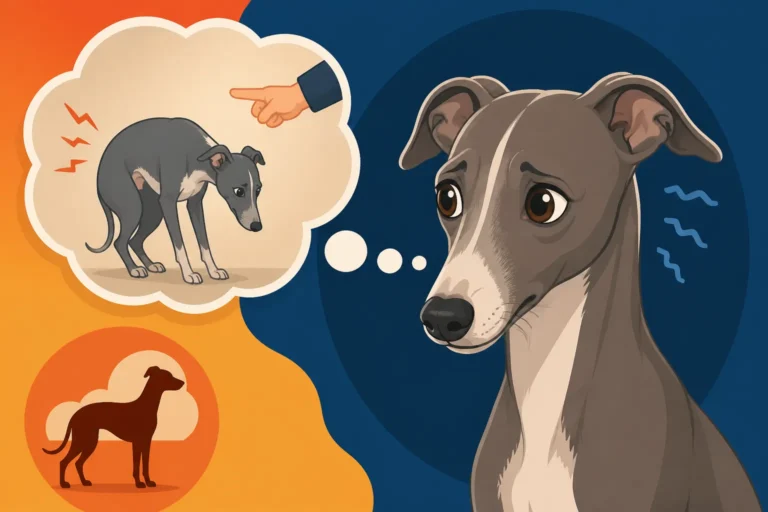
Italian Greyhounds are incredibly sensitive creatures, both physically and emotionally. They bond very closely with their people and are highly attuned to your emotions. A harsh tone, a sudden loud noise, or even just your frustration can be deeply unsettling for them. This sensitivity can be a double-edged sword in housetraining.
On one hand, they want to please you and thrive on positive attention. On the other hand, if they've had accidents and been scolded, they can become anxious about eliminating in front of you, or even associating going potty with negative consequences. This can lead to them hiding to do their business, making it even harder to catch them in the act and redirect them appropriately. For them, being clean indoors is often less important than avoiding your displeasure, which can inadvertently reinforce hidden accidents. Understanding What a Raised Voice Does to an Italian Greyhound is crucial here. They are not dogs that respond well to punishment; it often backfires spectacularly.
Common Misconceptions That Hinder Progress
When we approach housetraining with preconceived notions, especially those based on other breeds, we often find ourselves hitting a wall with Italian Greyhounds. Dispelling these myths is essential for a more effective and less frustrating training experience. It helps reset our expectations and allows us to see the situation through their unique perspective.
Believing They Are "Stubborn" or "Spiteful"
This is perhaps the most damaging misconception and one that many frustrated owners fall into. It’s easy to look at your IG, shivering dramatically at the door, only to pee on the kitchen floor five minutes later, and think they're being stubborn or even doing it out of spite. They are not. Italian Greyhounds simply don't operate on that level of complex, vindictive thought.
Their behavior is almost always driven by instinct, discomfort, or confusion. If they're having accidents indoors, it's usually because:
- Their bladder couldn't hold it any longer.
- They felt too cold or wet to adequately relieve themselves outside.
- They haven't fully grasped where they should go, or what the cues mean.
- They've learned that going inside in a hidden spot avoids your displeasure.
Blaming "stubbornness" leads to ineffective training methods, often involving punishment which, as we've discussed, can be highly detrimental to a sensitive IG. Instead of calling them stubborn, consider the physiological and environmental factors at play. They don't want to make you angry; they just don't have the same internal motivations or physical capabilities as, say, a Labrador.
The Myth of the "Fully Housetrained" Rescue
It’s tempting to think that an older rescue Italian Greyhound will come to you with perfect potty manners. Sadly, this is often a myth, or at least, a significant oversimplification. Many IGs end up in rescue precisely because their previous owners struggled with housetraining. Sometimes, they come from situations where they were kept outdoors, or were never truly taught house manners.
Even a dog who was housetrained in their previous home might regress significantly in a new environment. Moving to a new place is stressful for any dog, and doubly so for a sensitive IG. New smells, new people, new routines, and a different layout can all disrupt previous training. They might not understand the new rules, or simply be too overwhelmed to process them. So, if you adopt an older IG, be prepared to go back to basics, treating them almost like a puppy in terms of housetraining. Patience and understanding are key, as is a willingness to adapt your methods.
Comparing Them to Other Breeds
One of the biggest pitfalls for new Italian Greyhound owners is comparing their potty training journey to that of friends' dogs, or even previous dogs they've owned. "My Golden Retriever was housetrained in a week!" is a common, and unhelpful, sentiment. But your Golden Retriever isn't built like an IG, doesn't have the same aversion to weather, and likely isn't as physically delicate or emotionally sensitive.
Every breed has its quirks, and housetraining tendencies are certainly one of them. What works for a sturdy, thick-coated, outgoing breed may be completely counterproductive for an Italian Greyhound. They are a unique breed with unique needs, and their housetraining timeline will reflect that. It's not about them being "less intelligent" or "harder to train" in a general sense; it's about their specific breed traits making this particular aspect of training more challenging. Acknowledging this difference allows you to tailor your approach to their needs, rather than trying to force them into a generic dog training mold. This acceptance can significantly reduce your stress and improve your bond.
Effective Strategies for Success
Okay, so we've acknowledged the challenges and dispelled some myths. Now, let's talk about what actually works. Housetraining an Italian Greyhound requires a specific, thoughtful, and consistent approach. It's less about force and more about understanding, management, and positive reinforcement.
Consistency Is Your Best Friend
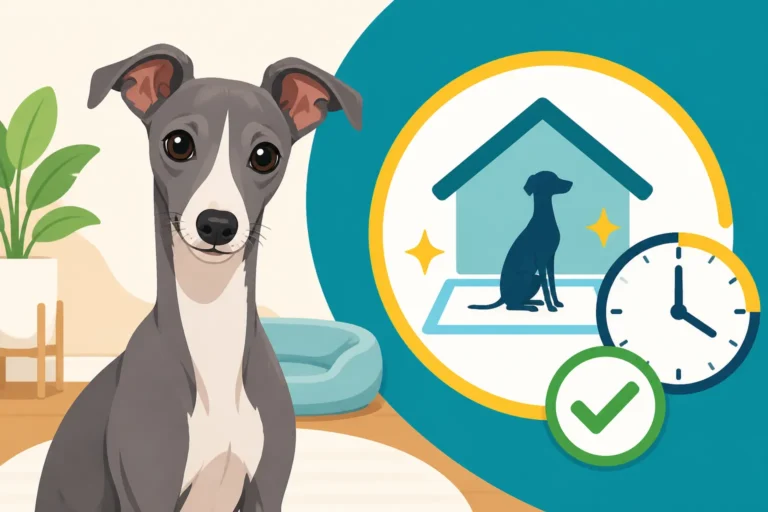
This cannot be stressed enough: consistency is paramount when housetraining an Italian Greyhound. They thrive on routine and predictability. This means taking them out (or to their designated indoor spot) at regular, frequent intervals, every single day, without fail.
- Schedule, Schedule, Schedule: Establish a strict potty schedule and stick to it. This includes first thing in the morning, last thing at night, after every meal or drink, after waking from a nap, after a play session, and every hour or two in between, especially for puppies. Even an adult IG benefits from this regularity.
- Same Spot: If possible, take them to the same designated potty spot outside every time. The smells will cue them that this is the place to go.
- Same Cue Word: Use a consistent cue word like "potty" or "go outside" right before you take them out. This helps them associate the word with the action.
- Stay Out Long Enough: Don't rush them. IGs can be easily distracted, or need a moment to get comfortable. Give them 5-10 minutes, especially in colder weather. Many owners struggle because Why an Italian Greyhound Holds It Rather Than Go Outside is a real problem.
- Immediate Reward: The moment they finish their business in the right spot, shower them with praise, a happy voice, and a high-value treat. This immediate positive reinforcement is critical for them to understand why they are being rewarded.
The Power of Positive Reinforcement
Italian Greyhounds, with their sensitive nature, respond beautifully to positive reinforcement and very poorly to punishment. Yelling, scolding, or rubbing their nose in an accident will only teach them to fear you or to hide their accidents. It doesn't teach them where to go.
Instead, focus entirely on rewarding good behavior. When they go in the right spot:
- Celebrate: Make a big fuss! Use an excited, happy voice. "Good potty! Yes! What a good boy!"
- Treats: Have high-value treats ready (small pieces of cooked chicken, cheese, or special training treats). Give it immediately after they finish going. The timing is crucial.
- Affection: Offer gentle pets and cuddles, showing them they've done something wonderful.
If you catch them having an accident indoors, interrupt them gently with a clap or a sharp "Ah-ah!" and immediately scoop them up (without scolding) and take them to their designated potty spot. If they finish there, praise and reward. If not, don't worry, just clean up thoroughly. The key is to make going outside (or on the pad) the most wonderful, rewarding experience possible. Remember, Why Punishment Makes an Italian Greyhound Hide to Go is a common outcome, so avoid it at all costs.
Setting Up an Indoor Potty Solution
Given their tiny bladders and profound aversion to bad weather, an indoor potty solution can be a lifesaver for Italian Greyhound owners, especially in colder climates or for apartment living. This isn't giving up; it's being realistic and compassionate to your dog's needs.
There are several options for Setting Up an Indoor Bathroom for an Italian Greyhound:
- Pee Pads: These are a popular choice. Place them in a consistent, easily accessible spot away from their food and bed. You can use attractant sprays, but consistency is usually more effective.
- Litter Boxes with Pellets/Grass: Some IGs take to a litter box surprisingly well, especially those using pine pellets or even artificial grass inserts. This can be less messy than pee pads.
- Real Grass Patches: Companies offer real grass patches delivered to your home, which can be an excellent option for dogs who prefer the feel of natural grass but cannot go outside easily.
The goal is to provide a reliable, always-available place for them to relieve themselves, reducing the pressure and likelihood of accidents. You can still work on outdoor potty training in good weather, but having an indoor backup can save your sanity and your floors. Whether Indoor Pads Work for an Italian Greyhound is often debated, but for many IGs and their owners, they are a practical necessity.
Managing Accidents and Cleaning Up
Despite your best efforts, accidents will happen. It’s part of the process, and your reaction is crucial.
- Don't Scold: As mentioned, scolding an IG for an accident will only make them fear you or hide their messes. It won't stop the accidents.
- Clean Thoroughly: This is incredibly important. Dogs are drawn back to areas where they can smell their previous eliminations. Use an enzymatic cleaner specifically designed for pet odors, not just a regular household cleaner. Products like Nature's Miracle or Rocco & Roxie are great for Cleaning Up After an Italian Greyhound Accident. If you can still smell it, they can definitely smell it.
- Identify Patterns: Keep a log of accidents – when, where, and what was happening beforehand. This can help you identify triggers (e.g., always after a nap, always when you've been on the phone too long) and adjust your schedule accordingly.
- Manage Access: While training, consider confining your IG to smaller areas of the house (e.g., a puppy-proofed room, or tethered to you) where you can supervise them closely. This prevents them from wandering off to a hidden spot to have an accident.
Remember, every accident is a missed opportunity for positive reinforcement, but it’s not a failure on your dog’s part. It’s a learning moment for both of you.
Environmental Factors That Play a Role
Beyond the physiological and behavioral traits, the very environment an Italian Greyhound lives in can significantly impact their housetraining journey. Understanding and adapting to these factors is critical for their comfort and your success.
Cold Weather Undoing Progress
We've touched on their aversion to cold, but it's worth reiterating just how profoundly cold weather can set back housetraining. Many owners find that their perfectly trained IG suddenly starts having accidents indoors as soon as the temperatures drop. This isn't them forgetting; it's a physiological response combined with intense discomfort.
An Italian Greyhound's delicate frame, paper-thin skin, and lack of body fat mean they get cold fast. The Indoor Temperature an Italian Greyhound Starts Shivering At might surprise you – often anything below 70 degrees Fahrenheit can make them uncomfortable, let alone going outside in freezing temperatures. They literally cannot regulate their body temperature efficiently. This leads to them rushing their potty breaks outside, often not fully emptying their bladder, and then finishing up in the warmth and safety of your home.
To combat this:
- Coats and Sweaters: Invest in a well-fitting, warm coat or sweater for outdoor potty breaks. Layering might even be necessary in truly frigid conditions.
- Covered Potty Area: If possible, create a covered outdoor area where they can go in the rain or snow without getting soaked. A small awning or even a large umbrella can make a huge difference.
- Indoor Options: Revisit or enhance your indoor potty setup during winter months. It's often better to accept indoor pad use than to constantly battle outdoor refusals and associated accidents. How Cold Weather Undoes an Italian Greyhound's Training is a very real and common problem, so be prepared to adjust your expectations and methods seasonally.
Slippery Floors and Accessibility
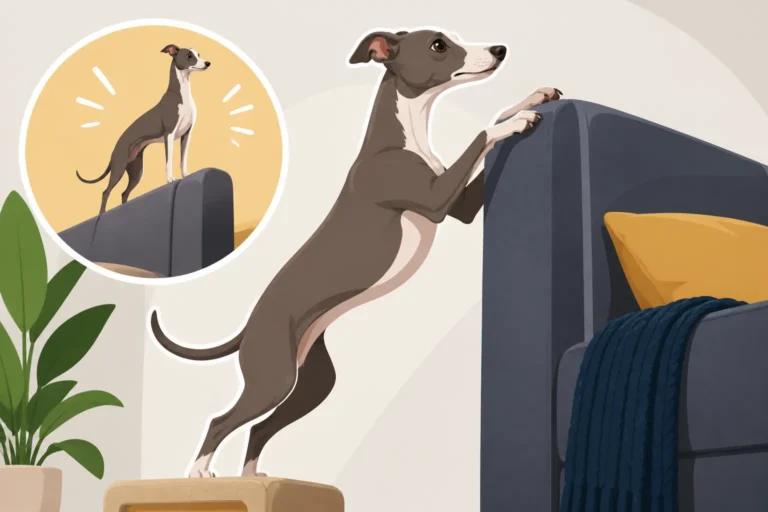
Italian Greyhounds are agile, but their lean build and long legs can make slippery floors a real challenge. Hardwood, tile, or laminate surfaces, while easy to clean, offer little traction for them, especially if they are hesitant or anxious about going outside.
This can manifest in a few ways related to housetraining:
- Reluctance to Approach the Door: If the path to the door involves a long stretch of slippery flooring, an IG might be hesitant to traverse it, especially if they feel insecure. This slight delay or anxiety can lead to an accident before they even reach the exit.
- Feeling Unsafe When Pottying: Some IGs feel vulnerable when squatting on a slippery surface, making them less likely to fully relax and relieve themselves outdoors on concrete or icy patches.
- Falls and Injuries: More seriously, running on slippery floors can lead to slips and falls, which for a breed prone to broken legs, is a genuine concern. A negative association with a particular area (e.g., slipping on the way to the door) can delay training.
Consider using rugs or non-slip runners in high-traffic areas, particularly leading to the door where they exit for potty breaks. This can provide them with much-needed confidence and make the journey less daunting.
The Role of Socialization and Routine
Beyond the physical environment, the social environment and daily routine play a massive role in housetraining. Italian Greyhounds thrive on predictability and can become anxious if their routine is constantly shifting.
- Consistent Schedule: A regular feeding schedule directly impacts their potty schedule. If meal times are erratic, so too will be their need to go. Try to feed them at the same times each day.
- Quiet Potty Times: IGs can be easily distracted by too much commotion. Try to make potty breaks calm and focused. If there are other dogs or kids running around, they might be more interested in playing than relieving themselves.
- Exposure to Different Surfaces (in positive ways): While they dislike bad weather, gently exposing them to different surfaces (grass, pavement, dirt) during good weather, with plenty of praise and treats for going on them, can help them generalize that "potty happens outside" regardless of the specific ground.
- Anxiety and Fear: Any underlying anxiety or fear (e.g., fear of loud noises, separation anxiety) can also contribute to housetraining setbacks. A stressed dog is less likely to focus on appropriate elimination. Addressing these broader behavioral issues might indirectly improve housetraining. The Velcro Dog: What Constant Company Means With an Italian Greyhound highlights their strong attachment, and any perceived separation or stress can affect their behavior, including potty habits.
When to Seek Professional Guidance
Sometimes, despite your best efforts, housetraining challenges persist. It's important to know when to consider bringing in a professional, as some issues might be beyond standard training advice or indicate underlying problems.
Persistent Marking and Submissive Urination
If your Italian Greyhound is persistently marking indoors, especially after neutering or spaying, or if they are prone to submissive urination (peeing when excited, nervous, or greeting people), it might be time for expert intervention.
- Marking: While marking can be a territorial behavior, sometimes it's also a sign of anxiety or a lack of clarity in their training. A professional trainer or behaviorist can help identify the root cause and develop a targeted plan. They might suggest specific management techniques, like belly bands for males, or environmental adjustments.
- Submissive/Excitement Urination: This is often an involuntary response and not a training issue in the traditional sense. It's a physiological reaction to excitement or stress. A behaviorist can offer strategies to reduce triggers, manage greetings, and help build your dog's confidence, which can often mitigate these issues. It's never about punishment; it's about understanding the dog's emotional state and helping them cope.
These behaviors require a nuanced approach that goes beyond basic "take them outside" advice. A professional can provide invaluable insight and guidance tailored to your specific situation.
Underlying Health Concerns
Before you conclude your Italian Greyhound is simply "un-housetrainable," it's absolutely crucial to rule out any underlying medical issues. Many health conditions can mimic housetraining problems.
- Urinary Tract Infections (UTIs): A very common culprit. A UTI can cause frequent urination, accidents, and even painful urination, leading a dog to avoid going outside.
- Bladder Stones: Similar to UTIs, bladder stones can cause discomfort and frequent urges.
- Kidney Disease: Can lead to increased thirst and urination.
- Diabetes: Another condition that often causes increased thirst and urination.
- Hormonal Imbalances: Sometimes, hormonal issues can affect bladder control.
- Spinal or Joint Pain: An older IG with arthritis, for example, might be reluctant to go outside in bad weather or navigate steps due to pain, leading to accidents.
If housetraining suddenly regresses, or if your IG is having an unusually high number of accidents, showing discomfort, or drinking/urinating more than usual, a vet visit is the very first step. A vet can perform tests to rule out medical causes, providing peace of mind and, if a condition is found, getting your dog the necessary treatment. How Long an Italian Greyhound Lives on Average can be quite a long time, and age-related issues can certainly impact continence later in life.
Considering a Behaviorist or Trainer
If you've ruled out medical issues and have been diligently applying consistent, positive reinforcement methods without significant progress, or if behavioral issues like severe anxiety are complicating matters, it might be time to bring in a certified professional dog trainer or a veterinary behaviorist.
- Trainer vs. Behaviorist: A certified professional dog trainer can help with implementing effective training techniques, understanding dog body language, and structuring a routine. A veterinary behaviorist (who is a veterinarian with specialized training in animal behavior) can diagnose and treat more complex behavioral problems, often integrating medical and pharmaceutical approaches with behavioral modification.
- Sighthound Experience: When looking for a professional, ideally seek someone who has experience with sighthounds or particularly sensitive breeds. Their methods might be better suited to the Italian Greyhound's unique temperament.
- Individualized Plans: A good professional won't offer generic advice. They'll assess your specific dog, your household, and your lifestyle to create a tailored plan that addresses your challenges directly. They can provide valuable hands-on guidance and troubleshoot issues you might be missing.
Housetraining an Italian Greyhound can indeed be a marathon, not a sprint. But with understanding, patience, a realistic approach, and sometimes professional help, you can achieve a happy, housetrained companion. It’s a testament to the Italian Greyhound owner’s dedication, and the bond forged through these challenges often makes the eventual success even sweeter.
Disclaimer
This article is for general informational purposes only and does not constitute professional advice. Laws, prices and regulations vary by location and change over time. Consult a qualified professional for guidance on your specific situation.