The Case for Keeping an Italian Greyhound Alone
It’s a common misconception, one you hear time and again in Italian Greyhound circles, that these dogs need a companion, preferably another Iggy, to be truly happy. While it’s true they are deeply social creatures, the idea that a single Italian Greyhound cannot thrive as the sole furry occupant of your home isn’t always accurate. This guide is here to bust some myths and give you a realistic look at how a single Italian Greyhound can not only survive but truly flourish, becoming an incredibly well-adjusted, confident, and deeply bonded member of your family – provided you understand their unique needs and are committed to meeting them.
Unpacking the "Velcro Dog" Myth: Is a Solo IG an Oxymoron?
When you first start researching Italian Greyhounds, one of the first things you'll hear is "Velcro dog." It conjures images of a small dog glued to your side, demanding constant attention and perhaps even wilting without a canine pal. While it's certainly true that many Iggies exhibit this clingy behavior, calling a solo Italian Greyhound an oxymoron misses the nuance of their individual personalities and adaptability.
The Root of the Italian Greyhound's Clinginess
Italian Greyhounds were, for centuries, bred primarily as companions for nobility. They were literally lap dogs, kept warm and pampered, often sleeping in beds and carried by their owners. This history has ingrained a deep desire for human connection and warmth, both physical and emotional. They are incredibly sensitive to their environment and the emotions of their people. So, when people talk about them being "Velcro dogs," they’re not wrong – this strong attachment is a defining trait of the breed. This isn't just about wanting to be near you; it's about feeling secure and part of the "pack," which, for many Iggies, can absolutely be a human-only pack. They thrive on routine and consistency, and a big part of that consistency is knowing where their beloved human is. The Velcro Dog: What Constant Company Means With an Italian Greyhound really dives into this aspect, showing just how profound this bond can be.
The perceived need for a second dog often stems from the fear of separation anxiety, a very real concern for such devoted dogs. Owners worry that without a playmate, their Iggy will become destructive, bark incessantly, or feel abandoned. While these are valid concerns, they are not insurmountable, nor do they automatically necessitate bringing another dog into the home. It’s more about how you manage their environment and provide engagement.
Individual Temperament vs. Breed Stereotype
Every dog, even within the same breed, is an individual. Just like people, Italian Greyhounds have their own unique personalities, quirks, and levels of independence. While the breed tendency is to be social and affectionate, you'll find some Iggies who are more aloof, some who are bolder, and some who are perfectly content to observe rather than constantly engage. Relying solely on a breed stereotype to dictate your living situation with an Italian Greyhound can lead you down the wrong path.
Consider an Iggy you might meet from a rescue. Many of these dogs arrive with complex histories, some having never lived with other dogs, or even worse, having had negative experiences. For such a dog, being the only pet might actually be a huge relief, allowing them to decompress and bond with their human without the added stress of canine housemates. Even puppies, if raised with consistent positive reinforcement and a strong human bond, can develop into well-adjusted solo dogs. It's about nurturing their individual spirit and understanding that while breed traits offer a roadmap, they are not a strict blueprint.
The Unique Advantages of a Single Italian Greyhound Household
While the narrative often leans towards Iggies needing companions, there are undeniable benefits to having a single Italian Greyhound. These advantages can lead to an incredibly deep bond, tailored care, and a more harmonious home environment for certain owners.
Undivided Attention and Bond Reinforcement
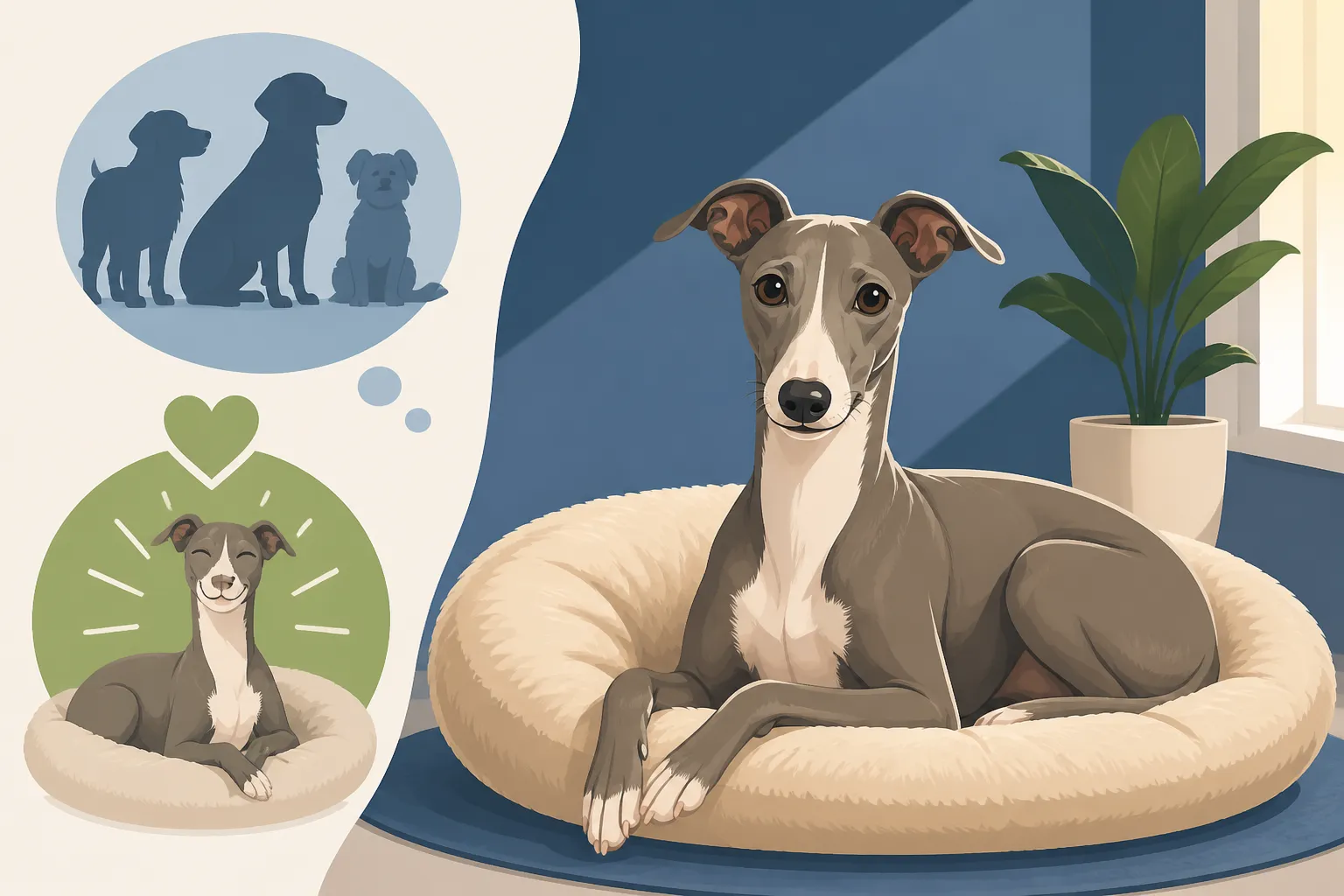
When your Italian Greyhound is the only dog in the house, they become the absolute center of your canine universe. All of your affection, playtime, training efforts, and even your worries are directed solely at them. This undivided attention can foster an incredibly strong, almost singular bond. You become their sun, moon, and stars, and in return, they give you their complete devotion. This isn't just about cuddles; it means you're more attuned to their subtle cues, their moods, and their needs. You learn their specific "happy dance" or the particular groan they make when they want to snuggle deeper under the covers.
For many Iggy owners, this deep, exclusive connection is precisely what they cherish. It allows for personalized interactions that might be diluted in a multi-dog household. Imagine coming home, and instead of navigating a clamoring pack, you have one eager, lean body wiggling excitedly at your feet, demanding your hand for pets. This can be incredibly rewarding, creating a sense of being truly chosen and cherished by your dog. It's a special connection that solo dog owners often rave about, a feeling of being everything to that one special creature.
Tailored Training and Environmental Control
Training a single Italian Greyhound means you can completely tailor your approach to their unique learning style and personality without worrying about other dogs interfering or learning unwanted behaviors. If your Iggy is sensitive to loud noises, you can ensure a quiet training environment. If they are highly food motivated, you don't have to worry about another dog stealing their treats. This focused approach can lead to faster progress and a more confident, well-behaved dog. Why Raising Your Voice Sets an Italian Greyhound Back a Month is a crucial read here, highlighting their sensitivity; in a solo environment, you can better control all variables to ensure positive reinforcement.
Moreover, environmental control becomes much simpler. You can set up your home perfectly for one Italian Greyhound, considering their size, their preferred sleeping spots, and their play habits. You can decide if the couch is open for snuggles without worrying about managing squabbles over prime real estate. If you need to potty train using an indoor setup because your Iggy hates the cold, as discussed in The Italian Greyhound That Refuses to Go Out in the Cold, you only have one dog's habits to manage. This simplifies everything from meal times to vet visits, making care and training more streamlined and less stressful for both you and your dog.
Avoiding Pack Dynamics and Potential Conflicts
While many dogs benefit from canine companionship, a multi-dog household isn't always a walk in the park. Pack dynamics can be complex, leading to resource guarding, jealousy, or even outright fights. With a single Italian Greyhound, you completely bypass these potential challenges. There are no struggles over who gets the favorite toy, who gets to sit on your lap, or who gets to eat first. Your Iggy is the undisputed top dog (or more accurately, top companion), and that can lead to a very secure and stress-free life for them.
This is particularly beneficial for Iggies who might be naturally shy, anxious, or have low confidence. In a multi-dog environment, they could easily be overshadowed or intimidated, leading to increased stress. As the only dog, they don't have to compete for attention or worry about fitting into a pecking order. This allows them to fully blossom into their own personalities, knowing they are safe and unconditionally loved. This simplified social structure, focused entirely on the human-dog bond, can be a profound advantage for both the dog and the owner.
Addressing the Common Concerns of a Lone Italian Greyhound
It’s completely valid to worry about a single Italian Greyhound feeling lonely or developing issues like separation anxiety. These are common breed traits, after all. However, many of these concerns can be effectively managed and mitigated with thoughtful planning and consistent effort, proving that a solo Iggy can indeed lead a fulfilling life.
Managing Separation Anxiety and Boredom
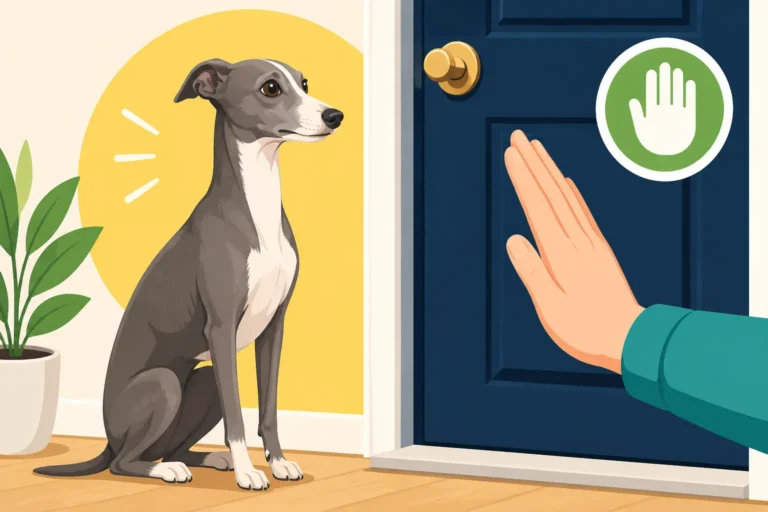
The most significant concern for a solo Italian Greyhound is often separation anxiety. These dogs bond intensely with their people, and being left alone can be genuinely distressing for them. However, it's not inevitable. Proactive training and management are key. Start building your dog's independence from day one, even if you work from home. Practice short, positive departures and gradually increase the time you're away. Teaching an Italian Greyhound to Settle Alone provides excellent strategies for this. Using tools like a high-quality, comfortable crate can also be beneficial, as it provides a safe den where they feel secure. Many owners find that crating their Italian Greyhound overnight or when they leave the house helps create a routine and a secure space. Leaving an Italian Greyhound Crated offers more insights into this practice.
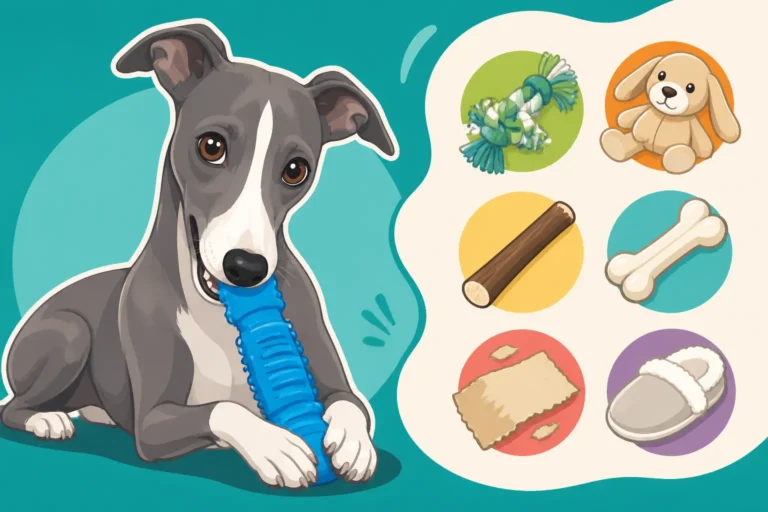
Enrichment is crucial to combat boredom. Interactive toys, puzzle feeders, and long-lasting chews can keep their minds occupied. Some Iggies also respond well to background noise, like the TV or radio, which can provide a sense of company. Whether Leaving the Radio On Helps an Italian Greyhound explores this idea further. A consistent daily schedule that includes plenty of exercise before you leave can also help. A tired Iggy is more likely to nap than to fret.
Ensuring Sufficient Socialization Outside the Home
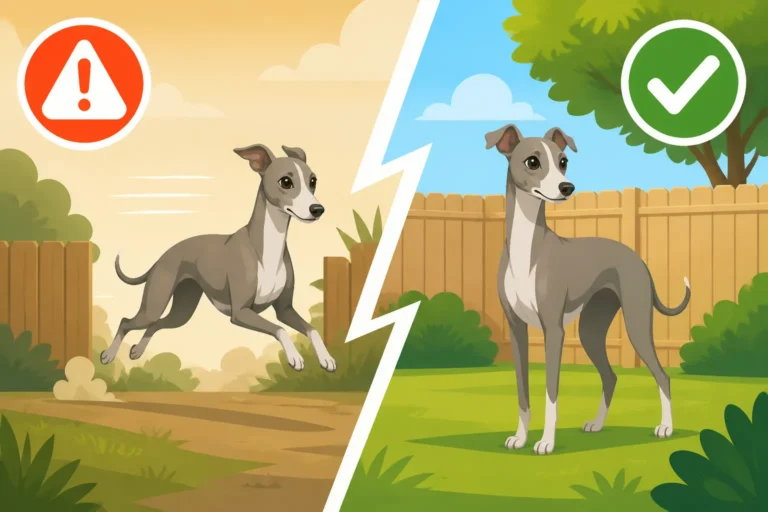
While a solo Iggy doesn't have canine housemates, it's vital that they still receive adequate socialization with other dogs. This doesn't mean dog parks, which can be incredibly dangerous for their delicate bones and shy nature, but rather controlled, positive interactions. Regular walks where they encounter other dogs from a distance, or supervised playdates with known, calm dogs, are excellent. Puppy classes or structured dog training classes can provide safe socialization opportunities while reinforcing good manners.
The goal isn't to make them dependent on other dogs, but to ensure they are comfortable and confident when they do encounter them. A solo Italian Greyhound needs to understand that not every dog is a threat, and not every human is their sole source of comfort. This balanced approach helps them become well-adjusted members of the wider world, not just their immediate human family. How Much Exercise an Italian Greyhound Needs often involves these outdoor interactions, which are critical for their mental and physical well-being.
The Importance of a Structured Routine
Italian Greyhounds thrive on routine. They are creatures of habit, and a predictable schedule provides a sense of security and reduces anxiety. This is especially true for a solo Iggy, who relies entirely on you to provide structure to their day. Consistent feeding times, regular potty breaks, predictable exercise slots, and dedicated playtime help them anticipate what's next, making them feel safer and more in control. For example, if they know that after your morning coffee, it's time for a walk, and then a quiet hour of snuggling, they are less likely to act out from uncertainty.
A structured routine also aids immensely in housetraining, which can be notoriously challenging for the breed. Housetraining an Italian Greyhound Is the Hardest Part of Owning One highlights this struggle, and a consistent schedule is your best defense. Knowing when they'll go outside, when they'll eat, and when they'll have dedicated human interaction fills their day with purpose and reduces the chances of them developing unwanted behaviors stemming from boredom or anxiety. Without another dog to provide a natural rhythm, you become the orchestrator of their entire day.
Scenarios Where a Solo IG Truly Shines
While it’s clear that any Italian Greyhound can potentially thrive alone, there are certain situations and types of Iggies for whom being the only dog in the household is not just a viable option, but truly the best option. These are the cases where the solo Iggy really, truly shines.
Households with Dedicated, Present Owners
The ideal scenario for a solo Italian Greyhound is a household where the owner (or owners) can dedicate significant time and attention to their pet. This doesn't necessarily mean you have to be home 24/7, but it does mean that when you are home, your Iggy is a central part of your life. This includes ample playtime, consistent training sessions, regular walks, and plenty of cuddle time. If you work from home, or have a flexible schedule, or are retired, a solo Iggy can thrive, as they receive that constant companionship they crave without needing another dog to fill the void.
For people who are truly committed to integrating their Italian Greyhound into every aspect of their daily life, the solo setup offers unparalleled bonding opportunities. You become their world, and you get to experience the depth of their affection firsthand. This is a great choice for individuals or couples who want a single, focused pet relationship and are willing to put in the effort to meet the breed's high need for companionship. What an Italian Greyhound Does All Day often revolves around their human's schedule, emphasizing how much they rely on their people for engagement.
Older Italian Greyhounds with Established Routines
Bringing an older Italian Greyhound into a solo household can be incredibly successful, especially if they've come from a situation where they were the only dog or where they struggled with other dogs. Older Iggies often have established personalities and may be less tolerant of boisterous puppies or dominant adult dogs. For these seniors, a quiet home where they receive all the attention and can maintain a predictable, calm routine is a dream come true. Caring for an Italian Greyhound Past Eleven stresses the importance of consistency and comfort for older dogs.
They're often past the wild puppy stages, sometimes even past the more intense separation anxiety if their previous owner worked through it. They might prefer napping in a sunbeam over wrestling, and a gentle walk around the block might be more appealing than a romp with a younger, energetic dog. Being the sole focus allows you to cater to their specific needs, whether it's special bedding to protect their joints or a quiet space to rest without interruption. The peace of a solo home can significantly improve the quality of life for an older Iggy.
Rescues with Past Negative Experiences with Other Dogs
Sadly, many Italian Greyhounds end up in rescue due to a variety of circumstances, and sometimes those circumstances involve negative interactions with other animals. Some Iggies may have been bullied by larger dogs, or they might have an aversion to other canines due to trauma. For these sensitive souls, being placed in a home where they are the only dog can be absolutely transformative. It removes a major source of stress and allows them to rebuild trust and confidence solely with their human companions.
Rescue organizations are often excellent at assessing these individual temperaments and will advocate for an "only dog" placement if they believe it's in the dog's best interest. Offering a quiet, loving home to an Iggy who has previously struggled with canine companions is a deeply rewarding experience. You're not just giving them a home; you're providing a sanctuary where they can finally feel safe and loved without competition or fear. This focused attention and safe environment allows their true personality to emerge.
Cultivating a Happy and Healthy Solo Italian Greyhound
Making the decision to keep a single Italian Greyhound means taking on the full responsibility of their emotional, mental, and physical well-being. It's a commitment, but one that can lead to an incredibly rewarding relationship. Cultivating a happy and healthy solo Iggy involves intentional effort in several key areas.
Enrichment Strategies for Independent Play
Since your Italian Greyhound won't have a canine playmate to wrestle with or chase, you need to step up your game when it comes to providing mental and physical enrichment. This doesn't just mean toys; it means engaging their minds and bodies in ways that fulfill their natural instincts. Puzzle toys that dispense treats, snuffle mats, and KONG-type toys filled with frozen goodies can keep them busy for extended periods, especially when you need to leave them alone. Many of these can be easily found on platforms like Amazon.
Interactive games like hide-and-seek (with treats or toys) or structured fetch sessions in a secure, enclosed space are fantastic ways to burn energy and engage their minds. Consider rotating toys to keep things fresh and interesting. A window perch where they can safely watch the world go by can also be surprisingly enriching, provided they don't become overly reactive to outdoor stimuli. The goal is to provide activities that they can enjoy independently, building their confidence in their own company, even if you are in the next room.
Building Confidence and Resilience
A confident Italian Greyhound is a happy Italian Greyhound, whether they're solo or part of a pack. For a solo Iggy, building confidence means helping them navigate the world with a sense of security, knowing you are their anchor. This starts with consistent, positive reinforcement training. Enrolling in online puppy classes, like those offered by BAXTER & Bella, can be an excellent way to structure your training efforts and expose your Iggy to new concepts in a low-stress environment. These programs often focus on foundational skills and positive methods that build confidence.
Exposure to various sights, sounds, and safe experiences from a young age (or for rescues, careful, gradual re-exposure) helps them develop resilience. Teach them that new things aren't scary, and that being alone for short periods is okay because you always come back. Encourage them to explore new toys or new spaces within the home. Celebrate their small victories – mastering a new trick, settling quietly while you're busy, or confidently greeting a new person. A solo Iggy who knows they are loved, secure, and capable is less likely to develop issues and more likely to be a joyful companion.
Professional Support and Resources
Even with the best intentions, raising any dog comes with its challenges, and a solo Italian Greyhound is no exception. Don't hesitate to seek professional support if you encounter difficulties, especially with separation anxiety or behavioral issues. A certified professional dog trainer or a veterinary behaviorist can offer tailored strategies and guidance that are specific to your dog's needs and your living situation. Sometimes, what seems like a daunting problem can be easily addressed with the right expert advice.
Additionally, connect with other Italian Greyhound owners, both those with solo Iggies and those with multiple. Online forums and local breed groups can be invaluable resources for sharing tips, commiserating over challenges, and celebrating successes. There's a wealth of collective experience out there. Remember, choosing to have a solo Italian Greyhound is a perfectly valid and often highly successful path, provided you commit to understanding and meeting their unique needs.
| Aspect | Solo Italian Greyhound | Multi-Italian Greyhound Household |
|---|---|---|
| Owner Attention | Undivided, focused | Shared, potentially diluted |
| Bond Depth | Often intensely strong, singular | Deep with multiple dogs, less exclusive |
| Training Focus | Tailored to individual, less distraction | Must manage multiple personalities and distractions |
| Environmental Control | Simpler, caters to one dog's needs | More complex, managing multiple preferences |
| Separation Anxiety | Higher potential, but manageable with training | May be less severe if dogs comfort each other, but not guaranteed |
| Socialization | Relies solely on owner for outside experiences | Natural daily canine interaction, but may need external human exposure |
| Pack Dynamics | Non-existent, avoids conflict | Can be complex, potential for resource guarding/jealousy |
| Cost | Lower overall (food, vet, insurance) | Higher due to multiple dogs |
| Home "Chaos" | Generally calmer, quieter | Potentially more active, noisy |
Disclaimer
This article is for general informational purposes only and does not constitute professional advice. Laws, prices and regulations vary by location and change over time. Consult a qualified professional for guidance on your specific situation.