How an Italian Greyhound Behaves With Small Children
Bringing an Italian Greyhound into a home with small children can be a source of real anxiety for prospective owners, and it’s a valid concern given the breed's delicate nature and often timid personality. This guide aims to provide a realistic, empathetic look at the potential challenges and offer actionable strategies for fostering a safe and harmonious environment for both your beloved Iggy and your little ones.
The Italian Greyhound's Delicate Nature and Small Children
Let's be upfront: Italian Greyhounds are not your average sturdy family dog. They are built for speed and elegance, not rough-and-tumble play with toddlers. Understanding this inherent fragility is the first step in ensuring everyone's safety and happiness. It's not about blaming anyone; it's about acknowledging the reality of the breed.
Fragile Bones and Accidental Injuries
One of the biggest concerns for any Italian Greyhound owner, especially those with young children, is the breed's incredibly delicate bone structure. Their long, slender legs are prone to fractures, and a broken leg is truly the emergency every Italian Greyhound owner fears. A simple fall, an accidental stomp, or even being dropped from a small height can result in a devastating injury. We hear stories all too often about a playful child inadvertently causing a severe fracture, and the guilt and heartbreak that follow are immense. It's not that children are malicious; they simply lack the refined motor skills and understanding of consequences to handle such a fragile creature. You've heard stories about Why an Italian Greyhound's Leg Bones Break So Easily, and those aren't exaggerated. Many Iggies break a leg before they're even two years old, which is often around The Age an Italian Greyhound Is Most Likely to Break a Leg.
Think about a small child, maybe two or three years old, who is still developing their balance and understanding of space. They might rush excitedly towards the dog, trip, and land on a delicate limb. Or, in a moment of affection, they might try to pick up the dog, leading to a fall. Why Children Should Not Carry an Italian Greyhound is a lesson many learn the hard way. It’s a terrifying scenario to imagine your beloved pet suffering due to an innocent, yet impactful, accident. This isn't just a financial burden, as fracture repair can be incredibly expensive, but an emotional one for the entire family. The long recovery time, the pain your dog endures, and the constant worry about re-injury can be overwhelming.
Sensitivity to Noise and Sudden Movements
Beyond their physical delicacy, Italian Greyhounds are also notoriously sensitive. They are sighthounds, bred for keen vision and quick reactions, and this often translates into a nervous or easily startled disposition, especially in a busy household. Loud noises, sudden movements, or unexpected changes in their environment can send them scurrying for cover or even cause them to develop anxiety. Small children, with their unpredictable bursts of energy, sudden shrieks of laughter or frustration, and general boisterousness, can be a constant source of stress for a sensitive Iggy.
Imagine an Italian Greyhound napping peacefully, only to be jolted awake by a toddler's sudden scream or the crash of a dropped toy. Their instinct is often to flee. This isn't to say all Iggies are terrified of children; some, especially those raised with respectful kids, can be quite tolerant. However, the breed as a whole tends to be more high-strung than, say, a Labrador. This sensitivity means that creating a calm, predictable environment is paramount, and that can be a real challenge when you have young, energetic children who are naturally expressive and learning the boundaries of their own bodies and voices.
Understanding the Italian Greyhound's Temperament Around Kids
The way an Italian Greyhound reacts to children isn't just about their physical fragility; it's deeply rooted in their breed temperament. They aren't aggressive by nature, but their reactions to perceived threats or discomfort can sometimes be misunderstood, leading to unfortunate incidents.
Shyness and Retreating Behavior
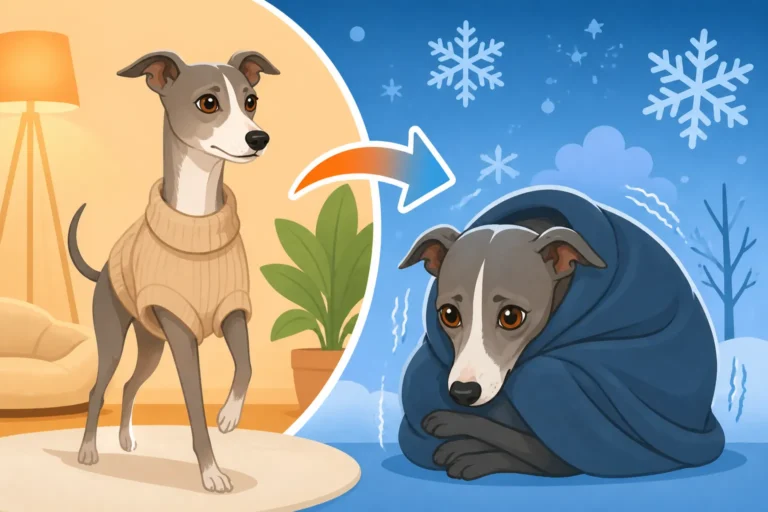
Many Italian Greyhounds are inherently shy, especially around new people or in chaotic situations. When confronted with the unpredictable energy of small children, their primary coping mechanism is often to retreat. They might hide under furniture, seek out a quiet corner, or even try to get into bed and burrow under the covers. This isn't a sign of aggression; it's a clear signal that they are uncomfortable and trying to avoid interaction. If these signals are missed, or if a child persists in following them, the dog's anxiety can escalate.
This retreating behavior is often mistaken for aloofness or even naughtiness, but it’s a vital clue to their emotional state. A truly anxious Iggy might shake, pant, or even become frozen in fear. It's heartbreaking to see a dog constantly on edge in its own home, feeling like it has no escape. Owners must be vigilant in recognizing these signs and empowering their dog to have safe, child-free zones where they can truly relax. If your Iggy is constantly seeking refuge, it's a clear indication that the current dynamic isn't working for them.
Potential for Nipping if Cornered
While Italian Greyhounds are rarely aggressive, any dog, when pushed past its limits and feeling trapped, might resort to a defensive nip. For a shy or fearful Iggy, this could happen if a child corners them, tries to pull them out from under a bed, or persists in petting them when they've clearly signaled a desire to be left alone. It's a last resort, a desperate plea to be given space, and it's almost always preceded by ignored warning signs. These warning signs can be subtle: a stiffening of the body, a flick of the ears, a quick lick of the lips, or a low growl.
A nip from an Italian Greyhound, while unlikely to cause severe injury compared to a larger breed, can still break skin and, more importantly, can be a terrifying experience for a child and a huge blow to the trust between dog and family. It signals a breakdown in communication and safety. It's crucial for parents to understand that if their Iggy nips, it's not "out of nowhere." It means the dog felt it had no other option to protect itself, and the situation leading up to it needs immediate and serious intervention. The goal is to prevent the dog from ever feeling the need to resort to such a measure by proactive management and teaching respect.
Strategies for a Harmonious Home with Iggies and Toddlers
Coexisting peacefully with an Italian Greyhound and small children isn't impossible, but it requires diligent effort, consistent management, and a deep understanding of both your dog's needs and your children's developmental stage. It's about setting everyone up for success.
Creating Safe Spaces for Both
The first and arguably most critical step is to establish clear, inviolable safe zones for both your Italian Greyhound and your children. Your Iggy needs a place where they can retreat completely, without fear of being followed or disturbed. This might be a crate in a quiet room, a dog bed elevated on a piece of furniture that children can't reach, or even a designated room with a baby gate. This is their sanctuary, a place where they know they can relax and be truly undisturbed.
For example, a comfortable crate, perhaps one found on Amazon, covered with a blanket and filled with soft bedding, can become a den where your Iggy feels secure. You might even use baby gates to section off part of the living area or a specific room where the dog can go when playtime with the children gets too rambunctious. Conversely, children need areas where they can play freely without constantly worrying about the dog or where the dog won't be underfoot. This might be a playpen for a baby, or a dedicated play space in a child's room. Teaching both children and the dog to respect these boundaries is non-negotiable.
Teaching Children How to Interact Safely
This is where the real work comes in. Children, especially very young ones, don't instinctively know how to interact gently and respectfully with a fragile dog. It's paramount that parents actively teach, model, and supervise every interaction. This means teaching them:
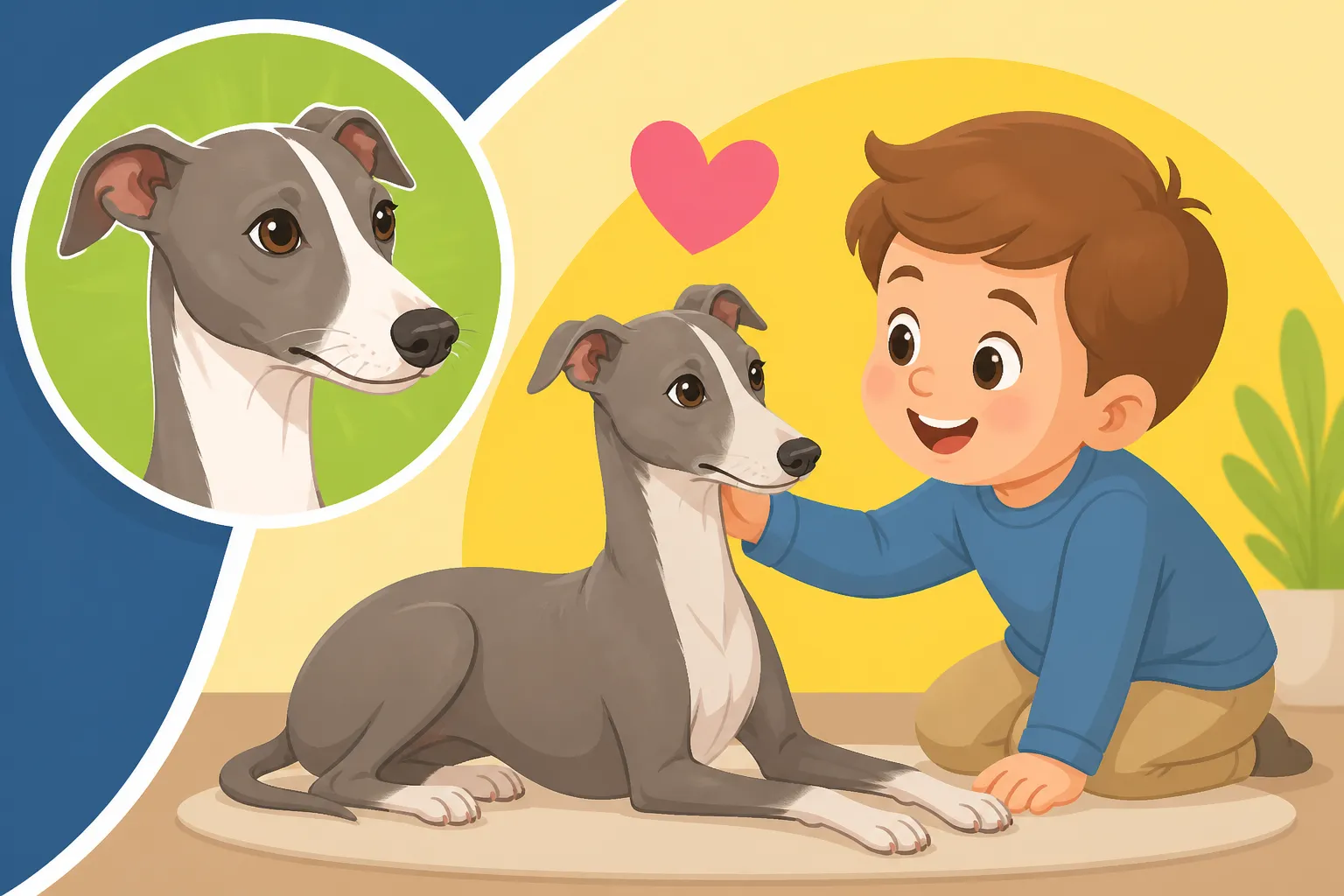
- Gentle hands: No grabbing, hitting, pulling tails or ears. Show them how to gently stroke the dog's back or chest.
- Quiet voices: Avoid screaming or sudden loud noises around the dog.
- "Leave the dog alone" cues: Teach children that when the dog goes to its bed, crate, or under a blanket, it means "leave me alone."
- No running up to the dog: Teach them to approach calmly and slowly.
- No carrying: Emphasize that Why Children Should Not Carry an Italian Greyhound is a critical rule.
- "Ask first": Encourage older children to always ask an adult before attempting to interact with the dog.
This teaching is an ongoing process, not a one-time lesson. It requires constant repetition, patience, and immediate, calm correction when boundaries are crossed. For very young children, it's not even about teaching, but about constant vigilance and physical separation.
Supervised Interactions Are Non-Negotiable
For the safety of both your Italian Greyhound and your children, all interactions must be closely supervised. This isn't just a suggestion; it's a fundamental rule. Never, ever leave a small child unsupervised with an Italian Greyhound, even for "just a second." A second is all it takes for an accidental injury to occur or for a stressed dog to react negatively. This level of supervision needs to be in place until the children are old enough to consistently and reliably follow the rules of gentle interaction, and the dog is consistently comfortable and predictable around them. This might mean years of diligent oversight.
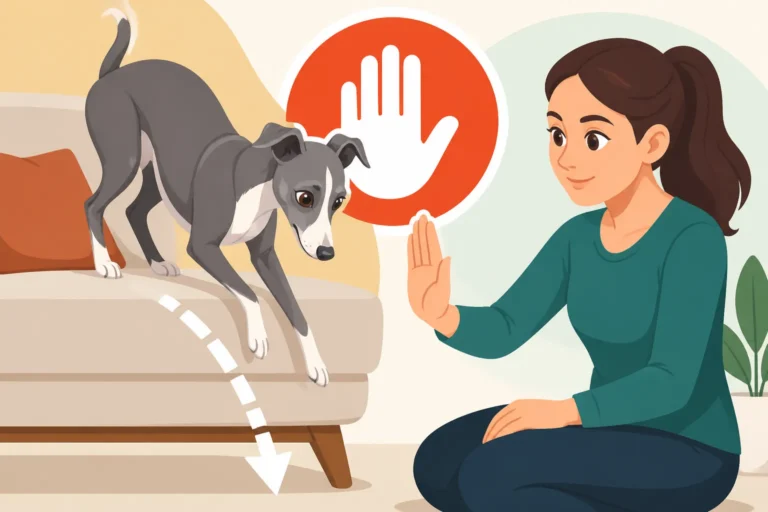
Consider it like this: if you wouldn't leave a toddler unsupervised near a hot stove, you shouldn't leave them unsupervised with a delicate Italian Greyhound. It's about managing risk. When you can't actively supervise, physical barriers like baby gates or crating your dog are essential. This isn't about punishment; it's about prevention and ensuring everyone feels safe and secure in their home. Setting up Ramps and Steps for an Italian Greyhound's Furniture can also help reduce opportunities for injuries caused by jumping off high places if a child tries to pull them off.
| Rule for Kids | Why It Matters for Iggies | Parent's Action |
|---|---|---|
| Gentle Hands Only | Fragile bones, thin skin, easily startled. | Constantly demonstrate, supervise, redirect. |
| Quiet Voices | Sensitive hearing, prone to anxiety from sudden noise. | Model calm behavior, enforce quiet play near dog. |
| No Carrying the Dog | High risk of dropping, leading to severe fractures. | Never allow it, ensure dog has a safe retreat. |
| Give Dog Space | Iggies need personal space; can nip if cornered. | Create dog-only zones (crates, gated areas). |
| Ask to Pet | Teaches respect and ensures dog is comfortable. | Facilitate positive, supervised interactions. |
Training and Socialization for a Better Outcome
While temperament is largely innate, careful training and socialization can go a long way in shaping an Italian Greyhound's comfort level and appropriate responses to living with children. This is where consistent effort pays off.
Early Socialization with Respectful Children
If you're bringing an Italian Greyhound puppy into a home with children, or plan to have children in the future, early and positive socialization is key. This doesn't mean letting children run wild with the puppy. On the contrary, it means controlled, positive exposure to children who are already taught to be gentle and respectful. Invite friends or family with well-behaved, older children to interact with your puppy in short, supervised sessions, always rewarding calm behavior from both the child and the puppy.
This experience should always be positive for the puppy. Never force an interaction. The goal is for the Iggy to associate children with good things – treats, quiet praise, gentle touch – rather than fear or discomfort. A good puppy class, such as those offered by BAXTER & Bella, can also provide structured opportunities for controlled socialization in a safe environment, helping your Iggy learn to navigate a world that includes various people, sounds, and movements. Remember, positive experiences during The First Year With an Italian Greyhound Puppy can lay a strong foundation for their adult temperament.
Reinforcing Calm Behavior in Your Italian Greyhound
Beyond exposing them to children, you need to actively train and reinforce calm behavior in your Italian Greyhound. This means teaching them cues like "settle," "place," or "stay" that they can perform even when children are active nearby. Use high-value treats and praise to reward your Iggy for choosing to lie calmly in their bed while a child plays, or for accepting gentle pets from an older child. Consistency is vital; every time they choose calm, reward them generously.
If your Iggy becomes overstimulated or anxious, gently redirect them to their safe space. Avoid scolding or yelling, as What a Raised Voice Does to an Italian Greyhound can be detrimental, often making them more fearful or shut down. Instead, calmly separate them from the situation and let them decompress. The aim is to teach them that calm behavior is rewarding, and that they always have an option to retreat if things get too much. Building this trust and providing them with coping mechanisms will make a world of difference.
Considering the Age of Your Children When Getting an Iggy
The age of your children is one of the most significant factors to consider when deciding if an Italian Greyhound is the right breed for your family. It's often where practicality and passion collide.
The "Older Children Only" Recommendation
Many experienced Italian Greyhound breeders and rescue organizations will openly state that Iggies are best suited for homes with older, respectful children, typically over the age of six or seven. This recommendation comes from years of experience and countless heartbreaking stories of injuries and rehomings. Older children generally have better impulse control, a greater understanding of a dog's fragility, and are more capable of following rules like "no carrying" and "give the dog space." They can be taught to be an active part of the dog's care and training, rather than being an unpredictable element.
For instance, an eight-year-old is much more likely to remember to close a door carefully or avoid leaving small, chewable toys on the floor than a two-year-old. They can also participate in Teaching an Italian Greyhound Not to Jump Down from furniture by reinforcing the ramp usage. This isn't a judgment on families with young children; it's a realistic assessment of the risks involved. While some Iggies thrive with careful management in homes with toddlers, it is undoubtedly a much higher-risk situation that requires extraordinary levels of supervision and management from the parents. It’s important to understand the breed's needs fully, especially when their bone structure isn't fully hardened until around The Age an Italian Greyhound's Bones Finish Hardening.
The Realities of Raising Both Together
If you are determined to raise an Italian Greyhound alongside very young children, be prepared for a significant commitment of time, energy, and unwavering vigilance. This isn't a "set it and forget it" situation; it's a daily, hourly, sometimes minute-by-minute management challenge. You will constantly be managing interactions, redirecting children, ensuring the dog has its safe space, and preventing potential accidents. It means prioritizing safety and patience above all else.
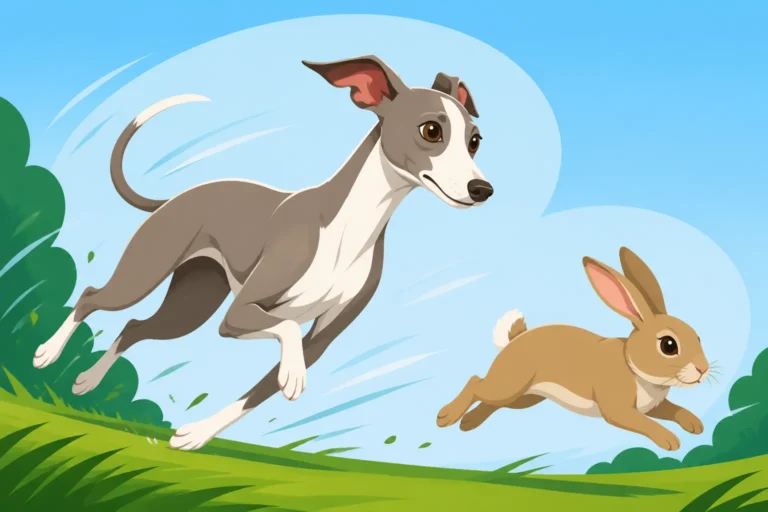
You might find yourself needing to physically separate your dog and children with baby gates or by crating your Iggy whenever you can't offer 100% focused supervision. This can be exhausting, and it requires a realistic understanding of what you can commit to. If your children are very young, you might spend the first few years primarily managing separation and carefully curated, short, supervised interactions. It’s also important to remember that the Iggy’s prey drive can be strong, so Why an Italian Greyhound Should Not Play With Large Dogs extends to very young, erratic children who might inadvertently trigger that instinct with sudden movements. Consider whether you have the bandwidth for house training a breed known to be challenging in this area, as highlighted in Housetraining an Italian Greyhound Is the Hardest Part of Owning One, while also managing the demands of small children. It's a journey not for the faint of heart, but with immense dedication, it can be done.
Disclaimer
This article is for general informational purposes only and does not constitute professional advice. Laws, prices and regulations vary by location and change over time. Consult a qualified professional for guidance on your specific situation.