What Color an Italian Greyhound’s Eyes Should Be
Italian Greyhound owners sometimes notice that a puppy’s eyes look blue-gray, or worry when an adult’s eyes seem lighter than expected. Breed standards favor dark, bright eyes, but eye color alone does not diagnose health or determine whether a dog is well bred. This guide explains the expected color, normal variation, and changes worth discussing with a veterinarian.
The eye color expected in an Italian Greyhound
Dark, bright eyes are the breed ideal
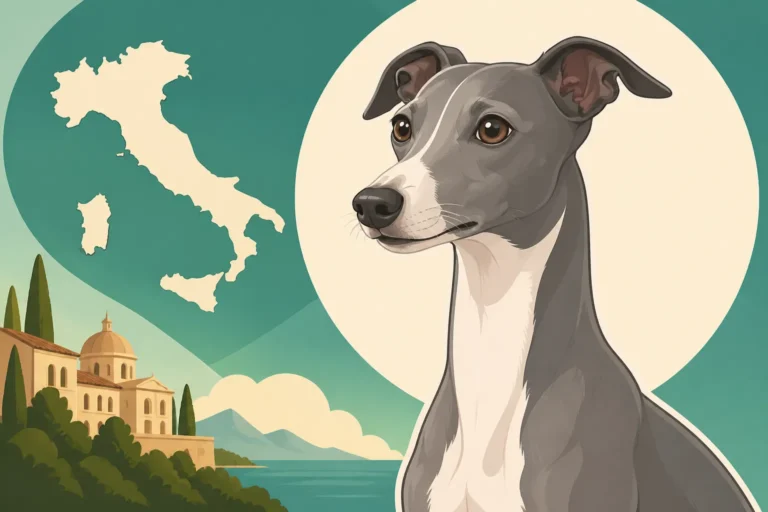
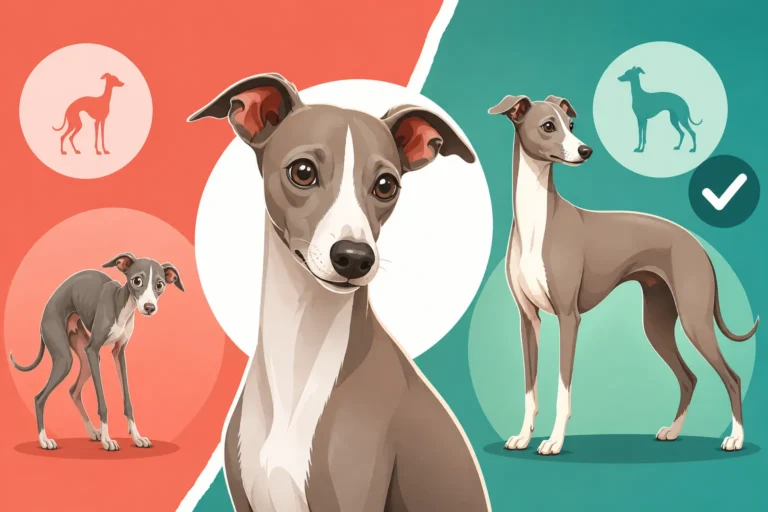
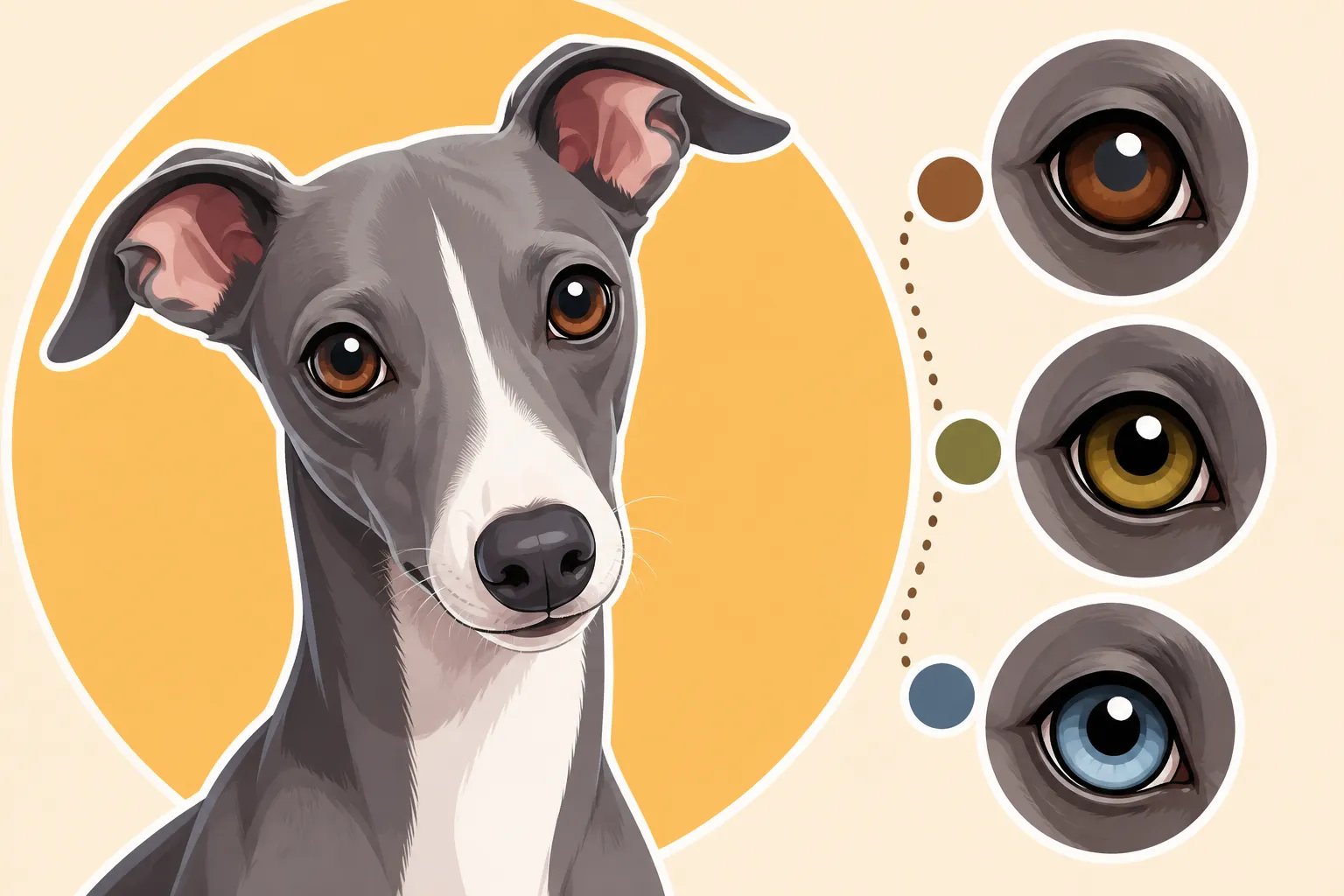
In the American Kennel Club breed standard, an Italian Greyhound’s eyes are described as dark, bright, intelligent, and medium in size. The eye rims are also expected to be dark. In everyday terms, the ideal is usually a deep brown that can appear nearly black, especially in dim light or from a distance.
“Dark” does not mean every dog’s eyes look exactly the same shade. Lighting, the angle you are looking from, and the dog’s individual pigmentation can affect how brown the iris appears. A close look in natural light may reveal brown tones that are hard to see in a quick glance.
The standard describes an ideal appearance for judging conformation, not a health test. A lighter-than-ideal eye may be considered a fault in the show ring, but that alone does not mean the dog has an eye disease or needs treatment. For health questions, signs such as cloudiness, pain, or sudden changes matter much more than whether the iris matches the preferred shade.
What counts as a lighter eye
A lighter eye may look medium brown, amber, or noticeably pale compared with the deep brown typically associated with the breed. Dogs can also appear to have different eye shades depending on the room: warm indoor bulbs can make brown irises look lighter, while shade may make them seem darker.
Look at both eyes in indirect daylight before deciding that the color is unusual. Avoid shining a bright light directly into your dog’s eyes to inspect them. If the eyes have always looked the same and your dog is comfortable, color by itself is usually not an emergency.
A difference in appearance between the two eyes deserves a little more attention. Some dogs naturally have different-colored irises, but a new difference, or a change in one eye, is not something to explain away as a breed trait without an examination. The same goes for a previously dark eye that starts to look cloudy, blue-white, or unusually pale.
Eye color is only one small part of the picture
An Italian Greyhound with dark eyes can still develop an eye condition, and an Italian Greyhound with lighter eyes may have healthy vision. Eye color is not a substitute for looking at how the dog sees, behaves, and feels. A dog that tracks toys, navigates familiar rooms, and has clear, comfortable eyes may appear perfectly well—but only a veterinarian can assess eye health.
Breeders and owners may also discuss inherited eye problems separately from eye color. If you are evaluating a puppy or planning routine care, The Eye Diseases an Italian Greyhound Breeder Screens For and Which Italian Greyhound Eye Problems Are Inherited explain why health history and appropriate screening matter more than iris shade alone.
Why an Italian Greyhound puppy’s eyes may look different
Early eye color can change as a puppy matures
Puppies’ eyes may look blue-gray or hazy-looking early in life as their eyes develop. As pigment develops, the iris can become darker, and the final color may not be obvious right away. The timing and degree of change vary from dog to dog, so a young puppy’s first impression is not always its adult eye color.
A new owner might bring home a puppy whose eyes look lighter in a photograph than they do a few weeks later. That can happen because of both normal development and differences in lighting. If the eyes look clear and comfortable, and the puppy is not squinting or rubbing them, a gradual shift in apparent color is different from a sudden, dramatic change.
Do not try to predict an adult dog’s eye color from a single puppy photo. Ask the breeder what they have observed in the parents and relatives, but remember that family resemblance is not a guarantee. For a broader discussion of selecting a breeder who prioritizes health, see What an Italian Greyhound Breeder Should Have Tested.
Brown shades can vary between individual dogs
Dark brown is the expected look, but the exact shade can vary. One Italian Greyhound’s eyes may appear almost black, while another’s look distinctly brown in daylight. Minor differences between the right and left eyes may also be easier to notice in some lighting than others.
The visible color of an iris is influenced by pigment, but appearance is not a simple one-to-one clue to a dog’s overall health or genetic status. Coat color does not reliably tell you whether an individual dog will have a particular eye condition. If you have questions about coat color and inherited health concerns, Whether Coat Color Predicts an Italian Greyhound's Health offers useful context.
A dog’s eyes can also look different in a phone photo because of flash, reflections, and automatic image processing. A bright reflection can obscure the iris, while a shadow can make the whole eye seem darker. Compare the eyes in ordinary daylight rather than relying on a single image.
Different-colored eyes are unusual, but color alone is not a diagnosis
Heterochromia means that the two irises are different colors, or that one iris contains more than one color. It is not the typical Italian Greyhound look, and it may be considered outside the preferred breed appearance. Still, the mere presence of a lifelong color difference does not automatically prove an eye is unhealthy.
The important question is whether the difference has been present for as long as you can remember or appeared recently. A stable, longstanding difference can be discussed at a routine veterinary visit. A sudden change in one eye—especially alongside redness, squinting, tearing, cloudiness, or a change in vision—needs prompt professional attention.
If you are looking at a puppy, ask the breeder whether the eyes have always looked that way and whether a veterinarian has examined them. Do not accept a confident explanation based only on the dog’s coat color or breed. An eye examination is the practical way to distinguish harmless variation from a problem.
When eye color changes could signal a problem
A gradual shift is not the same as a sudden change
A puppy’s eyes may become darker as it matures, and changes in lighting can make an adult’s eyes appear to shift in shade from one day to another. Those observations are different from a sudden change that remains visible in consistent lighting. If one eye changes while the other does not, or the change develops quickly, arrange a veterinary examination rather than waiting to see whether the color returns.
Cloudiness is especially easy to mistake for a color change. A cloudy-looking surface may make an eye appear pale blue or gray, but that appearance can involve the cornea or lens rather than the iris itself. Causes vary, and it takes an examination to identify what is happening. Cataracts in an Italian Greyhound explains one possible cause of cloudiness, but many different eye problems can look similar to an owner.
Retinal problems may affect vision without changing the visible iris color. If your dog is hesitant in dim light, bumps into furniture, or seems less confident navigating familiar spaces, mention those changes to your veterinarian. You can also read Progressive Retinal Atrophy in an Italian Greyhound for more on a condition that affects sight rather than simply changing the visible eye color.
Watch for discomfort and changes in vision
Eye color is less important than signs that the eye hurts or is not functioning normally. Contact a veterinarian promptly if you notice persistent squinting, holding an eye closed, pawing or rubbing, pronounced redness, swelling, unusual discharge, a sudden bulging appearance, or a new cloudy or bluish surface. A rapid change in vision also needs timely assessment.
If your Italian Greyhound has a small amount of ordinary crust at the corner of an eye, you can gently wipe the area with a clean, damp cloth. Use a separate clean part of the cloth for each eye, and avoid pressing on the eyeball. Do not put human eye drops, leftover pet medication, or home remedies into the eye unless your veterinarian specifically tells you to.
If discharge is recurring or thick, or the skin around the eye is irritated, ask a veterinarian what to do. Some owners look at retailers such as Chewy when they need basic pet-care supplies, but a product marketed for general cleaning is not automatically safe for use in or around an irritated eye. Ask your clinic which product, if any, is appropriate before buying something.
Routine exams help separate appearance from health
A veterinary eye check is useful when you notice a new difference, even if your dog seems comfortable. The veterinarian can examine the eye’s surface, pupils, and internal structures and ask about when the change began. Bring a clear photo taken in natural light if the appearance comes and goes; it can help explain what you noticed, though it cannot replace the examination.
For routine care, ask what eye checks are appropriate for your dog’s age, family history, and symptoms. The article Whether an Italian Greyhound Needs a Yearly Eye Exam discusses routine screening, while What an Italian Greyhound's Yearly Eye Exam Covers describes what an appointment may involve. A dog with a known concern may need a different plan from one with no symptoms or relevant history.
If a veterinarian recommends a specific cleaning product or other supply, you can compare the clinic’s recommendation with options at a pet retailer such as Chewy. Check the exact label and intended use, and do not substitute an over-the-counter item for prescribed treatment. Chewy may also be one place owners browse for general pet-care supplies, but the decision about treating an eye problem belongs with your veterinary team.
What to ask when evaluating an Italian Greyhound’s eyes
If you are meeting a puppy or adult dog, first ask whether the eyes have always appeared that color and whether the dog has had any eye symptoms. Find out whether a veterinarian has examined the dog, and ask for relevant health records rather than relying only on a seller’s description. If the dog has a known diagnosis, ask what follow-up or treatment has been recommended.
For an Italian Greyhound puppy, it is reasonable to ask the breeder about eye health in the parents and close relatives, as well as the health screening they perform. A responsible answer should distinguish cosmetic preferences from actual medical screening. Eye color can be part of a breed-standard discussion, but it should not be presented as proof that a puppy is healthy or unhealthy.
For your own dog, write down when you first noticed a change, whether it affects one eye or both, and whether there are accompanying signs such as redness, discharge, squinting, or trouble seeing. That small record can make a veterinary conversation more useful. If you are unsure whether a change is urgent, call your clinic and describe what you see rather than trying to diagnose it by color alone.
Disclaimer
This article is for general informational purposes only and does not constitute professional advice. Laws, prices and regulations vary by location and change over time. Consult a qualified professional for guidance on your specific situation.