Whether an Italian Greyhound Makes a Therapy Dog
It's such a beautiful thought, isn't it? Imagining your sweet, sensitive Italian Greyhound bringing comfort and joy to people in hospitals, schools, or nursing homes. Many of us Italian Greyhound owners look at our affectionate little shadows and think, "Surely, they'd make the perfect therapy dog!" And while it's true their loving nature is a huge asset, the reality of what therapy work demands can be quite a different experience for our delicate Iggys. This guide will help you understand the unique challenges and potential triumphs of training your Italian Greyhound for this rewarding role.
Understanding the Therapy Dog Role and What It Demands
Before we even consider our Italian Greyhounds, it's crucial to understand what the "therapy dog" title truly entails. It's more than just being a friendly dog; it's a specific job with unique pressures and expectations.
What is a Therapy Dog, Really?
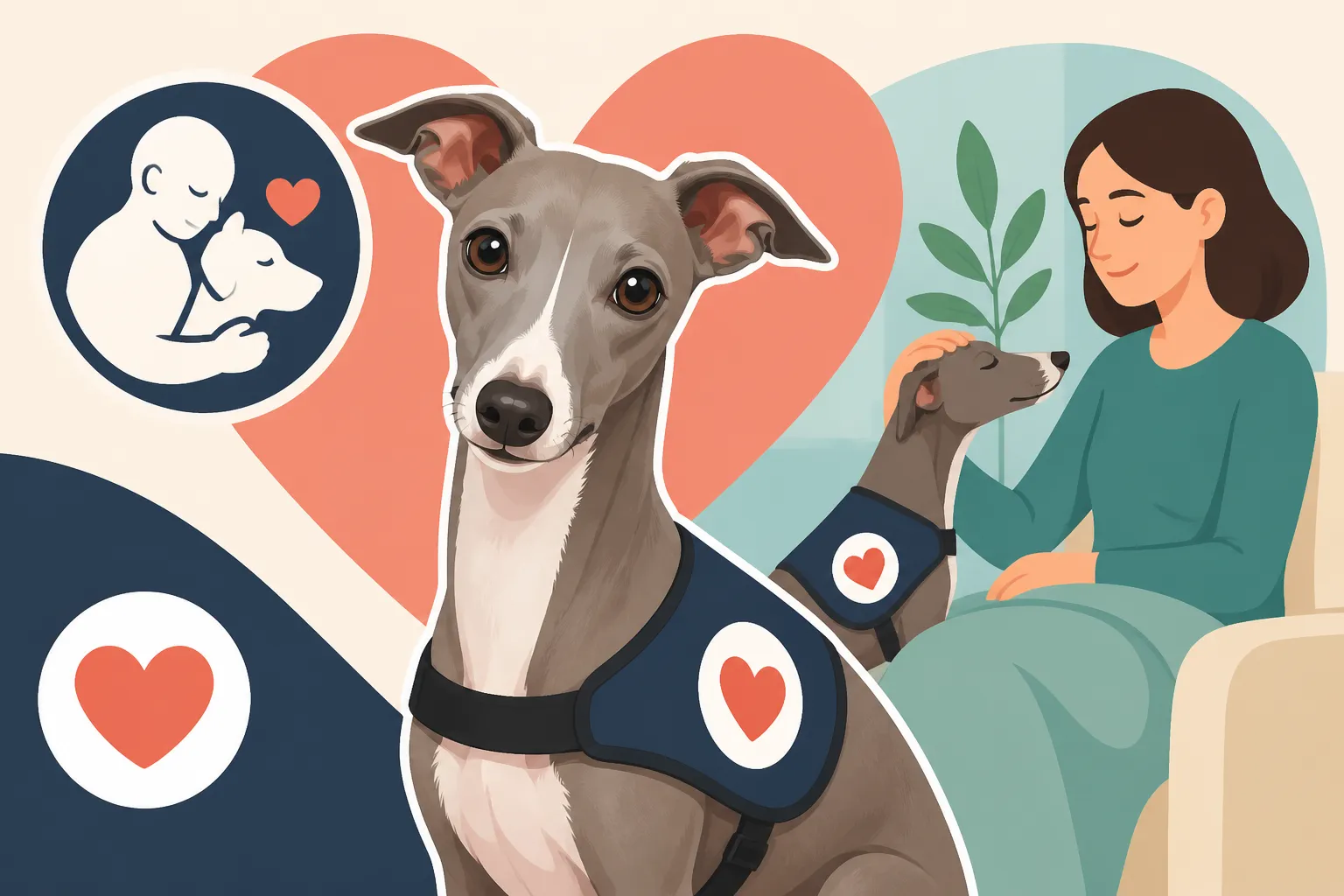
First off, let's clear up a common misconception: a therapy dog is not a service dog. Service dogs are specifically trained to perform tasks that mitigate a person's disability, and they have public access rights by law. Therapy dogs, on the other hand, are pets who, along with their handlers, volunteer in facilities to provide comfort and affection. They don't have the same public access rights as service dogs; their visits are always by invitation and pre-arranged.
The essence of a therapy dog's job is to be a stable, comforting presence in often chaotic or unfamiliar environments. They might be petted by dozens of strangers, hear loud noises, encounter strange equipment, and experience unusual smells – all in one session. It's a demanding role that requires a very specific temperament, both from the dog and the handler. The goal is to bring a moment of peace, a wagging tail, or a soft ear to someone who might be having a really tough day.
Key Traits for a Successful Therapy Dog
So, what kind of dog really shines in this role? It boils down to a few core traits:
- Impeccable Temperament: This is paramount. A therapy dog must be calm, friendly, and tolerant of all kinds of interactions. They need to genuinely enjoy being handled by strangers, including those who might be clumsy, loud, or even a little grabby. They should never show aggression, fear, or excessive shyness, even when startled.
- Solid Obedience: While they don't need to perform complex tasks, a therapy dog must have rock-solid basic obedience. "Sit," "stay," "down," "come," and walking politely on a leash are non-negotiable. They need to respond reliably to their handler's cues even amidst distractions. This ensures safety for both the dog and the people they are interacting with.
- Adaptability and Resilience: Therapy environments are rarely quiet and predictable. A good therapy dog can adapt to sudden noises, strange smells (like disinfectants in a hospital or strong perfumes in a nursing home), wheelchairs, crutches, medical equipment, and people with unusual gaits or voices. They can't be easily spooked or stressed by changes in their environment.
- Cleanliness and Health: For the safety of vulnerable populations, therapy dogs must be meticulously clean and in good health, with up-to-date vaccinations and parasite control. This is often a non-negotiable requirement for facilities.
The Specific Environments Therapy Dogs Work In
Consider the places therapy dogs visit: bustling hospitals with alarms and gurneys, quiet libraries with children learning to read aloud, crowded airport terminals, or nursing homes with unfamiliar smells and residents who might move slowly or unpredictably. Each environment presents its own set of challenges. In a children's hospital, a dog might encounter excited, loud kids, while in a hospice setting, they might need to be incredibly still and gentle.
For an Italian Greyhound, accustomed to the quiet comfort of their home and the familiar routine of their people, these environments can be a sensory overload. Our Iggys are often exquisitely sensitive to changes, and what might seem like a small shift to us can be a significant stressor for them. This inherent sensitivity is something every prospective therapy dog owner must honestly evaluate.
Italian Greyhound Temperament: A Closer Look
Italian Greyhounds are truly unique, and their specific temperament offers both incredible strengths and distinct challenges when considering therapy work. We adore them for these very traits, but we also have to be realistic about how they translate to a public-facing role.
The IG's Affectionate Nature
One of the Italian Greyhound's most defining characteristics is their profound affection for their people. They are, without a doubt, "Velcro dogs." They thrive on companionship, wanting to be with you, on you, or near you at all times. This deep bond and desire for closeness is a huge plus for therapy work. They love to cuddle, to burrow under blankets, and to be held gently. This inherent desire for physical connection is exactly what people seeking comfort often need. An IG who enjoys being held and petted, and who actively seeks out human touch, can be incredibly soothing. Many Iggys will lean into a gentle stroke, melt into a lap, and offer soft kisses, which are all wonderful qualities for a therapy dog. The Velcro Dog: What Constant Company Means With an Italian Greyhound describes this trait perfectly.
However, this affection is often strongest for their own people. While they might be polite with strangers, the intensity of their bond is usually reserved for their immediate family. The key question for therapy work is whether they can extend that genuine warmth and desire for interaction to many different strangers, in many different situations, without becoming overwhelmed or shy.
The Sensitive Side: Noise, Strangers, and Unexpected Movements
Here's where the Italian Greyhound's unique nature often presents its biggest hurdle for therapy work. Iggys are renowned for their sensitivity. They are keenly aware of their surroundings, and sudden movements, loud noises, or even unfamiliar voices can be startling. It's not uncommon for an Italian Greyhound to shiver or retreat when confronted with something new or unexpected. Think about a hospital setting: the sudden beep of a machine, a gurney rolling by, or a loud voice down the hall. These are things that many Iggys would react to with apprehension. Why an Italian Greyhound Shivers can be for cold, but also often fear or anxiety.
Many Iggys are naturally reserved or shy around strangers. While they might tolerate being petted, they may not actively seek out interaction with people they don't know well. A therapy dog needs to be genuinely enthusiastic about meeting new people, not just tolerating it. An Italian Greyhound who shrinks from a stranger's outstretched hand or tries to hide behind your legs is not going to fulfill the role of providing comfort. Validating this frustration, it can be really disappointing when your loving dog isn't as outgoing as you'd hoped, especially when you see their potential for warmth. But it's important to accept their true nature.
Prey Drive and Focus
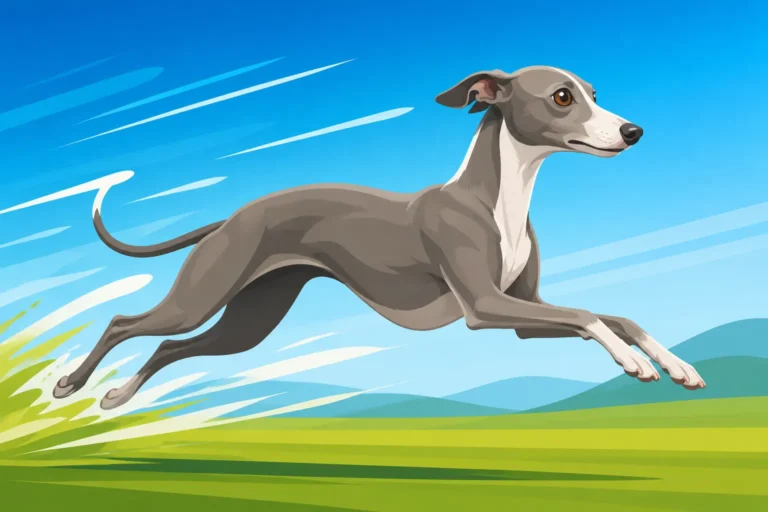
As sighthounds, Italian Greyhounds possess an innate, strong prey drive. They are hardwired to spot and chase anything small and fast. This means that while they might be focused on you indoors, an outdoor distraction like a squirrel, a leaf blowing by, or even a sudden movement from a person can completely break their focus. What an Italian Greyhound Does When It Sees a Rabbit paints a vivid picture of this instinct.
In a therapy setting, maintaining focus is crucial. If your IG is constantly scanning the environment for something to chase, or becoming easily distracted by a dropped pen or a moving cart, it detracts from their ability to connect with the person they are there to comfort. This isn't to say it's impossible to train focus, but it's an uphill battle against thousands of years of breeding. Their instinct to sprint and chase also means that off-leash reliability is virtually non-existent for the breed, reinforcing the need for constant handler control in public.
Here's a quick comparison of IG traits versus ideal therapy dog traits:
| Italian Greyhound Trait | Ideal Therapy Dog Trait | Suitability for Therapy Work |
|---|---|---|
| Affectionate with own family | Affectionate with everyone | Good foundation, but needs to generalize beyond immediate family. |
| Velcro dog | Enjoys close physical interaction | Excellent, if they are comfortable with strangers initiating this interaction. |
| Sensitive to noise/movement | Calm and adaptable to stimuli | Major challenge; requires extensive desensitization and a very stable temperament. |
| Can be shy with strangers | Enthusiastic to greet strangers | Significant hurdle; requires careful socialization and may never be overcome in some Iggys. |
| High prey drive | Easily focused, ignores distractions | Challenge for maintaining attention in busy environments; requires strong obedience and handler vigilance. |
| Prone to shivering when cold/nervous | Resilient to environmental changes | Can be managed with appropriate clothing and warmth, but nervousness can manifest. The Italian Greyhound That Refuses to Go Out in the Cold |
| Thin-skinned, delicate bones | Robust, tolerates clumsy handling | Requires handler to constantly protect the dog and educate people on gentle interaction. |
Training an Italian Greyhound for Therapy Work
Even with their unique sensitivities, training an Italian Greyhound for therapy work isn't an impossible dream for every IG. It requires immense dedication, understanding, and a commitment to positive reinforcement.
Foundational Obedience and Socialization
The journey begins early and with a solid foundation. Puppy classes are invaluable, not just for obedience but for crucial socialization. Exposing your Italian Greyhound puppy to a variety of sights, sounds, people, and friendly, vaccinated dogs in a controlled, positive environment is key. A program like BAXTER & Bella, which offers online puppy training, can provide excellent resources for building these early skills and confidence from the comfort of your home before venturing out. Consistent positive reinforcement, using high-value treats and praise, is the only way to train an IG effectively. Why Raising Your Voice Sets an Italian Greyhound Back a Month underscores their sensitivity to harsh correction.
Beyond puppyhood, continue with advanced obedience classes. Your IG needs to be reliable with basic commands like "sit," "stay," "down," and "come" even amidst increasing distractions. Walking politely on a leash, without pulling or reacting to stimuli, is also crucial. Remember, training sessions for Iggys should be short, fun, and engaging. How Short an Italian Greyhound's Training Session Should Be is a good guide to their attention spans.
Exposure to Varied Environments
This is perhaps the most critical, and most challenging, aspect for an Italian Greyhound. You need to systematically expose your IG to the kinds of environments they'd encounter as a therapy dog, but in a safe and gradual way.
- Public Places: Take them to pet-friendly stores (like pet supply stores), quiet parks, and outdoor cafes. Observe their reactions. Are they comfortable with people approaching? Are they startled by carts, loud conversations, or children running?
- Different Surfaces and Sounds: Walk them on different flooring types – tile, linoleum, carpet, concrete – and expose them to various noises, from beeping forklifts to crying babies (at a distance, initially).
- Diverse People: Encourage polite interactions with people of all ages, sizes, and appearances, including those using wheelchairs, walkers, or canes. Make sure these interactions are always positive, perhaps by having friends in varied attire offer treats.
- Controlled "Practice" Visits: Once you feel your IG is ready, consider visiting a quiet, familiar nursing home or a friend's home with an elderly relative, just for short, supervised practice sessions. Pay close attention to your dog's body language. Are they enjoying it, or are they showing signs of stress like lip-licking, yawning, panting, or tail-tucking?
It’s not about forcing them, but rather building their confidence incrementally. If your IG shows consistent signs of stress, it's a clear signal that therapy work might not be for them. You might find a quiet, comfortable sweater or wrap on Amazon can help them feel more secure in new environments if they tend to shiver from nervousness as much as cold.
Managing "IG Quirks" in a Therapy Setting
Italian Greyhounds come with their own set of adorable quirks, but these need to be managed in a therapy setting.
- Cold Sensitivity: Iggys have almost no body fat and get cold very easily. Keeping an Italian Greyhound Warm Is Daily Work, Not a Winter Job is a testament to this. In air-conditioned hospitals or chilly nursing homes, your IG will need appropriate clothing. A well-fitting, warm sweater or coat isn't just for fashion; it's essential for their comfort and can prevent shivering from cold, which can be mistaken for fear or anxiety by the people they are visiting. You can find a good selection of specialized Italian Greyhound clothing online, including on platforms like Amazon, that are cut to fit their unique build.
- Delicate Nature: Their fine bones and thin skin mean they are fragile. You, as the handler, will need to be diligent in protecting your dog. This means gently guiding interactions, asking people to be calm and gentle, and being ready to scoop your dog up if a situation feels unsafe. This is a constant responsibility.
- Shyness/Aloofness: If your IG is naturally shy, you'll need to work extensively on building their confidence around strangers. Sometimes, their initial shyness can be mistaken for being aloof, but it's often fear. Focus on positive experiences, allowing them to approach on their terms, and never forcing interactions. Not every IG is going to be an outgoing social butterfly, and that's perfectly okay. How shy an Italian Greyhound is highlights this common trait.
Realistic Expectations and Alternative Avenues
It's completely normal to have dreams for your dog, especially when they bring so much joy to your own life. But with Italian Greyhounds and therapy work, it's vital to have realistic expectations and be prepared for the possibility that it might not be the right fit.
Not Every Dog Is Cut Out For It
This is perhaps the most important point. Just like not every person is cut out for every job, not every dog has the inherent temperament to be a therapy dog. And that's absolutely okay. If your Italian Greyhound is consistently stressed by new environments, loud noises, or numerous strangers, pushing them into therapy work is not fair to them. It could lead to negative associations, increased anxiety, or even behavioral issues down the line. Their comfort and well-being should always be your top priority.
We often see our Iggys' potential through rose-colored glasses because we love them so much. But stepping back and observing their true reactions in varied settings is crucial. Is their tail wagging loosely? Are they making eye contact and soliciting pets, or are they trying to hide, looking away, or showing stiff body language? An Italian Greyhound who loves their home and their immediate family but gets overwhelmed in public spaces is a perfectly wonderful dog. They just might not be a therapy dog, and there's no shame in that.
The Joy of a Well-Adjusted Companion
Even if therapy work isn't on the cards, the journey of training and socializing your Italian Greyhound will still yield incredible benefits. You'll have a more confident, well-behaved companion who is a joy to live with. A dog who can comfortably go for walks in your neighborhood, visit a pet-friendly cafe occasionally, or welcome guests into your home without excessive stress is a huge accomplishment, especially with a sensitive breed like the Italian Greyhound.
The bond you build through positive training and shared experiences is what truly matters. Your Italian Greyhound will still provide immense comfort, joy, and companionship to you, their family, and close friends. Their "Velcro dog" nature means they are constantly present, offering silent support and endless cuddles. This personal, intimate therapy is often just as, if not more, valuable than public work.
Other Ways to Volunteer or Connect
If your heart is set on giving back with your dog, but full-fledged therapy work seems too much for your IG, consider other avenues.
- Individual Visits: Perhaps there's a single elderly neighbor or a family friend who would genuinely benefit from a quiet, gentle visit from your Italian Greyhound. These one-on-one interactions in a familiar home environment might be far less stressful than a busy facility.
- Home-based Comfort: Some organizations connect volunteers with dogs to people who are homebound or in hospice care in their own homes. These situations are often quieter and more controlled, potentially a better fit for a sensitive Italian Greyhound, provided they are comfortable in new homes.
- Spreading Awareness: You can advocate for responsible Italian Greyhound ownership, sharing your knowledge about their needs, temperament, and care within your community. Educating others about The Age an Italian Greyhound's Bones Finish Hardening or How many Italian Greyhounds break a leg before two can prevent future heartache.
- Donating to Rescue: If your IG isn't a therapy dog, you can still support Italian Greyhound rescues by donating your time or resources. There are always Iggys in need of foster homes, transport, or financial support for medical care.
Ultimately, whether your Italian Greyhound becomes a certified therapy dog or remains your cherished home companion, the most important thing is that they are happy, healthy, and loved. Celebrate their unique personality, and enjoy the profound bond you share.
Disclaimer
This article is for general informational purposes only and does not constitute professional advice. Laws, prices and regulations vary by location and change over time. Consult a qualified professional for guidance on your specific situation.