Whether an Italian Greyhound Needs to Sprint
It’s a common sight to see an Italian Greyhound curled up on the sofa, seemingly a picture of delicate repose, which can lead many to wonder if these slender, elegant dogs even like to run, let alone need to sprint. The truth is, beneath that calm demeanor and silky coat lies the heart of a sighthound, bursting with a deeply ingrained desire to run at incredible speeds, but channeling that energy safely is crucial for their well-being. This guide will explore the Italian Greyhound's inherent drive for speed, how it differs from a "need" for sustained sprinting, and how to provide healthy, safe outlets for their athletic spirit.
The Instinct to Run: A Sighthound's Heritage
When you look at an Italian Greyhound, it’s easy to get caught up in their dainty appearance and assume they’re content with a sedate life. But don't let their small stature fool you; these dogs carry the genetic blueprint of their larger sighthound cousins. Their ancestors, even if smaller, were bred for speed and keen eyesight, designed to spot and chase small game across open plains. This heritage means that, deep down, every Italian Greyhound has an innate, undeniable instinct to run, and run fast.
This isn't just about getting exercise; it's about fulfilling a fundamental part of who they are. Imagine a bird that loves to fly, or a fish that loves to swim. For an Italian Greyhound, running is a joy, a release, and a connection to their ancient past. They might be small, but they can clock impressive speeds in short bursts. How Fast an Italian Greyhound Runs is often surprising to new owners, who quickly realize their delicate-looking companion can turn into a blur of motion in an instant. This instinctual drive is powerful and, if ignored, can lead to pent-up energy and frustration, much like a human athlete who can't hit the track.
However, the "need" to sprint isn't about endurance. Unlike a Labrador that might enjoy a five-mile jog, an Italian Greyhound's sprinting is typically short, explosive, and then they're ready for a nap. Think of them as sprinters, not marathon runners. They are built for quick acceleration and deceleration, not sustained, long-distance running. This distinction is vital when considering how to incorporate exercise into their routine. Providing opportunities for these short, exhilarating bursts is far more beneficial than trying to force them into long, monotonous runs that go against their natural athleticism and can put undue strain on their delicate bodies.
Sprinting vs. Safe Speed: Understanding Their Unique Physique
It’s one thing to acknowledge an Italian Greyhound's capacity and desire to sprint, and quite another to understand what that means for their delicate physical structure. They are built for speed, yes, but their fine bones and slight build make them susceptible to injury, particularly when that speed is unleashed in uncontrolled environments. This creates a delicate balance for owners: how do you allow them to express their natural athleticism without putting them at undue risk?
Their long, slender legs and agile bodies are perfectly adapted for bursts of incredible speed, often referred to as "zoomies" when they happen indoors. These The Indoor Zoomies an Italian Greyhound Gets are a clear sign of their need to burn off energy. However, the very characteristics that make them so fast also make them fragile. Their radius, in particular, is a bone that is notoriously prone to fracture. Why an Italian Greyhound's Leg Bones Break So Easily is a reality that every owner must acknowledge and plan for. It's not just about what they can do, but what they can safely do.
Therefore, while they certainly have the ability to sprint, and a strong instinctual drive to do so, the "need" is more about fulfilling that instinct in a controlled, safe manner, rather than simply letting them run wild anywhere. A young, exuberant Italian Greyhound might see a squirrel and bolt across a busy street, or leap off a high piece of furniture mid-sprint, leading to devastating injuries. This isn't just a hypothetical scenario; it's a very real danger. The critical point isn't whether they enjoy or are capable of sprinting, but whether the environment allows them to do so without significant risk to their fragile bones. Owners need to be proactive in creating safe zones for these bursts of speed.
Providing Safe Outlets for Their Energy
So, how do we honor an Italian Greyhound's innate desire to sprint while protecting their delicate frame? It comes down to providing specific, safe environments and activities that channel their energy effectively. It’s about being smart and proactive, rather than reactive.
One of the best ways to let an Italian Greyhound truly open up and run is in a securely fenced area. Think about a local dog park that's completely enclosed, or a friend's large, securely fenced backyard. Even better is a dedicated Where an Italian Greyhound Can Run Safely facility, such as a lure coursing field. Lure coursing is perhaps the most ideal activity for an Italian Greyhound, as it taps directly into their prey drive and allows them to sprint at full speed in a controlled, safe environment designed for sighthounds. Lure Coursing and Racing With an Italian Greyhound offers an incredible outlet for their natural abilities without the dangers of unpredictable obstacles or hard surfaces.
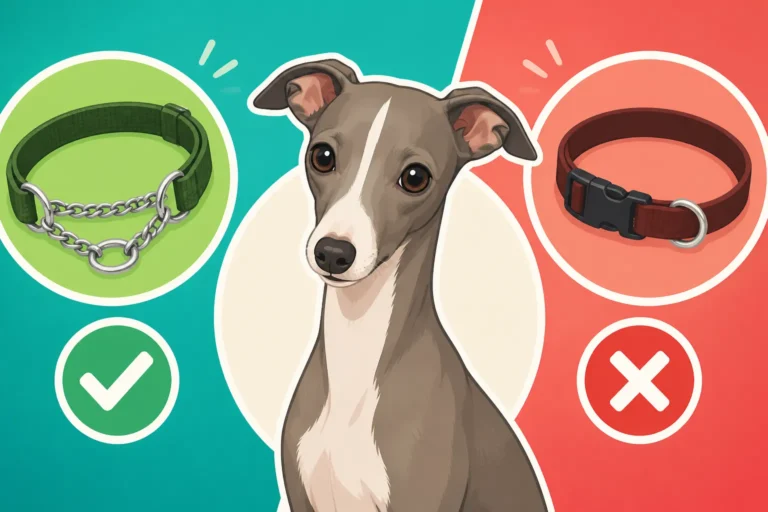
When considering a fenced yard or dog park, always double-check the security. A small Italian Greyhound can squeeze through surprisingly tight spaces or jump fences that appear too high for them. How High a Fence an Italian Greyhound Needs is often underestimated. For owners who don't have access to large, secure yards, a long line (a very long leash, typically 20-30 feet or more) can be a fantastic tool. This allows them some freedom to accelerate and explore in a relatively open space, while still being safely tethered to you. Just be sure to use a secure harness, not a collar, with a long line to prevent injury if they hit the end of the line quickly.
Indoors, you can also manage their zoomies. While less intense than an outdoor sprint, these bursts of energy still need consideration. Ensure your home has clear pathways, and consider non-slip rugs on hard floors to prevent slips and falls during their excited dashes. Ramps and steps leading to furniture are essential. Ramps and Steps for an Italian Greyhound's Furniture are not just for senior Iggies; they are crucial for preventing young, agile IGs from leaping off sofas and beds, especially when caught up in a sudden burst of speed.
Here's a quick comparison of safe vs. risky environments for Italian Greyhound sprinting:
| Environment/Activity | Safety Level | Rationale |
|---|---|---|
| Secure, Fenced Dog Park | High | Ample space, soft ground, controlled environment. |
| Private, Securely Fenced Yard | High | Familiar, controlled, no unknown dogs. |
| Lure Coursing Event | Excellent | Designed for sighthounds, safe, engaging, supervised. |
| Long Line in Open Field | Medium-High | Allows acceleration, maintains control, requires attentive owner. |
| Busy City Park/Unfenced Area | Very Low | Cars, bicycles, unpredictable dogs, small obstacles, escape risk. |
| Dog Park with Large, Rough Dogs | Low | High risk of accidental injury from rough play. |
| Indoors with Slippery Floors | Low | High risk of slips, falls, and fractures. |
| High Furniture without Ramps | Low | Jumping off can cause serious leg fractures, especially during excited play. |
When you're looking for gear to facilitate safe play, like a sturdy long line or a secure harness that won't allow them to slip out, platforms like Amazon can be a good starting point to explore options. Just be sure to read reviews and measure your IG carefully for the right fit, as their unique body shape often requires specialized sizing.
Beyond the Sprint: The Importance of Controlled Exercise and Mental Engagement
While providing opportunities for safe sprinting is important for an Italian Greyhound’s physical and mental health, it’s not the only form of exercise they need. In fact, relying solely on uncontrolled sprinting can be detrimental. A well-rounded exercise routine combines their love for speed with other forms of physical activity and crucial mental stimulation.
Regular, moderate walks are incredibly beneficial. How Far an Italian Greyhound Should Walk Daily will vary, but consistent walks at a comfortable pace allow them to explore the world through their nose, socialize (if appropriate and safe), and build muscle endurance without the high impact of constant sprinting. These walks also provide an opportunity for crucial training moments, reinforcing leash manners and focus. For puppies, especially, consistent, short walks help them develop good habits without overtaxing their still-developing bones. The Age an Italian Greyhound's Bones Finish Hardening means that overly strenuous or uncontrolled exercise in young Iggies can be particularly risky.
Mental stimulation is just as important as physical exercise for Italian Greyhounds. These intelligent dogs thrive on puzzles, training games, and interactive play. Engaging their minds can actually help reduce some of the pent-up energy that might otherwise manifest as frantic sprinting. Hide-and-seek with treats, learning new tricks, or even obedience training classes can be wonderful outlets. Tools like those offered by BAXTER & Bella, which focus on positive reinforcement and engagement, can be excellent for channeling their intelligence and building a strong bond.
Remember, an Italian Greyhound's entire day isn't (and shouldn't be) about non-stop action. They are equally adept at being professional nappers. What an Italian Greyhound Does All Day often includes long stretches of napping and cuddling, which is perfectly normal and healthy. The key is balance: providing outlets for their bursts of energy and their sprinting instincts, coupled with more controlled physical activity and plenty of mental engagement, ensures a happy, healthy, and well-adjusted Italian Greyhound. It’s about quality of activity, not just quantity of wild running.
Disclaimer
This article is for general informational purposes only and does not constitute professional advice. Laws, prices and regulations vary by location and change over time. Consult a qualified professional for guidance on your specific situation.