Color Dilution Alopecia in a Blue Italian Greyhound
Finding out your beloved blue Italian Greyhound is developing patchy hair loss and dry, flaky skin can be incredibly disheartening, often leaving owners confused and worried about their dog's comfort and long-term health. This comprehensive guide will walk you through everything you need to know about Color Dilution Alopecia (CDA), specifically as it affects blue Italian Greyhounds, offering insights into its causes, symptoms, and how to best manage this unique genetic condition.
Understanding Color Dilution Alopecia (CDA) in Italian Greyhounds
Color Dilution Alopecia, often simply called CDA, is a genetic skin disorder that primarily affects dogs with "diluted" coat colors, such as blue (which is a dilute black) and fawn (a dilute red/brown). It's a condition that can manifest in varying degrees, from mild thinning to significant hair loss, and it's something many Italian Greyhound owners, especially those drawn to the striking blue coloration, might unfortunately encounter. The key thing to understand from the outset is that it's a structural problem with the hair itself, not an infection or allergy in the traditional sense.
What is Color Dilution Alopecia?
At its core, Color Dilution Alopecia is a hereditary condition characterized by abnormal hair follicle development and recurrent skin infections. Dogs born with diluted coat colors possess a specific gene that affects the distribution of pigment in their hair shafts. In dogs susceptible to CDA, this gene not only dilutes the color but also causes the hair shafts to become fragile, brittle, and prone to breaking. Imagine a thin, hollow straw versus a solid stick – the former is far more likely to snap under stress. This fragility leads to chronic hair breakage and loss, as well as a compromised skin barrier that makes them more vulnerable to secondary bacterial infections and inflammation. It's not just a cosmetic issue; the underlying skin can become quite problematic.
Why is it Called "Blue Dog Alopecia"?
While CDA can affect other dilute colors like fawn, it's most commonly associated with blue-coated dogs, leading to its colloquial name, "Blue Dog Alopecia." This strong association exists because the blue coat color in dogs is a result of a recessive dilution gene that acts on black pigment. When a dog inherits two copies of this dilution gene, the black pigment in their coat is 'diluted' to blue. Unfortunately, this genetic predisposition for diluted pigment can also carry the gene for CDA, making blue Italian Greyhounds, along with Dobermans, Great Danes, and other breeds with dilute coats, particularly susceptible. It's a genetic lottery, so to speak, that often comes hand-in-hand with that beautiful, sought-after blue hue. This isn't a fault of the breeder necessarily, but rather an inherent risk with the genetics involved.
How the CDA Gene Works
The science behind CDA is rooted in genetics. Dogs inherit two copies of every gene, one from each parent. The dilution gene (denoted as 'd') is recessive. This means a dog must inherit two copies of the 'd' allele (dd) to express a dilute coat color, such as blue from black pigment, or fawn from red/brown pigment. Unfortunately, the gene responsible for CDA is often linked to, or directly influenced by, this same dilution pathway. Research suggests that dogs with two copies of the dilute gene (dd) are at a significantly higher risk for developing CDA, though not all dd dogs will develop it, indicating other modifying genes might play a role. Essentially, the pigment granules within the hair shaft, called melanocytes, are abnormally clumped together in dogs with CDA. These clumps weaken the hair structure, making it fragile and prone to breaking, which results in the characteristic patchy hair loss and dull, dry coat. It’s a subtle defect that has a very visible outcome.
Identifying the Signs of CDA in Your Blue Italian Greyhound
Recognizing the signs of Color Dilution Alopecia early can help you manage the condition more effectively and ensure your Italian Greyhound remains as comfortable as possible. It's not always an overnight transformation; often, it's a gradual process that can be easily missed in its nascent stages. Keeping a close eye on your dog's coat and skin is paramount, especially if you know they are a dilute color.
Early Indicators and Coat Changes
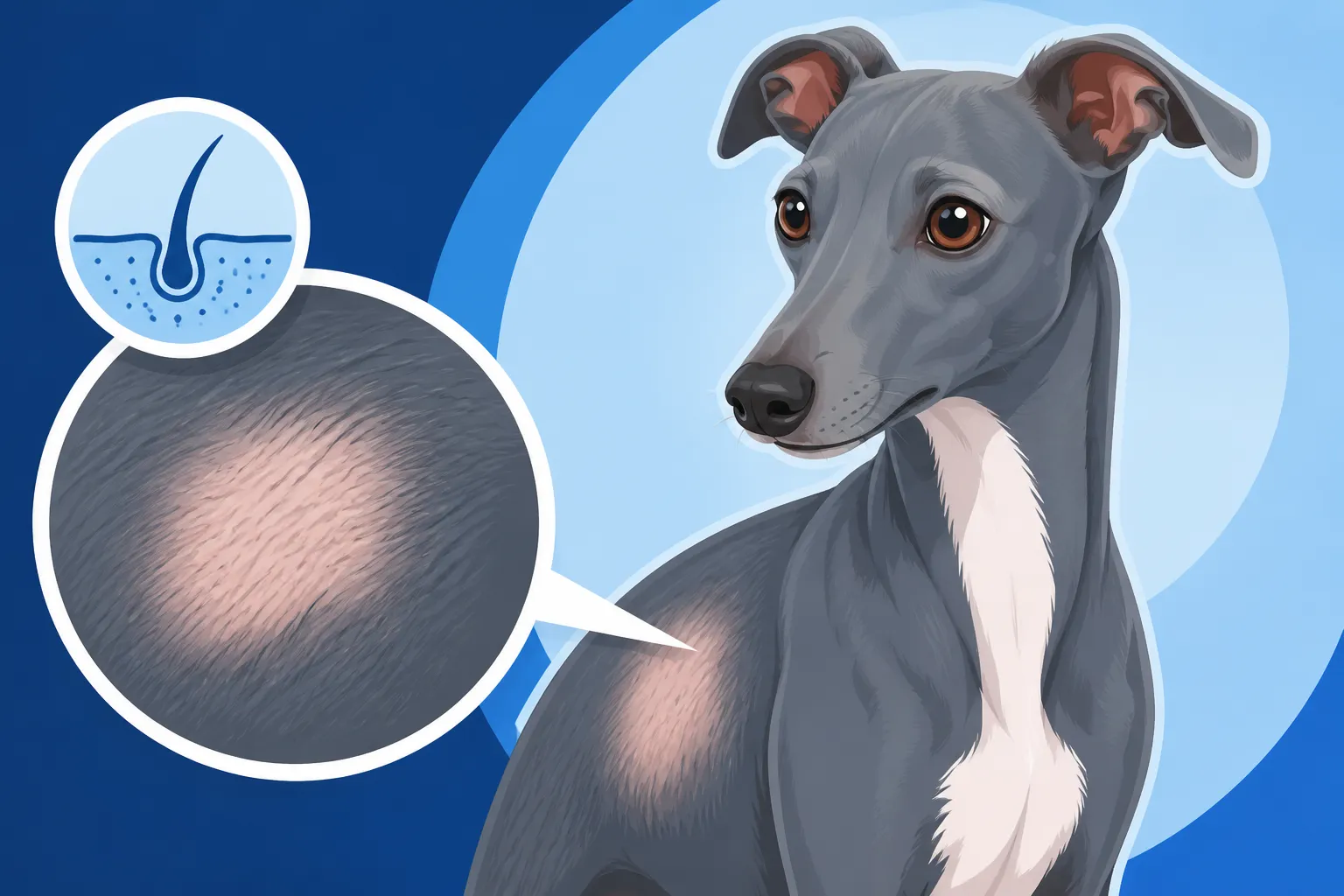
Typically, the first signs of CDA begin to appear when a blue Italian Greyhound is between 6 months and 3 years old, though it can sometimes manifest later. You might notice the once lustrous blue coat starting to look a little duller, less vibrant, almost dusty. This is often followed by a sparse, thin appearance, particularly along the back, ears, and flanks. The hair might feel rougher or more brittle to the touch than the normally silky-smooth Italian Greyhound coat. Instead of thick, even hair, you'll start to see patchy areas where the fur is thinner, or even small areas of complete hair loss. It's not usually a dramatic bald spot initially, but rather a gradual thinning that becomes more pronounced over time. Owners often describe the hair as "breaking off" rather than falling out from the root.
As the condition progresses, the skin in the affected areas can become dry, flaky, and scaly. Because the hair follicles are compromised, they are also more susceptible to bacterial infections, which can lead to pustules, crusts, and an unpleasant odor. Your Italian Greyhound might start scratching or rubbing these areas more due to irritation, exacerbating the hair loss and skin damage. It’s a vicious cycle where the genetic flaw leads to fragility, which leads to breakage, which then makes the skin vulnerable. If you observe your Italian Greyhound thinning on the back, it’s worth considering CDA as a possibility.
Progression of Hair Loss and Skin Issues
Without intervention, the hair loss typically becomes more severe and widespread. What started as subtle thinning can turn into significant patches of baldness, particularly on the trunk, sides of the body, and outer thighs. The skin in these affected areas can become hyperpigmented (darker) and thickened, a condition known as lichenification, due to chronic inflammation and irritation. This change in skin texture and color is a clear sign of long-standing skin issues.
The recurrent bacterial infections, sometimes called pyoderma, are a major concern. These infections cause discomfort, itchiness, and can lead to a musty smell. They require consistent treatment, often with medicated shampoos, topical antibiotics, or even oral antibiotics in severe cases. It’s a frustrating cycle for both you and your dog, as clearing up one infection doesn't prevent the next from occurring since the underlying cause—the fragile hair follicles—remains. This means that managing CDA is less about a cure and more about ongoing care.
Differentiating CDA from Other Skin Conditions
Diagnosing CDA requires a veterinary examination, as its symptoms can sometimes mimic other common skin conditions in dogs. For instance, ringworm, sarcoptic mange, or even hypothyroidism can present with hair loss and skin changes. However, there are key differences a veterinarian will look for. With CDA, the hair loss is usually confined to the dilute-colored areas, spares the white markings if present, and often has a characteristic pattern of broken hair shafts rather than true follicle loss.
A definitive diagnosis often involves a skin biopsy, where a small tissue sample is taken and examined under a microscope. This allows the veterinarian to observe the characteristic clumped melanin granules within the hair shafts and follicles, which are the hallmark of CDA. Hair shafts pulled from affected areas may also show similar clumping. It’s crucial to get an accurate diagnosis because treating for the wrong condition will not only be ineffective but could delay appropriate care and prolong your Italian Greyhound's discomfort. It also helps rule out more serious issues.
The Unique Susceptibility of Blue and Fawn Italian Greyhounds
The Italian Greyhound breed is renowned for its elegant, sleek appearance and beautiful array of coat colors. However, some of these stunning colors, specifically the "dilute" varieties like blue and fawn, carry an inherent genetic risk that owners need to be aware of: Color Dilution Alopecia. This isn't to say these colors are "bad," but rather that responsible breeding and informed ownership are crucial.
Which Italian Greyhound Colors Carry the Alopecia Risk
As we've touched upon, the primary colors at risk for Color Dilution Alopecia in Italian Greyhounds are blue and fawn. Blue is a dilute form of black, and fawn is a dilute form of red or brown. Essentially, any Italian Greyhound that inherits two copies of the recessive 'd' gene (dd) will express a dilute color and therefore carries the genetic potential for CDA. Dogs that are black, red, or seal, for instance, typically do not carry this risk because they possess at least one dominant 'D' allele, preventing dilution. The genes responsible for dilution are closely associated with the genes that can cause CDA, creating this specific predisposition. It's a trade-off that comes with the beauty of these lighter, pastel-like shades. If you're looking for an Italian Greyhound, it's important to understand the implications of the color you choose.
Why Diluted Colors are Affected
The reason dilute colors are affected by CDA goes back to the way pigment (melanin) is produced and distributed in the hair shaft. In dogs with a normal D/D or D/d genotype, melanin granules are evenly dispersed throughout the hair. In dogs with a d/d genotype (dilute colors), these melanin granules are unevenly clumped together within the hair shaft and hair follicle. This clumping doesn't just lighten the color; it physically weakens the hair structure. The hair becomes fragile, easily broken, and prone to poor growth.
Furthermore, these abnormal melanin clumps can cause structural defects in the hair follicles themselves, leading to inflammation and increasing the susceptibility to bacterial infections. It's a cellular-level issue that results in the visible symptoms of hair loss, dryness, and skin irritation. So, while a blue Italian Greyhound might look stunning, the very genetic mechanism that gives it that beautiful color also makes its hair and skin inherently more vulnerable.
Genetic Testing and Responsible Breeding
For breeders, understanding the genetics of CDA is paramount for making responsible breeding decisions. Genetic testing is available for the dilution gene, allowing breeders to identify carriers (D/d) and affected dogs (d/d), although a specific test for the CDA gene itself isn't as straightforward as just identifying the dilution gene. However, breeders can utilize knowledge of pedigrees and the incidence of CDA in their lines.
The goal of responsible breeding is to reduce the occurrence of genetic diseases while maintaining the health and integrity of the breed. This might involve avoiding breeding two dilute-colored dogs together, especially if there's a history of CDA in their lineage. For prospective puppy owners, it is absolutely vital to ask breeders about the health history of their lines, particularly regarding skin and coat issues. A reputable breeder will be transparent about potential health concerns and will have conducted appropriate health screenings, including for conditions like What an Italian Greyhound Breeder Should Have Tested. While you might be drawn to a specific color, prioritizing health should always come first.
Living with a Blue Italian Greyhound Affected by CDA
Discovering your blue Italian Greyhound has Color Dilution Alopecia can feel overwhelming, but it's important to remember that this condition is manageable, and your dog can still live a full, happy life. The key is consistent, proactive care focused on maintaining skin health and protecting their fragile coat. It requires a bit of dedication, but the comfort of your furry friend is well worth it.
Managing Skin Dryness and Irritation
One of the most persistent issues with CDA is chronic dry, flaky, and sometimes itchy skin. Because the hair is compromised, the skin barrier often isn't as robust as it should be, leading to moisture loss and increased sensitivity. To combat this, a multifaceted approach is usually best:
- Bathing with Medicated Shampoos: Your vet may recommend specific medicated shampoos, often containing ingredients like chlorhexidine for bacterial infections, or salicylic acid and benzoyl peroxide for follicular flushing and exfoliation. These shampoos help control bacterial overgrowth and remove dead skin cells. However, frequent bathing can sometimes further dry out the skin, so it’s a delicate balance. Follow your vet’s instructions carefully regarding frequency and contact time.
- Moisturizing Treatments: After bathing, or even between baths, applying a hydrating conditioner or a leave-on topical moisturizer designed for dogs can be incredibly beneficial. Look for products containing ceramides, essential fatty acids, or colloidal oatmeal. Some owners find success with coconut oil or specialized veterinary sprays. The goal is to lock in moisture and soothe irritated skin. Keeping the skin supple helps prevent cracking and further irritation.
- Humidifiers: Especially in dry climates or during winter months when indoor heating can strip moisture from the air, a humidifier in your home can significantly benefit your Italian Greyhound's skin. It adds moisture back into the environment, which can help prevent the skin from becoming overly dry and itchy. Remember, Why an Italian Greyhound Gets Dry Skin in Winter isn't just about their lack of undercoat.
Protecting Exposed Skin from the Elements
With thinning or missing hair, your Italian Greyhound's delicate skin becomes much more exposed and vulnerable to environmental factors. Think of it as having bare skin all the time. This means extra precautions are necessary to prevent sunburn, frostbite, and general skin damage.
- Sun Protection: Italian Greyhounds with CDA are highly susceptible to sunburn, especially on sparsely haired areas. When outdoors, particularly during peak sun hours, apply a pet-safe sunscreen (zinc oxide and titanium dioxide are generally safe, but always check with your vet) to exposed areas like the back, ears, and belly. Alternatively, invest in UV-protective clothing. Remember, Sunburn on a Bald Italian Greyhound is a real concern and can lead to painful burns and increase the risk of skin cancer.
- Cold Weather Gear: Italian Greyhounds are notoriously sensitive to cold due to their lean build and minimal body fat, and this is amplified with CDA. During colder months, even indoors, they'll need layers. Outdoors, a warm coat or sweater is essential to prevent shivering and protect their skin. This ties into the general need for Keeping an Italian Greyhound Warm Is Daily Work, Not a Winter Job. Their compromised coat provides even less insulation.
- Soft Bedding and Surfaces: To prevent pressure sores and further skin irritation, ensure your Italian Greyhound has access to soft, comfortable bedding. Orthopedic beds with memory foam can be excellent choices. Avoid hard surfaces where they might rest for long periods, which can exacerbate existing skin issues or create new ones. Their fine skin means they are also prone to Cuts, Scrapes and an Italian Greyhound's Paper Thin Skin, so rough surfaces should be avoided.
Psychological Impact on Your Dog and You
Living with a chronic condition like CDA can also have a psychological impact, both on your Italian Greyhound and on you, the owner. Dogs are incredibly resilient, but persistent itching, discomfort, or the stress of frequent treatments can affect their demeanor. They might become more anxious, withdrawn, or even irritable if they are constantly uncomfortable.
As an owner, it’s natural to feel frustrated, guilty, or sad when your dog is suffering. You might worry about their quality of life or feel overwhelmed by the ongoing care requirements. It’s crucial to remember that CDA is not your fault. Focus on providing comfort, love, and consistent management. Celebrate the good days and be patient during flare-ups. Maintaining a regular routine, offering plenty of gentle affection, and consulting with your veterinarian for support can help both of you navigate this journey. Consider that managing the financial aspects of ongoing care, especially for chronic conditions like CDA, can be taxing. Many owners find that a robust pet insurance plan, like those offered by Healthy Paws, can significantly ease the burden of vet bills for treatments, medications, and specialist visits, allowing you to focus on your dog's well-being without undue financial stress.
Treatment and Management Options for CDA
While there isn't a cure for Color Dilution Alopecia in Italian Greyhounds, there are numerous strategies to effectively manage the symptoms, improve skin health, and enhance your dog's quality of life. The goal is to minimize hair loss, prevent secondary infections, and alleviate discomfort. A multi-pronged approach, often involving your veterinarian, is usually the most successful.
Topical Treatments and Shampoos
Topical care forms the cornerstone of CDA management, directly addressing skin dryness, inflammation, and bacterial overgrowth. This often involves a careful routine of medicated bathing and moisturizing.
- Medicated Shampoos: Your veterinarian will likely recommend specific shampoos. Shampoos containing benzoyl peroxide are often used to flush hair follicles and help prevent blockage, while those with salicylic acid can aid in exfoliation and reduce scaling. For secondary bacterial infections, chlorhexidine-based shampoos are common antiseptics. It's important to use these products as directed, paying attention to the recommended "contact time" (how long the shampoo should remain on the skin before rinsing) to allow the active ingredients to work. Over-bathing or using harsh shampoos can strip the skin of its natural oils, so balance is key.
- Leave-on Conditioners and Sprays: After bathing, or even between baths, a good quality leave-on conditioner or hydrating spray is essential to restore moisture to the skin barrier. Look for products rich in emollients, humectants (like glycerin), and essential fatty acids. Some specific veterinary formulations contain ceramides that help repair the skin barrier. Regular application, perhaps every few days, can help keep the skin supple and reduce itchiness and flakiness. These can be crucial for an Italian Greyhound whose skin needs constant support.
- Antimicrobial Wipes: For localized skin infections or areas of persistent irritation, your vet might prescribe medicated wipes. These can be used to target specific spots without the need for a full bath, making daily maintenance easier and more consistent.
Nutritional Support and Supplements
Diet plays an important supporting role in maintaining healthy skin and coat, especially for dogs with compromised skin barriers due to CDA. While nutrition alone won't cure CDA, it can certainly help manage the symptoms.
- Omega-3 Fatty Acids: Supplements rich in Omega-3 fatty acids, such as fish oil or krill oil, are highly beneficial for skin health. These essential fatty acids have anti-inflammatory properties that can help reduce skin irritation and improve the overall quality of the coat. They contribute to a healthier skin barrier, which is vital for dogs with CDA.
- Vitamin E: This antioxidant vitamin can also support skin health and act as an anti-inflammatory agent. Discuss appropriate dosages with your vet, as too much of any supplement can be harmful.
- Melatonin: Some anecdotal evidence and limited studies suggest that melatonin supplementation might help stimulate hair regrowth in some cases of CDA or similar alopecia conditions. However, results are highly variable, and it's not a guaranteed solution. If you're considering trying Whether Melatonin Helps an Italian Greyhound's Coat, it's imperative to consult your veterinarian first to determine the correct dosage and to ensure it won't interact with any other medications your dog might be taking.
- High-Quality Diet: Ensuring your Italian Greyhound is on a balanced, high-quality commercial dog food that provides all necessary nutrients is foundational. Sometimes, a diet formulated for sensitive skin or with novel proteins might be recommended if your dog also has underlying food sensitivities exacerbating their skin issues.
The Role of Your Veterinarian and Specialists
Your primary veterinarian is your most important ally in managing CDA. They will diagnose the condition, prescribe appropriate medications, and help you develop a long-term care plan. However, in more challenging cases, or if your dog is not responding well to initial treatments, your vet might recommend a referral to a veterinary dermatologist.
- Veterinary Dermatologists: These specialists have advanced training in skin conditions and can offer more specialized diagnostic tests and treatment strategies. They might suggest more potent prescription medications, innovative topical therapies, or further investigate for secondary issues. Their expertise can be invaluable in tailoring a plan specifically for your Italian Greyhound's unique needs.
- Ongoing Monitoring: Regular veterinary check-ups are crucial to monitor the progression of CDA, assess the effectiveness of treatments, and catch any secondary infections early. Your vet will guide you on adjusting treatment protocols as needed throughout your dog's life.
Preventing and Breeding Away From CDA
For those involved in breeding Italian Greyhounds, or prospective owners looking to acquire a puppy, understanding how to prevent and breed away from Color Dilution Alopecia is critical. While CDA isn't entirely avoidable in dilute lines, responsible practices can significantly reduce its prevalence and severity. It’s about making informed choices that prioritize the long-term health of the breed.
Genetic Screening for Breeders
The most powerful tool breeders have to combat CDA is genetic screening. While there isn't one single test that identifies whether a dog will get CDA, breeders can screen for the dilution gene (d/d). Dogs that are homozygous for the dilution gene (dd) are the ones that express dilute colors like blue or fawn and are at risk.
- Dilution Gene Testing: Reputable genetic testing laboratories offer DNA tests to identify a dog's dilution genotype (D/D, D/d, or d/d). Breeders can use this information to make informed decisions. For instance, a D/D dog will not pass on the dilute gene, and thus will not produce dilute puppies. A D/d dog is a carrier and can produce dilute puppies if bred to another D/d or d/d dog. A d/d dog will always pass on a dilute gene.
- Strategic Pairings: To reduce the risk of CDA, breeders might choose to breed a d/d (dilute-colored, at-risk) dog only to a D/D (non-dilute, non-carrier) dog. While this will produce D/d (carrier) puppies, none will express the dilute color or inherit two copies of the d gene, thus significantly lowering the CDA risk for that litter. Over generations, this careful selection can help breed away from the condition. This goes hand-in-hand with understanding Which Health Tests an Italian Greyhound Breeder Should Run to ensure overall health.
Understanding Pedigrees and Line Breeding
Beyond genetic testing, a thorough understanding of pedigrees is invaluable. Breeders should meticulously track the health history of their dogs' ancestors and relatives, noting any instances of CDA or similar skin issues in dilute-colored dogs.
- Health Databases: Many breed clubs maintain health databases or registries where breeders can report health conditions. This collective knowledge is vital for identifying lines that might have a higher propensity for CDA.
- Avoiding "Problem" Lines: If a particular line or combination of dogs consistently produces offspring with CDA, responsible breeders should avoid repeating those pairings or incorporating those lines into their breeding program, even if the dogs themselves are champions. The goal is to improve the health of the breed, not just to produce show winners.
- Ethical Considerations: While eliminating all dilute colors from the gene pool might seem like a simple solution, it would drastically reduce genetic diversity. The ethical approach involves carefully managing genetic risks while preserving breed characteristics and overall health.
Making Informed Choices When Choosing a Puppy
For prospective Italian Greyhound owners, especially those captivated by the unique beauty of a blue or fawn puppy, making an informed choice is paramount. Don't be shy about asking questions!
- Research Breeders Thoroughly: Seek out breeders who are transparent about genetic health testing and who openly discuss potential health concerns like CDA. A good breeder will be knowledgeable about What an Italian Greyhound Breeder Should Have Tested and will be happy to share results and discuss their breeding philosophy.
- Ask About Parental History: Inquire about the coat colors of the puppy's parents and grandparents, and ask if any relatives have shown signs of CDA or other skin conditions. If both parents are dilute (e.g., both blue), the risk for CDA in the puppies is higher.
- Observe the Puppy's Coat: While CDA often doesn't show up until a bit later, a very dull, sparse, or brittle coat in a young puppy can sometimes be an early indicator. A healthy Italian Greyhound puppy should have a soft, shiny coat, even if it's a dilute color.
- Consider a Non-Dilute Color: If the thought of managing CDA is a significant concern, opting for a non-dilute color (like black, red, or seal) can entirely eliminate the risk of this particular condition. This allows you to enjoy all the wonderful qualities of an Italian Greyhound without this specific genetic predisposition.
Long-Term Outlook and Quality of Life
When faced with a diagnosis of Color Dilution Alopecia in your blue Italian Greyhound, it's natural to wonder about their long-term health and overall quality of life. While it's a chronic condition with no cure, it's generally not life-threatening, and with diligent care, affected dogs can lead perfectly happy and comfortable lives.
Is CDA Painful or Just Cosmetic?
This is a common question, and it's an important one. While the primary symptom of CDA – hair loss – is largely cosmetic, the underlying skin issues can indeed cause discomfort and even pain if left unmanaged.
- Discomfort from Dryness and Itchiness: The chronically dry, flaky skin associated with CDA can be intensely itchy. Persistent scratching can lead to self-inflicted wounds, further skin damage, and increased risk of infection. Imagine having perpetually dry, irritated skin that you can't stop scratching – it's certainly not comfortable.
- Pain from Secondary Infections: When the skin barrier is compromised, it becomes a breeding ground for bacteria, leading to recurrent skin infections (pyoderma). These infections can cause inflammation, pustules, crusts, and a foul odor, which can be painful and very uncomfortable for your dog. Severe infections might require aggressive treatment and cause significant distress.
- Vulnerability to Environmental Factors: With a thinning coat, their delicate skin is more exposed to the elements. This means they are more prone to sunburn, windburn, and feeling excessively cold, all of which can cause pain and discomfort. So, while Whether Color Dilution Alopecia Hurts an Italian Greyhound might not manifest as constant, acute pain, the chronic irritation and secondary issues can certainly diminish their comfort.
What an Italian Greyhound's Hair Grows Back After Alopecia
Unfortunately, the hair loss associated with CDA is typically permanent. Because the condition stems from a fundamental defect in the hair follicles themselves, the hair that is lost rarely grows back in thick, healthy strands. Any new growth tends to be sparse, brittle, and equally prone to breaking.
- No Permanent Regrowth: While some treatments, like melatonin, might anecdotally lead to some temporary or partial regrowth in a small percentage of dogs, it's not a consistent or long-term solution. Owners should prepare for the reality that their Italian Greyhound will likely have permanently thinned or bald patches.
- Focus on Skin Health: Instead of chasing hair regrowth, the focus of long-term care should be on maintaining the health of the existing hair and, more importantly, the underlying skin. By keeping the skin moisturized, preventing infections, and protecting it from environmental damage, you can ensure your dog remains comfortable.
- Embracing Their Appearance: Many owners of CDA-affected Italian Greyhounds learn to embrace their unique look. Their dog's personality and loving nature are what truly matter, not the perfection of their coat.
Ensuring a Happy Life for Your CDA Dog
Despite the challenges of CDA, dogs affected by the condition can absolutely live full, happy, and long lives. Their lifespan, typically Why an Italian Greyhound Lives Fourteen to Fifteen Years, is not usually shortened by CDA itself, though severe, chronic infections could have broader health implications if not managed.
- Consistent Care Routine: Establishing and sticking to a consistent care routine is the most crucial factor. This includes regular medicated baths, moisturizing, sun protection, appropriate winter clothing, and supplements. Consistency is key to preventing flare-ups and maintaining comfort.
- Regular Veterinary Visits: Ongoing communication with your vet and regular check-ups are essential to adjust treatment plans, address new symptoms, and ensure overall health.
- Love and Patience: Above all, your love and patience are what your Italian Greyhound needs most. They thrive on companionship and affection. Providing a warm, comfortable home environment and consistent emotional support will help them navigate any physical discomfort with grace. Remember, the bond you share is far more important than a perfect coat.
| Symptom / Condition | Color Dilution Alopecia (CDA) | Allergic Dermatitis | Hypothyroidism | Demodectic Mange |
|---|---|---|---|---|
| Primary Cause | Genetic defect in hair follicles of dilute-colored dogs | Hypersensitivity reaction (environmental, food, fleas) | Underactive thyroid gland | Mite infestation |
| Hair Loss Pattern | Gradual thinning/patchy, often on trunk/flanks/ears; broken hairs | Itchy, often generalized, or focused on feet/belly/ears | Symmetrical, often on flanks/tail, brittle/dull hair | Patchy, often around eyes/mouth/limbs, localized/generalized |
| Skin Appearance | Dry, flaky, scaly, hyperpigmented, prone to secondary infections | Red, inflamed, itchy, sometimes greasy or secondary infections | Dry, flaky, thickened ("elephant skin"), sometimes secondary infections | Red, scaly, sometimes greasy, pustules, secondary infections |
| Onset Age | Typically 6 months to 3 years | Any age, often young adults | Middle-aged to older dogs | Usually young dogs (localized), any age (generalized) |
| Associated Colors | Blue, Fawn, other dilute colors | Any color/breed | Any color/breed | Any color/breed |
| Itchiness | Mild to moderate, often due to dryness or secondary infection | Intense | Variable, sometimes mild | Variable, sometimes intense |
| Diagnosis | Skin biopsy (clumped melanin), physical exam | Allergy testing, elimination diet, response to treatment | Blood test (thyroid hormone levels) | Skin scrapings (mites) |
| Treatment Approach | Symptomatic management (moisturizers, medicated shampoos, supplements) | Avoidance of allergens, anti-itch meds, immunotherapy | Thyroid hormone replacement medication | Mite-killing medications (oral, topical dips) |
Disclaimer
The information provided in this guide is intended for educational purposes only and should not be considered a substitute for professional veterinary advice. If you suspect your Italian Greyhound has Color Dilution Alopecia or any other health condition, please consult with a qualified veterinarian for accurate diagnosis and a personalized treatment plan. Always seek the advice of your veterinarian with any questions you may have regarding your pet's medical condition.