What an Italian Greyhound Weighs and How to Tell If It Is Right
One of the most common worries for new Italian Greyhound parents, and even seasoned ones, is looking at their delicate, slender dog and wondering if they're feeding them enough, or even too much. It's a real struggle to gauge what "healthy" looks like for a breed known for its visible bones and incredibly lean physique, especially when conventional advice for other dogs often tells you that seeing ribs is a bad sign. This guide is here to cut through that confusion, giving you the tools to confidently assess your Italian Greyhound's body condition and ensure they're at their absolute healthiest weight.
Understanding the Italian Greyhound's Unique Physique
Bringing home an Italian Greyhound means embracing a body type unlike many other popular breeds. They aren't built like a Labrador or a Pug; they are athletes in miniature, and their physical form reflects that ancient heritage. It's crucial to understand this fundamental difference before you even begin to think about their weight.
The Sighthound Build: Lean by Design
Italian Greyhounds are sighthounds, a group of dogs specifically bred for speed and agility, meant to spot and chase prey over open ground. This purpose has sculpted their bodies over centuries. Unlike many breeds that carry a cushion of fat, Iggies are designed to be incredibly lean, with minimal body fat and a sleek, muscular frame. Their bones, particularly their ribs, spine, and hip bones, are meant to be easily felt, and often even subtly seen, without being overtly prominent or sharp.
This can be a huge source of anxiety for new owners, who might be used to dogs with more "padding." You might find yourself constantly questioning if your Italian Greyhound is too thin, especially if you're comparing them to photos of other breeds or even just your memory of past dogs. It's easy to fall into the trap of thinking they need to "fill out" more, when in reality, their natural state is lean. Overfeeding an Italian Greyhound in an attempt to make them look less fragile can actually do more harm than good, as we'll discuss later. Their elegance isn't just aesthetic; it's functional, allowing them to move with grace and explosive speed.
Standard Weight and Height Guidelines
While Italian Greyhounds are typically quite small, there are some generally accepted ranges for their size, but it's important to remember these are guidelines, not rigid rules. Most adult Italian Greyhounds stand around 13 to 15 inches tall at the shoulder and usually weigh under 14 pounds. However, you'll find healthy Iggies that are a little taller or shorter, or that weigh a pound or two more or less. Just like people, there's natural variation within the breed.
A common misconception is that all Italian Greyhounds should fit into a tiny mold. While they are a toy breed, they aren't meant to be "teacups," and dogs bred for extreme smallness can sometimes come with more health issues. The ideal weight is less about hitting a specific number on the scale and more about how that weight is distributed on your dog's individual frame. Factors like bone structure, muscle mass, and even sex can influence their healthy weight. A male Italian Greyhound with slightly heavier bone structure might naturally weigh a bit more than a finely boned female, even if both are at their ideal body condition. Focus on their overall health and body shape rather than getting fixated on a precise number.
The Art of Body Condition Scoring (BCS) for Italian Greyhounds
When it comes to assessing your Italian Greyhound's weight, the scale is just one piece of the puzzle. What truly matters is their body condition. This is where Body Condition Scoring (BCS) comes in, offering a more nuanced way to evaluate if your sighthound is truly at their optimal weight. It combines visual observation with a hands-on feel, giving you a comprehensive picture.
Beyond the Scale: What to Look and Feel For
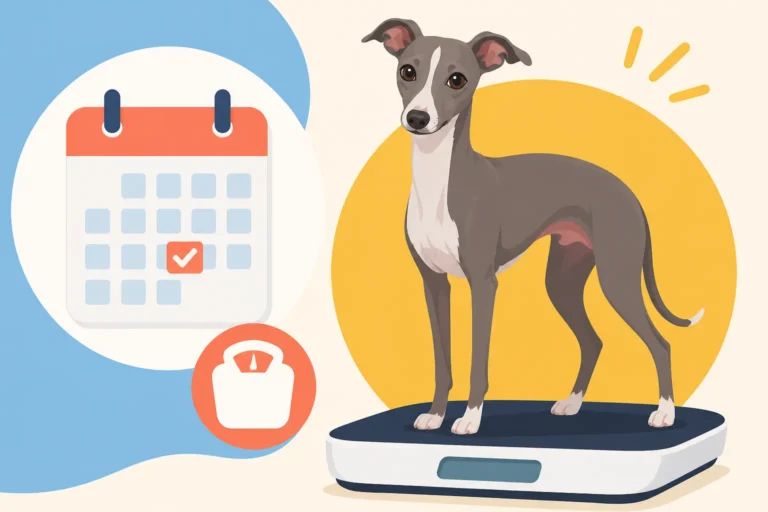
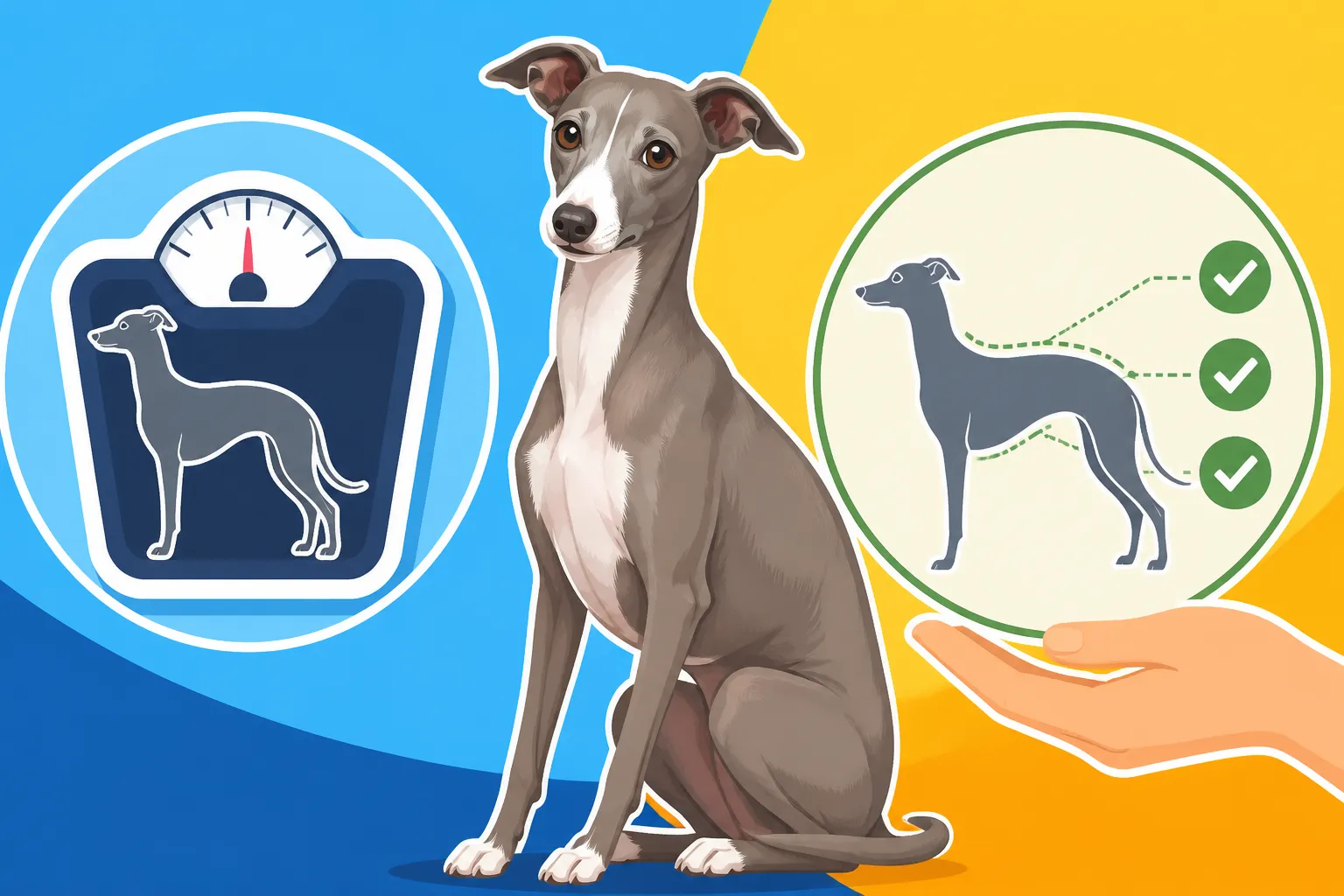
Relying solely on the number on your bathroom scale can be incredibly misleading for an Italian Greyhound. Their delicate build means even a slight fluctuation of half a pound can make a significant difference in their overall condition, but the scale doesn't tell you where that weight is. This is why learning to perform a proper Body Condition Score is invaluable. Instead of just focusing on the number, you'll be training your eyes and hands to recognize the subtle signs of a healthy weight. The goal is not to see their ribs, but to feel them with ease without pressing.
An ideal Italian Greyhound should have a visible and pronounced "waist tuck" when viewed from above, like an hourglass figure, and a distinct "abdominal tuck" when viewed from the side, where their belly gently slopes up from their ribcage to their hind legs. If your dog doesn't have these features, or if they're too exaggerated, it's a sign that their weight might be off. Many owners become overly concerned when they can feel their IG's ribs, mistakenly believing it indicates emaciation. However, for this breed, being able to easily feel the ribs, without them feeling sharp or protruding, is perfectly normal and a hallmark of a healthy sighthound. This tactile feedback is often more telling than any numerical reading on a scale.
Visual Cues for an Ideal Italian Greyhound Weight
When you look at your Italian Greyhound, you should be able to clearly identify certain visual markers that indicate a healthy body condition. From the side, an ideal Italian Greyhound will exhibit a graceful, upward curve from the bottom of their chest to their hind legs. This is known as the "tuck-up" and is a critical feature of their sighthound build. It signifies appropriate muscle tone and a lean abdomen. There should be no sagging or straight line along their belly. Additionally, their chest should be deep, but not barrel-like, blending smoothly into their waist.
Looking down at your Italian Greyhound from above, you should see a distinct "waist" where the body narrows behind the ribcage before flaring out slightly over the hips. This "hourglass" shape is a prime indicator of proper body fat distribution. If your Italian Greyhound looks more like a straight line or a "sausage" from above, it's likely they're carrying too much weight. Conversely, if the waist is excessively narrow and the hip bones are jutting out dramatically, they might be underweight. It's a delicate balance, and often, seeing several Italian Greyhounds together, whether at a dog show or a park, can help you calibrate your eye to what a healthy, athletic build truly looks like for the breed. If you're wondering How Much an Italian Greyhound Should Weigh, remember that these visual cues are often more important than a number.
Tactile Assessment: Hands-On Evaluation
The visual cues are a great start, but getting your hands on your Italian Greyhound provides even more precise information about their body condition. This hands-on assessment should become a regular part of your routine. Start by gently running your palms along their sides, feeling for their ribs. You should be able to feel each rib individually, much like feeling the knuckles on your hand. There should be a very thin layer of fat and muscle over them, not thick padding. If you have to press hard to feel the ribs, your Italian Greyhound is likely carrying too much weight. If the ribs feel sharp, prominent, and you can see them clearly without much effort, they might be too thin. This is a crucial skill to develop, and a good vet can demonstrate exactly How to Feel an Italian Greyhound's Ribs.
Next, move your hands along their spine, from the base of their neck down to their tail. You should be able to feel the individual bumps of their vertebrae, but again, they shouldn't feel sharp or jagged. A smooth, well-muscled back indicates good condition, while a very prominent, bony spine suggests too little weight. Finally, feel their hip bones. In a healthy Italian Greyhound, these should be palpable but not protruding excessively. There should be a smooth transition from the back to the hips, not a sudden, bony angle. Regular, gentle palpation helps you learn what "normal" feels like for your dog, allowing you to quickly notice any changes.
| Body Condition | Ribs | Waist & Tuck-Up | Fat Cover | Energy Levels |
|---|---|---|---|---|
| Underweight | Easily visible and sharp | Extremely exaggerated, deep tuck-up | None, bony prominences | May be low, shivering more |
| Ideal | Easily felt with thin fat cover | Clearly defined hourglass waist, distinct tuck-up | Thin but palpable | Active, agile, playful |
| Overweight | Difficult to feel, requires pressure | Absent or minimal waist, straight or sagging | Moderate to thick layer | May be lower, panting more |
The Risks of Being Underweight
While the Italian Greyhound is naturally lean, there's a fine line between a healthy sighthound build and being genuinely underweight. It's important for owners to recognize the signs that their beloved IG might not be getting enough nutrition, as being too thin carries its own set of health risks.
Recognizing Signs of Being Too Thin
When an Italian Greyhound is truly underweight, the signs go beyond just being able to feel their ribs. Their ribs, spine, and hip bones will become overtly prominent, almost sharp to the touch, and often visibly obvious even from a distance. You might notice their shoulder blades, elbows, and even their skull bones becoming more defined. There's a noticeable lack of any fat padding, and the muscle over their frame may appear wasted or sunken. Their overall appearance might seem gaunt, and their eyes could look a bit sunken into their sockets.
Beyond the physical appearance, you might observe changes in their behavior and well-being. An underweight Italian Greyhound may be more lethargic, lacking their usual zest for zoomies or playtime. They might also be consistently cold, shivering even in moderate indoor temperatures, as they lack the insulating fat layer that helps regulate body heat. Their coat might lose its healthy sheen, appearing dull or sparse. If you're seeing these more extreme signs, it's a clear indicator that your Italian Greyhound needs attention. It's crucial to consult your veterinarian to identify the cause, as issues like Signs an Italian Greyhound Is Underweight are not to be ignored.
Health Implications of Underweight IGs
Being underweight isn't just an aesthetic concern for an Italian Greyhound; it can have significant impacts on their health and overall quality of life. One of the most critical concerns is a compromised immune system. A dog that isn't receiving adequate nutrition will have a harder time fighting off infections and recovering from illness, making them more susceptible to various health issues. Their body simply doesn't have the reserves it needs to function optimally.
Furthermore, the already delicate bones of an Italian Greyhound become even more vulnerable without proper muscle and fat padding. They are already prone to fractures, and being underweight significantly increases this risk, as there's less cushioning to absorb impact from even a small fall or misstep. You might remember the adage that Why an Italian Greyhound Carries Almost No Body Fat makes them fragile, and being too thin amplifies that fragility. Additionally, underweight Iggies struggle immensely with thermoregulation; they feel the cold much more intensely and can quickly become hypothermic, even indoors. This can lead to persistent shivering, discomfort, and a higher demand on their energy just to stay warm. Their coat quality can also deteriorate, leading to dry, flaky skin and increased shedding. Sometimes, being underweight is a symptom of an underlying medical condition, such as chronic dental disease making it painful to eat, parasites, or even issues with malabsorption, all of which require veterinary investigation.
Strategies for Healthy Weight Gain
If you suspect your Italian Greyhound is underweight, the very first step is always a thorough veterinary check-up. It's paramount to rule out any underlying medical conditions, such as parasites, dental issues, organ problems, or metabolic disorders, before you attempt to add weight. Your vet can run blood tests and perform a physical exam to get to the root cause of the weight loss or failure to thrive. Without addressing any medical issues, simply increasing food might not be effective or could even be detrimental.
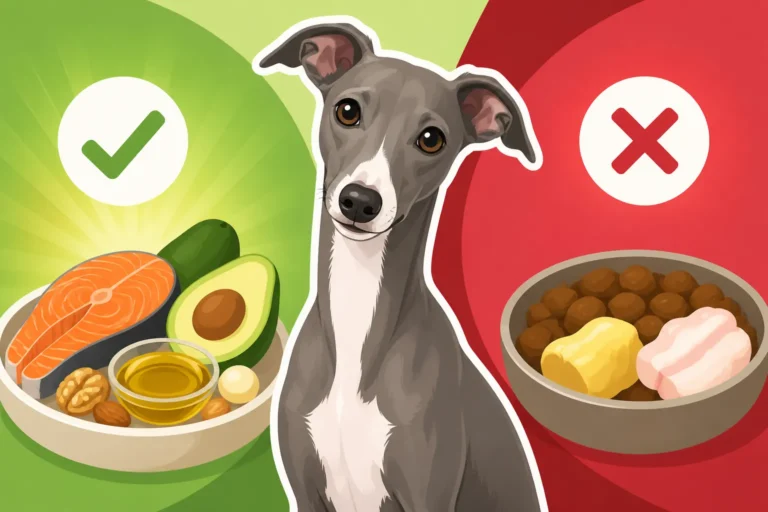
Once any health concerns are addressed, your vet can help you create a safe and effective weight gain plan. This typically involves feeding a high-quality, calorie-dense diet. Look for foods specifically formulated for active small breeds or those with higher protein and fat content, as recommended by your vet. Instead of simply offering more food in one go, which can overwhelm their digestive system, offer smaller, more frequent meals throughout the day. This can aid digestion and nutrient absorption. Some owners find that fresh food diets, like those offered by Ollie, can be particularly palatable and calorie-dense, encouraging picky eaters to consume more. Always introduce new foods gradually to avoid upsetting their stomach. Your vet might also suggest safe supplements, such as fish oil for added calories and coat health, but never give supplements without professional guidance. The key is slow, steady, and healthy weight gain, monitoring their body condition score regularly.
The Dangers of an Overweight Italian Greyhound
It might seem counterintuitive to worry about an Italian Greyhound being overweight, given their naturally slender frame. However, it's a surprisingly common issue, particularly as dogs age or if owners mistakenly believe a "plumper" IG is a healthier one. Carrying extra weight, even a small amount, can pose significant health risks for this delicate breed.
Identifying an Overweight Italian Greyhound
An Italian Greyhound that is carrying too much weight will show distinct signs, even if it's just a pound or two over their ideal. The most noticeable indicator is the inability to easily feel their ribs. You'll likely have to press firmly to detect them, and they'll feel cushioned by a layer of fat. From above, that characteristic "hourglass" waist will disappear, replaced by a straight, blocky, or even outwardly bulging shape, giving them a "sausage" like appearance. The elegant tuck-up from the side will also diminish, becoming much straighter or even sagging towards the ground.
You might also notice fat deposits over their hips and at the base of their tail, feeling soft and squishy rather than lean and muscular. Their neck might appear thicker, and their legs could look disproportionately thin in comparison to their body. These visual cues are critical for spotting the issue early. It's often difficult for owners to objectively assess their own dog's weight, as subtle changes can happen gradually over time, making the new "normal" seem acceptable. Regular self-assessment using the body condition score, and comparing notes with your vet, can help you accurately identify Signs an Italian Greyhound Is Overweight before the problem escalates.
The Serious Health Consequences of Excess Weight
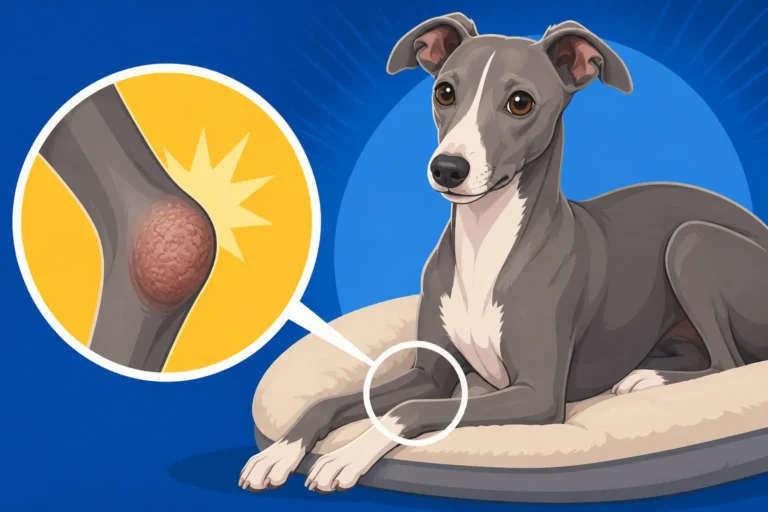
Even a few extra pounds can dramatically impact the health and longevity of an Italian Greyhound. Their delicate skeletal structure is not designed to support excess weight, and this puts immense strain on their joints. Conditions like patellar luxation, where the kneecap slips out of place, can be significantly exacerbated by an overweight condition, leading to pain and potentially requiring costly surgery. The added stress on their small joints can also contribute to the early onset or worsening of arthritis, making movement painful and reducing their quality of life.
Beyond joint issues, being overweight increases an Italian Greyhound's risk for a host of other serious health problems. They become more prone to respiratory difficulties, especially in warmer weather, and can develop issues like diabetes and heart disease. Their metabolic processes are thrown off, making their entire system work harder. A particularly concerning risk for any sighthound is anesthesia. Italian Greyhounds already require careful anesthetic protocols due to their low body fat; an overweight IG complicates this further, increasing risks during any surgical procedure. As we've discussed, Why an Overweight Italian Greyhound Is at Fracture Risk is a major concern, as the extra bulk means more momentum in a fall, and less agility to avoid injury. Fat tissue also produces inflammatory hormones, contributing to systemic inflammation throughout the body, which can make them generally less resilient to illness and injury.
Creating a Safe Weight Loss Plan
If your Italian Greyhound is identified as overweight, the first and most crucial step is to consult your veterinarian. They can help rule out any medical reasons for weight gain, such as an underactive thyroid, and then work with you to devise a safe and effective weight loss plan. Rapid weight loss is unhealthy, so the goal will be a gradual reduction over several months. This plan will primarily revolve around two key areas: diet and exercise.
Dietary changes are usually the cornerstone of weight loss. Your vet may recommend switching to a prescription weight-loss diet or carefully portioning a high-quality, lower-calorie commercial food. It's not just about what they eat, but how much. Accurate measuring with a standard measuring cup, rather than guessing, is essential. You might find a wide selection of diet-specific foods and measuring tools available through retailers like Chewy, making it easier to stick to your vet's recommendations. Cutting out human food scraps and high-calorie treats is also non-negotiable. For exercise, think "more movement, safely." Short, frequent walks rather than one long, strenuous one are ideal, especially if they haven't been active. Indoor play sessions with toys can also help burn calories without putting undue stress on their joints. Remember, consistency is key, and celebrating small victories will keep both you and your Italian Greyhound motivated on this journey to a healthier weight.
Feeding for Optimal Italian Greyhound Weight
Feeding an Italian Greyhound isn't just about putting food in a bowl; it's about understanding their unique metabolic needs and ensuring they receive the right balance of nutrients to maintain their lean, athletic physique. Getting the diet right is fundamental to their overall health and weight management.
Choosing the Right Food and Portions
Selecting the appropriate food for your Italian Greyhound is the first step in maintaining their ideal weight. Generally, a high-quality commercial kibble formulated for small breeds, or even a well-balanced fresh food diet, is recommended. Look for foods with good protein sources and appropriate fat levels, but avoid overly rich or high-calorie formulas unless specifically advised by your vet for weight gain. It's a common mistake to assume that because they're small, they need tiny portions, but it's more about calorie density per serving. Understanding their specific calorie needs, which can vary based on age, activity level, and whether they're spayed/neutered, is vital.
Once you've chosen the food, portion control becomes paramount. Italian Greyhounds, despite their small size, can be surprisingly good at convincing you they're starving. However, overfeeding, even by a small amount each day, will quickly lead to weight gain. Invest in a proper measuring cup and stick to the recommended serving size on the food bag or, ideally, the amount prescribed by your veterinarian. Weighing your dog's food with a kitchen scale can be even more accurate. Many owners fall into the habit of "eyeballing" portions, which can easily lead to giving an extra quarter-cup here or there that adds up over time. If you're trying to figure out How Many Cups a Day an Adult Italian Greyhound Eats, remember that precision matters. Splitting their daily allowance into two smaller meals can also help manage hunger and prevent them from eating too quickly.
The Role of Treats and Supplements
Treats can be a wonderful tool for training and bonding with your Italian Greyhound, but they must be managed carefully to prevent unwanted weight gain. Choose low-calorie treats that are small in size. Many brands offer "training treats" that are specifically designed to be tiny and not add excessive calories. You can also use small pieces of cooked chicken, carrots, or green beans as healthy alternatives. The key is moderation; treats should make up no more than 10% of your dog's daily caloric intake. If you're giving a lot of treats, remember to reduce their main meal proportionally.
Supplements, for the most part, should only be given under the direct guidance of your veterinarian. While some owners might consider joint supplements for older Italian Greyhounds or omega fatty acids for coat health, adding extra vitamins or minerals without a diagnosed deficiency can actually be harmful. For example, giving calcium supplements to a growing puppy, while seemingly beneficial for bone health, can disrupt the delicate calcium-phosphorus balance and lead to skeletal problems, rather than strengthening their already delicate bones. Always discuss any potential supplements with your vet first to ensure they are necessary and safe for your individual dog. You can find a vast array of pet-safe treats and specific measuring tools on sites like Amazon, but always prioritize quality and vet approval.
Monitoring Growth in Italian Greyhound Puppies
Italian Greyhound puppies are adorable bundles of energy, but their growth period is a critical time for proper nutrition and weight management. Unlike larger breeds that need to grow quickly, an Italian Greyhound puppy should grow steadily, without periods of rapid growth spurts that can put undue stress on their developing bones and joints. Overfeeding a puppy in an attempt to make them "sturdy" can be detrimental.
Puppies should be fed a high-quality puppy formula, typically until they are around 9-12 months old, depending on their individual development. These formulas are specifically designed to provide the right balance of nutrients for growth without over-nutrition. Regular veterinary check-ups are essential during this phase, as your vet can monitor their growth trajectory and ensure they are gaining weight appropriately. It's often helpful to be Weighing an Italian Greyhound Puppy Every Week during the first few months to ensure consistent growth. Your vet can also advise you on when your puppy is ready to transition to adult food, which usually happens when they are closer to their mature size and The Age an Italian Greyhound Stops Growing. Remember, a lean puppy is a healthy puppy; excess weight during growth can have long-term negative impacts on their joint health and overall structure.
When to Seek Veterinary Advice
As a vigilant Italian Greyhound owner, you're doing your best to keep an eye on their weight and overall health. But sometimes, despite your best efforts, things can go awry, or you might just need a professional opinion. Knowing when to pick up the phone and call your vet is a critical part of responsible pet ownership.
Sudden Weight Changes or Lack of Appetite
One of the clearest signals that something might be amiss with your Italian Greyhound's health is a sudden and unexplained change in their weight. This means a rapid loss of weight, where your dog appears to be thinning quickly, or conversely, a noticeable and rapid gain that can't be attributed to a change in diet or activity. Such shifts, even if only a pound or two, can indicate an underlying medical condition that requires immediate investigation. It's not uncommon for owners to first notice their dog is losing weight when they can suddenly see or feel ribs more prominently than usual.
Equally concerning is a persistent lack of appetite or a sudden, dramatic change in eating habits. If your Italian Greyhound, usually a good eater, suddenly turns their nose up at their favorite meal for more than a day, or if they're eating significantly less than usual, it's time to involve your vet. This isn't just about picky eating; a prolonged refusal to eat can lead to rapid decline in a small dog with minimal fat reserves. Conversely, a sudden ravenous appetite paired with weight loss could also signal issues like hyperthyroidism or malabsorption. Don't wait to see if it resolves itself; a quick vet visit can provide peace of mind or catch a serious issue early.
Persistent Underweight or Overweight Despite Efforts
It can be incredibly frustrating when you're diligently following all the advice – carefully measuring food, providing appropriate exercise, avoiding table scraps – and your Italian Greyhound is still either stubbornly underweight or can't seem to shed those extra pounds. If you've been consistent with a weight management plan for several weeks or months and aren't seeing the desired results, it's a strong indication that you need professional help. This isn't a reflection of your care, but rather a sign that there might be something else at play.
In cases of persistent underweight, despite increased caloric intake, your vet may need to delve deeper to explore conditions like chronic inflammatory bowel disease, exocrine pancreatic insufficiency, or even certain cancers that can cause nutrient malabsorption or increased metabolic demands. For those struggling with a dog that remains overweight, even on a restricted diet, a vet can investigate hormonal imbalances, such as hypothyroidism, or simply help fine-tune the dietary approach or exercise regimen to find what works for your individual dog. Sometimes, a fresh perspective from a professional, along with specialized tests, is exactly what's needed to break through a weight plateau and get your Italian Greyhound back on track.
Regular Wellness Checks and Body Condition Assessment
Beyond addressing immediate concerns, routine veterinary care is indispensable for maintaining your Italian Greyhound's optimal weight throughout their life. Regular wellness checks, typically once a year for adult dogs and more frequently for puppies and seniors, allow your veterinarian to perform an objective body condition assessment. They have the trained eye and hands to feel for subtle changes that you might miss, and they can provide an unbiased opinion on whether your dog's weight is truly ideal. Your vet will also track their weight over time, noting any trends.
These annual visits are also an opportunity to discuss your Italian Greyhound's diet, exercise routine, and any changes you've observed. Your vet can provide tailored recommendations, adjust food portions, or suggest specific types of food if your dog's needs have changed, perhaps due to aging or a decrease in activity. For senior Italian Greyhounds, who might start to lose muscle mass or develop conditions that affect their metabolism, more frequent check-ups are especially important to ensure their comfort and health. Understanding How Often an Italian Greyhound Needs a Wellness Exam is key to catching any weight or health issues before they become serious problems, ensuring your Italian Greyhound enjoys a long, healthy, and happy life by your side.
Disclaimer
This article is for general informational purposes only and does not constitute professional advice. Laws, prices and regulations vary by location and change over time. Consult a qualified professional for guidance on your specific situation.