How Long an Italian Greyhound Can Stay Outside in Winter
It's a familiar sight for Italian Greyhound owners: you open the door on a chilly winter morning, and your sleek, delicate companion looks at you with wide, pleading eyes as if you've just suggested they go for a swim in the Arctic. The truth is, figuring out how long an Italian Greyhound can safely stay outside in winter is a constant balancing act, fraught with worry about their delicate constitution and unique needs. This guide is here to walk you through the nuances of managing your Iggy's outdoor time when the mercury drops, helping you understand their limits and keep them comfortable and safe.
Why Italian Greyhounds Get So Cold So Quickly
Italian Greyhounds, or Iggys as we affectionately call them, are undeniably built for speed and elegance, not for braving blizzards. Their physical characteristics, which make them such graceful athletes and cuddly housemates, are precisely what make them incredibly susceptible to the cold. It’s not just a matter of them being "finicky" or dramatic; it's deeply rooted in their biology.
Their Thin Skin and Extremely Low Body Fat
One of the most defining features of an Italian Greyhound is their incredibly thin skin, which is often described as feeling like silk. Beneath that delicate epidermis, there's very little to insulate them from the cold. Unlike many other breeds with thick undercoats or substantial layers of fat, Iggys have virtually no subcutaneous fat. Think about it: when you pick them up, you can feel their bones with remarkable clarity. This lack of a natural fatty layer means their bodies have no buffer against temperature drops. They simply can't hold onto warmth the way a Golden Retriever or a husky can, and the cold seeps into their core almost immediately. For more on this, you might find Why an Italian Greyhound Carries Almost No Body Fat insightful.
A Lack of Insulating Fur and Undercoat
Beyond the lack of body fat, Iggys possess a single, short, fine coat of fur. This isn't just thin; it's practically non-existent in terms of insulation. They don't have an undercoat to trap warm air, nor do they have dense guard hairs to repel wind and moisture. Imagine stepping outside in freezing temperatures wearing nothing but a light t-shirt – that's roughly the equivalent for an Italian Greyhound with no protective clothing. Even a slight breeze can cut right through their sparse fur, chilling them to the bone in minutes. This biological reality means they rely entirely on external sources for warmth, be it your lap, a cozy blanket, or, when venturing outdoors, specialized apparel.
Their Small Size and Rapid Heat Loss
Being small might make them incredibly portable and perfect for apartment living, but it also works against them in cold weather. Smaller animals have a higher surface area to volume ratio compared to larger animals. This scientific principle means they lose heat much more rapidly to the environment. Their compact bodies just don't have enough mass to generate and retain a significant amount of body heat when exposed to cold air. This rapid heat loss, combined with their lack of insulation, creates a perfect storm for quick chilling. A brief exposure that might make a larger dog slightly uncomfortable can be genuinely dangerous for an Italian Greyhound. They're simply not equipped to handle sustained cold. It truly explains Why an Italian Greyhound Cannot Hold Its Own Heat.
Recognizing the Signs of Cold Stress in Your Iggy
Your Italian Greyhound can't tell you in words that they're too cold, so it's absolutely crucial for us, as their guardians, to read their body language. They often try to be brave for us, especially if they really want that potty break or walk, but ignoring their subtle cues can quickly lead to discomfort or even a health emergency. Pay close attention to these signals, as they are your Iggy's way of communicating their distress.
Shivering, Hunching, and Seeking Shelter
The most obvious sign that your Iggy is feeling the chill is shivering. This might start as a subtle tremor and escalate to full-body shakes. They'll often hunch their back, tuck their tail tightly between their legs, and try to make themselves as small as possible. This is an instinctive attempt to reduce their exposed surface area and conserve body heat. You might also notice them actively trying to find shelter, whether it's pressing against your leg, trying to burrow into your coat, or pulling back towards the door. If they're constantly looking for an escape route from the cold, it's a clear signal that it's time to head indoors immediately. Even if they're wearing multiple layers, if you see this, the layers aren't enough for the current conditions. You can observe this even indoors if your house isn't warm enough; understanding The Indoor Temperature an Italian Greyhound Starts Shivering At is key.
Lethargy, Slow Movement, and Reluctance to Engage
When an Italian Greyhound gets seriously cold, their normally sprightly and energetic demeanor can dramatically change. They might become lethargic, moving slowly and with a stiff gait. They might also become unusually quiet or withdrawn, no longer interested in exploring or engaging with you or their surroundings. A puppy might normally bounce and play even on a quick potty break, but a cold one will often stand still, finish its business quickly, and then just want to be carried back inside. If your Iggy usually loves a walk but suddenly seems uninterested in moving forward, or keeps stopping and looking back towards the house, take it seriously. Their body is telling them to conserve energy, and that means getting warm is their top priority.
Paw Lifting, Limping, and Avoiding Cold Surfaces
Perhaps one of the most concerning signs, and one that indicates the cold is truly bothering them, is when they start lifting their paws, limping, or showing extreme reluctance to walk on cold surfaces. Their paw pads are exposed and very sensitive to freezing temperatures and icy ground. They can easily develop frostbite if exposed for too long. You might see them doing a "paw dance," quickly lifting one paw after another, or trying to walk on just two or three paws at a time. This is a desperate attempt to minimize contact with the cold. If you see this, it’s not just about discomfort; it's a sign that their extremities are getting dangerously cold. Boots can help immensely, but even with boots, extreme cold will eventually penetrate.
Preparing Your Italian Greyhound for Winter Outdoors
You wouldn't head out into a snowstorm without a good coat, hat, and gloves, and your Italian Greyhound shouldn't either! Proper preparation is key to making any winter excursion safe and as comfortable as possible for these delicate dogs. It's about more than just throwing on a sweater; it's about a complete strategy to protect them from the elements.
Essential Winter Clothing: Coats, Sweaters, and Boots
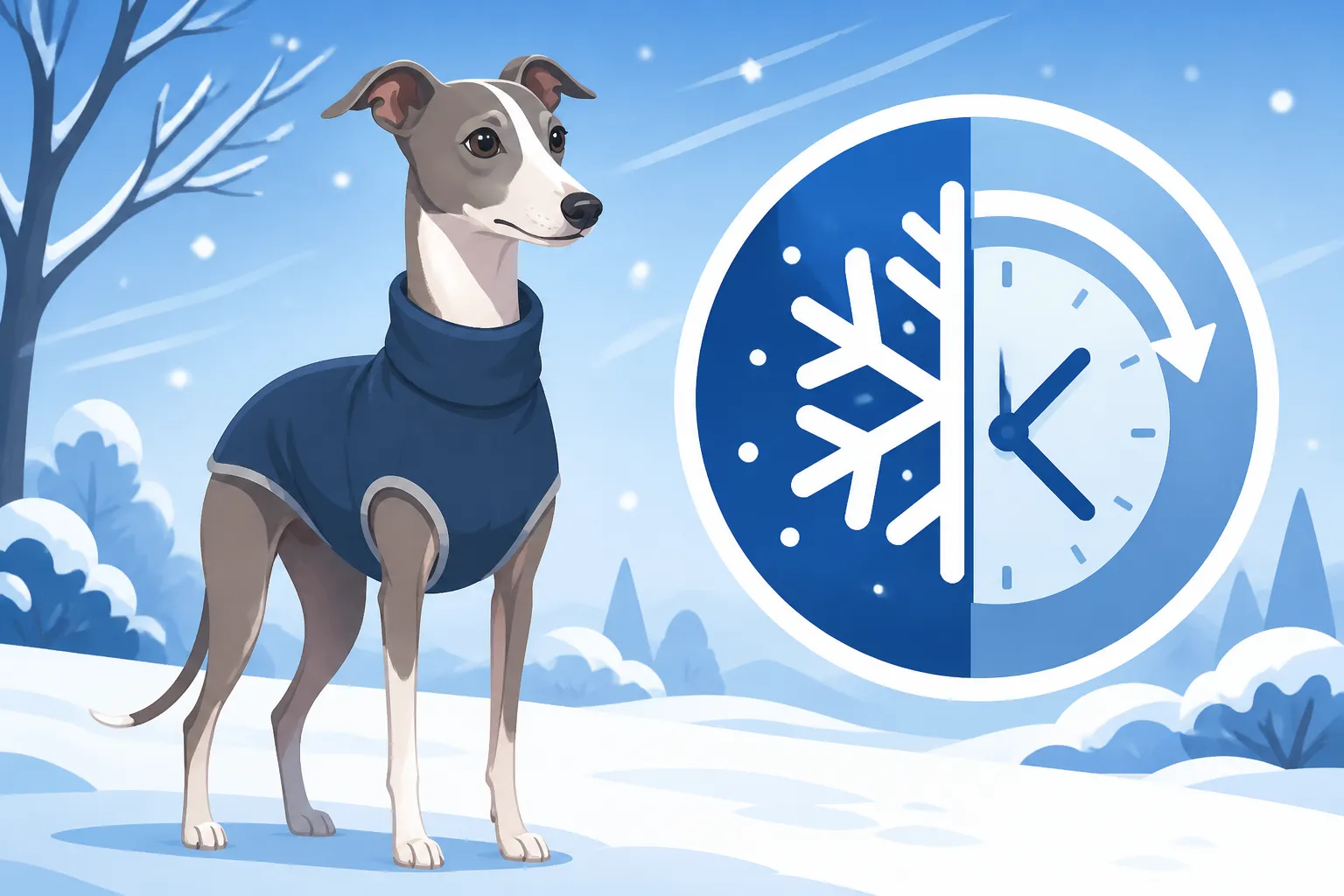
This is non-negotiable for Italian Greyhounds in cold weather. They need layers, just like we do. Start with a good, well-fitting sweater or fleece for insulation, and then layer a waterproof and windproof coat over it. Look for coats specifically designed for sighthounds, which often have a longer cut to cover their backs and a deep chest design to keep their vital organs warm. Brands available on Chewy or Amazon often carry a selection of sighthound-specific apparel. Don't forget boots! While some Iggys might initially protest, boots are crucial for protecting their sensitive paw pads from ice, snow, salt, and freezing temperatures. Start introducing them indoors for short periods before expecting them to wear them on a cold walk. A full guide on How Many Layers an Italian Greyhound Needs Below Freezing can provide more detailed advice.
Warming Up Indoors Before Stepping Out
Think of it like an athlete preparing for a cold-weather event. Your Iggy should be warm and comfortable before you even open the door. Don't let them sleep in a drafty spot right before a walk. Make sure they've been cozy in their bed or snuggled on the sofa. A warm body temperature going into the cold means they have more heat reserves to draw upon, delaying the onset of cold stress. If they're already a bit chilly indoors, taking them out is just asking for trouble. This also means making sure your house is adequately heated. This initial warmth acts as a buffer and can extend their comfort time outdoors, albeit marginally.
Checking Weather Conditions Thoroughly, Including Wind Chill
Don't just look at the temperature reading on your phone! The "feels like" temperature, or wind chill, is far more important for an Italian Greyhound. Wind can strip away body heat at an alarming rate, making a 30-degree Fahrenheit day feel like 10 degrees or less to your thinly-skinned companion. Also, consider precipitation. Rain or wet snow will soak through their fur and quickly lead to hypothermia, even in milder cold. I always check the hourly forecast for both temperature and wind chill, and if there's any mention of freezing rain or heavy snow, we usually opt for an indoor potty break or wait for a break in the weather. Safety should always be the priority, and a thorough weather check is part of that. Knowing When to Skip an Italian Greyhound's Winter Walk can make all the difference.
Safe Outdoor Time Limits by Temperature
Determining an exact universal "safe" time for Italian Greyhounds in winter is impossible, as every dog is an individual, and conditions can vary wildly. However, we can establish some general guidelines based on temperature, wind chill, and an Iggy's unique physiology. Always err on the side of caution; a few minutes too long can have serious consequences.
General Temperature Thresholds and Guidelines
For most Italian Greyhounds, anything below 45 degrees Fahrenheit (around 7 degrees Celsius) is when you should start to be vigilant, even with proper clothing. Below 30-35°F (about 0-2°C), outdoor time should be severely limited to very quick potty breaks, ideally no more than 5-10 minutes. When temperatures dip below 20°F (-6°C), even a few minutes can be dangerous. At this point, I personally consider it too cold for anything but the quickest supervised dash outside, often even just to an indoor potty solution.
Here's a general table of suggested outdoor times, but remember these are maximums and assume your Iggy is well-dressed and conditions are dry:
| Temperature (Fahrenheit) | Temperature (Celsius) | Suggested Maximum Outdoor Time (Well-Dressed Iggy) |
|---|---|---|
| 45-55°F | 7-13°C | 15-20 minutes for a walk, longer for quick potty |
| 35-44°F | 2-6°C | 10-15 minutes for a walk, 5-10 minutes for potty |
| 25-34°F | -4-1°C | 5-10 minutes for a walk, 2-5 minutes for potty |
| 15-24°F | -9 – -5°C | 2-3 minutes for potty breaks ONLY |
| Below 15°F | Below -9°C | Emergency potty breaks only, ideally use indoor solutions |
These are generous estimates for a healthy, active Iggy wearing appropriate gear. A senior Iggy, a puppy, or one with a health condition will need even shorter times. Why an Old Italian Greyhound Feels the Cold More perfectly illustrates this.
The Crucial Impact of Wind Chill and Precipitation
As mentioned, wind chill is a game-changer. A day that's 30°F with no wind might allow for a 5-10 minute potty break, but the same 30°F with a 15 mph wind can feel like 15°F or even colder. This drops their safe outdoor time dramatically. Always check the "feels like" temperature. If it's cold and wet (rain, sleet, wet snow), the danger increases exponentially. Moisture penetrates their thin coat, accelerating heat loss and making them prone to hypothermia much faster. On such days, even if the thermometer isn't alarmingly low, the combination of cold and wet makes staying inside the safest option. Walking an Italian Greyhound in Snow offers more context on managing precipitation.
Individual Variations: Age, Health, and Acclimation
It's vital to remember that these are general guidelines, not hard and fast rules. A young, healthy, active Italian Greyhound might tolerate a few more minutes than a senior dog with arthritis or an underlying health condition. Puppies are also more vulnerable due to their still-developing thermoregulation systems. A dog that is accustomed to milder winters might struggle more in a sudden cold snap than one that has slowly acclimated to colder temperatures over weeks. Always observe your specific Iggy. Do they seem eager to go out, or are they hesitant? Do they finish their business quickly and head for the door, or do they linger? These personal observations are paramount. Some Iggys are simply more sensitive than others, and as their owner, you'll learn their unique signals over time. Don't push them just because the chart says "X minutes."
Post-Outdoor Care and Recovery
Bringing your Italian Greyhound in from the cold isn't the end of the winter outdoor routine; it's just the beginning of their recovery and safety check. Just as important as dressing them warmly is ensuring they warm up safely and effectively once they're back inside. Overlooking these steps can still lead to problems, even after a short exposure.
Swift Warming Up Techniques
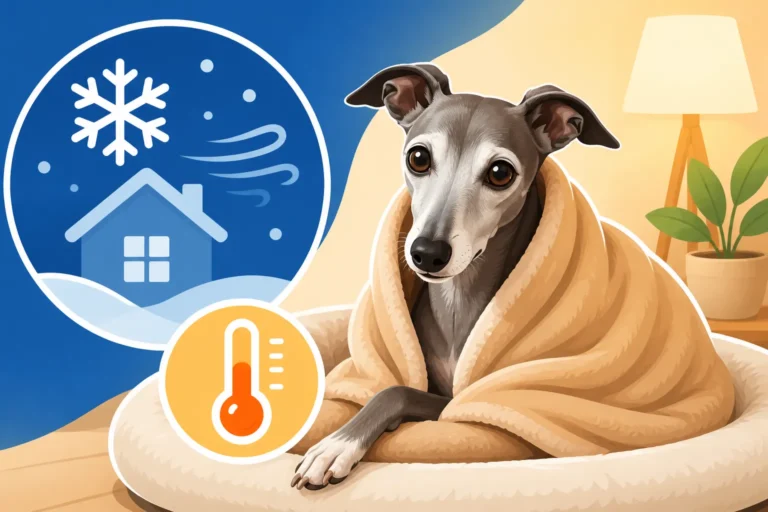
Once your Iggy is back indoors, the first priority is to get them warm. If they're wet, gently towel them dry thoroughly, paying attention to their legs, belly, and tail. Then, get them into a cozy, warm spot. This could be their favorite dog bed with extra blankets, a soft blanket on your lap, or even a specialized heated dog bed. A gentle rub with a warm, dry towel can also help stimulate circulation and warm them up. Avoid placing them directly in front of a blazing fire or on a very hot heating vent, as this can be too intense for their delicate skin and could cause thermal shock. Gradual warming is always better. Many Italian Greyhounds love to burrow under blankets, so having a designated warm spot where they can get completely covered is ideal. Whether an Italian Greyhound Needs a Heated Bed provides more information on this.
Checking for Signs of Frostbite or Injury
After any cold exposure, especially if it was particularly harsh or involved snow/ice, it's critical to check your Italian Greyhound for signs of frostbite or injury. Pay close attention to their extremities: ears, tail tip, and especially their paw pads. Frostbite initially appears as pale, waxy, or grayish skin. The affected area might feel cold to the touch and could be painful or numb. In severe cases, it can turn black and necrotic. If you suspect frostbite, do not rub the area. Instead, gently warm it with lukewarm (not hot!) water and seek veterinary attention immediately. Also, check their paw pads for cracks, cuts, or irritation from ice, salt, or harsh chemicals used on sidewalks. Some brands like Musher's Secret or paw balms (easily found on Chewy or Amazon) can help protect and heal their pads. Checking for Where an Italian Greyhound Gets Frostbite is a good way to educate yourself further.
Providing Immediate Indoor Relief and Comfort
Beyond just warming up, ensure your Iggy feels safe and comfortable. Offer them fresh water – sometimes they don't drink as much when it's cold out, but hydration is still important. If it was a particularly long or challenging outdoor stint, a small, tempting treat can also be a nice gesture. Ensure their indoor environment is consistently warm and free of drafts. This might mean making sure windows are sealed, doors close properly, and they have access to their favorite cozy sleeping spots, possibly with extra blankets. The goal is to make their return to indoors feel like a complete retreat from the harsh outside world, allowing them to fully relax and recover their body temperature.
Indoor Solutions for Winter Exercise and Potty Needs
When outdoor conditions are simply too extreme, or your Italian Greyhound is particularly sensitive to the cold, having reliable indoor alternatives for both exercise and potty breaks is a lifesaver. It alleviates the stress of forcing them outside and ensures they can still meet their needs in warmth and safety.
Utilizing Indoor Potty Solutions
This is a game-changer for many Iggy owners, especially those in colder climates. Indoor potty options can range from simple potty pads to more sophisticated indoor litter box setups or even patches of real grass. Training them to use these indoors means you never have to worry about them holding it for too long or risking their health in freezing temperatures. It's not a sign of failure in housetraining; it's a practical and humane solution for a breed that struggles so much with cold. Introduce these options early, ideally when they are puppies, so they learn to associate them with appropriate elimination. Brands like Fresh Patch offer real grass delivery, which some Iggys prefer. For a comprehensive guide, check out Setting Up an Indoor Bathroom for an Italian Greyhound.
Engaging in Indoor Play and Mental Enrichment
Just because it's too cold to go for a long walk doesn't mean your Iggy doesn't need physical and mental stimulation. Italian Greyhounds are surprisingly energetic indoors. They excel at "zoomies" – those bursts of intense running and leaping around the house. Designate safe areas for play, ensuring there's enough clear space and non-slip flooring to prevent accidental falls or injuries. Interactive toys, puzzle feeders, and training sessions can provide excellent mental enrichment. You can teach them new tricks, play hide-and-seek with treats, or engage them in a gentle game of fetch in a hallway. The key is to keep them engaged and active, burning off energy and preventing boredom, which can lead to destructive behaviors. Exercising an Italian Greyhound Indoors in Winter gives many ideas.
Structured Indoor Training Games
Winter is an excellent time to double down on training, transforming learning into a fun indoor game. Because Iggys are often highly food-motivated, positive reinforcement with tasty treats works wonders. Work on basic obedience cues like 'sit,' 'stay,' and 'down,' or teach more advanced tricks like 'spin,' 'weave,' or 'play dead.' Scent work is another fantastic indoor activity that taps into their natural instincts and provides significant mental stimulation without requiring much space. Hide treats around the house and encourage them to find them. This not only strengthens your bond but also keeps their minds sharp and their bodies moving in a controlled, warm environment. Just remember to keep sessions short and fun, as Iggys can lose interest if things become too repetitive or demanding.
Italian Greyhound Winter Care: A Holistic Approach
Managing an Italian Greyhound in winter is about more than just bundling them up for a quick potty break. It's a holistic approach that considers their entire environment, from the clothes they wear to the beds they sleep in, and how their bodies react to the pervasive chill of the season. It’s a commitment to their unique physiological needs.
Maintaining Optimal Indoor Temperatures and Preventing Drafts
Given how quickly Iggys lose heat, keeping your home consistently warm is paramount. They thrive in environments where the temperature is comfortable for humans, generally above 68-70°F (20-21°C). Even within a warm house, drafts can be a significant issue. Cold air seeping in from under doors or around windows can create chilly spots that chill your Iggy quickly. Consider draft stoppers for doors and ensure windows are well-sealed. Their favorite resting spots should be away from direct drafts. Remember, even if the general room temperature is good, a cold tile floor or a drafty corner can still make them shiver. Providing warm beds and blankets in multiple locations ensures they always have a cozy retreat. Why an Italian Greyhound Needs a Sweater Indoors highlights the need for constant warmth.
Monitoring Overall Health and Hydration
Winter can be a challenging time for any dog, and Iggys are no exception. The cold can exacerbate conditions like arthritis in older dogs, making them less willing to move. Keep an eye on their energy levels, appetite, and water intake. Sometimes, dogs drink less in winter, but hydration is still critical for overall health. Ensure fresh water is always available. Regular wellness checks with your vet are always a good idea, but especially before winter sets in, to discuss any concerns and ensure your Iggy is in top shape to handle the colder months. Don't hesitate to consult your vet if you notice any persistent shivering, lethargy, or changes in behavior that might indicate they're not coping well with the cold.
The Importance of Consistent Routines (Even If Modified)
Dogs, and Iggys in particular, thrive on routine. While extreme weather might necessitate modifying your usual walk schedule or duration, try to maintain as much consistency as possible in other areas. Keep feeding times regular, and maintain a consistent indoor play or training schedule. If outdoor potty breaks are shorter, ensure you're offering indoor alternatives at predictable intervals. This predictability reduces stress and helps your Iggy feel secure, even when the world outside is cold and unwelcoming. Consistency reassures them that their needs will be met, regardless of the weather, which is incredibly important for such sensitive souls.
Conclusion
Owning an Italian Greyhound means accepting that winter will present its own unique set of challenges, especially when it comes to outdoor time. These elegant, thin-skinned companions are not built for the cold, and it's our responsibility to understand their limits, recognize their distress signals, and implement strategies to keep them safe and warm. From their essential winter wardrobe, often found on Chewy or Amazon, to careful monitoring of outdoor conditions and providing cozy indoor alternatives like those from Ollie for meal times, every choice we make impacts their well-being. By being vigilant, prepared, and attuned to your Iggy's individual needs, you can navigate the colder months with confidence, ensuring your beloved companion stays healthy, happy, and, most importantly, wonderfully warm until spring arrives.
Disclaimer
This article is for general informational purposes only and does not constitute professional advice. Laws, prices and regulations vary by location and change over time. Consult a qualified professional for guidance on your specific situation.