Signs an Italian Greyhound Is Underweight
It can be incredibly worrying to look at your beloved Italian Greyhound and wonder if they're just naturally slender, or if they're actually too thin and not getting enough nutrition. These elegant, delicate dogs are famously lean, but there's a fine line between a healthy sighthound build and an unhealthy underweight state. This guide will help you identify the subtle and not-so-subtle signs that your Italian Greyhound might be underweight, providing clear indicators and actionable steps to ensure they thrive.
The Unique Metabolism of the Italian Greyhound
Italian Greyhounds are not built like your average dog. They are sighthounds, bred for speed and agility, and their physiology reflects that heritage. This means they naturally carry less body fat and muscle mass than many other breeds, which can make it tricky to discern if their leanness is healthy or concerning.
Why Iggies Are Naturally Lean
Imagine a marathon runner versus a bodybuilder. Italian Greyhounds are built like that lean, efficient marathon runner. Their sleek, aerodynamic bodies are designed for bursts of speed, not for carrying extra weight. They have very little subcutaneous fat – that's the fat layer right under the skin – which is why you can often see their ribs, spine, and hip bones even when they're perfectly healthy. Their short, fine coats also don't offer much insulation, contributing to their naturally 'thin' appearance and their propensity to shiver at the slightest chill. It's truly a marvel of natural selection and selective breeding, creating a dog that can move like the wind.
This inherent leanness is a hallmark of the breed, a part of their beauty and function. It's what gives them their distinctive silhouette and makes them such graceful movers. However, this natural build can also mask when an Italian Greyhound starts to dip into an unhealthy weight range. What looks "normal" for an IG might be severely underweight for a Labrador, and that mental adjustment is key for owners. Understanding their baseline, healthy leanness is the first step in recognizing when something is amiss. What an Italian Greyhound Weighs and How to Tell If It Is Right goes into more detail about what constitutes a healthy weight for the breed.
When Lean Becomes Too Thin
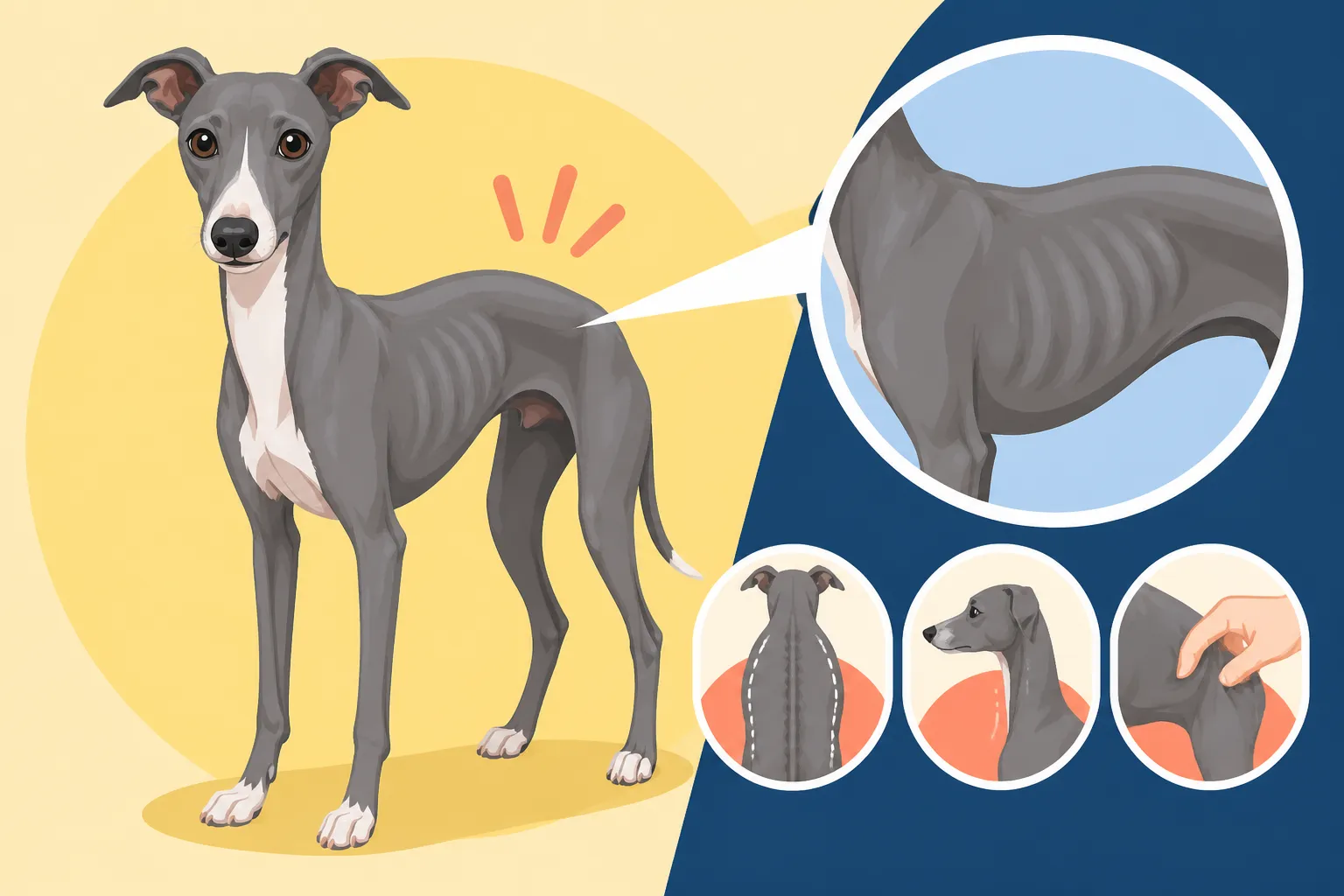
The challenge lies in knowing where the "naturally lean" line ends and "too thin" begins. A healthy Italian Greyhound will have ribs that are easily palpable, meaning you can feel them distinctively without pressing hard, but they shouldn't be sharply protruding or visible from a distance, especially along their side. You might see a slight outline of the last two or three ribs when they're standing in certain positions, but never their entire rib cage clearly defined as if etched onto their skin. Their spine should also be palpable but not have sharp, knife-like projections, and their hip bones should feel smooth under your fingertips, not like pointy knobs.
When an Italian Greyhound starts to lose too much weight, these bony prominences become much more pronounced. You'll notice the distinct outline of every rib, often visible from across the room. The spine will stand out like a ridge, and their hip bones might appear angular and sharp. It’s no longer just a sleek outline; it starts to look bony and fragile. Their elegant tuck-up, which is typically quite dramatic, can become even more exaggerated, giving them an almost gaunt appearance. This is often accompanied by a general hollowness in their flanks and a loss of the subtle musculature that provides their definition.
The Dangers of Being Underweight
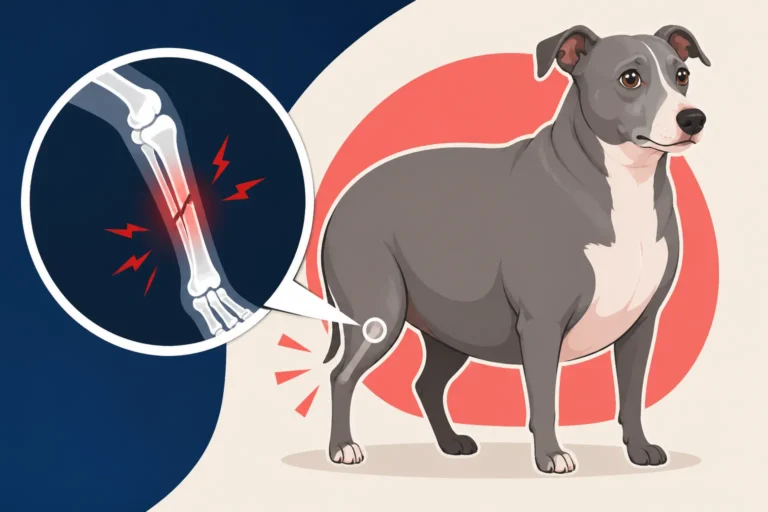
Being underweight is far more than just an aesthetic concern for an Italian Greyhound; it poses significant health risks. Their already delicate bones are more susceptible to fractures if they lack adequate muscle and fat padding. Why an Italian Greyhound's Leg Bones Break So Easily highlights just how vulnerable their bones already are, and being underweight only exacerbates this. They also lose crucial insulation, making them even more prone to feeling cold, which can impact their comfort and even their immune system.
Beyond physical fragility, being underweight can lead to a host of other problems. Their immune system can weaken, making them more vulnerable to illness and slower to recover. They might lack the energy for play and daily activities, becoming lethargic and withdrawn. Chronic low body fat can affect organ function over time, and if the weight loss is due to an underlying medical condition, that condition could be progressing unchecked. It’s a serious situation that warrants prompt attention from both owners and veterinary professionals.
Visual Clues: What to Look For
When assessing your Italian Greyhound's weight, a keen eye is your best tool. You spend the most time with your dog, so you're in the best position to notice subtle changes in their appearance.
Ribs, Spine, and Hip Bones
This is often the first place owners look, and for good reason. For a healthy Italian Greyhound, you should be able to feel their ribs easily, like running your hand over a washboard covered with a thin blanket. There should be a modest amount of tissue over them, so while you can distinguish each rib, they shouldn't feel sharp or directly under the skin. As an Italian Greyhound becomes underweight, this changes dramatically. The ribs become acutely prominent; you can not only feel them but often see them quite clearly, almost individually, even without them stretching or moving.
The spine is another critical indicator. A healthy Italian Greyhound's spine should be palpable, but the individual vertebrae shouldn't protrude or feel like sharp knobs along their back. When they are underweight, the dorsal processes (the pointy parts on top of each vertebra) become very obvious, creating a visible ridge down their back. Similarly, the hip bones, normally felt as gentle curves beneath the skin, will become sharply angular and may even appear to stick out. You might also notice their shoulder blades becoming more distinct, creating a bony protuberance at the top of their forelegs. These are all red flags that your beloved IG needs a closer look.
Loss of Muscle Mass
While Italian Greyhounds aren't known for being heavily muscled, they should still have a lean, defined physique. Watch for a reduction in the muscle that provides shape and cushioning, particularly over their hindquarters and along their back. Their thighs, which should have a visible contour of muscle, might appear flat or even concave. The areas around their shoulders and hips might look hollowed out. This muscle loss can be insidious, happening gradually, so regular observation is important. If you run your hands along your dog's body, pay attention to the firmness and fullness of their muscles. If areas that once felt substantial now feel soft, wasted, or sunken, it's a strong sign of weight loss.
This isn't just about aesthetics; muscle mass is crucial for supporting their delicate skeletal structure and for overall mobility. Loss of muscle can make them weaker, less agile, and even more prone to injury. It can also be a sign of underlying health issues that are causing their body to break down muscle for energy. For an Italian Greyhound, who needs every bit of strength to protect their slender bones, adequate muscle mass is non-negotiable.
Sunken Eyes and Prominent Temples
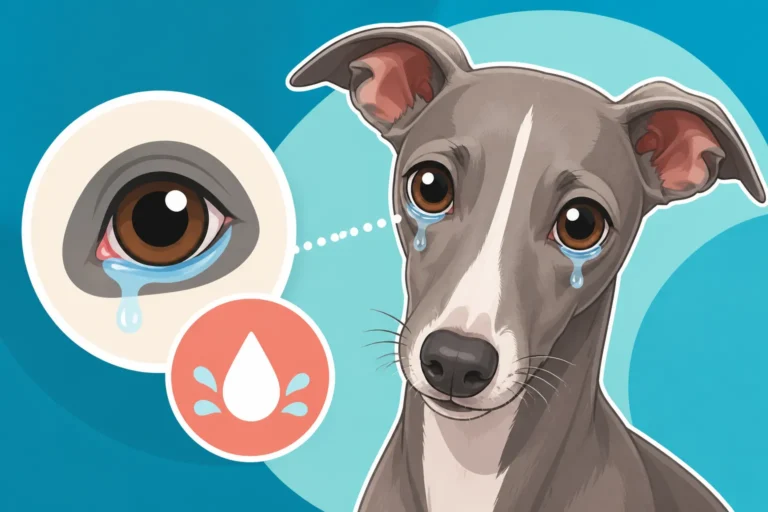
Beyond the trunk, subtle changes in an Italian Greyhound's face can also signal weight loss. Their eyes, which should be bright and alert, might start to appear sunken into their sockets as the fat pads around them diminish. This gives them a somewhat hollow or drawn expression. Related to this, the temporal muscles on either side of their skull, just behind their eyes, can atrophy.
When an Italian Greyhound is at a healthy weight, these areas are generally filled out, creating a smooth line from their forehead to their cheekbones. When they become underweight, these muscles shrink, making the skull bones beneath them appear more pronounced and giving their temples a visibly sunken appearance. It's a sign of significant fat and muscle depletion. Pay attention to their overall facial structure. If their face looks more gaunt or angular than usual, and their eyes seem deeper set, it’s another visual cue that they might be struggling to maintain a healthy weight.
Behavioral and Physical Indicators Beyond Appearance
Sometimes, the internal changes manifest before they are obvious externally, or they accompany the physical signs, reinforcing the concern.
Changes in Energy Levels
A healthy Italian Greyhound is typically a burst of energy, full of zoomies and ready for play, albeit often followed by long naps. If your usually spirited IG starts to seem lethargic, moves more slowly, or shows less enthusiasm for walks or playtime, it could be a sign they aren't getting enough calories to fuel their activity. They might be spending more time sleeping, or simply lying around listlessly. This isn't just a mood; their body is telling them they don't have the reserves for their normal activities.
Imagine trying to run a race on an empty tank; that's what an underweight dog experiences. Their body is conserving energy, which manifests as reduced activity. They might also struggle with stamina, getting winded easily on walks they used to enjoy. Any significant shift in their typical energy patterns, especially if it's sustained, should prompt an investigation into their diet and overall health. What an Italian Greyhound Does All Day covers their typical activity levels, giving you a baseline for comparison.
Poor Coat Condition
An Italian Greyhound's coat should be sleek, fine, and shiny. While they are not heavy shedters, their coat quality can be a good indicator of their nutritional status. If your IG's coat starts to look dull, dry, brittle, or sparse, it could be a sign of inadequate nutrition. Hair growth and skin health require a good supply of essential fatty acids, vitamins, and minerals. When a dog isn't getting enough calories or nutrients, their body prioritizes vital organ function over non-essential things like a lustrous coat.
You might also notice increased shedding or dry, flaky skin, even if you’re maintaining their regular grooming routine. These issues suggest that their body isn't able to produce healthy skin cells and hair follicles. While environmental factors or allergies can also cause poor coat condition, if it coincides with other signs of leanness, it's worth considering nutrition as a contributing factor. A healthy diet supports a healthy coat, inside and out.
Digestive Issues and Appetite Changes
Paradoxically, an underweight Italian Greyhound might either have a voracious appetite that isn't leading to weight gain, or they might become pickier eaters. If your dog is eating well but still losing weight, it could indicate malabsorption issues or a very high metabolism that isn't being met by their current food intake. On the other hand, some Iggies might lose their appetite or become incredibly selective when feeling unwell or undernourished, further exacerbating the weight loss.
Watch for changes in stool quality as well. Chronic diarrhea, very loose stools, or unusually large amounts of stool can indicate that nutrients aren't being properly absorbed, even if the dog is eating. This is often a key sign of underlying gastrointestinal issues or parasitic infections that prevent weight gain. Keeping an eye on their eating habits and bowel movements is crucial. If you're noticing any of these digestive changes, alongside other signs of being underweight, it's definitely time to chat with your veterinarian.
How to Accurately Assess Your Italian Greyhound's Weight
Subjective observation is important, but objective tools can provide a more accurate picture and help you communicate effectively with your vet.
The Body Condition Score (BCS) System
The Body Condition Score (BCS) is a universally recognized tool used by veterinarians to assess a dog's fat and muscle reserves. It’s a hands-on and visual scoring system, usually on a scale of 1 to 9, where 1 is severely emaciated and 9 is morbidly obese, with 4-5 being ideal. For Italian Greyhounds, who are naturally lean, a score of 4 or a lean 5 is often considered ideal, reflecting their sighthound build. A score of 1, 2, or even 3 would indicate they are underweight.
To perform a BCS:
- Look: Observe your dog from the side and from above. A healthy Italian Greyhound should have a visible tuck-up (waist) when viewed from the side, and a distinct waist when viewed from above, like an hourglass figure. If these are too exaggerated, it's a sign of being underweight.
- Feel: Gently run your hands over their ribs, spine, and hip bones. You should feel the ribs easily with minimal fat cover. The spine should be palpable but not sharply protruding, and the hip bones should be smooth, not angular.
Here's a simplified table to help you:
| BCS Score | Appearance | Ribs, Spine, Hips |
|---|---|---|
| 1-2 | Severely emaciated, all bones highly visible, no fat/muscle | Easily visible, prominent, sharp. No fat/muscle covering. |
| 3 | Underweight, bones very prominent, minimal fat | Easily visible, minimal fat cover, very sharp. |
| 4-5 | Ideal, ribs palpable, visible waist and tuck-up | Easily palpable, slight fat cover. |
| 6-7 | Overweight, ribs difficult to feel, less defined waist | Harder to feel, moderate fat cover. |
| 8-9 | Obese, no waist, heavy fat deposits | Very difficult to feel, heavy fat cover. |
For an Italian Greyhound, aiming for that lean 4 or solid 5 is crucial. Anything below 4 means it's time to act. It's often helpful to ask your vet to demonstrate a BCS assessment so you can accurately learn what to feel for.
Regular Weigh-Ins
While the BCS is excellent for visual and tactile assessment, regular weigh-ins provide concrete data. It's a simple way to track trends over time. If your Italian Greyhound is consistently losing weight or failing to gain weight despite efforts, the scale will tell you. Keep a log of their weight, perhaps once a week or every other week, using the same scale if possible. Many vet clinics are happy for you to pop in just to use their scale for a quick check.
Puppies, especially, need consistent monitoring. Weighing an Italian Greyhound Puppy Every Week can help you understand growth patterns. For adults, sudden or gradual weight loss that isn't explained by increased activity or diet changes is a red flag. Knowing your dog's ideal weight range (which your vet can help establish) and monitoring for deviations is a proactive approach to their health. Consistent data empowers you to have informed conversations with your veterinarian.
Consulting Your Vet
If you suspect your Italian Greyhound is underweight, the most important step is to schedule a visit with your veterinarian. They can accurately assess your dog's BCS, discuss their diet and activity levels, and rule out any underlying medical conditions. Weight loss can be a symptom of many health issues, from parasites and dental disease to more serious conditions like thyroid problems, kidney disease, or even cancer.
Your vet might recommend a fecal test to check for parasites, blood work to assess organ function, or other diagnostic tests. Don't try to guess or self-diagnose; a professional opinion is invaluable. They can help you develop a safe and effective plan to help your Italian Greyhound gain weight, whether it involves dietary adjustments, deworming, or treating an underlying illness. Remember, early intervention is always best for a positive outcome. Why an Italian Greyhound's Vet Should Know Sighthounds also highlights the importance of finding a vet familiar with the breed's unique needs.
Addressing Underweight Issues Safely
Once you've confirmed your Italian Greyhound is underweight, the next step is to implement a safe and effective plan to help them reach a healthy weight. This often involves a multi-pronged approach under veterinary guidance.
Dietary Adjustments
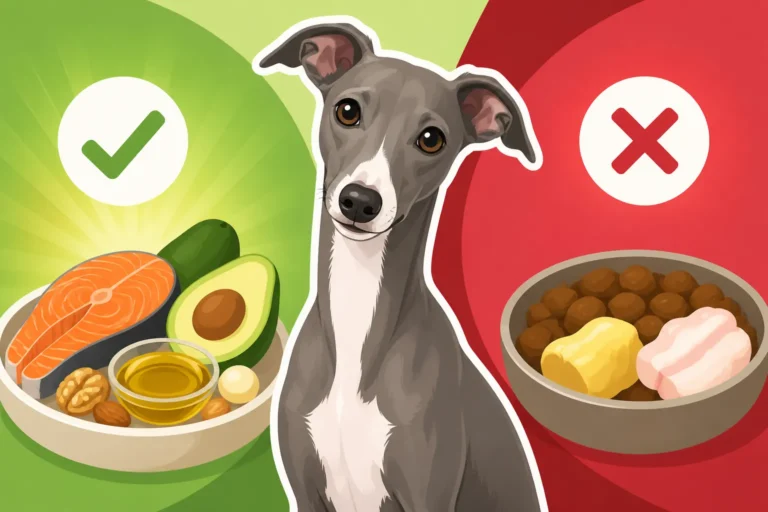
The most direct way to help an underweight Italian Greyhound is through dietary adjustments. This isn't just about feeding more food; it's about feeding the right food and ensuring optimal nutrient absorption. Your vet can help you determine the appropriate caloric intake based on your dog's ideal weight, activity level, and any underlying health concerns.
- Increase Calorie Density: Opt for high-quality dog food that is nutrient-dense and palatable. Sometimes, switching to a puppy formula or a performance formula can provide the extra calories without a huge increase in volume, which can be easier on their digestive system. Brands like Ollie offer fresh, human-grade food that can be highly palatable and calorie-rich, often enticing picky eaters.
- Smaller, More Frequent Meals: Instead of two large meals, try offering three or four smaller meals throughout the day. This can be easier for their digestive system to process and absorb nutrients efficiently, especially if they have a sensitive stomach.
- Strategic Treats and Toppers: Incorporate calorie-dense treats and healthy meal toppers. Things like cooked chicken, scrambled eggs, a spoon of cottage cheese, or a little pumpkin can add extra nutrients and make meals more appealing. Just be sure to count these extra calories into their daily total. You can find a good selection of high-quality treats on Chewy or Amazon.
- Monitor Intake: Keep a log of what your Italian Greyhound eats each day. This helps you track their progress and ensures they are consistently consuming enough calories.
It's crucial to make dietary changes gradually to avoid upsetting their stomach. A sudden switch can lead to digestive upset, which defeats the purpose.
Ruling Out Underlying Health Conditions
As mentioned, weight loss can be a symptom of various medical issues. Before simply increasing food, your vet will want to rule out these possibilities. This might include:
- Parasites: Internal parasites like worms can steal nutrients, leading to weight loss despite a good appetite. A simple fecal test can detect these.
- Dental Disease: A painful mouth, often common in Italian Greyhounds, can make eating difficult and lead to reduced food intake. Periodontal Disease Is the Italian Greyhound's Most Common Diagnosis is a must-read on this topic.
- Gastrointestinal Issues: Conditions like inflammatory bowel disease or exocrine pancreatic insufficiency (EPI) can impair nutrient absorption.
- Thyroid Problems: Hypothyroidism can affect metabolism, sometimes leading to weight gain, but other hormonal imbalances can also cause issues. Hypothyroidism in an Italian Greyhound is worth investigating if other causes are ruled out.
- Kidney or Liver Disease: These can affect appetite and overall health, leading to weight loss.
- Cancer: In some cases, unexplained weight loss can be an early sign of cancer.
A thorough veterinary examination and potentially diagnostic tests are essential to identify and address any underlying health problems. Treating the root cause is paramount for sustainable weight gain and overall well-being.
Creating a Comfortable Feeding Environment
Sometimes, it's not just what they eat, but how and where they eat. Italian Greyhounds are sensitive souls, and their environment can impact their appetite and comfort.
- Quiet and Calm: Ensure their feeding area is quiet, calm, and free from distractions or stress. If there are other pets in the household, consider feeding your IG separately to ensure they feel safe and aren't competing for food.
- Warmth and Comfort: Italian Greyhounds feel the cold acutely. If they're constantly shivering or uncomfortable, their body burns more calories just to stay warm, and their appetite might be suppressed. Make sure their eating area is warm. Perhaps a cozy mat or bed nearby for them to settle after eating. Keeping an Italian Greyhound Warm Is Daily Work, Not a Winter Job underscores how critical warmth is for this breed.
- Consistent Schedule: Dogs thrive on routine. Feeding at consistent times each day can help regulate their appetite and digestive system.
- Appropriate Bowls: Ensure their food and water bowls are comfortable for them. Some Iggies prefer elevated bowls, which can make eating more comfortable for their long necks.
- Positive Reinforcement: Make mealtime a positive experience. Praise them when they eat, and avoid hovering or stressing them out.
By addressing their nutritional needs, ruling out health issues, and optimizing their environment, you can help your Italian Greyhound safely and effectively gain weight, restoring them to their naturally lean, healthy, and happy selves. It's a journey that requires patience, observation, and partnership with your vet, but seeing your IG thrive is the ultimate reward.
Disclaimer
This article is for general informational purposes only and does not constitute professional advice. Laws, prices and regulations vary by location and change over time. Consult a qualified professional for guidance on your specific situation.