When an Italian Greyhound Wears a Coat to Bed
If you own an Italian Greyhound, you already know the perpetual struggle of keeping these delicate, thin-skinned creatures warm. It's not just a daytime concern; their comfort at night, especially during cooler months or in air-conditioned homes, often means more than just a soft bed. This guide will walk you through the tell-tale signs that your Italian Greyhound might be shivering under the covers, the environmental and physiological factors at play, and how to choose the right garment to ensure they get a cozy, restful night's sleep.
Why Your Italian Greyhound Gets Cold, Even Indoors
Italian Greyhounds are undeniably elegant, but their slender build and fine coat, while beautiful, are simply not designed for retaining body heat efficiently. It's a fundamental aspect of their physiology that makes them particularly susceptible to the cold, turning even a mildly cool room into an uncomfortable environment for them. Understanding these inherent traits helps us appreciate why a simple blanket often isn't enough once the temperatures drop.
Lack of Body Fat and Thin Skin
One of the most striking characteristics of the Italian Greyhound is their incredibly low body fat percentage. Unlike many other breeds that carry a significant layer of insulating fat beneath their skin, Iggies are built for speed and agility, not warmth. This lack of natural padding means there's very little to act as a barrier between their internal body temperature and the ambient air. When you gently run your hand over your IG, you can feel their bones and taut muscles clearly, a testament to their lean physique. This isn't a sign of being underweight in a healthy IG, but rather a normal breed characteristic.
Coupled with this, their skin is remarkably thin and fine, almost paper-like. It’s not robust like a Bulldog's or thick like a Labrador's. This delicate skin offers minimal insulation against the cold. Imagine wearing only a very thin silk shirt in a chilly room; that's somewhat akin to what your Italian Greyhound experiences without additional warmth. They simply don't have the natural defenses against temperature fluctuations that other breeds might. This vulnerability means they lose heat rapidly, a process that continues even when they're curled up trying to sleep. This is why Why an Italian Greyhound Carries Almost No Body Fat is a crucial read for any owner.
Short Coat and Lack of Undercoat
Their signature short, smooth coat is another factor contributing to their perpetual chill. While incredibly soft and low-shedding, this single layer of fine hair offers almost no thermal resistance. Most cold-weather breeds, or even many temperate climate breeds, possess a double coat: a soft, dense undercoat for insulation, topped by a coarser outer coat for protection. The Italian Greyhound, by contrast, has only that sleek, close-lying outer coat.
This absence of an insulating undercoat means that cold air can penetrate directly to their skin with little to no impediment. It's like having a beautiful, but ultimately ineffective, shield against the elements. Even a seemingly cozy blanket can only do so much if the air circulating under the blanket is cool, or if the blanket itself isn't thick enough to trap sufficient body heat. This is why you often see them shivering even when it doesn't feel particularly cold to you; their personal thermostat is simply set much higher.
Low Metabolic Rate Under Rest
When an Italian Greyhound is awake and active, their metabolism generates some heat. They're often zipping around in bursts of speed, performing their famous "zoomies," which definitely gets the blood pumping! However, when they settle down to rest or sleep, their metabolic rate naturally slows down considerably. This reduced metabolic activity means they are generating less internal heat precisely when they need it most for prolonged periods of inactivity, like overnight sleep.
This phenomenon is particularly noticeable in breeds with low body fat and thin coats. While a heavier-set dog might have residual heat or sufficient insulation to maintain core temperature during sleep, an Italian Greyhound's internal furnace dials down, and their minimal external insulation offers little help. They simply don't have the physiological reserves to maintain warmth in a cool environment for hours on end without assistance. This is also why procedures requiring Why Anesthesia Is Handled Differently in an Italian Greyhound require such careful temperature monitoring.
Signs Your Italian Greyhound Is Cold in Bed
It’s easy to project our own comfort levels onto our dogs, but Italian Greyhounds often have unique ways of communicating their discomfort, especially when it comes to being cold. Learning to recognize these subtle (and sometimes not-so-subtle) cues can help you proactively ensure they are warm enough to get truly restorative sleep. Don't wait for them to be visibly shivering; sometimes, their attempts to get warm are quieter.
Shivering or Trembling
The most obvious sign that your Italian Greyhound is feeling the chill is shivering or trembling. This isn't just a reaction to fear or excitement; it's a physiological response to cold, where muscles rapidly contract and relax to generate heat. If you see your IG shivering even when they're tucked into bed, it's a clear indication that their current sleeping setup isn't providing adequate warmth. This often happens right after they've settled down, or in the early hours of the morning when the house temperature dips.
Sometimes the shivering can be very subtle, a slight tremor rather than a full-body shake. Pay attention to how still they are. If they're constantly adjusting, trying to burrow deeper, and still have a slight shimmy, they're likely cold. While a momentary shiver might be a reaction to a sudden draft, persistent trembling, even under a blanket, means they need more insulation. It's the equivalent of you trying to sleep in a cold room with insufficient blankets – you'd be too busy trying to warm up to truly rest. You might find this interesting: Cold or Nervous: Why an Italian Greyhound Shivers.
Seeking Extra Warmth or Huddling
An Italian Greyhound who is cold will instinctively try to find additional sources of warmth. This often manifests as an intense desire to burrow deep under blankets, creating a little "nest" to trap their body heat. They might tunnel under every available cushion, duvet, or pillow, seeking the deepest, most enclosed space. While Iggies are natural burrowers, if this behavior seems excessive or desperate, it’s a sign they're actively trying to compensate for a chilly environment.
They might also try to huddle against you or other pets more intensely than usual. This isn't just affection; it's a strategic move to share body heat. If your Italian Greyhound is usually happy on their own spot but is suddenly glued to your side, pressing their cold body against you, or snuggling uncharacteristically close to another dog or cat, they're likely seeking warmth. This huddling instinct is powerful and tells you their current arrangements aren't cutting it. Consider whether Whether a Snuggle Sack Suits an Italian Greyhound would help them feel more secure and warm.
Restlessness or Difficulty Settling
A dog that is too cold will struggle to get comfortable and settle into a deep sleep. You might notice your Italian Greyhound constantly shifting positions, circling their bed repeatedly, pawing at blankets, or getting up and lying down again. They might whine softly or sigh frequently, unable to find that sweet spot of warmth and comfort. Instead of drifting off peacefully, they are preoccupied with their internal thermostat, trying to escape the chill.
This restlessness can lead to disturbed sleep patterns, which, over time, can affect their overall health and mood. Just like us, a lack of quality sleep can make them grumpy and less energetic during the day. If your IG seems unusually active or unsettled at bedtime, even after their evening routine, consider if the ambient temperature is playing a role. Providing them with a coat or warmer bedding can make a significant difference in their ability to relax and sleep soundly through the night.
Factors Influencing Bedtime Coat Need
Deciding whether your Italian Greyhound needs a coat or pajamas for bed isn't a one-size-fits-all answer. Several factors play a role, from the temperature of your home to your dog's individual characteristics. Being mindful of these can help you tailor their bedtime comfort to their specific needs, ensuring they are always cozy and secure.
Ambient Room Temperature
This is perhaps the most significant factor. What feels comfortable to you in your pajamas might still be too chilly for your Italian Greyhound. For many Iggies, any room temperature below about 70-72°F (21-22°C) can start to feel cool, especially when they are inactive for long periods, like overnight. If your thermostat is set lower than that, or if you live in an older home with drafts, a coat or pajamas are almost certainly a good idea. Even during warmer months, if you run air conditioning consistently, the indoor temperature can drop enough to warrant a lightweight sleep garment.
Consider the variations in temperature throughout the night. Homes often cool down considerably in the early morning hours, long after you've gone to sleep. This is precisely when your IG might start to shiver and become uncomfortable. It’s also worth noting that floors, especially tile or hardwood, can be significantly colder than the ambient air temperature, and even a raised bed might not entirely mitigate that chill. Remember, The Indoor Temperature an Italian Greyhound Starts Shivering At can be surprisingly high for them.
Bedding and Sleeping Arrangement
The type of bedding and where your Italian Greyhound sleeps also heavily influences their need for an extra layer. A thick, plush, donut-style bed with high sides that allows them to burrow deep can offer more warmth than a flat mat. Beds specifically designed for sighthounds, often with deeper walls or snuggle pockets, are a great option. However, even the best bed might not be enough if the room is cold.
If your Italian Greyhound sleeps on the sofa, a human bed, or even an elevated dog cot, they might still benefit from pajamas, particularly if they kick off blankets or aren't naturally inclined to burrow. Some Iggies are master blanket-kickers, and no matter how many times you tuck them in, they end up exposed. In these cases, a coat acts as their personal, non-kickable blanket. For those who sleep directly on the floor (not recommended for Iggies due to pressure points and cold), an insulated coat is even more vital. The Bedding a Thin Skinned Italian Greyhound Actually Needs goes into detail on suitable options.
Age and Health Considerations
An Italian Greyhound's age and overall health can significantly impact their ability to regulate body temperature. Puppies, especially very young ones, have less developed thermoregulation systems and a smaller body mass, making them more prone to getting cold. They often benefit greatly from a warm set of pajamas, particularly during their first year. Conversely, senior Italian Greyhounds also tend to feel the cold more acutely. As dogs age, their metabolism can slow further, and conditions like arthritis can make them less mobile, leading to reduced heat generation. Why an Old Italian Greyhound Feels the Cold More explains this in detail.
Furthermore, any underlying health issues can affect their body temperature. Dogs recovering from illness, those on certain medications, or Iggies with conditions that impact circulation or metabolism might be more sensitive to cold. If your Italian Greyhound has a known health concern, always consult your vet about appropriate warmth measures. A coat at bedtime can be a simple, effective way to provide consistent warmth and comfort, aiding in recovery or simply improving their quality of life.
Choosing the Right Bedtime Coat
Once you’ve determined that your Italian Greyhound could benefit from a cozy layer for sleeping, the next step is selecting the right garment. It’s not just about aesthetics; comfort, safety, and functionality are paramount. You want something that provides warmth without restricting movement or causing overheating, ensuring sweet dreams for your little sighthound.
Material and Weight
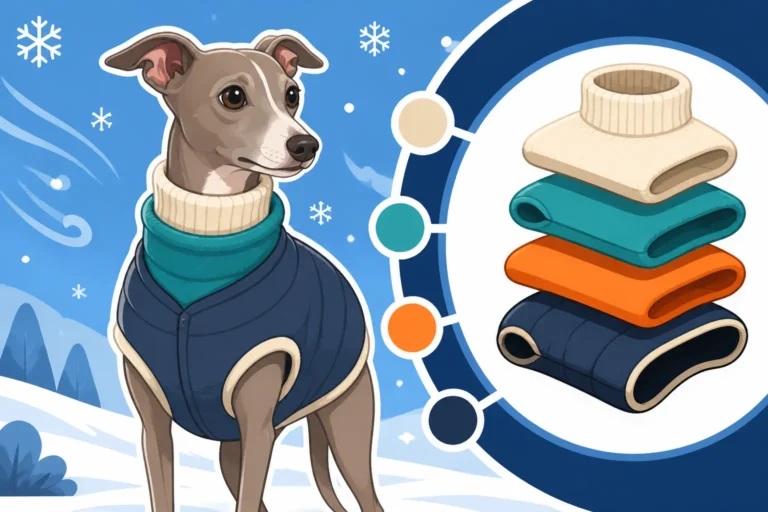
When selecting a bedtime coat or pajamas, the material is key. You'll want something soft, breathable, and insulating. Fleece is a popular choice for Italian Greyhound pajamas because it's lightweight, incredibly soft, and excellent at trapping body heat without being bulky. Cotton blends can also work well, especially for lighter pajamas in slightly warmer environments where just a little extra barrier is needed. Avoid heavy wools or overly thick materials unless you live in an extremely cold climate and your home is consistently chilly, as these can lead to overheating.
The weight of the fabric should correspond to your home’s typical nighttime temperature. For most indoor settings, a single layer of medium-weight fleece or a cotton-fleece blend is perfect. You're not trying to bundle them up for an arctic expedition; you're simply adding a layer of insulation similar to a thermal undershirt. A lighter fabric like a thin jersey knit might suffice for Iggies who just need a little something against drafts or if the air conditioning is on. Brands like Chewy and Amazon often have a wide array of options, making it easy to compare materials and styles.
Fit and Comfort
A bedtime coat must fit your Italian Greyhound perfectly to be effective and comfortable. A garment that is too tight can restrict movement, chafe their delicate skin, and even hinder circulation, making it difficult for them to relax and sleep. Conversely, a coat that is too loose can get twisted, tangled, or simply not provide adequate warmth as air circulates too freely. Look for pajamas specifically designed for sighthounds, as their deep chests, slender waists, and long legs require a unique cut.
The ideal bedtime coat should allow for full range of motion, particularly around the shoulders and hips, so they can stretch, curl, and adjust themselves comfortably. It should be snug enough to stay in place without being constrictive. Pay close attention to the leg holes—they should be comfortable and not dig in. Many sighthound-specific pajamas feature a soft, stretchy fabric that accommodates their unique body shape without fasteners that could poke or rub. This ensures they can burrow, stretch, and dream without any discomfort. For tips on choosing suitable outdoor wear, read When an Italian Greyhound Needs a Sweater Indoors.
Ease of Cleaning and Safety
Let's be realistic: a dog's bedding and clothing need to be easy to clean. Look for coats or pajamas that are machine washable and can withstand frequent laundering. Italian Greyhounds are typically clean dogs, but accidents happen, especially with puppies or older Iggies. Being able to toss their sleepwear in the wash regularly is a huge convenience and essential for hygiene. Many fleece or cotton blend garments fit this bill perfectly.
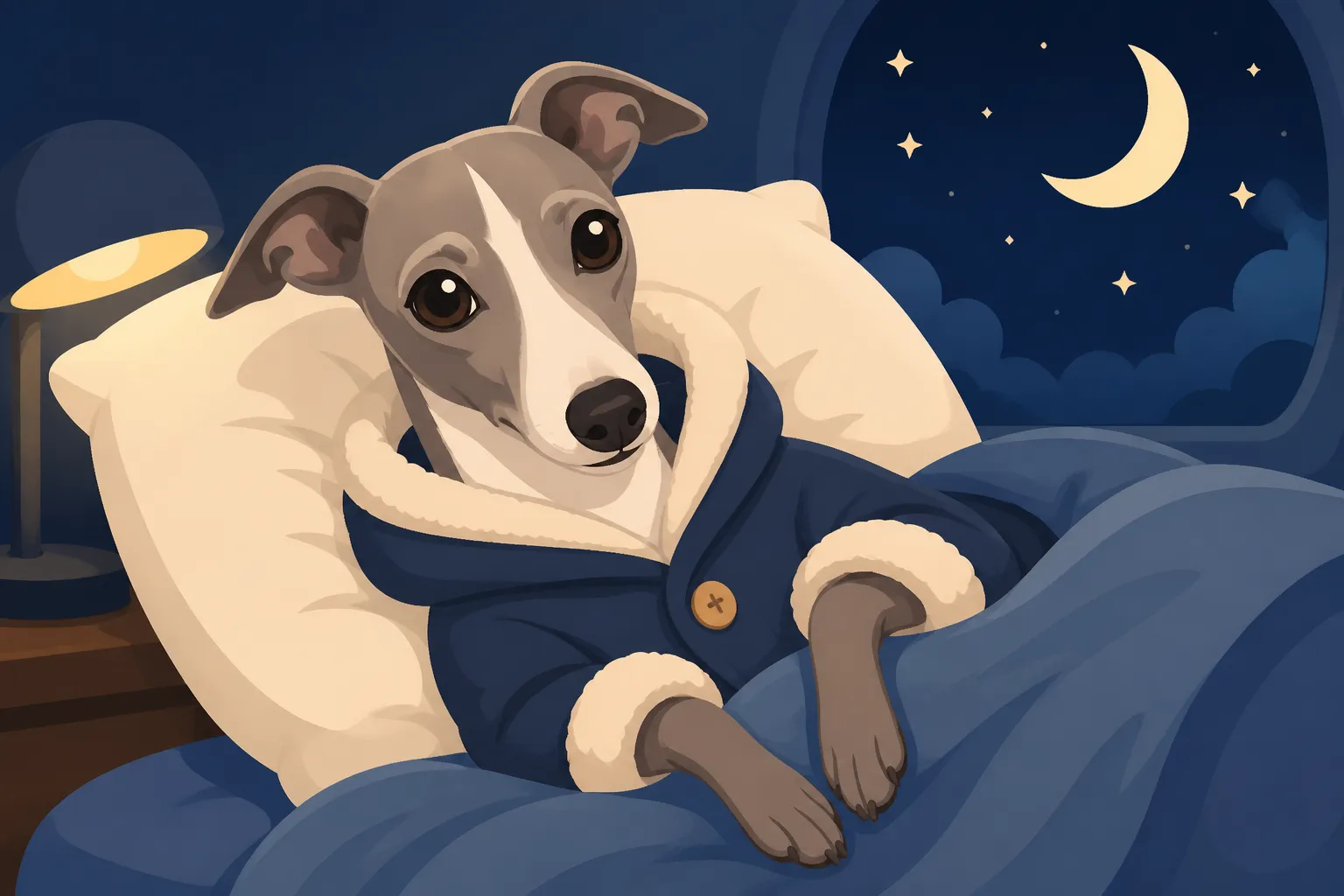
Safety is also paramount. Ensure there are no loose embellishments, buttons, or drawstrings that could pose a choking hazard or become tangled. The fabric itself should be breathable to prevent overheating, especially if your IG likes to burrow deep under blankets. While a heated bed might seem like a good idea, remember to check Whether a Heated Bed Is Safe for an Italian Greyhound before relying on one. Choose garments that are well-constructed and durable, as they will be worn for many hours each night. Ultimately, the best bedtime coat is one that your Italian Greyhound can wear safely and comfortably, night after night, providing just the right amount of warmth without worry.
Table: Choosing Bedtime Attire for Your Italian Greyhound
| Attire Type | Best For | Pros | Cons | Notes |
|---|---|---|---|---|
| Lightweight Pajamas | Mildly cool rooms, air conditioning, year-round | Full body coverage, minimal bulk, good for burrowers | May not be enough for very cold rooms, thinner fabrics wear faster | Look for sighthound-specific sizing. Often found on Chewy. |
| Fleece Sweater | Cooler rooms, Iggies who don't like full body coverage | Easy on/off, good for core warmth, comfortable | Legs/belly exposed, can ride up with movement | Excellent for layering over very light pajamas if extra warmth is needed. |
| Fleece Onesie / Jumpsuit | Cold rooms, Iggies prone to extreme cold | Maximum coverage, stays in place, good for all-night warmth | Can be trickier to put on, some Iggies dislike leg sleeves | Check for soft leg cuffs to prevent chafing. |
| Thermal Underwear (Pet Specific) | Very cold rooms, extra layering under blankets | Excellent insulation, lightweight, moisture-wicking | Can be expensive, may be too warm for some Iggies | Ideal for thin-skinned seniors or puppies needing consistent warmth. |
Keeping Your Italian Greyhound Warm All Night
Ensuring your Italian Greyhound is warm and comfortable throughout the night is more than just a luxury; it's a vital part of their care. Their unique physiology makes them more susceptible to cold than many other breeds, and a thoughtful approach to their bedtime routine can make a world of difference. It's about combining suitable bedding with appropriate attire, creating an environment where they can truly relax and recuperate.
Beyond just a coat, consider the overall warmth of their sleeping area. Are they tucked away from drafts? Do they have access to multiple soft blankets for burrowing? Sometimes, simply adding a second, thicker blanket to their bed can significantly improve their comfort. For those who frequently kick off blankets, a cozy dog bed designed with high sides or a hood, combined with pajamas, offers multiple layers of warmth security. Whether Italian Greyhound Pajamas Are Worth Buying really delves into this.
Consistency is also key. If your Italian Greyhound is accustomed to wearing a coat to bed, try to maintain that routine, especially when traveling or staying in different environments. Their internal comfort expectations are set by their experiences, and a sudden change can lead to restless nights. Observing your Italian Greyhound's behavior is your best guide. Are they waking up and trying to get under your covers? Are they reluctant to leave their bed in the morning? These are all signals that their nighttime warmth might need adjusting. By being attentive to their needs, you ensure your Italian Greyhound enjoys not just a warm night, but a happy and healthy life.
Disclaimer
This article is for general informational purposes only and does not constitute professional advice. Laws, prices and regulations vary by location and change over time. Consult a qualified professional for guidance on your specific situation.