Exercising an Italian Greyhound Indoors in Winter
When the winter winds howl and the temperatures plummet, it's a common struggle for Italian Greyhound owners: how do you keep your energetic, cold-sensitive companion adequately exercised and entertained without braving the elements? Our delicate Iggys shiver at the mere thought of a brisk breeze, let alone a snowy romp, which means many of us face months of pent-up energy and potential mischief indoors. This guide is here to offer a lifeline, exploring creative and safe ways to ensure your Italian Greyhound gets all the physical activity and mental stimulation they need, right in the comfort of your warm home.
The Unique Challenges of Winter for Italian Greyhounds
Owning an Italian Greyhound in cold climates brings a very specific set of concerns. Unlike many other breeds, our Iggys aren't built for winter, and simply bundling them up often isn't enough for extended outdoor adventures. Understanding these challenges is the first step to finding effective indoor solutions.
Why Cold Weather Is a Big Deal for Iggys
Italian Greyhounds are sighthounds, bred for speed and agility, not for insulation against harsh weather. They possess a remarkably thin coat, almost no body fat, and delicate skin that offers minimal protection from the cold. This means that even a slight dip in temperature can send them into a shivering fit. You might notice your Ig shaking indoors even when you feel perfectly comfortable, a clear sign that their internal thermostat runs much higher than ours. Why an Italian Greyhound Gets Cold on the Table dives deeper into their unique physiology. Their ears are particularly susceptible to frostbite, and their fine bone structure makes them less tolerant of slippery ice or hidden hazards under snow.
Beyond the physical discomfort, the psychological impact of cold weather can't be overlooked. Many Iggys simply refuse to go outside for potty breaks if it's too chilly or wet, leading to housetraining regressions and a general reluctance to engage with the outdoor world. This isn't stubbornness; it's a genuine aversion to discomfort, and it's a frustration many of us face when the mercury drops. Without proper outdoor activity, their natural energy and prey drive can become redirected into less desirable behaviors around the house.
The Importance of Indoor Activity When Outdoor Options Are Limited
When the weather forces you to limit outdoor walks and playtime, the need for indoor activity becomes paramount. An Italian Greyhound's physical and mental well-being depends on regular exercise, even if it has to happen within four walls. Lack of stimulation can lead to boredom, anxiety, and destructive habits like excessive chewing, barking, or even accidents in the house. A bored Ig is a creative (and sometimes destructive) Ig! Maintaining their muscle tone and cardiovascular health is also vital, especially for a breed prone to fractures; consistent, safe movement helps keep their bodies strong.
Furthermore, indoor playtime offers incredible opportunities for bonding. These sensitive dogs thrive on interaction with their humans, and dedicated indoor play sessions reinforce that connection. It allows you to engage with them on their terms, understanding their need for bursts of energy followed by long, cozy naps. This isn't just about preventing problems; it's about enriching their lives and strengthening the incredible bond you share.
Creative Indoor Physical Activities for Your IG
Just because you're stuck indoors doesn't mean your Italian Greyhound has to be a couch potato. With a little imagination and some safety precautions, you can turn your living space into an exciting playground.
Embracing the "Zoomies" Safely
Ah, the infamous Italian Greyhound "zoomies"! These sudden, explosive bursts of energy, also known as Frenetic Random Activity Periods (FRAPs), are a quintessential Ig behavior. They're a natural and healthy way for your dog to release pent-up energy, and winter is often when they become most prevalent indoors. Instead of trying to suppress them, your goal should be to manage them safely. First and foremost, clear a designated area. Move fragile items, secure loose rugs that could slip, and block off stairs to prevent accidental falls. The Indoor Zoomies an Italian Greyhound Gets explores this phenomenon further.
A clear, open space like a living room or a long hallway is ideal. Encourage your Ig to use this space for their sprints. You can gently toss a soft toy to initiate play or just let them go. Supervision is key, especially if you have hard floors. While they love to launch themselves off furniture, always be mindful of their delicate bone structure. Sudden stops or collisions can be risky. If they have a favorite zoomie spot, ensure it's free of obstacles and has good traction. The short, intense nature of zoomies means they don't need a huge amount of space to get a good workout; a few laps around the sofa can be surprisingly effective!
Structured Play Sessions to Burn Energy
Beyond the spontaneous zoomies, incorporating structured play sessions is crucial for sustained physical activity. Think of it as their daily gym time. Fetch is a classic, but instead of a hard ball, opt for soft, lightweight toys that won't damage furniture or your Ig's teeth. Small stuffed animals or crinkle toys are often favorites. Toss them gently across the room or down a hallway. Many Iggys love a good game of tug-of-war, too! Just be sure to use a durable, appropriate tug toy and play gently to protect their neck and teeth. Remember, the goal is fun, not competition.
Another great option is indoor chase. If you have another dog, they'll often entertain each other, but you can also join in. Get down on their level and crawl around, encouraging them to chase you. This engages their natural sighthound instincts in a safe environment. You can also incorporate a laser pointer, but use caution: always end the game by redirecting their focus to a physical toy they can "catch" to prevent frustration and obsessive behaviors. These short, interactive sessions, repeated a few times a day, can significantly contribute to their exercise needs.
DIY Obstacle Courses and Agility Fun
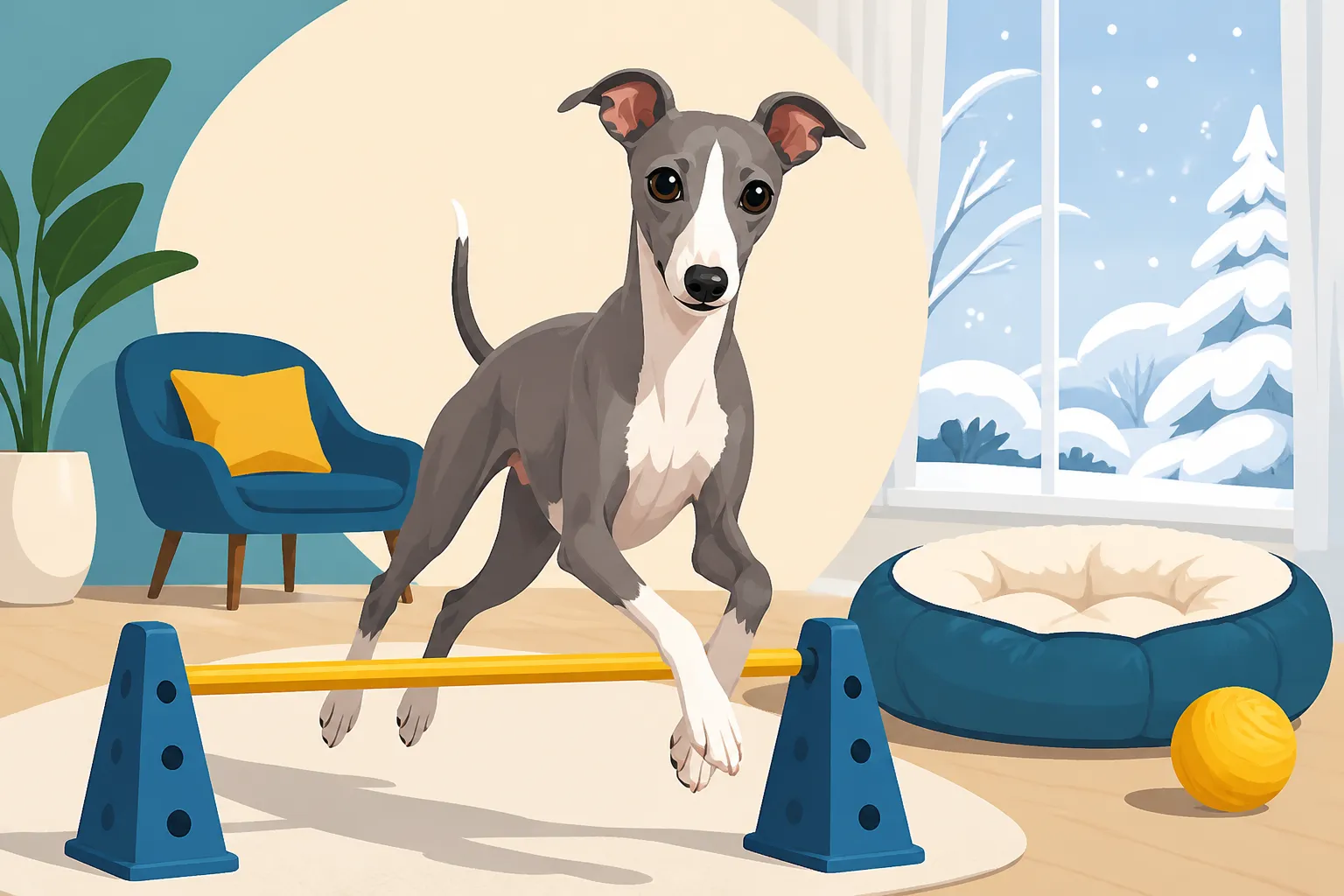
You don't need fancy equipment to create an exciting indoor obstacle course. Everyday household items can be repurposed into engaging challenges that build coordination, problem-solving skills, and burn energy. Set up a "tunnel" using a large cardboard box with the ends cut out, or drape a blanket over chairs to create a low crawl space. Use cushions or pillows as low "jumps" (always keep them very low to protect their joints, as How High an Italian Greyhound Can Safely Land advises caution with jumps). We want to avoid anything that could lead to injury.
You can also use broomsticks or PVC pipes laid across small blocks or books for low "bar jumps" to practice stepping over, rather than jumping. Guide your Ig through the course with treats and enthusiastic praise. This kind of activity is fantastic for both physical and mental stimulation. It encourages them to think, navigate, and use their bodies in different ways, all while having a blast. For Iggys who might be a bit shy or hesitant, start small and simple, gradually increasing the complexity as they gain confidence.
Mental Stimulation: Beyond Just Running Around
Physical exercise is important, but a tired Italian Greyhound also needs a mentally satisfied one. Mental stimulation can be just as exhausting as physical activity and is vital for preventing boredom and behavioral issues, especially when trapped indoors.
Puzzle Toys and Interactive Feeders
Puzzle toys and interactive feeders are absolute lifesavers during winter months. These ingenious devices require your Italian Greyhound to "work" for their food or treats, engaging their brain and keeping them occupied for extended periods. Instead of simply dumping their meal into a bowl, try putting a portion of their kibble into a puzzle feeder or a snuffle mat. What an Italian Greyhound Does When Bored often involves seeking out food or forbidden items, so these toys provide a safe outlet for that instinct.
You can find a wide variety of options from retailers like Chewy or Amazon, ranging from beginner-friendly slow feeders to more complex puzzles that require multiple steps to solve. Start with something easy to build their confidence, then gradually introduce more challenging puzzles. A simple Kong toy stuffed with peanut butter or a bit of their favorite wet food, then frozen, can keep them happily occupied for a surprisingly long time. This is a wonderful way to provide enrichment when you might be busy with other tasks, giving them a rewarding challenge.
Scent Work and Hide-and-Seek
Italian Greyhounds, despite being sighthounds, have a surprisingly good sense of smell and love to use it. Scent work is a fantastic way to engage their minds and natural instincts indoors. Start by hiding a few high-value treats in an obvious spot, letting your Ig see you do it, then encourage them to "find it!" As they get the hang of it, gradually increase the difficulty, hiding treats under blankets, behind furniture, or in different rooms. Pieces of cooked chicken, small bits of cheese, or a portion of a fresh food meal (if your dog is accustomed to a brand like Ollie) can be excellent motivators.
Hide-and-seek is another fun game that combines mental engagement with light physical activity. Have someone hold your Ig while you go hide in another room. Call their name enthusiastically, and when they find you, reward them with praise and a treat. This game strengthens their recall and makes using their senses exciting. It's a wonderful way to interact and burn a bit of energy without high-impact activity. Remember to keep it positive and fun, always celebrating their success when they find you or the hidden treats.
Reinforcing Training and Learning New Tricks
Winter is the perfect time to brush up on basic obedience commands or teach your Italian Greyhound some new tricks. Training sessions, even short 5-10 minute bursts, provide excellent mental stimulation and strengthen your bond. Work on commands like "sit," "stay," "down," or a reliable "come" even when indoors. These exercises build focus and self-control, which are invaluable skills. Why Raising Your Voice Sets an Italian Greyhound Back a Month emphasizes that positive reinforcement with gentle encouragement works best for Iggys, so keep the tone light and rewards flowing.
Beyond the basics, think about teaching fun tricks like "shake a paw," "spin," "bow," or "fetch a specific toy." These activities challenge their cognitive abilities and offer a sense of accomplishment. You can even try teaching them to put their toys away in a basket! The key is to make it a positive, rewarding experience with plenty of treats and verbal praise. This structured learning provides a wonderful mental workout and keeps their minds sharp and engaged, preventing boredom from setting in.
Setting Up Your Home for Safe Winter Play
Making your home a safe and stimulating environment for indoor exercise requires a bit of foresight and preparation. Ensuring your Ig can play without risk of injury is always the top priority.
Essential Gear for Indoor Fun
Having the right gear on hand can make a world of difference for successful indoor exercise. As mentioned, a variety of soft toys are essential for fetch and tug games – look for plush toys, crinkle balls, or rope toys specifically designed for small dogs. Puzzle feeders and snuffle mats are invaluable for mental enrichment; many excellent options are available from online pet retailers. Consider a secure, lightweight indoor harness for any supervised "lure" games you might play, ensuring you have gentle control if needed.
For those chilly Italian Greyhounds, comfortable and warm bedding is crucial for their downtime after play. Why an Italian Greyhound Needs Blankets explains their constant need for warmth. A soft, orthopedic bed can also protect their delicate joints from pressure sores, especially important if they're spending more time resting indoors. Which Bed Protects an Italian Greyhound's Elbows offers advice on selecting the right kind of bedding. Keeping a variety of engaging toys and comfortable resting spots ensures your Ig can transition smoothly between bursts of activity and much-needed naps.
Protecting Joints and Paws on Hard Surfaces
Hardwood, tile, or laminate floors, while easy to clean, can be treacherous for Italian Greyhounds during enthusiastic indoor play. Their long, slender legs and small paw pads don't always provide sufficient grip, leading to slips and falls that can result in serious injuries like fractures. This is a major concern for the breed, whose fragile bones are notoriously prone to breaking.
To mitigate this risk, strategically place non-slip rugs or runners in areas where your Ig plays and moves frequently. These provide much-needed traction and a softer landing surface if they do slip. You can also consider dog-specific traction socks or paw grips, which can be found on sites like Amazon, though some Iggys might object to wearing them. Keeping their nails trimmed short also helps improve grip on hard floors. Taking these preventative measures is far easier and less costly than dealing with a broken leg, which is every Ig owner's nightmare.
Creating a Designated Play Zone
While Italian Greyhounds don't demand a vast estate to live comfortably—they are quite adaptable to apartment living, for instance—designating a specific "play zone" can make indoor exercise much more manageable and safe. This doesn't have to be an entire room; it could be a large section of your living room, a clear hallway, or even a spare bedroom. The key is to make it as clutter-free and safe as possible.
Remove any breakable objects, tuck away electrical cords, and secure furniture that could tip over. If you have stairs, consider baby gates to prevent your Ig from attempting daring jumps up or down, especially during zoomies. Teaching an Italian Greyhound to Use a Ramp can be an excellent strategy for safe furniture access. A dog bed or cozy crate within this zone can serve as a "safe space" for them to retreat to when they're done playing. By clearly defining and securing their play area, you're not only protecting your Ig but also your home, ensuring that winter's indoor days are filled with fun, not accidents.
Disclaimer
This article is for general informational purposes only and does not constitute professional advice. Laws, prices and regulations vary by location and change over time. Consult a qualified professional for guidance on your specific situation.