Whether an Italian Greyhound Needs Small Breed Kibble
Many Italian Greyhound owners find themselves staring at the pet food aisle, utterly overwhelmed by the sheer number of options, especially when it comes to kibble size. You see those tiny little pieces marketed for "small breeds," and it's natural to wonder if your delicate, fine-boned Italian Greyhound actually needs that specific type of food, or if it's just clever marketing. This guide is here to cut through the confusion and help you understand what truly matters when feeding your beloved Italian Greyhound.
The Unique Oral and Digestive Needs of Your Italian Greyhound
Italian Greyhounds are certainly not your average dog, and their physical characteristics, particularly their mouths and digestive systems, lead many owners to question if specialized kibble is truly necessary. Understanding these unique traits is the first step in making an informed dietary decision.
A Mouth Designed for Speed, Not Crushing Large Kibble
When you look at your Italian Greyhound's elegant, slender muzzle, it’s clear they weren't built with the same powerful jaws as a Labrador or a German Shepherd. Their jaws are delicate, and their teeth, while sharp, are often quite crowded. This crowding can lead to significant dental issues over time, making comfortable chewing a real concern. If kibble pieces are too large or too hard, it can be genuinely uncomfortable for an Iggy to pick up and chew properly. Imagine trying to eat a giant cracker when your mouth is already a bit cramped – it's just not going to be a pleasant experience. This is especially true for puppies, whose tiny mouths are even more delicate, and older Iggies, who may have already suffered some tooth loss or sensitivity due to Periodontal Disease Is the Italian Greyhound's Most Common Diagnosis.
Beyond the comfort aspect, there’s also the efficiency of eating. A large piece of kibble might be swallowed whole, or require excessive effort to break down. This isn't just about speed; it's about making sure your Iggy can actually consume their meal without undue stress or potential for choking. While Iggies aren't typically known for being voracious gobblers, a too-large kibble can still pose a challenge, leading to frustration or even avoidance of food. Many Italian Greyhound owners find that their dogs simply skip pieces that are too big or hard to manage, leaving behind perfectly good nutrition.
A Sensitive Digestive System and Nutrient Absorption
Italian Greyhounds, despite their generally robust health and long lifespans, can sometimes have rather sensitive digestive systems. While not all Iggies will show obvious signs, some may experience upset stomachs, loose stools, or difficulty absorbing nutrients if their food isn't quite right. Their lean build, with Why an Italian Greyhound Carries Almost No Body Fat, means they need efficient nutrient uptake to maintain their energy levels and overall health. The size of the kibble itself doesn't directly impact digestibility in terms of nutrient breakdown by enzymes, but it can play a role in how quickly the food moves through the system and whether they chew it adequately.
Undigested food, often a result of swallowing larger pieces whole, can sometimes contribute to digestive upset. While dogs are generally capable of digesting unchewed food, a sensitive Iggy might benefit from smaller kibble that naturally breaks down more easily in the stomach. This isn't a universal rule, but it's a consideration, especially if your Italian Greyhound has a history of gastrointestinal issues. Whether an Italian Greyhound Has a Sensitive Stomach is a common concern among owners, and while kibble size isn't the sole factor, it's one piece of the puzzle.
Small Breed Kibble: Advantages, Disadvantages, and Misconceptions
When you see "small breed formula" on a bag of kibble, it often implies more than just tiny pieces. Let's break down what these foods typically offer and whether those features are genuinely beneficial for your Italian Greyhound.
What Small Breed Kibble Often Offers
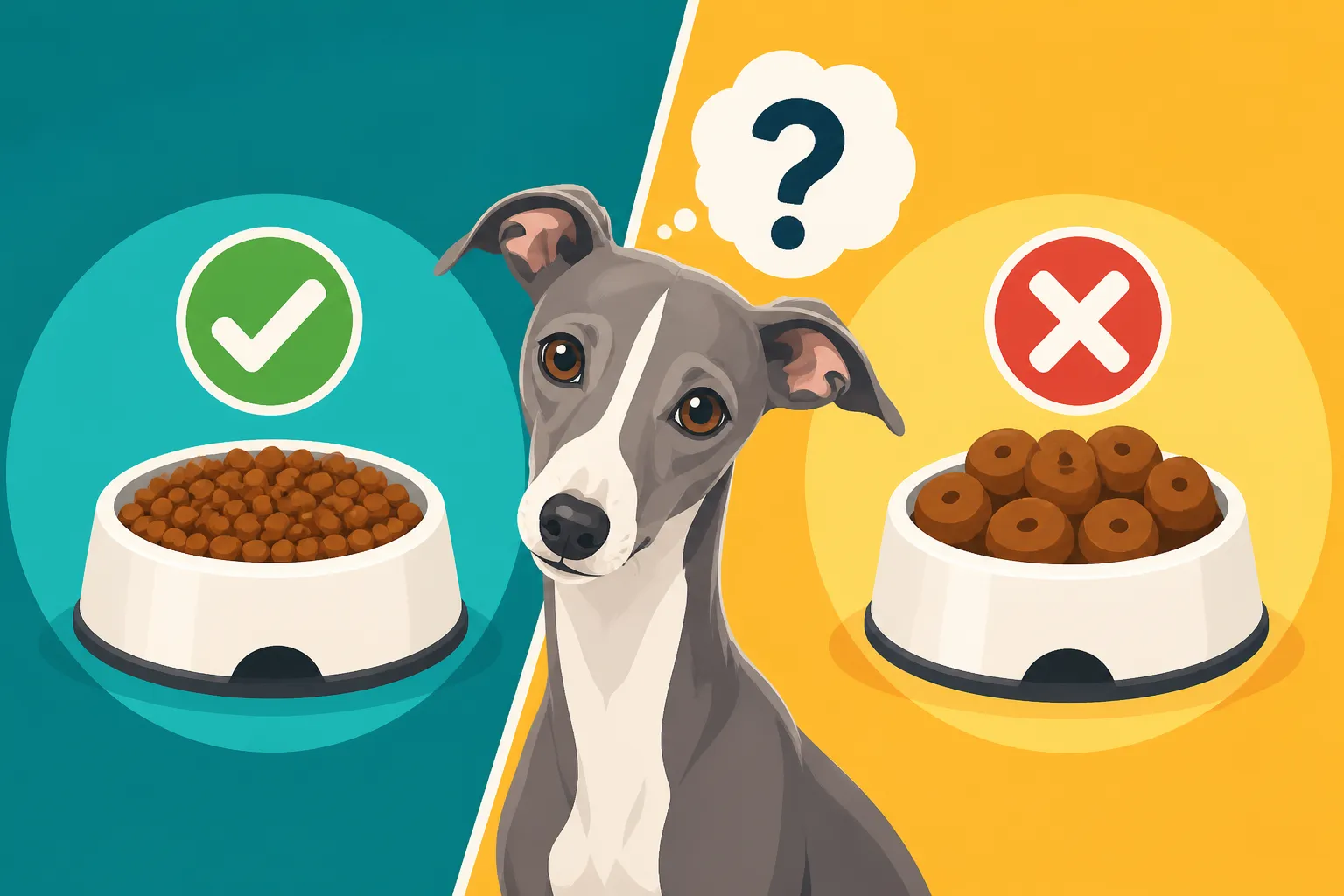
The most obvious feature of small breed kibble is, of course, its size. The pieces are significantly smaller than standard kibble, designed to be easily picked up and chewed by smaller mouths. This can be a huge benefit for Italian Greyhounds, who, as we discussed, have delicate jaws and crowded teeth. Easier chewing can prevent dental discomfort and encourage proper consumption of the meal. Imagine the relief for an Iggy not having to struggle with every bite! For owners concerned about their dog's willingness to eat, or for those with puppies still learning to manage solid food, this can be a real game-changer.
Beyond size, small breed kibbles are also often formulated with a higher calorie density. Smaller dogs, despite their size, often have faster metabolisms and higher energy requirements per pound of body weight than larger breeds. This means they need more calories in smaller portions. Therefore, these foods pack more nutritional punch into each tiny bite. This can be beneficial for an active Italian Greyhound, ensuring they get sufficient energy without having to consume a huge volume of food, which their smaller stomachs might not comfortably accommodate. You might find a wider selection of these specialized kibbles on platforms like Chewy, making it easier to compare options.
Another aspect of some small breed formulas is their nutrient profile, sometimes tailored to common small breed health concerns. For example, some might include ingredients aimed at supporting dental health, which is a major issue for Italian Greyhounds. Others might focus on skin and coat health, which is particularly relevant for the Iggy's fine, sensitive skin and short coat. However, it's crucial to read labels carefully, as not all "small breed" foods are created equal in this regard.
The Pitfalls of Relying Solely on "Small Breed" Labeling
While small breed kibble has its advantages, simply seeing "small breed" on the bag doesn't automatically mean it's the best choice for your Italian Greyhound. The market is saturated, and quality varies immensely. Some brands might prioritize the small kibble size but compromise on the actual nutritional content, using lower quality ingredients or fillers that offer little benefit to your Iggy. It's like buying a miniature version of a bad meal – it might be easier to eat, but it's still not good for you.
Furthermore, not all small breed dogs have the exact same needs. An Italian Greyhound's specific health considerations, such as their predisposition to dental issues and their lean body mass, might require a more nuanced approach than a generic "small breed" formula provides. For instance, while some small breed kibbles might be calorie-dense, you still need to monitor How Much an Adult Italian Greyhound Eats to prevent either underweight or accidental overweight conditions, both of which can have serious health implications for their delicate frame. Over-feeding a high-calorie small breed kibble can lead to unwanted weight gain, putting strain on their fragile bones.
Also, some small breed foods might have a different texture, making them too hard for an Italian Greyhound's compromised teeth. While the size is small, the hardness still matters. This is where individual assessment of your Italian Greyhound's dental health is paramount. If your Iggy already has significant dental issues, even small, hard kibble can be problematic.
Beyond Kibble Size: What Really Matters for Your Italian Greyhound's Diet
While kibble size can be a helpful consideration, especially for comfort, it's truly just one piece of the puzzle. Focusing on the overall nutritional quality and composition of the food is far more critical for your Italian Greyhound's long-term health and well-being.
High-Quality Ingredients and Nutrient Density
The most important factor in choosing any dog food, regardless of kibble size, is the quality of its ingredients. For an Italian Greyhound, who thrives on lean muscle and needs readily available energy, a food with a high-quality animal protein as the first ingredient is paramount. Look for named meat sources like "chicken meal," "turkey," "lamb," or "fish." Avoid foods where the first ingredients are generic "meat by-products" or a plethora of corn, wheat, or soy fillers. These fillers often offer little nutritional value and can sometimes trigger sensitivities in delicate digestive systems.
Beyond protein, the fat content is also important for providing sustained energy and maintaining a healthy skin and coat. Healthy fats, such as those from salmon oil or chicken fat, are beneficial. Carbohydrates should come from easily digestible sources like sweet potatoes, peas, or brown rice, rather than excessive amounts of less digestible grains. A balanced diet with appropriate vitamins and minerals is crucial for supporting everything from bone health (especially important for Why an Italian Greyhound's Leg Bones Break So Easily) to immune function. Products like Ollie, which offer fresh, human-grade food, can be an excellent option for some Iggy owners looking for high-quality ingredients, though they often come in different textures than traditional kibble.
Addressing Dental Health with Targeted Solutions
Dental health is a lifelong battle for Italian Greyhounds. Their crowded mouths and predisposition to Periodontal Disease Is the Italian Greyhound's Most Common Diagnosis mean that you cannot rely on kibble alone to keep their teeth clean, no matter the size or shape. While some claim larger kibble helps clean teeth, the reality is that most dogs, especially Iggies, don't chew kibble enough for it to provide a significant abrasive cleaning action. Think about it: you don't brush your teeth by eating crackers!
Instead, a multi-pronged approach to dental care is essential. Daily tooth brushing with a vet-approved toothpaste is the gold standard, ideally started when they are puppies. You can find specialized brushes and toothpastes on sites like Amazon. Dental chews and water additives can be supplementary, but should never replace regular brushing and professional dental cleanings as recommended by your vet. Brushing an Italian Greyhound's Teeth Every Day is arguably the most important care task for this breed.
Here's a quick comparison of kibble features versus what's truly essential:
| Feature | Small Breed Kibble Benefit (Potential) | Italian Greyhound Essential (Actual) |
|---|---|---|
| Kibble Size | Easier to pick up and chew | Comfort and ease of consumption crucial for small, crowded mouths |
| Calorie Density | Higher calories in smaller portions | Appropriate calorie count for lean metabolism; prevents over/underweight |
| Ingredient Quality | Varies by brand, not guaranteed by "small breed" label | High-quality animal protein first, healthy fats, digestible carbs |
| Dental Cleaning | Minimal abrasive action | Daily brushing, professional cleanings, dental chews (as supplements) |
| Nutrient Balance | Tailored for some small breed health issues | Balanced vitamins/minerals for bone health, coat, immune system |
Calorie Management and Weight Monitoring
Italian Greyhounds are famously lean, and maintaining their ideal weight is critical. Being underweight can leave them vulnerable to cold and lack of energy, while being overweight puts undue stress on their delicate bone structure, increasing the risk of fractures. What an Italian Greyhound Weighs and How to Tell If It Is Right is a guide every owner should read. A small increase in weight can be significant for such a slight dog.
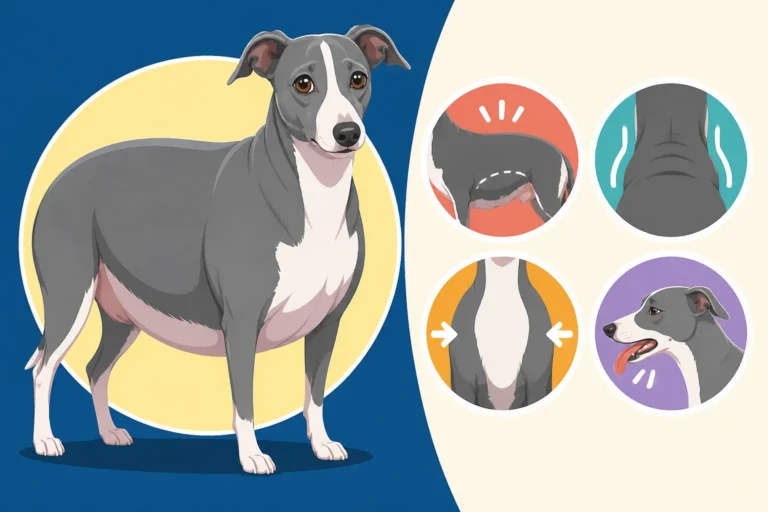
Whether you choose a small breed kibble or a standard one, always follow feeding guidelines based on your dog's ideal weight and activity level, not just the bag's general recommendations. Then, monitor your Iggy's body condition regularly. You should be able to easily feel their ribs, but not see them protruding sharply. Their waist should be evident when viewed from above, and there should be a distinct tuck-up from their chest to their abdomen. Adjust their food intake as needed, and consult your vet if you're unsure about their ideal weight or if Getting a Picky Italian Greyhound to Eat is a persistent problem.
Making the Right Choice for Your Italian Greyhound
Ultimately, the best food for your Italian Greyhound is one that supports their unique physiology and individual needs. It's a decision that combines careful consideration of product features with ongoing observation of your dog.
Consulting Your Veterinarian
Your veterinarian is your best resource for personalized dietary advice. They can assess your Italian Greyhound's specific health status, activity level, age, and any existing medical conditions (like dental disease or digestive sensitivities) to recommend the most appropriate food. They can also advise on calorie needs, help you determine if your Iggy is at a healthy weight, and suggest specific brands or formulas that meet high nutritional standards. Don't hesitate to bring the ingredient list of a few potential foods to your next wellness check-up for their expert opinion.
Observing Your Italian Greyhound's Response
Once you've chosen a food, the real test is how your Italian Greyhound thrives on it. Pay close attention to several key indicators:
- Appetite and Consumption: Does your Iggy eat the food eagerly and comfortably? Are they able to pick up and chew the kibble without difficulty? If they struggle with chewing, even small kibble might be too hard, or they might prefer a different shape.
- Digestion: Are their stools firm and consistent? Is there any bloating, excessive gas, or signs of an upset stomach? A good food should be easily digestible.
- Energy Levels: Is your Iggy active and playful, or do they seem lethargic? Appropriate nutrition fuels their energy.
- Coat and Skin Health: Does their coat look shiny and healthy? Is their skin clear, or are there signs of dryness, flakiness, or irritation?
- Weight Maintenance: Are they maintaining a healthy weight as discussed with your vet? This is a continuous assessment, especially as The Age an Italian Greyhound Reaches Full Weight and their activity levels might change.
If you notice any negative changes in these areas after switching foods, it's time to re-evaluate and consult your vet.
A Note on Puppy vs. Adult Formulas
For Italian Greyhound puppies, the question of small breed kibble is even more pertinent. Puppy formulations are designed with higher protein and fat content to support rapid growth, but the kibble size is also a significant factor for their tiny mouths and developing teeth. A small breed puppy formula is often an excellent choice because it provides both the appropriate nutrition for growth and the manageable kibble size for a growing Iggy. However, just like with adult food, ingredient quality remains paramount. You'll transition them to an adult formula typically around 9-12 months of age, depending on their individual development, but that's a conversation to have with your vet.
In conclusion, while small breed kibble can offer convenient sizing and appropriate calorie density, it's not a magic bullet. The ultimate goal is a diet rich in high-quality ingredients, carefully portioned for your Italian Greyhound's needs, and supplemented with diligent dental care.
Disclaimer
This article is for general informational purposes only and does not constitute professional advice. Laws, prices and regulations vary by location and change over time. Consult a qualified professional for guidance on your specific situation.