Why an Italian Greyhound’s Eyes Water
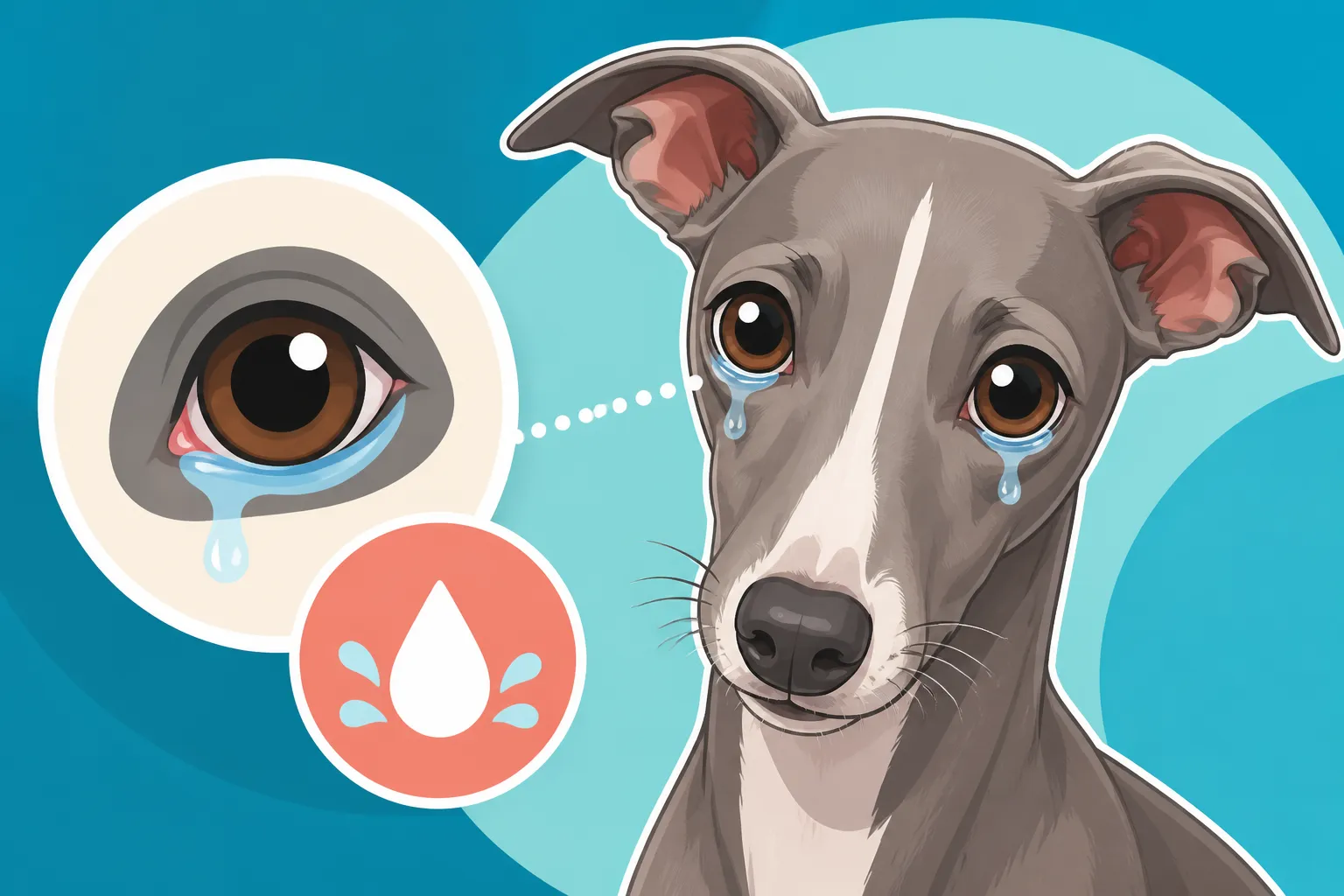
One of the most common, and sometimes most frustrating, things we notice as Italian Greyhound owners is those perpetually watery eyes. It’s disheartening to see your sweet Iggy with tear streaks, wet fur around their eyes, and sometimes even staining, and you just want to know why it’s happening and what you can do about it. This guide is here to shed light on the myriad reasons an Italian Greyhound's eyes might water, from their unique anatomy to environmental factors and underlying health concerns, offering practical advice and peace of mind.
Understanding the Italian Greyhound's Unique Eye Anatomy
Italian Greyhounds are undeniably delicate creatures, built for speed and grace, and this delicate nature extends to their eyes. What might be a minor irritation for a sturdier breed can be a constant battle for an Iggy, largely due to their distinctive facial structure.
Shallow Eye Sockets and Prominent Eyes
If you've ever looked closely at an Italian Greyhound, you'll notice their eyes are quite prominent, almost as if they're looking out at the world with a wide-eyed curiosity. This isn't just an aesthetic trait; it's a structural reality. Unlike many breeds with deeper, more protected eye sockets, Iggies have relatively shallow orbits. This means their beautiful, expressive eyes are more exposed to the elements and potential irritants.
Imagine trying to navigate a dusty, windy day with your eyes barely recessed. That's a bit like what an Iggy experiences. Their eyes simply don't have the same bony protection or the cushioning layers of fat that might shield the eyes of, say, a Labrador. This increased exposure makes them more susceptible to anything in the environment, leading to increased tear production as their natural defense mechanism kicks in. It's not necessarily a sign of pain or illness every time; sometimes, it's just their body working extra hard to keep those vulnerable eyes lubricated and free of foreign particles. This delicate physical structure is part of Why an Italian Greyhound Carries Almost No Body Fat, making them unique in their physiological needs.
Fine Hair and Eyelash Structure
Beyond the skeletal structure, an Italian Greyhound's coat and eyelash configuration can also play a significant role in eye watering. Their fur is incredibly fine and short, which sounds like it would be less irritating, but sometimes it works against them. Tiny, almost invisible hairs can, on occasion, grow in a way that directs them inward towards the eye, constantly tickling or scratching the sensitive surface.
Then there are the eyelashes themselves. While most dogs have eyelashes that grow outward, some Iggies can experience conditions like distichiasis, where extra eyelashes grow from abnormal spots along the eyelid margin, often pointing inward. Even more problematic is ectopic cilia, where a single lash grows through the conjunctiva (the pink membrane lining the eyelid) and rubs directly on the cornea. Both of these conditions are incredibly irritating and will cause persistent watering, redness, and discomfort. It's like having a tiny, persistent splinter in your eye, and it's certainly not something your Iggy can ignore. These are the kinds of subtle issues that might be discovered during What an Italian Greyhound's Yearly Eye Exam Covers.
Common Environmental and Allergenic Causes
Just like us, Italian Greyhounds can be quite sensitive to their surroundings. Their delicate nature, combined with those expressive, prominent eyes, means that everyday environmental factors can often be the culprit behind persistent eye watering. It’s not always a serious medical issue; sometimes, it’s just life in a world full of triggers.
Irritants in the Air
Our homes and the outdoor world are full of tiny particles that, while harmless to us, can be quite bothersome to an Iggy's sensitive eyes. Think about it:
- Dust and Dander: Even the cleanest homes have dust. When an Iggy sniffs around, digs into their blankets, or simply walks through a room, microscopic dust particles can easily float into their eyes, causing irritation and a natural reflex to water. If you live in a particularly dry climate or have forced-air heating, the air might be extra dusty, exacerbating the issue.
- Household Sprays and Cleaners: That fresh scent from your air freshener, cleaning sprays, or even hairspray can contain chemicals that are harsh on delicate mucous membranes. Imagine getting a whiff of window cleaner too close to your face; now think about how much closer your small Iggy's nose and eyes are to the floor where these particles settle. Using pet-friendly, unscented products can make a huge difference.
- Smoke and Vapors: Whether it's fireplace smoke, cigarette smoke, or even cooking fumes, these airborne irritants can cause eyes to water excessively. Some Iggies are also sensitive to strong perfumes or scented candles.
- Wind and Debris Outdoors: Taking your Iggy for a walk on a windy day, especially if you live in a dusty or sandy area, can be an instant recipe for watery eyes. Tiny bits of dirt, grass, or even small insects can be blown into their exposed eyes. Some owners even consider specialized dog goggles for very sensitive Iggies on windy outings, or simply choose to avoid particularly blustery days for long walks.
It's really about being mindful of their environment. Sometimes, a simple change, like keeping them away from freshly sprayed areas or opting for an air purifier, can significantly reduce eye irritation.
Seasonal Allergies and Food Sensitivities
Yes, Italian Greyhounds can absolutely get allergies, and watery eyes are a classic symptom, much like in humans. It’s not just sneezes and itchy skin; their eyes can bear the brunt of an allergic reaction.
- Environmental Allergies: Just like you might get hay fever in the spring, your Iggy can react to pollen, grasses, weeds, and even mold spores. If you notice the watering is seasonal, worse after outdoor excursions, or accompanied by paw licking, ear scratching, or a runny nose, allergies are a strong contender. Their immune system perceives these common environmental elements as threats and overreacts, leading to inflammation and increased tear production. Keeping windows closed on high-pollen days and wiping down your Iggy after outdoor time can help.
- Food Sensitivities: While less common for watery eyes to be the sole symptom of a food sensitivity, it can certainly contribute. Certain ingredients, typically proteins like chicken, beef, or dairy, or even grains, can cause a systemic inflammatory response. This might manifest as itchy skin, gastrointestinal upset, and yes, sometimes watery or irritated eyes. If you suspect a food sensitivity, discussing an elimination diet with your vet is crucial. Some owners explore novel protein diets or limited ingredient recipes from brands you might find on Chewy or even fresh food options like those from Ollie to see if symptoms improve. It's a process of careful trial and error, not a quick fix.
The key with allergies is often identifying the trigger. Keeping a journal of when and where the eye watering occurs can provide valuable clues for your vet.
Health-Related Reasons for Watery Eyes
While environmental irritants and allergies are common culprits, sometimes watery eyes in an Italian Greyhound signal a deeper health concern. It's crucial to differentiate between a simple irritation and something that requires veterinary attention, especially given how delicate Iggies are.
Blocked Tear Ducts or Excessive Tear Production
The eyes are designed with a drainage system, much like the plumbing in your house. Tears are produced to lubricate and clean the eye, and then they drain away through tiny ducts, called nasolacrimal ducts, into the nose. When this system isn't working correctly, you get an overflow, which is what we see as watery eyes.
- Blocked Tear Ducts: These tiny ducts can become partially or completely blocked. This might be due to inflammation, debris (like dried mucus or dust), a previous injury, or even just abnormally narrow ducts, which can be a conformational issue in some Iggies. If the tears can't drain, they have nowhere to go but down the face, often leading to tear staining. If the blockage leads to a bacterial infection within the tear sac, it's called dacryocystitis, and you might see thicker, pus-like discharge in addition to the watering. This condition requires a vet to clear the blockage, often by flushing the ducts, and sometimes antibiotics.
- Excessive Tear Production: Sometimes the tear ducts are perfectly fine, but the eye is simply producing too many tears. This is usually a response to some form of irritation or pain. It's the eye's way of trying to wash away whatever is bothering it. This could be anything from a tiny speck of dust that won't budge to a more serious issue like an ulcer. Your vet will look for the underlying cause of this increased production.
Eye Infections and Corneal Issues
These are situations where watery eyes are often accompanied by other symptoms, signaling something more serious than a mere irritation.
- Conjunctivitis: This is an inflammation of the conjunctiva, the pink membrane that lines the eyelids and covers the white part of the eye. It can be caused by bacteria, viruses, allergies, or irritants. Bacterial conjunctivitis often produces a thick, yellow or green discharge in addition to watering and redness, and it typically requires antibiotic eye drops. Viral conjunctivitis might be clearer and watery, similar to a human cold, and sometimes accompanies other respiratory symptoms. It's usually self-limiting but can be uncomfortable.
- Corneal Ulcers and Scratches: The cornea is the clear outer layer of the eyeball. Because Italian Greyhounds have prominent eyes and can be quite active, they are susceptible to corneal injuries. A scratch from a sharp twig, a stray claw during play, or even rubbing their eye on a rough surface can cause a painful ulcer. The eye will water profusely as it tries to heal and flush out the injury. Squinting, rubbing the eye, and extreme sensitivity to light are common signs. This is an emergency and needs immediate veterinary attention, as untreated ulcers can lead to serious vision loss or even rupture of the eye.
- Foreign Bodies: Sometimes, something as simple as a tiny grass seed, a piece of fuzz, or a stray eyelash can get lodged under the eyelid or on the surface of the eye. This will cause intense irritation, watering, and usually squinting. A vet can safely remove the foreign body, often with a local anesthetic.
Anytime you see discharge that isn't clear, or if your Iggy seems to be in pain, it's time for a vet visit. Ignoring these signs can lead to worsening conditions. The Eye Diseases an Italian Greyhound Breeder Screens For may also include tests that identify predispositions to some of these issues.
Eyelid Abnormalities
The way an Italian Greyhound's eyelids are formed and function is critical to eye health. Any deviation from the norm can lead to chronic irritation and watering.
- Entropion: This is a condition where the eyelid rolls inward, causing the eyelashes and sometimes the skin itself to rub directly against the cornea. Imagine the constant scratching and irritation this causes! It's incredibly uncomfortable and leads to excessive tearing, redness, and can even result in corneal ulcers over time. Some Iggies, due to their fine bone structure, can be prone to this, especially if they have loose skin around their eyes.
- Ectropion: Less common in Italian Greyhounds than entropion, this is when the eyelid rolls outward, exposing the delicate conjunctiva. This increased exposure makes the eye more vulnerable to dryness, irritation from dust, and infections, which can also lead to watering as the eye tries to compensate.
- Ciliary Abnormalities (Distichiasis and Ectopic Cilia): As mentioned earlier, extra or misdirected eyelashes are a persistent problem. Distichiasis involves lashes growing from abnormal places along the eyelid margin, often rubbing the eye. Ectopic cilia are even more problematic, with lashes growing through the conjunctiva and pointing directly at the cornea. Both cause chronic irritation and watering and usually require surgical correction to provide lasting relief.
These conditions typically require examination by a veterinarian, often an ophthalmologist, to determine the best course of action, which frequently involves minor surgical procedures to correct the eyelid's position or remove offending eyelashes.
Glaucoma or Other Underlying Conditions
While many causes of watery eyes are relatively minor, it's important to be aware that it can also be a symptom of more serious, underlying health issues. These are less common but warrant immediate investigation if other signs are present.
- Glaucoma: This serious condition involves increased pressure within the eye. It's often very painful and can rapidly lead to blindness if not treated promptly. Early signs can include a watery eye, squinting, redness, a dilated pupil, or a cloudy appearance to the cornea. If you suspect glaucoma, an emergency vet visit is critical. An Iggy's eyes are delicate, and while not as common as in some other breeds, Glaucoma in an Italian Greyhound is a devastating diagnosis if missed.
- Uveitis: This is an inflammation of the uvea, the middle layer of the eye. It can be caused by infections, autoimmune diseases, trauma, or can be idiopathic (of unknown cause). Symptoms often include a painful, watery, red eye, sometimes with a constricted pupil and cloudiness. It requires prompt diagnosis and treatment to prevent further damage.
- Progressive Retinal Atrophy (PRA): While primarily a condition causing blindness, a dog with Progressive Retinal Atrophy in an Italian Greyhound might also experience some secondary watery eyes due to inflammation or irritation as their vision deteriorates. This is a genetic condition, so responsible breeders screen for it.
- Systemic Illnesses: Occasionally, a systemic illness affecting the entire body, such as certain viral infections or autoimmune conditions, can manifest with eye symptoms, including watering. This is less direct, but your vet will consider your Iggy's overall health when diagnosing persistent eye issues.
It's vital for owners to recognize when watery eyes are more than just a minor annoyance. If you observe pain (squinting, rubbing), changes in eye appearance (cloudiness, abnormal pupil size), or thick, discolored discharge, don't delay a trip to the vet. Early diagnosis and treatment are often key to preserving your Italian Greyhound's vision and comfort. Furthermore, if you’ve noticed their vision changing, or are concerned about more than just watering, it might be worth investigating Cataracts in an Italian Greyhound as well.
Managing and Preventing Watery Eyes
While some causes of watery eyes in Italian Greyhounds require professional veterinary intervention, there’s a lot you can do at home to manage minor irritation and reduce the likelihood of issues. A proactive approach to hygiene and environmental control can make a world of difference for your sensitive Iggy.
Regular Cleaning and Hygiene
Consistent, gentle eye cleaning is perhaps the most important thing you can do to prevent and manage watery eyes in your Italian Greyhound. It’s not just about aesthetics; it’s about preventing accumulation of irritants and bacteria.
- Gentle Daily Wiping: Make it a daily habit, perhaps in the morning or evening, to gently wipe around your Iggy’s eyes. Use a soft, clean, damp cloth or a specialized pet eye wipe. You can find excellent, gentle eye wipes designed for pets from brands available on Chewy or Amazon. Look for products that are free of harsh chemicals, fragrances, and dyes. Simply wipe away any accumulated tears, crust, or debris from the corners of their eyes and the fur underneath. Always wipe away from the eye, not into it, and use a fresh part of the cloth or a new wipe for each eye to prevent spreading potential infections.
- Warm Compress for Crusting: If there’s dried crusting around the eyes, don't pick at it. Instead, use a warm, damp compress (a clean cloth soaked in warm water and wrung out) and hold it gently over the area for a minute or two. This will soften the crust, making it much easier to wipe away without tugging on their delicate skin or pulling out fine hairs. Remember that an Italian Greyhound's skin is very thin and fragile, similar to Cuts, Scrapes and an Italian Greyhound's Paper Thin Skin, so be extra gentle.
- Tear Stain Removal (with caution): For Iggies prone to persistent tear staining, there are products designed to help reduce the discoloration. These often contain mild astringents or antibacterial agents. Always read labels carefully and ensure they are safe for use around the eyes. Some products require consistent use over weeks to show improvement, and it’s always best to consult your vet before starting a new tear stain remover, especially if you’re unsure about the underlying cause of the watering.
Environmental Adjustments
Making small changes to your home and routine can significantly cut down on airborne irritants that bother your Iggy’s eyes.
- Reduce Indoor Irritants:
- Dust Control: Regularly vacuum, dust, and wash your Iggy’s bedding. Consider an air purifier, especially in rooms where your Iggy spends a lot of time, to filter out dust, dander, and pollen.
- Chemical-Free Cleaning: Switch to natural, unscented cleaning products and avoid using aerosol sprays (like air fresheners, hairsprays, or furniture polish) near your Iggy. If you must use them, do so when your Iggy is in another room and allow the air to clear before they return.
- Avoid Smoke: If you smoke, do so outside and away from your Iggy. Avoid burning excessive candles or using strong diffusers if you notice they bother your dog.
- Outdoor Protection:
- Windy Days: On very windy or dusty days, consider shorter walks or opting for indoor play instead. If your Iggy is particularly sensitive and loves outdoor adventures, you might explore specialized dog goggles or "doggles" to protect their eyes from wind and debris.
- Pollen Counts: If your Iggy has seasonal allergies, check local pollen counts. On high-pollen days, try to walk earlier in the morning or later in the evening when pollen levels are generally lower. Wipe down their face and paws after walks to remove pollen.
These adjustments are often simple but can dramatically improve your Italian Greyhound's comfort and reduce eye watering stemming from environmental factors.
When to See the Vet
While many instances of watery eyes can be managed at home, there are definitive signs that indicate it’s time to consult your veterinarian. When in doubt, it’s always better to err on the side of caution, especially with such delicate dogs.
Use this table as a quick reference:
| Symptom | Severity | Recommended Action |
|---|---|---|
| Clear, watery discharge | Mild | Monitor, increase home cleaning, adjust environment. If persistent for more than a few days, consult vet. |
| Redness of the eye or eyelids | Moderate | Schedule a non-emergency vet visit soon. |
| Thick, yellow/green discharge | Moderate | Schedule a non-emergency vet visit soon, as this suggests infection. |
| Squinting or holding eye shut | High | Urgent vet visit (within 24 hours), as this indicates pain. |
| Rubbing or pawing at the eye | High | Urgent vet visit (within 24 hours), can indicate pain, foreign body, or severe irritation. |
| Cloudiness in the eye | High | Emergency vet visit (immediately), can indicate glaucoma, ulcer, or other serious condition. |
| Swelling around the eye | Moderate | Schedule a non-emergency vet visit soon, could be allergic reaction or infection. |
| Pupil size difference | High | Emergency vet visit (immediately), can be a sign of neurological issues or glaucoma. |
| Sudden onset | High | Urgent vet visit (within 24 hours), especially if accompanied by pain or other symptoms. |
| No improvement with home care | Moderate | Schedule a non-emergency vet visit to rule out underlying issues. |
Remember, your Iggy relies on you to recognize when they’re not feeling well. Because they are often stoic, some signs of pain or discomfort might be subtle. If you notice any of the "High" severity symptoms, contact your vet immediately. For "Moderate" symptoms, it's wise to get an appointment within a day or two.
During your visit, your vet will perform a thorough eye exam, which might include tests to check tear production (Schirmer Tear Test), look for corneal scratches (fluorescein stain test), measure intraocular pressure (tonometry to check for glaucoma), and potentially examine tear ducts. This comprehensive approach is part of How Often an Italian Greyhound Needs a Wellness Exam and helps ensure nothing serious is overlooked. It’s always best to work with your veterinarian to diagnose and treat any persistent or concerning eye issues in your beloved Italian Greyhound.
Disclaimer
This article is for general informational purposes only and does not constitute professional advice. Laws, prices and regulations vary by location and change over time. Consult a qualified professional for guidance on your specific situation.