Whether an Italian Greyhound’s Fracture Needs a Plate
Finding out your beloved Italian Greyhound has broken a leg is a gut-wrenching experience that no dog owner wants to face. The immediate panic, the worry about their pain, and the overwhelming questions about what comes next are all completely normal. This guide is here to walk you through the complex considerations around Italian Greyhound bone fractures, specifically addressing when surgical plating is necessary and what other options might be available, offering you clarity and peace of mind during a stressful time.
Understanding Italian Greyhound Bone Fragility
It’s an unfortunate reality that Italian Greyhounds are incredibly prone to bone fractures. Their delicate, graceful build is part of their charm, but it also makes them surprisingly fragile, especially during their boisterous puppy and adolescent phases. Many owners learn this the hard way, often through seemingly innocuous accidents that would barely faze a sturdier breed.
Why Italian Greyhounds are Prone to Fractures
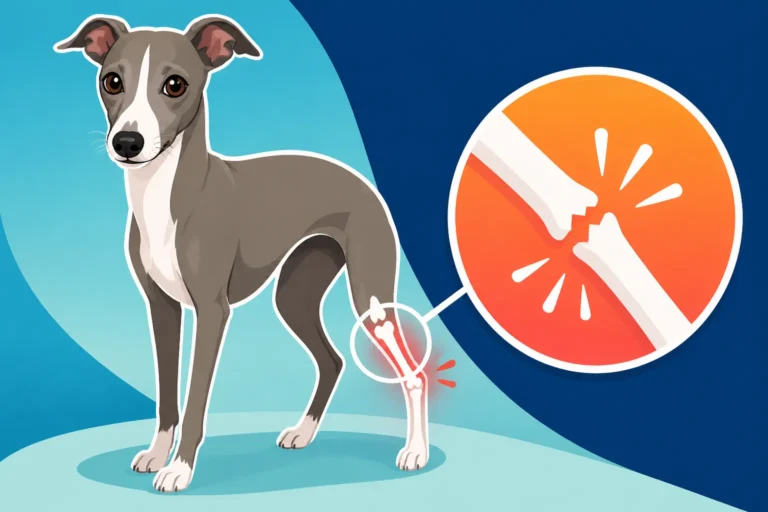
The primary reason for this vulnerability lies in their unique bone structure and conformation. Italian Greyhounds possess exceptionally fine, slender bones, particularly in their lower limbs. These bones, especially the radius and ulna in their front legs, are disproportionately thin compared to their body weight and the high-impact activities they love, like zooming around the house at top speed. It’s not a sign of poor nutrition or a genetic defect in all cases; it's simply a breed characteristic. Puppies and young Iggys are particularly at risk because their growth plates haven't fully closed, meaning their bones are still soft and more susceptible to breaks. Even after their bones finish hardening, typically around 12-18 months of age, their slender structure remains a weak point. This is why understanding Why an Italian Greyhound's Leg Bones Break So Easily is so crucial for every owner.
Moreover, their energetic, playful nature, combined with their sometimes clumsy enthusiasm, can lead to accidents. A simple misstep off the sofa, a fall during a zoomie session, or an accidental drop can result in a devastating fracture. It's a cruel irony that such a lively breed can be so fragile, and it’s a frustration many Italian Greyhound owners share. You might carefully puppy-proof your home, only for an unexpected accident to occur in a place you thought was safe.
The Unique Anatomy of Their Limbs
Let's delve a little deeper into the specific anatomy that makes their legs so prone to injury. The long bones of an Italian Greyhound, especially the radius and ulna, which are the two bones in the forearm, are remarkably thin and lack the robust musculature and surrounding tissue that protect bones in other breeds. Imagine a long, slender pencil – it doesn't take much force to snap it. Their legs are much like this. The thin bone means there's less material to absorb shock or withstand twisting forces.
Compounding this is the way their muscles attach to these bones. In many breeds, strong, bulky muscles act as natural shock absorbers and stabilizers. In Italian Greyhounds, the muscles are lean and streamlined, designed for speed and agility, not brute strength or protection. This means that when an Italian Greyhound takes a tumble or lands awkwardly, the bones themselves bear the brunt of the impact, rather than being cushioned by substantial muscle mass. This delicate balance of lean muscle and fine bone structure is what gives them their distinctive elegant appearance, but it's also their Achilles' heel when it comes to orthopedic injuries. Knowing Which Bones an Italian Greyhound Breaks Most can help you understand the common injury sites.
Types of Fractures and Initial Assessment
When an Italian Greyhound breaks a leg, the type of fracture and its location are critical factors in determining the best course of treatment. Not all breaks are created equal, and some require more intensive intervention than others.
Common Fracture Locations and Severity
Italian Greyhounds most frequently suffer fractures of the radius and ulna, which are the bones in their front legs. These "forearm fractures" are often severe, as these bones are crucial for weight-bearing and movement. Other common sites include the tibia and fibula (lower hind leg) and occasionally the metacarpals or metatarsals (bones in the paws). Less common, but still possible, are fractures of the femur (thigh bone) or humerus (upper arm bone).
Fractures can range from simple, clean breaks to complex, comminuted fractures where the bone shatters into multiple pieces.
- Simple/Closed Fractures: The bone breaks into two pieces, and the skin remains intact. These are generally less complicated but still serious.
- Open/Compound Fractures: The broken bone pierces the skin, exposing the bone to the outside environment. These are incredibly serious as they carry a high risk of infection and require immediate, aggressive treatment.
- Comminuted Fractures: The bone shatters into three or more fragments. These are highly unstable and often require surgical repair to piece the fragments back together.
- Greenstick Fractures: An incomplete break, common in young, growing dogs where the bone bends and cracks but doesn't completely separate. While less severe, they still need proper immobilization.
- Growth Plate Fractures: Occur in puppies and adolescents where the break happens at the epiphyseal plate, the area of new bone growth. These need careful management to avoid impacting future bone development.
The severity of the fracture directly influences the complexity of the treatment. A clean, stable break might respond well to conservative methods, while a comminuted or open fracture almost invariably calls for surgical intervention. If you notice Signs an Italian Greyhound Has Broken a Leg – such as sudden lameness, swelling, or an unnatural angle to the limb – seek veterinary attention immediately.
Diagnostic Imaging and Expert Consultation
The first step after an injury is always a thorough veterinary examination. Your vet will assess your Italian Greyhound's overall condition, check for shock, and then focus on the injured limb. They will likely take X-rays to accurately diagnose the fracture. Multiple views (e.g., front-to-back and side-to-side) are usually necessary to get a complete picture of the break, including its location, type, and severity.
In many cases of Italian Greyhound fractures, especially complex ones, your primary care veterinarian may recommend consulting with a board-certified veterinary orthopedic surgeon. This is a crucial step. Orthopedic specialists have advanced training and experience in dealing with intricate bone repairs, particularly in breeds with unique challenges like Italian Greyhounds. They can interpret the X-rays with a higher degree of precision, understand the biomechanics of the bone, and recommend the most appropriate and successful treatment plan. They also have access to specialized surgical equipment and techniques that may not be available at a general practice.
Don't hesitate to seek a referral; it's often the best decision for your dog's long-term recovery and well-being. This initial consultation with a specialist is paramount, as their expertise can mean the difference between a successful repair and ongoing complications. This is also where an insurance policy from a company like Healthy Paws can truly come into its own, helping to mitigate the significant costs associated with specialist care.
The Role of Surgical Plating in Fracture Repair
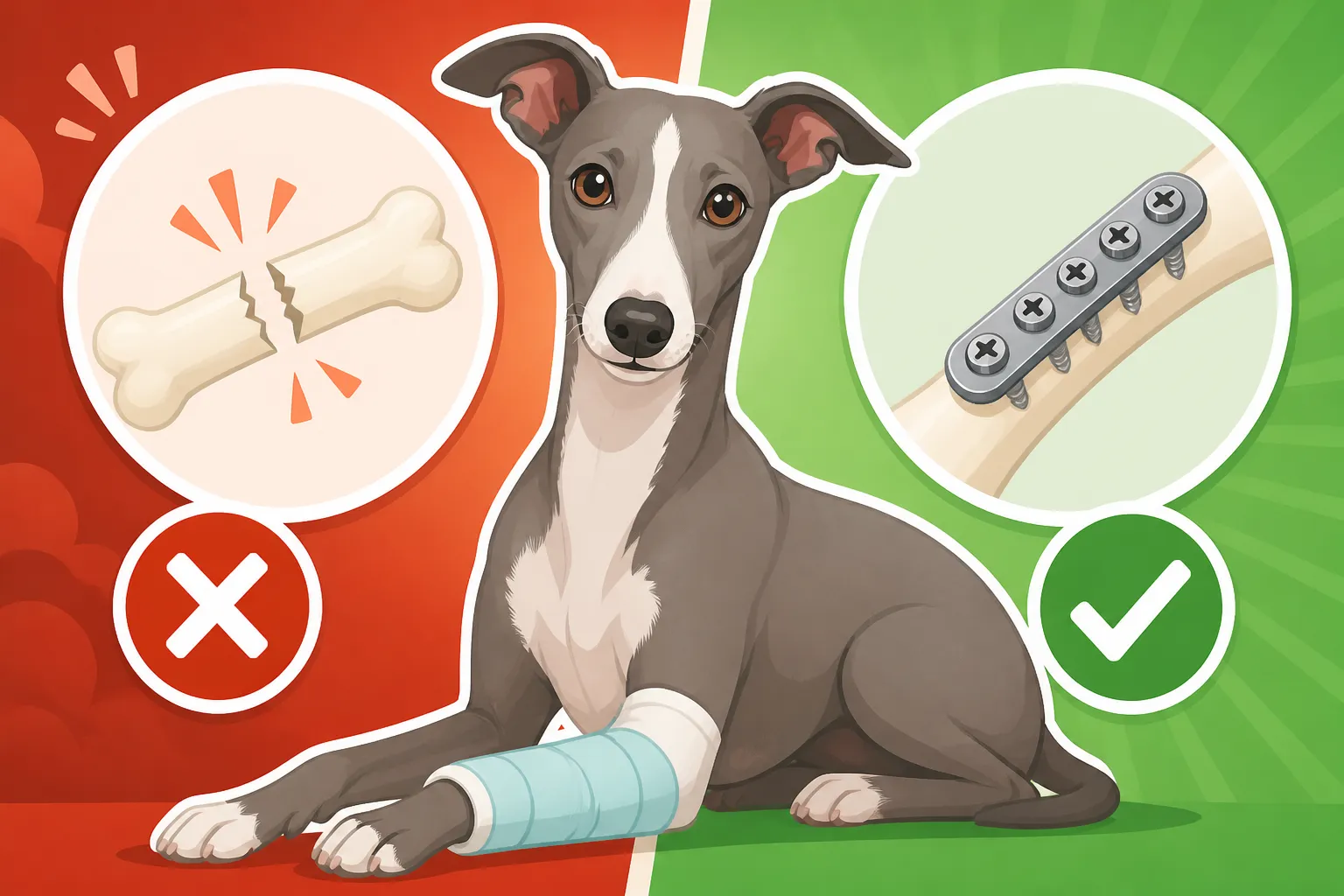
For many Italian Greyhound fractures, especially those involving the radius and ulna, surgical plating is often considered the gold standard treatment. This method provides the most stable and rigid fixation, which is crucial for healing these delicate bones.
When Plates are the Preferred Solution
Surgical plating involves using metal plates and screws to internally stabilize the broken bone fragments. This creates a strong internal scaffold that holds the bone in perfect alignment, allowing it to heal properly. For Italian Greyhounds, plating is frequently the preferred method in several scenarios:
- Comminuted Fractures: When the bone has shattered into multiple pieces, plates can effectively hold these fragments together, providing the necessary stability for healing. A cast alone simply cannot maintain alignment in such complex breaks.
- Unstable Fractures: Fractures that are highly displaced or prone to shifting, such as oblique or spiral fractures, benefit greatly from the rigid fixation offered by plates. This prevents movement that could disrupt the healing process or lead to malunion.
- Radius and Ulna Fractures: As mentioned, these are common in Iggys, and due to the narrowness and specific biomechanics of these bones, external methods like casts often fail to provide adequate stability. The small surface area and minimal muscle coverage make them particularly challenging for non-surgical techniques. Plates are specifically designed to counteract the rotational and bending forces that act on these bones.
- Fractures with Significant Soft Tissue Damage: While plates are internal, the stability they provide can help protect surrounding soft tissues by keeping bone fragments from moving and causing further trauma.
- When Rapid Mobilization is Desired: While strict rest is always required, plating allows for earlier, more controlled weight-bearing than a cast, which can be beneficial for muscle strength and overall recovery. However, this is relative and does not mean your Iggy will be running around quickly.
The decision to plate is typically made by an orthopedic specialist after careful evaluation of the X-rays and consideration of your dog's age, activity level, and overall health. They'll weigh the benefits of rigid fixation against the risks of surgery.
The Surgical Procedure and Specialized Hardware
The surgical procedure for plating an Italian Greyhound's fracture is meticulous and requires a skilled hand. It involves:
- Anesthesia and Preparation: Your Italian Greyhound will be put under general anesthesia, and the limb will be shaved and surgically prepped to minimize infection risk. Due to their lean body mass and unique physiology, anesthesia for an Italian Greyhound is always handled with extreme care.
- Incision: An incision is made to expose the fractured bone. The surgeon takes great care to minimize soft tissue disruption.
- Reduction: The bone fragments are carefully manipulated and realigned into their anatomical position. This "reduction" is critical for proper healing and function.
- Plate and Screw Application: A small, appropriately sized metal plate (usually stainless steel or titanium) is selected. These plates come in various shapes and sizes, specifically designed for different bones and fracture types. The plate is positioned over the fracture site and secured to the bone with multiple surgical screws on either side of the break. The screws pass through the plate and into the bone, locking the fragments together.
- Closure: Once the plate is securely in place and alignment is confirmed (often with intraoperative X-rays), the muscle layers, subcutaneous tissue, and skin are carefully closed. A sterile bandage is applied.
The hardware used is typically very small and specialized for toy breeds, reflecting the delicate nature of the Italian Greyhound's bones. Reputable orthopedic surgeons will have experience with these specific challenges. The cost of What Fracture Repair Costs on an Italian Greyhound can be substantial, which is another reason why a robust pet insurance plan like one from Healthy Paws can be invaluable.
Potential Complications of Plating
While plating offers excellent stability, it's not without potential complications, which your vet will discuss with you.
- Infection: Any surgery carries a risk of infection. Strict sterile technique is used, and antibiotics are often prescribed to minimize this risk. Post-operative wound care is also critical.
- Screw Loosening or Plate Breakage: Although the hardware is strong, excessive activity during recovery can lead to screws loosening or, in rare cases, the plate itself breaking. This often necessitates a second surgery to replace or remove the hardware. You can read about Why Pins Loosen in an Italian Greyhound's Bone for more insight.
- Non-Union or Malunion: Despite plating, sometimes bones fail to heal (non-union) or heal in an abnormal position (malunion). This is more common with severe comminuted fractures or if the post-operative instructions aren't strictly followed.
- Irritation from Hardware: In some cases, the plate or screws can cause irritation or discomfort to the surrounding soft tissues, especially in breeds with very thin skin and minimal fat like Italian Greyhounds. If this happens, the hardware might need to be removed once the bone has fully healed, which means another surgical procedure.
- Anesthesia Risks: Italian Greyhounds have unique anesthetic considerations due to their low body fat and potential sensitivity to certain drugs. Your veterinary team will implement specific protocols to minimize these risks.
It's vital to choose an experienced veterinary orthopedic surgeon who understands the unique physiology of Italian Greyhounds. Knowing Finding a Surgeon Who Has Plated an Italian Greyhound is a key step in ensuring the best outcome.
Non-Surgical Alternatives for Italian Greyhound Fractures
While plating is often the preferred choice, it's not the only option. Depending on the type and location of the fracture, non-surgical methods may be considered.
Casting and External Fixators
For certain types of fractures, a cast or external fixator might be used.
- Casting: A cast involves immobilizing the fractured limb externally using plaster or fiberglass. This is typically suitable for very stable, non-displaced fractures, especially in younger puppies where growth plates are still open, or in areas like the lower hind leg (tibia/fibula) where there's more soft tissue coverage and less rotational stress. However, for the delicate radius and ulna fractures that are so common in Italian Greyhounds, casts often prove challenging. These bones are prone to rotational forces, and a cast on such slender limbs can easily slip or fail to provide adequate stability. Additionally, Italian Greyhounds' thin skin makes them highly susceptible to pressure sores and chafing under a cast, leading to significant discomfort and secondary skin issues. This is why Why a Cast Rarely Holds on an Italian Greyhound is a common concern.
- External Fixators: These devices involve pins inserted through the skin and into the bone, which are then connected to an external frame outside the leg. External fixators offer more rigidity than a cast and allow for easier wound access if there's an open fracture. They are often used for complex open fractures where plating isn't immediately feasible due to infection risk, or as a temporary stabilization method. While more effective than a traditional cast for many Iggy fractures, they still come with their own set of challenges, including pin tract infections and the bulkiness of the device itself, which can be difficult for a small, active dog to manage.
Both casting and external fixators require diligent monitoring and frequent rechecks by a veterinarian to ensure proper alignment and address any complications. They demand an even stricter confinement period than surgical plating, and the recovery can be slower.
When Conservative Management is an Option
In very rare cases, typically for extremely stable, hairline fractures, or greenstick fractures in young puppies, a period of strict rest and conservative management without a cast or surgery might be attempted. This involves absolute crate rest, pain management, and careful monitoring with follow-up X-rays to ensure the bone is healing correctly.
However, this approach is highly uncommon and generally not recommended for Italian Greyhounds due to the high risk of malunion or non-union associated with their fragile bones and high energy levels. Even a hairline fracture in an Iggy can quickly become displaced if not adequately supported. The stakes are simply too high for conservative management to be a primary option for most Italian Greyhound fractures. The potential for the bone to heal improperly, leading to chronic lameness or the need for more complex (and expensive) corrective surgery later, usually outweighs any benefits of avoiding initial surgery.
Your orthopedic specialist will be the best person to advise if conservative management is even remotely viable for your specific dog's injury, but it's important to go into this understanding it's usually an exception, not the rule, for Italian Greyhounds.
Deciding on the Best Course of Action
Making the decision about how to treat your Italian Greyhound's broken leg is one of the most stressful choices you'll face as an owner. There are many factors at play, and it’s important to feel fully informed and supported.
Factors Influencing the Treatment Decision
Several key factors will guide your veterinary orthopedic surgeon in recommending the best treatment plan:
- Fracture Type and Location: As discussed, comminuted or highly displaced fractures, especially of the radius and ulna, almost always necessitate plating. Simpler, more stable fractures in other locations might allow for external fixation or, rarely, casting.
- Dog's Age and Size: Younger Italian Greyhounds with open growth plates might heal faster, but the risk of growth plate damage needs to be considered. Very tiny Italian Greyhounds may present challenges with hardware size.
- Overall Health and Temperament: A dog with underlying health conditions might be a higher anesthetic risk, influencing surgical decisions. An overly anxious or active Iggy might struggle with external devices, making plating a better choice for rigid internal fixation.
- Owner's Commitment to Post-Operative Care: Strict confinement and diligent follow-up care are paramount for any fracture repair. If an owner anticipates difficulty enforcing crate rest, an option that provides maximum internal stability might be prioritized to mitigate external movement.
- Financial Considerations: The cost of surgical plating, including specialist fees, anesthesia, hardware, and follow-up care, is significant. While pet insurance can help substantially, knowing What Fracture Repair Costs on an Italian Greyhound is a serious consideration. This is where pet insurance companies like Healthy Paws really come into play, offering coverage that can make these critical, often emergency, procedures financially manageable. Without insurance, owners might face bills in the thousands, making the decision agonizing.
- Veterinarian's Experience: The availability of an experienced orthopedic surgeon is critical. Not all general practices have the expertise or equipment for complex plating procedures on small, delicate bones.
It's a conversation you'll have with your veterinary team, where all these elements are weighed carefully to ensure the best possible outcome for your precious companion.
The Importance of a Specialist Orthopedic Surgeon
For Italian Greyhound fractures, consulting with a board-certified veterinary orthopedic surgeon is not just a recommendation; it's often a necessity for the best prognosis. These specialists have dedicated years of training beyond general veterinary school to master the intricacies of bone and joint repair.
Why are they so crucial for Iggys?
- Expertise in Delicate Bones: Italian Greyhounds have unique anatomical challenges. An orthopedic surgeon has specialized knowledge and hands-on experience dealing with the fine, fragile bones of sighthound breeds. They understand the specific types of plates and screws suitable for such small structures.
- Advanced Techniques and Equipment: Orthopedic surgeons are equipped with state-of-the-art surgical suites, specialized instrumentation, and advanced imaging techniques (like fluoroscopy) that allow for precise bone alignment and hardware placement.
- Minimized Complications: Their extensive experience allows them to perform surgery with greater precision, reducing the risk of common complications such as infection, non-union, or nerve damage. They are also adept at troubleshooting if unexpected issues arise during surgery.
- Comprehensive Post-Operative Planning: A specialist will provide a detailed and tailored post-operative recovery plan, including specific instructions for pain management, wound care, activity restrictions, and rehabilitation exercises. They know exactly How Long an Italian Greyhound Takes to Heal a Fracture and what milestones to look for.
Choosing an orthopedic surgeon who has specific experience with Italian Greyhound fractures significantly increases the chances of a successful outcome and can prevent the need for costly and stressful revision surgeries down the line. Don't be afraid to ask about their experience with toy breeds or sighthounds when making your choice.
Post-Operative Care and Recovery Expectations
The surgery itself is only half the battle. The recovery period for an Italian Greyhound fracture is long, demanding, and requires unwavering commitment from the owner. This is where patience and diligence truly pay off.
Strict Confinement and Rehabilitation
Immediately following surgery, your Italian Greyhound will need strict confinement. This typically means absolute crate rest for several weeks, if not months. This isn't just a suggestion; it's a critical component of healing. Even with a plate, excessive movement can stress the repair, leading to complications like screw loosening or even re-fracture. Your vet will provide specific instructions, but generally:
- Crate Rest: Your Iggy will need to be in a appropriately sized crate, only allowed out for short, supervised potty breaks. This prevents running, jumping, or any sudden movements. It's tough to enforce with an energetic Iggy, but absolutely essential. Read How Long an Italian Greyhound Stays Crated After Surgery for more details.
- Leash Walks: Potty breaks will be on a short leash, literally just enough time to do their business and come back inside. No sniffing around, no trotting, no distractions.
- Pain Management: Your vet will prescribe pain medications and possibly anti-inflammatories to keep your dog comfortable. Administer these exactly as directed.
- Wound Care: Keep the incision site clean and dry. Watch for any signs of infection (redness, swelling, discharge). Prevent your Iggy from licking or chewing the incision, using an Elizabethan collar if necessary.
- Follow-up X-rays: Regular X-rays will be taken to monitor bone healing progress. The surgeon will determine when it's safe to gradually increase activity.
Once initial healing is confirmed, your vet may recommend a gradual increase in controlled activity and possibly physical rehabilitation (physiotherapy). This might include gentle range-of-motion exercises, passive stretches, or even hydrotherapy to rebuild muscle strength and flexibility without putting excessive stress on the healing bone. This phase is crucial for regaining full function and preventing muscle atrophy.
Long-Term Outlook and Preventing Re-Injury
The long-term outlook for an Italian Greyhound after a plated fracture repair can be very good, with many dogs regaining excellent function and living full, happy lives. However, it's important to have realistic expectations.
- Full Use of the Leg: While most Italian Greyhounds do regain full or near-full use of the injured leg, it can take many months. Whether an Italian Greyhound Regains Full Use of the Leg depends on the fracture's severity, the success of the surgery, and the diligence of the rehabilitation. Some degree of stiffness or a slight alteration in gait might persist, especially after very severe or complicated fractures.
- Arthritis Risk: Any joint or bone injury carries an increased risk of developing arthritis later in life. This is something to be aware of and proactively manage with your vet, potentially through supplements, diet, or pain management as your Iggy ages. You can learn more about Arthritis in an Italian Greyhound's Healed Leg to prepare.
- Hardware Removal: In some cases, especially if the hardware causes irritation, it may need to be surgically removed once the bone has fully healed (typically 6-12 months post-initial surgery). This is a less invasive procedure than the initial repair but still requires anesthesia and a recovery period.
- Preventing Re-Injury: This is perhaps the most critical long-term consideration for Italian Greyhound owners. Once a leg has been fractured, it can be more vulnerable to re-injury, either at the same site or in another limb, especially if the underlying environmental causes aren't addressed. You'll need to continue to be vigilant about preventing falls, jumps from furniture, and rough play with larger dogs. Implementing ramps or steps for furniture access, providing soft landings, and supervising all play sessions are lifelong commitments for an Italian Greyhound owner. Remember that budgeting for your Italian Greyhound's care, including potential emergencies, is an ongoing process. Thinking about Budgeting for an Italian Greyhound's Broken Leg Before It Happens is a smart financial move.
Your veterinarian and orthopedic surgeon will provide tailored guidance for your Italian Greyhound's specific situation, helping you navigate the long road to recovery and enjoy many more years with your cherished companion.
Comparing Treatment Options for Italian Greyhound Fractures
To help you visualize the different approaches, here's a comparison of surgical plating versus external fixation/casting for common Italian Greyhound fractures.
| Feature | Surgical Plating | External Fixation / Casting |
|---|---|---|
| Stability | High (internal, rigid fixation) | Moderate to Low (external, less rigid) |
| Suitability for Iggy Bones | Often preferred for radius/ulna fractures | Limited for radius/ulna; better for simpler breaks |
| Fracture Type | Complex, comminuted, unstable, open (after initial stabilization) | Simple, non-displaced, greenstick |
| Infection Risk | Internal infection (post-op) | Pin tract infection (external fixator), skin sores (cast) |
| Post-Op Care | Strict confinement; diligent wound care | Extremely strict confinement; frequent cast changes/pin care |
| Hardware Removal | Sometimes necessary if irritating | Almost always removed once healed |
| Cost | Generally higher (specialist surgeon, hardware) | Generally lower (but complications can increase costs) |
| Anesthesia Risks | Yes, for initial surgery (and removal if needed) | Yes, for cast application/changes (and fixator placement/removal) |
| Healing Time | Can allow for more predictable healing | Potentially longer or less predictable |
| Complications | Screw loosening, plate breakage, non-union, irritation | Cast sores, malunion, pin infections, re-fracture |
The Italian Greyhound's Resilience Through Injury
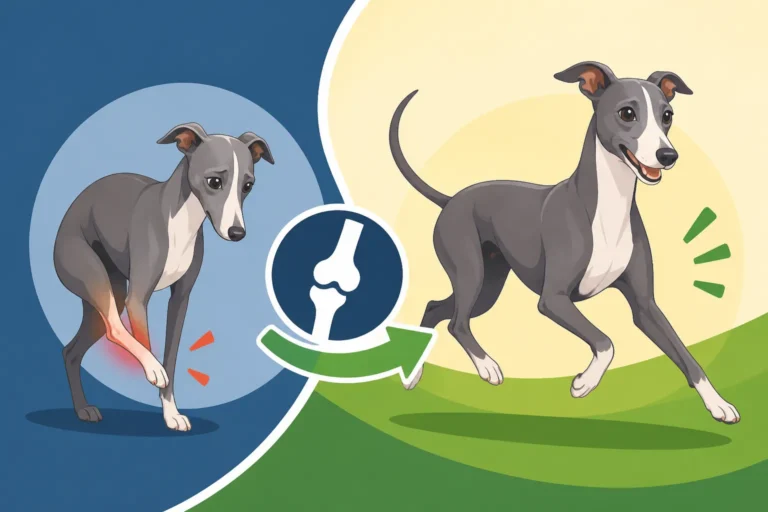
It's easy to get overwhelmed by the challenges of an Italian Greyhound fracture, but it's important to remember the incredible resilience these dogs possess. Despite their delicate build, Iggys are often stoic and determined. They tend to adapt surprisingly well to challenges, and with dedicated care, they can often recover remarkably.
While the journey will be demanding, seeing your Italian Greyhound run and play again is the ultimate reward for your commitment. Don't hesitate to lean on your veterinary team and fellow Italian Greyhound owners for support and advice throughout the process. An important aspect of mitigating the stress and potential financial burden is having a good pet insurance policy. Understanding What Pet Insurance Actually Covers on an Italian Greyhound can help you be better prepared for unexpected emergencies like fractures, allowing you to focus on your dog's recovery without the added worry of exorbitant veterinary bills. With the right care, your Italian Greyhound can bounce back, proving that even the most fragile bones can heal with enough love and expert attention.
Disclaimer
The information provided in this guide is for general informational purposes only and does not constitute veterinary advice. Always consult with a qualified veterinarian or veterinary orthopedic specialist for any medical concerns or before making any decisions about your pet's health and treatment. Individual outcomes can vary.