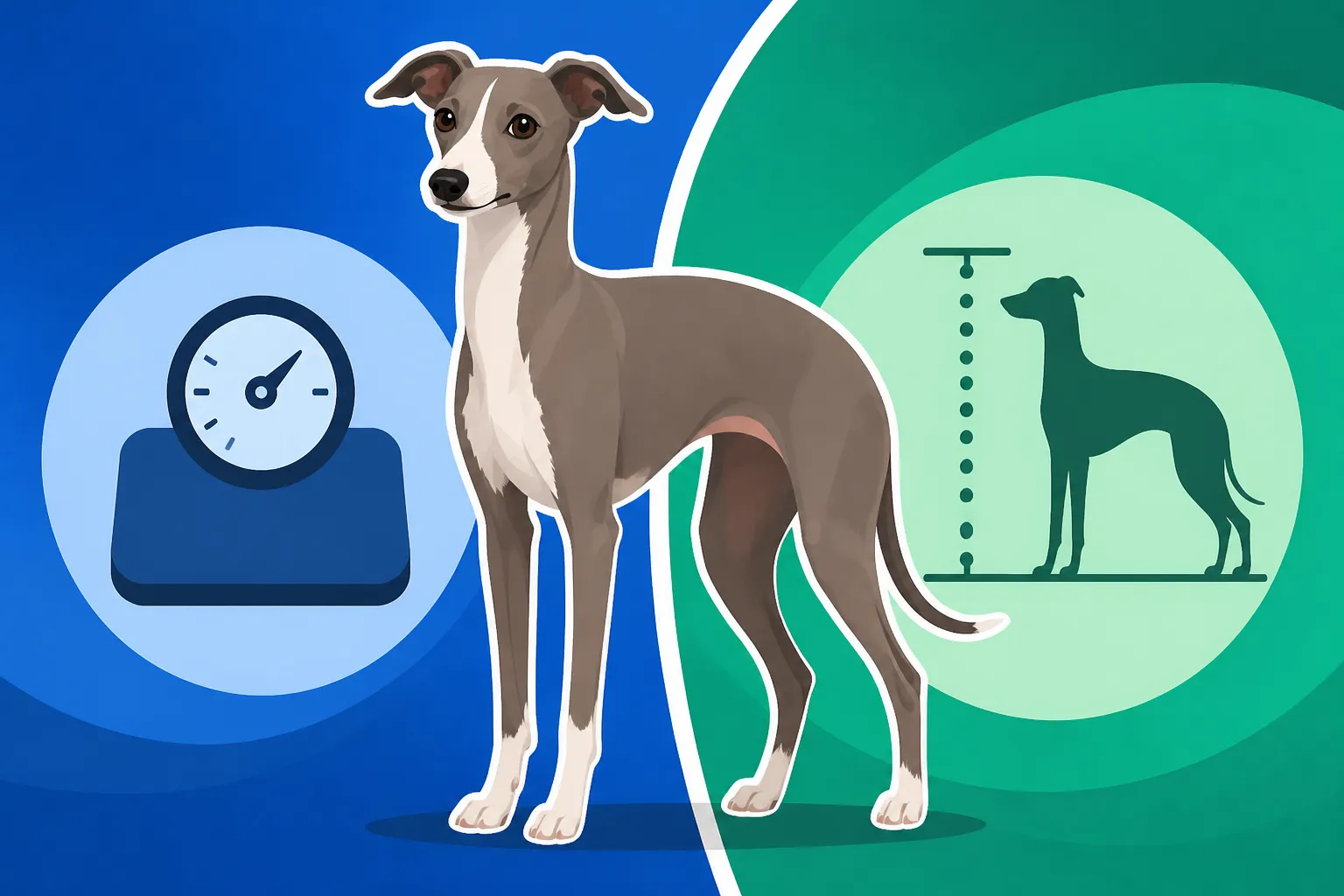
What an Italian Greyhound Weighs and How Tall It Stands
One of the first questions many prospective Italian Greyhound owners grapple with is, "Just how big do these little guys get?" It's easy to see pictures and fall in love with their elegant, delicate look, but without truly understanding their size and weight, it's hard to visualize them in your home and daily life. This comprehensive guide will walk you through the specifics of what an Italian Greyhound weighs and how tall it stands, helping you understand the breed standard, healthy body condition, and what this means for living with one of these truly unique dogs.
The Italian Greyhound Standard: More Than Just a Number
When you're looking at any purebred dog, the breed standard is like the blueprint. For Italian Greyhounds, it's not just about looks; it sets the stage for their overall health, function, and what makes them distinctly them. Understanding these guidelines helps you appreciate the careful breeding that goes into producing healthy, characteristic Iggies.
Why the Breed Standard Matters for Size
The breed standard for the Italian Greyhound isn't some arbitrary collection of numbers; it's a carefully crafted description that guides breeders and judges alike. It ensures that the breed maintains its unique characteristics, including its elegant, fine-boned structure, which is so crucial to its sighthound heritage. When a dog falls within the standard size and weight, it generally means they are built in a way that allows them to move gracefully, maintain good health, and perform the functions they were originally bred for – even if those functions are now primarily being a fantastic companion! Deviations can sometimes signal underlying health issues or simply a loss of the breed's distinctiveness. For a breed like the Italian Greyhound, where delicate bones are a hallmark (and sometimes a challenge), adhering to a healthy size range is especially important for their soundness.
Breed standards also help you, the future owner, know what to expect. You won't bring home what you think is an Italian Greyhound puppy only for it to grow into something twice the size, or conversely, a "teacup" version that might come with its own host of health problems. It gives you a reliable expectation of the adult dog's physical presence, which impacts everything from the size of their bed to how easily they can navigate your home environment.
The Ideal Height Range for an Italian Greyhound
When we talk about an Italian Greyhound's height, we're typically referring to their height at the withers – that's the highest point of the shoulder blades, where the neck meets the back. The breed standard generally calls for Italian Greyhounds to stand between 13 and 15 inches tall at the withers. This is a fairly narrow range, which emphasizes the breed's consistency in size.
Imagine a ruler standing next to your leg, hitting just above your knee if you're average height. That's roughly the stature we're talking about. This makes them small dogs, undeniably, but they possess a surprising amount of length and leg compared to many other toy breeds. They aren't squat or compact; they are built for speed and agility, even in a miniature form. This elegant, leggy appearance is a key part of their charm and function. A puppy that looks like it might grow significantly taller than this range, or one that seems unusually short, might be a signal to ask more questions about its lineage.
Understanding the Weight Guideline
The weight guideline for an Italian Greyhound is a bit more flexible than height, and for good reason. It’s typically stated as "not to exceed 14 pounds." This is because a healthy weight can vary slightly based on an individual dog's bone structure and muscle mass, even within the same height range. A taller Iggy might naturally carry a pound or two more than a shorter one and still be perfectly lean and healthy.
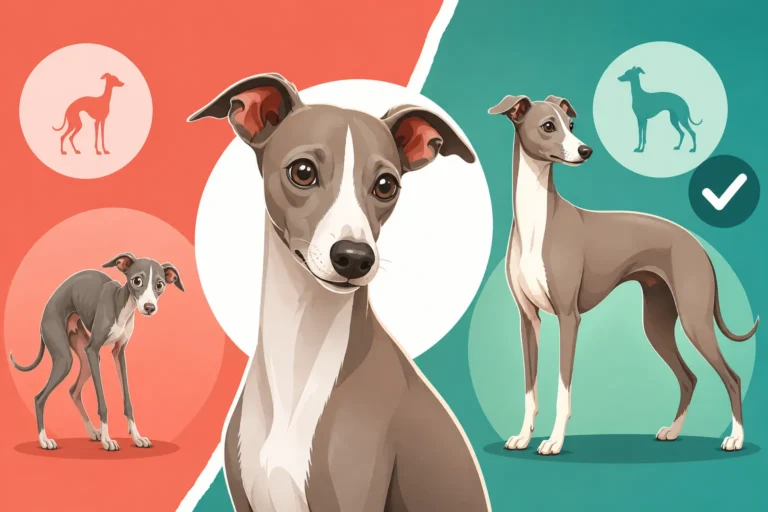
The emphasis here is on lean. Italian Greyhounds are sighthounds, and sighthounds are built for speed and efficiency. This means they should have very little body fat. You should generally be able to feel their ribs easily, see a distinct waist, and observe a noticeable "tuck-up" where their belly slopes sharply upwards towards their hind legs. A dog exceeding 14 pounds isn't necessarily unhealthy if it's exceptionally tall and muscular, but it's a good benchmark to aim for a weight below this, keeping that lean, athletic build in mind. It's often easier to spot when an Italian Greyhound is too heavy than when they're too thin, given their natural leanness. You can read more about What an Italian Greyhound Weighs and How to Tell If It Is Right in another one of our articles.
The Nuance of Height: Why It's Not Always Cut and Dry
While the breed standard provides a clear height range, individual dogs can sometimes fall slightly outside of it. It’s not always a rigid line in the sand, but understanding the factors that influence height can help you appreciate your dog's unique physical characteristics and what's considered healthy.
Measuring Your Italian Greyhound Correctly
Getting an accurate height measurement for your Italian Greyhound can be trickier than it sounds, especially with a wiggly puppy or a shy adult. The key is to measure from the ground to the highest point of their shoulders, known as the withers, when they are standing squarely and naturally. It's not to the top of their head, or the tip of their ear, but that specific point on their back.
A good way to do this at home is to have your Iggy stand against a wall on a flat, non-slip surface. Gently, but firmly, encourage them to stand still and square. Then, use a level or a flat ruler placed across their shoulders, perpendicular to the floor, to mark the spot on the wall. Measure from that mark down to the floor. Repeat a few times for consistency. You might be surprised at how much difference a slightly slouched posture or a sudden head lift can make! This method helps you get a truer sense of where your dog falls within the 13 to 15-inch standard, giving you a better understanding of their actual frame.
Factors That Influence Height: Genetics and Nutrition
Just like with people, an Italian Greyhound's adult height is primarily a product of its genetics. If both parents are on the taller end of the standard, their puppies are likely to be as well. Conversely, offspring of smaller parents will usually mature into smaller adults. This is why a reputable breeder will be transparent about the size of their breeding stock and can often give you a good estimate of a puppy's likely adult size. They're trying to produce dogs that fit the breed's established parameters, which often contributes to overall health and soundness.
Nutrition also plays a significant, though secondary, role, especially during those crucial puppy months. A diet that is drastically lacking in essential nutrients or is over-supplemented with things like calcium (which can actually be detrimental) can impact growth. However, a well-fed puppy from a genetically smaller line won't suddenly grow to be oversized, nor will a puppy from large parents be stunted by adequate, but not excessive, nutrition. It's about providing consistent, high-quality food appropriate for a growing puppy to allow their genetic potential to be met, without pushing them beyond it. You can learn more about The Age an Italian Greyhound Stops Growing to understand these growth patterns better.
When an Italian Greyhound Stops Growing
Italian Greyhounds, being small dogs, tend to reach their full adult height and length relatively quickly compared to larger breeds. Most Italian Greyhounds will have reached their adult height by about 8 to 10 months of age. Their growth plates, which are the soft areas at the ends of long bones where growth occurs, typically close around this time or shortly thereafter. This is important information, especially when considering activities that put stress on growing bones.
While their height might be set relatively early, they can continue to fill out and gain a bit more muscle and overall body mass until they are about 18 months to two years old. This "filling out" is subtle; they won't suddenly gain inches, but their frame will become a bit more robust and mature. So, if you have a 10-month-old Iggy who seems to have hit their height peak, don't worry, they're likely just about done growing upwards, but still have some development to do in terms of solidifying their adult physique. This mature stage is when you can truly appreciate their final elegant proportions.
Delving Into Weight: A Balancing Act for Health
Weight management is critical for Italian Greyhounds, perhaps even more so than for many other breeds. Their delicate build means that even a few extra pounds can put undue stress on their bones and joints, while being too thin can leave them vulnerable. It's a fine line to walk, but understanding what a healthy weight looks like is essential for their long-term well-being.
The Importance of a Lean Body Condition
For an Italian Greyhound, "lean" isn't just a preference; it's a requirement for optimal health. Their entire skeletal and muscular structure is designed for quick bursts of speed and agility, not for carrying excess weight. Extra pounds, even what might seem like a small amount on a human or a larger dog, can significantly increase the risk of injuries, particularly to their fragile leg bones. Why an Italian Greyhound's Leg Bones Break So Easily is a constant concern, and keeping them at an ideal weight is one of the best preventative measures an owner can take.
A lean body condition also contributes to their overall vitality and longevity. Overweight Iggies are more prone to joint issues, heart problems, and a reduced quality of life as they age. They're also less likely to enjoy their characteristic "zoomies" and playful sprints if they're carrying extra bulk. Your veterinarian can help you learn how to perform a body condition score on your Italian Greyhound, which is a visual and tactile assessment to determine if their weight is healthy, rather than just relying on the number on the scale. This lean body condition also helps them regulate their temperature more effectively, which is important for a breed with such a thin coat and little body fat.
What an Italian Greyhound Should Weigh
As mentioned earlier, the general guideline for an Italian Greyhound is "not to exceed 14 pounds." However, this isn't a hard and fast rule for every single dog. A better way to assess if your Iggy is at a healthy weight is to look at their body condition. You should be able to:
- Easily feel their ribs: Run your hands along their sides. You should be able to feel their ribs without pressing hard, almost like feeling the back of your hand. If you have to press firmly, they're likely carrying too much weight. If their ribs are sharply visible with no padding, they might be too thin.
- See a distinct waist: When viewed from above, your Italian Greyhound should have a clear "tuck" in behind their ribcage, forming a definite waistline.
- Observe a significant abdominal tuck-up: From the side, their abdomen should rise sharply from their ribcage to their hind legs, creating that classic sighthound silhouette.
A dog that weighs 15 pounds but is tall and very muscular, with all these body condition markers met, might still be perfectly healthy. Conversely, a shorter Iggy at 12 pounds who has no waist or tuck-up and whose ribs are hard to feel could be overweight. Always consult your vet for an accurate assessment, but these visual and tactile cues are excellent indicators you can use at home. Keeping a regular eye on your Italian Greyhound’s weight and body condition is part of ensuring Why an Italian Greyhound Lives Fourteen to Fifteen Years.
Spotting Underweight vs. Overweight
Recognizing when your Italian Greyhound is not at an ideal weight is crucial.
Signs of an Underweight Italian Greyhound:
An Iggy who is too thin will have ribs, hip bones, and vertebrae that are very prominent and easily visible, not just easily felt. Their muscle mass might appear wasted, and they might seem bony all over. Their energy levels could be low, and their coat might appear dull. While Italian Greyhounds are naturally lean, being emaciated is a different story. This could be due to insufficient food, a poor-quality diet, or an underlying health issue such as parasites, dental problems, or metabolic disease. It's important to rule out medical causes if you suspect your dog is underweight, as Signs an Italian Greyhound Has an Underactive Thyroid can include weight changes. If your dog isn't thriving on their current food, Chewy offers a wide range of high-quality small-breed dog foods that might be a better fit, but always consult your vet first.
Signs of an Overweight Italian Greyhound:
An overweight Italian Greyhound will lose its characteristic waist and tuck-up. Their body will appear more straight or even rounded from ribs to hips when viewed from above. You'll have difficulty feeling their ribs, and they might have noticeable fat pads over their spine and the base of their tail. Their delicate legs aren't built to carry this extra burden, making them more susceptible to fractures and joint problems. They might also be less active, pant more easily, and struggle in warmer weather. Weight gain can sometimes be subtle, so regular checks are important. Remember, even one or two extra pounds on a small Italian Greyhound is equivalent to a significant amount of weight on a larger breed or person.
Here's a quick reference guide for body condition:
| Body Condition Score | Ribs | Waist/Tuck-Up | General Appearance | Recommendations |
|---|---|---|---|---|
| Emaciated | Visibly prominent, no fat cover | Extreme abdominal tuck | Severe muscle loss, very bony | Immediate vet visit, dietary intervention |
| Underweight | Easily visible, minimal fat cover | Marked abdominal tuck | Ribs/hips easily seen, minimal body fat | Consult vet, adjust diet, increase calories |
| Ideal | Easily palpable, slight fat cover | Clearly defined waist/tuck-up | Lean, athletic, well-proportioned | Maintain current diet and exercise |
| Overweight | Difficult to feel, moderate fat cover | Indistinct waist, less tuck-up | Rounded body, slight fat pads over spine/tail base | Consult vet, reduce calories, increase exercise |
| Obese | Hard to feel, heavy fat cover | No waist/tuck-up | Bulging abdomen, significant fat deposits, heavy build | Urgent vet visit, strict weight loss program |
Comparing the Italian Greyhound to Its Sighthound Relatives
Often, people hear "Greyhound" and imagine a much larger dog. While the Italian Greyhound shares an undeniable elegance and sighthound heritage with its bigger cousins, its size sets it apart. Understanding these differences helps clarify its unique position within the sighthound family.
Italian Greyhound vs. Whippet: A Size Comparison
The Whippet is probably the breed most commonly confused with the Italian Greyhound, and it's easy to see why. Both possess that streamlined, athletic sighthound build, often with a similar range of coat colors and ear sets. However, there's a significant difference in size.
Whippets are considered medium-sized dogs. They typically stand between 18 to 22 inches at the shoulder and can weigh anywhere from 25 to 40 pounds. That's a considerable jump from the Italian Greyhound's 13-15 inches and sub-14-pound weight. Imagine a sleek, graceful dog that reaches just below your knee versus one that reaches your thigh. Whippets are robust enough for more vigorous outdoor activities and can often handle rough-and-tumble play a bit better than their more delicate Italian Greyhound counterparts. While both breeds are incredibly fast, the Whippet has a more powerful build to match its larger frame. So, while they share a similar aesthetic, their practical living requirements and physical resilience differ quite a bit due to their size.
Italian Greyhound vs. Full-Sized Greyhound: A Stark Contrast
When you compare an Italian Greyhound to a full-sized Greyhound, the difference is truly striking, almost comical in its scale. The Greyhound, often recognized as a racing dog, is a large breed, standing 27 to 30 inches tall at the shoulder and weighing a substantial 60 to 80 pounds or even more. This makes the Italian Greyhound look like a miniature replica, almost like a "toy" version of the larger breed, which is exactly how it's categorized in the dog world (the Toy Group, specifically).
This vast size difference means they have very different needs. A Greyhound needs considerably more space, larger beds, and a significant amount of food compared to an Italian Greyhound. Even their exercise needs, while both being sighthounds, differ in scale. Greyhounds are known for their explosive sprints but are often couch potatoes indoors, whereas Iggies, though also fond of napping, tend to be a bit more consistently active around the house due to their lighter frames and higher metabolism. Understanding The Italian Greyhound Against the Whippet and the Greyhound helps illustrate just how unique the Iggy is in its size class.
Why the "Miniature" Misconception Persists
It's common for people to refer to the Italian Greyhound as a "miniature Greyhound," and while it's technically incorrect in terms of direct lineage (they weren't simply "bred down" from the larger breed in modern times), the name itself and their visual similarities make the misconception understandable. Historically, smaller sighthound types existed across ancient cultures, and the Italian Greyhound likely developed from these smaller strains, rather than being a direct, recent miniaturization project of the modern Greyhound.
The visual similarities are undeniable: the arched back, deep chest, long legs, sleek coat, and characteristic "rose" ears all scream "sighthound." It's almost as if nature decided to create a perfectly proportioned, smaller-scale version of the classic sighthound form. This elegant, scaled-down appearance is part of their appeal, but it's important to remember they are their own distinct breed with a unique history and health considerations. They are categorized in the Toy Group, which further sets them apart from the Hound Group where Greyhounds and Whippets reside. This classification reflects their primary role as companions and lapdogs, rather than working hunters, despite their athletic build.
The Risks of Deviating from the Standard Size
While the breed standard allows for some natural variation, extreme deviations in size, especially intentional breeding for "designer" sizes, can carry significant health risks for Italian Greyhounds. These risks often stem from compromising the structural integrity of a breed already known for its delicate nature.
The Dangers of Being Too Small ("Teacup" IGs)
The term "teacup" is often used to market dogs that are significantly smaller than the accepted breed standard. For Italian Greyhounds, this would mean a dog weighing only a few pounds or standing well under the 13-inch minimum. While the idea of an even tinier Italian Greyhound might sound appealing to some, actively breeding for such small sizes is fraught with danger. These incredibly small dogs often suffer from a host of health issues.
Their bones are even more fragile, making them extremely susceptible to fractures from even minor falls or jumps. Why an Italian Greyhound's Radius Is the Bone That Breaks is a common concern for Iggies of standard size; for "teacup" versions, the risk is exponentially higher for all bones. They frequently struggle with hypoglycemia (low blood sugar) because their tiny bodies have less capacity to store glucose, requiring very frequent small meals. Their internal organs can be underdeveloped or malformed, leading to lifelong health complications. Additionally, these dogs often have trouble regulating their body temperature, making them perpetually cold and vulnerable to illness. Breeders who intentionally produce "teacup" Iggies are often prioritizing novelty over health, and prospective owners should be extremely wary.
The Challenges of an Oversized Italian Greyhound
On the other end of the spectrum, an Italian Greyhound that is significantly oversized – say, 18 inches tall or weighing 20 pounds or more – also presents its own set of challenges, though typically less severe than those associated with being undersized. While an oversized Iggy might seem sturdier, their bone structure, though larger, may not have the same inherent density or strength as a breed naturally developed for that size.
An oversized Italian Greyhound might still be graceful and healthy, but they might not fit the aesthetic or practical expectations of the breed. For those interested in showing, an oversized dog would be disqualified, as Whether an Oversized Italian Greyhound Can Be Shown is a clear cut issue in the breed standard. More importantly, if the larger size comes with a heavier, less athletic build, it could still put undue strain on their joints over time, potentially leading to earlier onset of conditions like arthritis. Finding clothing or carriers designed for their unique proportions can also be more difficult. Often, an oversized Iggy is simply a natural variation, but sometimes it can signal a less selective breeding program.
How Size Affects Health and Lifespan
An Italian Greyhound's size, particularly if it deviates significantly from the healthy standard, directly impacts its health and potential lifespan. Dogs that are too small often have compromised organ systems, weaker bones, and a higher risk of serious health crises, leading to shorter, more challenging lives. Their delicate systems are simply not built to sustain life efficiently at such tiny proportions.
Conversely, while an oversized Italian Greyhound might avoid some of the immediate fragility issues of a "teacup" dog, if that extra size translates to being overweight or having an unbalanced structure, it can still lead to orthopedic problems or other health complications later in life. A properly sized Italian Greyhound, within the 13-15 inch height and sub-14-pound weight range, is bred to be as robust and healthy as their delicate sighthound frame allows. This ideal balance helps ensure they can live their potential Why an Italian Greyhound Lives Fourteen to Fifteen Years, giving them the best chance at a long, healthy, and active life. Breeders screening for What an Italian Greyhound Breeder Should Have Tested are also ensuring soundness.
Practical Considerations for Italian Greyhound Size in Your Home
Living with an Italian Greyhound means adapting your home and lifestyle to their unique physical attributes. Their compact size and delicate build influence everything from how they interact with furniture to the type of gear you purchase for them.
Furniture Access and Jump Height
Italian Greyhounds are notorious for loving comfort and cuddling, which often means they want to be right up on the sofa or bed with you. However, their elegant, long legs and delicate bones make jumping a major concern. Even a seemingly small jump off a standard sofa can result in a serious fracture. This is a common and heartbreaking way The Jump Off the Sofa That Breaks an Italian Greyhound's Leg occurs. Because of this, their size directly dictates how you set up your living space.
Many Iggy owners invest in ramps or steps to provide safe access to furniture. This proactive approach can save you a world of worry and expensive vet bills. Imagine having to lift your dog on and off the sofa every single time – it's not practical for you, and it can be frustrating for them. Ramps give them the independence to safely join you. Remember, even though they look athletic, their bone density and structure aren't built for high-impact landings. Thinking about How High an Italian Greyhound Can Safely Land is a crucial part of responsible ownership.
Choosing the Right Gear: Collars, Coats, and Crates
Their unique size and shape also mean that generic dog gear often doesn't fit Italian Greyhounds properly.
- Collars and Harnesses: Their narrow, delicate necks mean traditional flat collars can easily slip off, or worse, put pressure on their windpipe if they pull. Martingale collars, which tighten gently under pressure but don't choke, are often recommended. Harnesses designed for sighthounds, which have a longer body strap, are also a good option. You need to ensure a secure fit that won't allow them to slip out while also being comfortable.
- Coats and Sweaters: Italian Greyhounds have virtually no body fat and a very thin, short coat, which means they get cold very easily. Even indoors, in a temperature you might find comfortable, they'll be shivering. Finding coats and sweaters that fit their deep chests, tiny waists, and long, slender legs is a challenge. Off-the-rack clothing often gaps or binds. Many owners find themselves looking for brands that specifically cater to sighthound builds or even commissioning custom clothing. You can find options on Chewy designed for smaller, longer-bodied dogs, but always double-check measurements. Keeping an Italian Greyhound Warm Is Daily Work, Not a Winter Job is essential.
- Crates: While Iggies are small, they still need a crate that allows them to stand, turn around, and lie down comfortably. A wire crate with a cozy bed and blankets is often a good choice, but remember to factor in their need for warmth. A heated bed inside the crate can make a world of difference for their comfort, especially during colder months or if they are prone to getting cold after sedation at a vet visit (Whether an Italian Greyhound Gets Cold Under Sedation).
Travel and Transportation with a Compact Companion
The Italian Greyhound's small size makes them excellent travel companions, but there are still considerations to keep in mind.
For air travel, their size means they can often fit in an airline-approved carrier that goes under the seat in front of you, allowing them to fly in the cabin rather than in cargo. This is a huge advantage for many owners, reducing stress for both dog and human. However, always check specific airline regulations, as size and weight limits for in-cabin carriers can vary.
In the car, while they could technically sit on your lap, it's unsafe. Their small size makes them incredibly vulnerable in an accident. A crash-tested car seat or carrier designed for small dogs is essential. This not only protects them but also keeps them contained and prevents them from becoming a dangerous projectile or distraction. Their preference for warmth means they'll appreciate a cozy blanket in their car seat, especially on long trips or in air-conditioned vehicles. Their light weight also makes it easy to carry them in and out of places, navigate public transport if allowed, or simply bring them along on errands where a larger dog might be cumbersome.
The Lifespan and Growth Journey of Your Italian Greyhound
Understanding the growth patterns of an Italian Greyhound from puppyhood into their senior years helps you provide consistent care and manage expectations for their development. Their journey is marked by rapid growth initially, followed by a long period of maintaining a healthy adult body condition.
Puppy Growth Milestones
Italian Greyhound puppies grow incredibly fast in their first few months, rapidly transforming from tiny, almost hamster-like creatures into leggy, miniature sighthounds. By the time they are 4-6 months old, they will likely have done the bulk of their growing in terms of height. You'll see their legs lengthen almost daily, and they'll start to look more like the adult Italian Greyhounds you know and love.
Here's a general idea of what to expect, though individual growth rates can vary:
| Age | Approximate Weight Range | Key Growth Milestones |
|---|---|---|
| 8 Weeks | 2-4 lbs | Very tiny, gaining weight rapidly, bones very fragile. |
| 3 Months | 4-7 lbs | Significant growth spurt, puppy teeth present. |
| 6 Months | 6-10 lbs | Nearing adult height, filling out, permanent teeth emerging. |
| 9-12 Months | 8-12 lbs | Close to adult height, continuing to gain muscle. |
| 18-24 Months | 8-14 lbs (Adult) | Reached full adult weight and muscle mass. |
During this critical growth period, proper nutrition is key. Feeding a high-quality small-breed puppy food helps ensure they get the right balance of nutrients for bone and muscle development without over-supplementing, which can be detrimental. Regular vet check-ups are essential to monitor their growth and ensure they're hitting appropriate milestones. Remember, Weighing an Italian Greyhound Puppy Every Week can be a good way to track their progress and catch any issues early.
Maintaining Ideal Weight Through the Years
Once your Italian Greyhound reaches adulthood, typically around 18 months to two years old, the focus shifts from growth to maintaining that ideal, lean body condition. This is a lifelong commitment. Their metabolism, while generally high, can slow down slightly with age or if their activity levels decrease. It's easy for even a small amount of extra weight to creep on.
Regularly feeling their ribs, checking their waistline, and observing their energy levels are your best tools for monitoring their weight. Their diet might need slight adjustments as they move from active adolescence to a more settled adult life. Many Italian Greyhounds are not voracious eaters, so finding a palatable and nutritious food is important. Brands like Chewy often have comprehensive options for small, active breeds. Exercise, even just regular walks and indoor zoomies, is vital to keep their muscles toned and their weight in check. Remember, prevention is far easier than trying to get weight off an already overweight Iggy.
Senior Italian Greyhounds and Weight Changes
As Italian Greyhounds enter their senior years, typically around 8-10 years old, their body condition and weight considerations can change again. Some senior Iggies might start to lose muscle mass, making them appear thinner even if their fat stores haven't significantly decreased. This is a natural part of aging, but it's important to differentiate between healthy muscle loss and becoming truly underweight due to illness. Other senior Iggies might become less active, leading to a tendency to gain weight if their caloric intake isn't adjusted. Caring for an Italian Greyhound Past Eleven means understanding these subtle changes.
Regular veterinary check-ups become even more crucial during this phase. Your vet can help assess your senior Iggy's body condition, discuss any changes in appetite or activity, and recommend dietary adjustments or supplements if needed. Softer food might be necessary if they're experiencing dental issues, which are common in older Iggies. Maintaining a healthy weight in their golden years helps support their joints, organs, and overall comfort, ensuring they can enjoy their later life with as much vitality as possible. A healthy weight also plays a part in reducing the risk of The Heart Murmur an Old Italian Greyhound Develops.
Disclaimer
This article is for general informational purposes only and does not constitute professional advice. Laws, prices and regulations vary by location and change over time. Consult a qualified professional for guidance on your specific situation.