Whether an Italian Greyhound Breaks the Same Leg Twice
The dread of an Italian Greyhound breaking a leg is a chilling fear every owner lives with. But what happens when the unthinkable occurs not just once, but twice? The anxiety isn't just about the initial break; it's the haunting question of whether the same leg could succumb to another devastating fracture, leaving you feeling helpless and heartbroken. This comprehensive guide will delve into the realities of repeat leg breaks in Italian Greyhounds, exploring why they happen, how to minimize the risks, and what long-term care looks like for these fragile, beloved companions.
Understanding the Fragile Nature of Italian Greyhound Bones
Owning an Italian Greyhound is a unique experience, full of joy, laughter, and a constant, underlying awareness of their delicate physique. These elegant sighthounds possess a beauty that's unfortunately paired with a structural vulnerability that can lead to frequent leg breaks. It’s a reality that often catches new owners off guard, despite all warnings.
Why Italian Greyhound Bones Are Prone to Fracture
The anatomy of an Italian Greyhound is a study in graceful fragility. Unlike many other breeds, their bones, particularly in the lower limbs, are notably slender. We're talking about a very fine, almost bird-like bone structure, especially the radius and ulna, which are the main bones in their forearm. This delicate architecture is compounded by a relatively thin cortical bone layer – the dense outer layer of bone that provides strength. Imagine a bone that's not only narrow but also lacks the robust thickness seen in larger, heavier-boned breeds.
Adding to this inherent fragility is their minimal body fat. Italian Greyhounds are incredibly lean, often carrying only around seventeen percent body fat. While this contributes to their sleek, aerodynamic appearance and incredible speed, it means there's very little in the way of natural padding to absorb impact. A slight misstep, a fall, or an awkward landing that another dog might shake off can transmit direct, unforgiving force straight to these delicate bones. Their athleticism, their bursts of speed, and their joy in jumping off furniture or wrestling with canine companions, no matter how gentle, unfortunately, put these fragile limbs at high risk. It's a cruel irony that their natural zest for life is often what leads them into harm's way.
Common Fracture Sites and Types
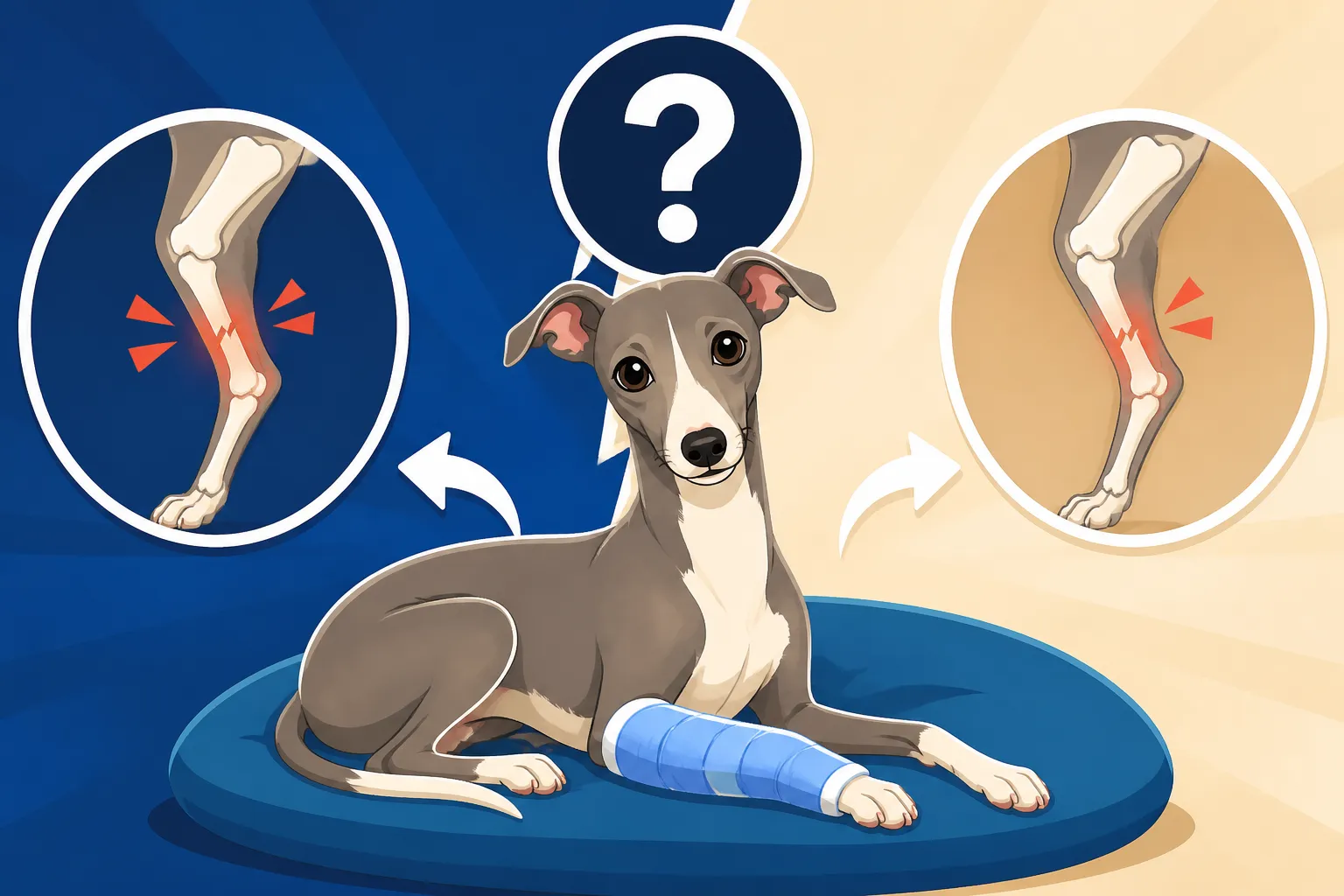
When an Italian Greyhound breaks a leg, it's rarely a simple hairline crack. The most common and heartbreaking site for fractures is the radius and ulna in the forearm. These two bones are crucial for support and movement, and when one or both break, it's a significant injury. Due to the twisting motions often involved in falls or awkward landings, these fractures frequently present as spiral fractures. A spiral fracture, as the name suggests, spirals around the bone, creating a complex break that can be challenging to stabilize. It’s not just a clean snap, but rather a more intricate pattern of breakage that requires precise surgical intervention to realign.
Sometimes, especially in younger, still-developing puppies, you might encounter a greenstick fracture. This is where the bone bends and cracks on one side but doesn't break completely through. While seemingly less severe, it still demands veterinary attention and proper immobilization to ensure correct healing. Regardless of the type, the key takeaway is that these bones are under immense pressure during normal Italian Greyhound activities, and their slender nature means they often can't withstand even seemingly minor traumas. It’s why an Italian Greyhound owner often lives with a constant low-level hum of anxiety, knowing how easily a seemingly innocent moment can turn into a frantic trip to the emergency vet. You might be surprised to learn that it's often Why an Italian Greyhound's Radius Is the Bone That Breaks, due to its anatomical position and the forces it bears.
The Heartbreaking Reality of Repeat Fractures in Italian Greyhounds
The sheer terror of the first fracture is something no Italian Greyhound owner ever truly forgets. The pain, the expense, the intense period of recovery – it imprints deeply. So, when the possibility of a second fracture, especially to the same leg, arises, it's enough to send shivers down any owner's spine. It's a genuine fear, and unfortunately, it's not entirely unfounded.
Is it Common for the Same Leg to Break Twice?
Let's address the direct, gut-wrenching question: is it common for an Italian Greyhound to break the same leg twice? The honest answer is that while it's not the most common outcome for every fracture, it's a very real and significant risk that owners need to be acutely aware of. It's certainly more prevalent in Italian Greyhounds than in many other breeds, precisely because of their inherent bone fragility. Think of it this way: once a bone has been fractured, even after excellent healing, it's been compromised. The original trauma and subsequent repair introduce variables that can make that limb more susceptible to future injury, particularly if the initial healing wasn't perfect, or if the dog returns to high-impact activities too quickly.
Several factors contribute to this heightened risk. Sometimes, the initial repair might leave subtle weaknesses. Perhaps the bone union isn't as robust as it could be, or the surrounding soft tissues (muscles, tendons, ligaments) are still recovering or have developed scar tissue that alters the limb's biomechanics. An Italian Greyhound's tendency to be an active, enthusiastic dog means they often push their limits, and a previously injured limb can become the weak link in a moment of exuberance. It's a cruel twist of fate that their joy can become their undoing, again.
Factors Increasing the Risk of a Second Break
Understanding why a second break might occur in the same leg is crucial for prevention. One of the primary culprits is incomplete healing. Even with surgical intervention, bone healing is a biological process that takes time, often months, to achieve full strength. If a dog is allowed to resume normal, active behavior before the bone has fully remodeled and regained its integrity, it's essentially a ticking time bomb. This premature return to activity might be due to an owner's eagerness, a misunderstanding of the healing timeline, or simply an Italian Greyhound's boundless energy defying restrictions.
Inadequate post-operative care is another major contributor. This isn't just about medication; it's about strict confinement, controlled leash walks, and preventing jumps or rough play. Any deviation from the vet's instructions can jeopardize the healing process. Sometimes, residual weakness in the bone or surrounding muscles can make the leg vulnerable. The muscles might atrophy during the recovery period, and even once the bone is healed, the muscle support might not be fully restored, leading to instability.
Furthermore, surgical complications can play a role. Issues like implant loosening – where plates, screws, or pins used to stabilize the fracture shift or become dislodged – can weaken the repair site. This is a particular concern with their delicate bones, as there's less bone mass to anchor implants securely. An infection at the surgical site can also compromise bone healing and lead to a weaker structure. In some unfortunate cases, Why Pins Loosen in an Italian Greyhound's Bone is a very real problem, leading to complications and potential re-injury. It's a complex interplay of biology, activity, and diligence that determines whether a leg truly holds up in the long run.
Healing Process and Post-Fracture Vulnerability
Successfully navigating the healing process after an Italian Greyhound's leg fracture is an intense journey. It demands unwavering commitment, patience, and a deep understanding of what your little companion is going through. This period directly influences the vulnerability of that leg moving forward.
The Critical Period After a Fracture Repair
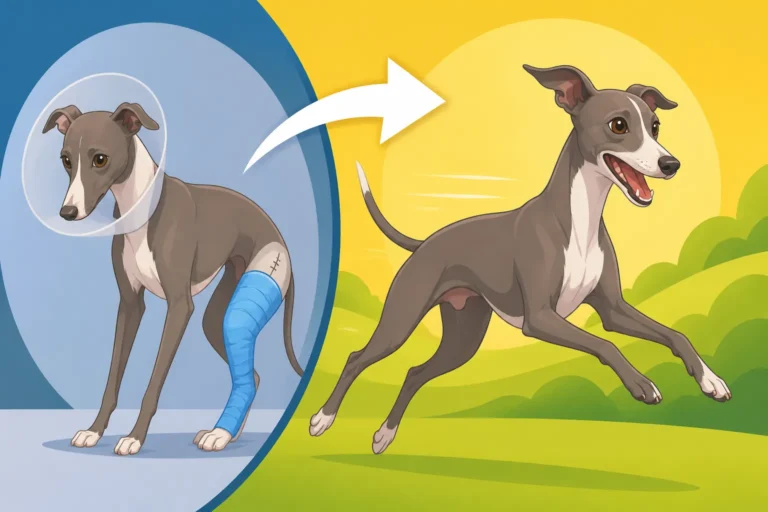
The time immediately following a fracture repair, whether it involved a cast or surgery, is profoundly critical. For Italian Greyhounds, who are prone to re-injury, this period requires military-level precision in care. For many, this means strict crate rest for weeks, sometimes months. Imagine confining an energetic, intelligent sighthound to a small space, allowing only controlled potty breaks on a leash. It's incredibly difficult for both dog and owner. The goal, however, is absolute minimal weight-bearing on the healing limb to allow the bone cells to lay down new tissue and knit together.
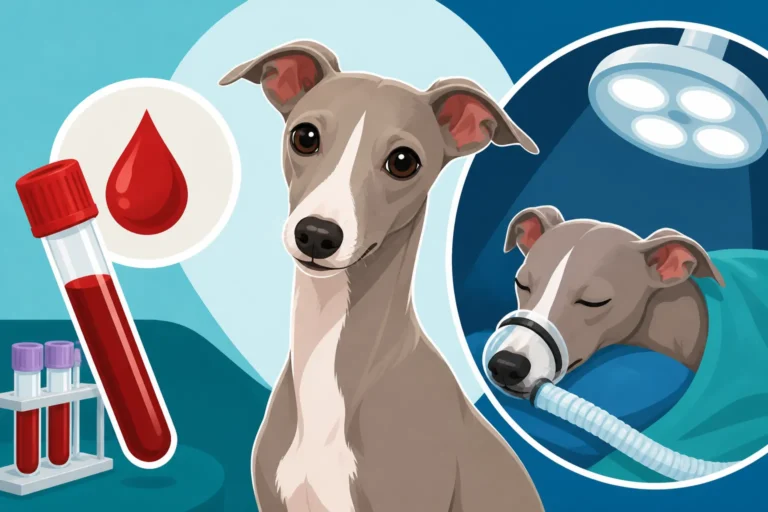
Regular follow-up appointments, often with X-rays, are non-negotiable. These check-ups allow your veterinary surgeon to monitor bone callus formation and ensure the alignment is holding. The healing isn't a linear progression; there are stages of bone remodeling that require different levels of restriction. Rehabilitation, often involving gentle passive range-of-motion exercises, hydrotherapy, or therapeutic laser, might be introduced cautiously by a certified canine physical therapist. Ignoring these steps, or rushing them, is a direct path to complications or, worse, a repeat fracture. Owners often underestimate How Long an Italian Greyhound Stays Crated After Surgery, but patience truly is a virtue here.
Scar Tissue and Bone Remodeling
When a bone breaks, the body initiates a complex healing cascade. Part of this involves forming a callus around the fracture site, which eventually remodels into new bone. This new bone might be incredibly strong, sometimes even stronger than the original bone, especially if the repair was ideal and healing was undisturbed. However, the architecture of this new bone might not be identical to the original, and its density or composition could vary. In some cases, if there were complications, or if the bone didn't heal perfectly aligned, residual weakness could persist in certain areas.
Beyond the bone itself, the surrounding soft tissues are also affected. Muscles are often cut or moved during surgery, and their healing involves the formation of scar tissue. While scar tissue provides structural integrity, it's often less elastic and flexible than original tissue. This can lead to altered muscle mechanics, potentially creating imbalances or shifting stress to different parts of the leg or even other limbs. For example, if the primary leg is a bit stiff, the dog might favor it slightly, putting more strain on the opposite limb or even the spine. This subtle shift in weight distribution or gait can predispose the healed leg, or another part of the body, to further injury down the line. It's a delicate balance, and complete, unblemished return to pre-injury form isn't always a guarantee.
The Psychological Impact of a Fracture on Your Italian Greyhound
While we often focus on the physical aspects of a fracture, the psychological impact on an Italian Greyhound can be profound and, surprisingly, can even influence the risk of re-injury. Some Iggies, after the trauma of a break and the subsequent pain and confinement, become incredibly cautious. They might avoid jumping, hesitate before running, or become more hesitant on certain surfaces. This newfound prudence, while heartbreaking to witness their diminished exuberance, can actually serve as a protective mechanism, reducing their risk of repeating high-impact activities.
However, other Italian Greyhounds, especially those with naturally high pain thresholds or simply a boundless joie de vivre, might seem almost oblivious to their past ordeal. They might continue to launch themselves off furniture, engage in rough play, or sprint at full speed without a second thought. This type of personality, while admirable for its resilience, can be a serious re-injury risk. Furthermore, some dogs might unknowingly overcompensate, putting undue strain on the recovering limb or, conversely, favoring other limbs excessively, which can lead to new issues. It’s a challenge to gauge which type of psychological recovery your Italian Greyhound will undergo, but understanding their individual temperament is crucial for managing their activity levels and safeguarding their long-term health.
Minimizing the Risk of Re-Fracture
The thought of your Italian Greyhound re-breaking a leg is enough to make any owner feel utterly helpless. But while their delicate bones present a constant challenge, there are concrete steps you can take to significantly minimize the risk. It's all about creating a safe environment and diligently following expert advice.
Proactive Environmental Modifications
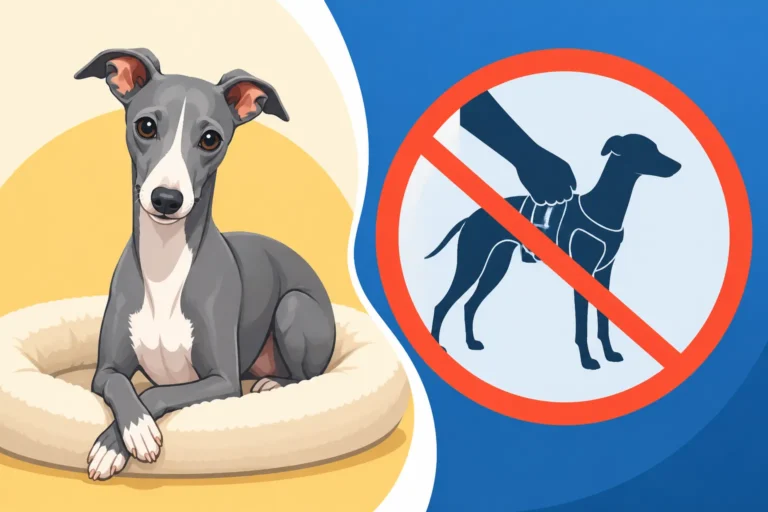
One of the most effective ways to prevent any fracture, and especially a repeat one, is to modify your home environment to mitigate risks. Italian Greyhounds are jumpers and climbers, and even a small leap can lead to disaster. The single biggest culprit for leg breaks is often jumping off furniture. This is where Ramps and Steps for an Italian Greyhound's Furniture become indispensable. Investing in sturdy, non-slip ramps or steps for every sofa, chair, and bed your Iggy is allowed on can dramatically reduce the risk of a misstep or awkward landing. Train them consistently to use these aids from a young age, or immediately after a first break.
Beyond furniture, consider your flooring. Hardwood, tile, or laminate floors can be slippery, especially during zoomies or playful antics. Adding runners, area rugs, or non-slip mats can provide crucial traction, preventing slips that could lead to falls. Stairways should be gated, particularly for puppies or those recovering from injury, as a fall down the stairs can be catastrophic. Think about the entire path your Italian Greyhound takes throughout the day and identify any potential jump points or slippery spots. Even a small, innocuous threshold can be a trip hazard if they are moving quickly. These modifications might seem excessive to some, but for an Italian Greyhound owner, they are essential investments in preventing heartbreaking accidents.
Strict Adherence to Veterinary Recommendations
After a fracture, your veterinary team provides a detailed roadmap for recovery, and strict adherence to their recommendations is paramount. This isn't just a suggestion; it's a lifeline for your Italian Greyhound's healing. This includes every aspect, from administering medication on time, to diligently following activity restrictions, to attending every single follow-up appointment. Skipping an X-ray because your Iggy "looks fine" is a dangerous gamble. These images provide vital information about bone healing that cannot be assessed externally.
Activity restrictions are often the hardest part, especially with a high-energy Italian Greyhound. Crate rest, short leash walks only, and absolute avoidance of jumping, running, or rough play must be enforced without exception. If your vet recommends physical rehabilitation, commit to it fully. A certified canine physical therapist can guide you through exercises that build muscle strength around the healing bone, improve range of motion, and ensure proper weight distribution, all of which contribute to long-term stability. If you're dealing with a complex fracture or a re-fracture, don't hesitate to seek a board-certified veterinary orthopedic surgeon. Their specialized expertise can make all the difference. Knowing Finding a Surgeon Who Has Plated an Italian Greyhound is often critical for the best possible outcome.
Nutritional Support and Weight Management
While diet alone won't prevent a fracture in a delicate breed like the Italian Greyhound, proper nutrition and healthy weight management play a supportive role in bone health and overall well-being. A balanced, high-quality diet provides the necessary nutrients for bone maintenance and repair. Ensure your Italian Greyhound is receiving appropriate levels of calcium, phosphorus, and Vitamin D, but never supplement these without veterinary guidance. Excessive calcium, for example, can be detrimental, especially in growing puppies. It's a common misconception that more calcium equals stronger bones, but for a breed like the Italian Greyhound, proper ratios are far more important than simply adding extra. In fact, Whether Calcium Strengthens an Italian Greyhound's Bones is often misunderstood; a balanced diet is usually sufficient, and over-supplementation can actually cause problems.
Maintaining an ideal weight is also crucial. Italian Greyhounds are naturally lean, and extra pounds, even a small amount, can put undue stress on their delicate skeletal system. An overweight Iggy jumping off a sofa will exert far more force on its landing limbs than one at a healthy weight, increasing the risk of fracture. Regularly assess your Italian Greyhound's body condition – you should be able to easily feel their ribs, but they shouldn't be sharply visible. Work with your vet to determine the ideal weight range for your individual dog and adjust their diet and exercise as needed to maintain it.
Long-Term Management and Support for Your Italian Greyhound
Living with an Italian Greyhound who has experienced a fracture, especially a repeat one, means embracing a lifetime of vigilant care. It's not just about the immediate recovery; it's about sustained support, proactive monitoring, and understanding the financial and emotional landscape of their unique needs.
Ongoing Monitoring and Check-ups
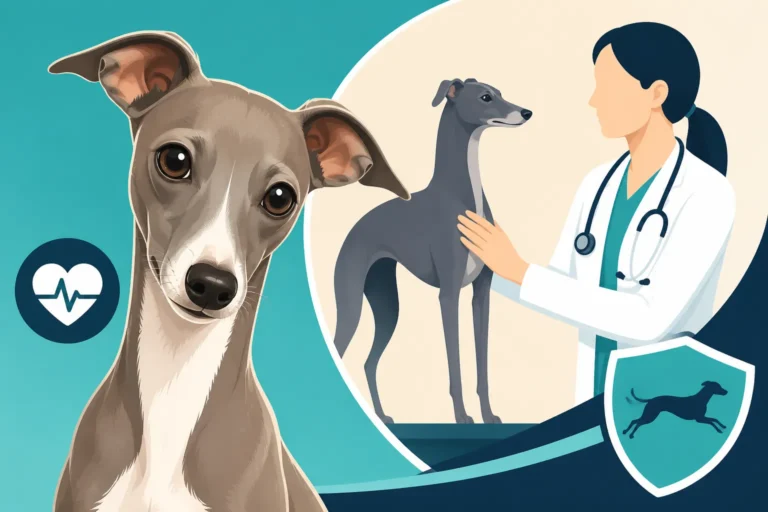
Even years after a fracture has seemingly healed, ongoing monitoring and regular veterinary check-ups are essential for an Italian Greyhound. The healed leg, while often strong, can still be a point of vulnerability or develop secondary issues over time. During your Italian Greyhound's annual wellness exams, your vet should pay particular attention to the previously injured limb. They will assess mobility, joint health, and look for any signs of discomfort or changes in gait. Subtle lameness, a reluctance to use the leg in certain ways, or even behavioral changes like decreased playfulness could indicate underlying issues.
Conditions like arthritis are a common concern in any limb that has experienced trauma, and a previous fracture site is particularly susceptible. Early detection of arthritis allows for proactive management, which might include joint supplements, anti-inflammatory medications, or specific exercise regimens. Your vet might recommend periodic X-rays of the healed leg, especially as your Italian Greyhound ages, to monitor for degenerative changes or bone density issues. This long-term vigilance is a cornerstone of responsible Italian Greyhound ownership, ensuring you catch potential problems before they escalate. It's not uncommon for Arthritis in an Italian Greyhound's Healed Leg to develop years down the line, so regular check-ups are key.
Understanding Pet Insurance Coverage for Repeat Injuries
The financial burden of an Italian Greyhound fracture is substantial, and a repeat fracture only compounds this stress. This is where understanding your pet insurance policy becomes critically important. Many owners opt for pet insurance, hoping to cushion the blow of unforeseen veterinary emergencies. Brands like Healthy Paws are popular choices, known for their comprehensive accident and illness plans. However, repeat injuries, especially to the same leg, introduce complexities regarding "pre-existing conditions."
Typically, pet insurance policies, including those from providers like Healthy Paws, do not cover pre-existing conditions. This means if your Italian Greyhound broke a leg, and then breaks the same leg again later, the second fracture might be deemed a pre-existing condition related to the first injury, and therefore not covered. However, the specifics can vary greatly by policy and insurer. Some policies might have clauses for "cured" conditions, or if a significant amount of time has passed without symptoms or treatment related to the initial injury. It's absolutely crucial to read your policy details carefully and, ideally, discuss this scenario with your insurance provider before a second incident occurs. Ask explicit questions about how repeat fractures to the same limb would be handled, and specifically about the definition of a pre-existing condition in their terms. This proactive approach can save you from a major financial shock. You need to understand Whether an Italian Greyhound's Old Fracture Is Preexisting to avoid unpleasant surprises. When comparing options, consider how providers like Healthy Paws define and treat subsequent injuries or complications arising from an initial fracture, as this can be a major factor in coverage.
The Emotional Toll on Owners
Let's be real: living through one Italian Greyhound leg fracture is emotionally draining. Living through a second, especially to the same leg, can be utterly devastating. The anxiety, the guilt, the fear, and the sheer exhaustion are immense. It's okay to feel overwhelmed, frustrated, and even angry. You did everything you thought was right, followed instructions, and yet here you are again. Validate those feelings; you're not alone. Many Italian Greyhound owners experience this profound emotional toll.
Coping with this involves several strategies. First, allow yourself to feel those emotions without judgment. Second, lean on your support system – friends, family, or even online Italian Greyhound communities who understand the unique challenges of the breed. Sharing your experience can be incredibly therapeutic. Third, focus on what you can control: strict adherence to the new recovery plan, continued environmental modifications, and showering your Iggy with love and comfort during their recovery. Remember, your Italian Greyhound relies on your strength and consistency, even when you feel depleted. Seek out professional guidance if the stress becomes too much to handle, whether that's from your vet or a mental health professional for yourself. You are an integral part of their recovery, and taking care of yourself allows you to better care for them.
| Factor | Initial Fracture Risk Factors | Repeat Fracture Risk Factors (Same Leg) |
|---|---|---|
| Breed Anatomy | Delicate, slender bones; minimal body fat. | Underlying bone fragility remains; potential for altered biomechanics. |
| Activity Level | High energy, jumping off furniture, rough play, zoomies. | Premature return to activity; overcompensation; continued high-impact habits. |
| Environment | Slippery floors, unfenced areas, high furniture. | Inadequate long-term modifications (ramps, non-slip surfaces). |
| Age | Puppies (developing bones); young adults (high energy). | Any age if initial healing was compromised or precautions are dropped. |
| Healing Quality | Not applicable (first break). | Incomplete bone union; poor callus formation; surgical complications (e.g., implant loosening). |
| Post-Care Adherence | Not applicable (first break). | Failure to follow strict vet protocols (crate rest, rehab). |
| Muscle Support | Not applicable (first break). | Muscle atrophy from initial recovery; imbalanced muscle strength. |
| Psychological Factors | Not applicable (first break). | Lack of caution from the dog; owner fatigue leading to lapses in vigilance. |
Disclaimer
Please remember that the information provided in this guide is for educational and informational purposes only, and does not constitute veterinary medical advice. Always consult with a qualified veterinarian for any health concerns or before making any decisions about your pet's medical care. Individual outcomes can vary, and your veterinarian is the best resource for your Italian Greyhound's specific needs.