Which Health Tests an Italian Greyhound Breeder Should Run
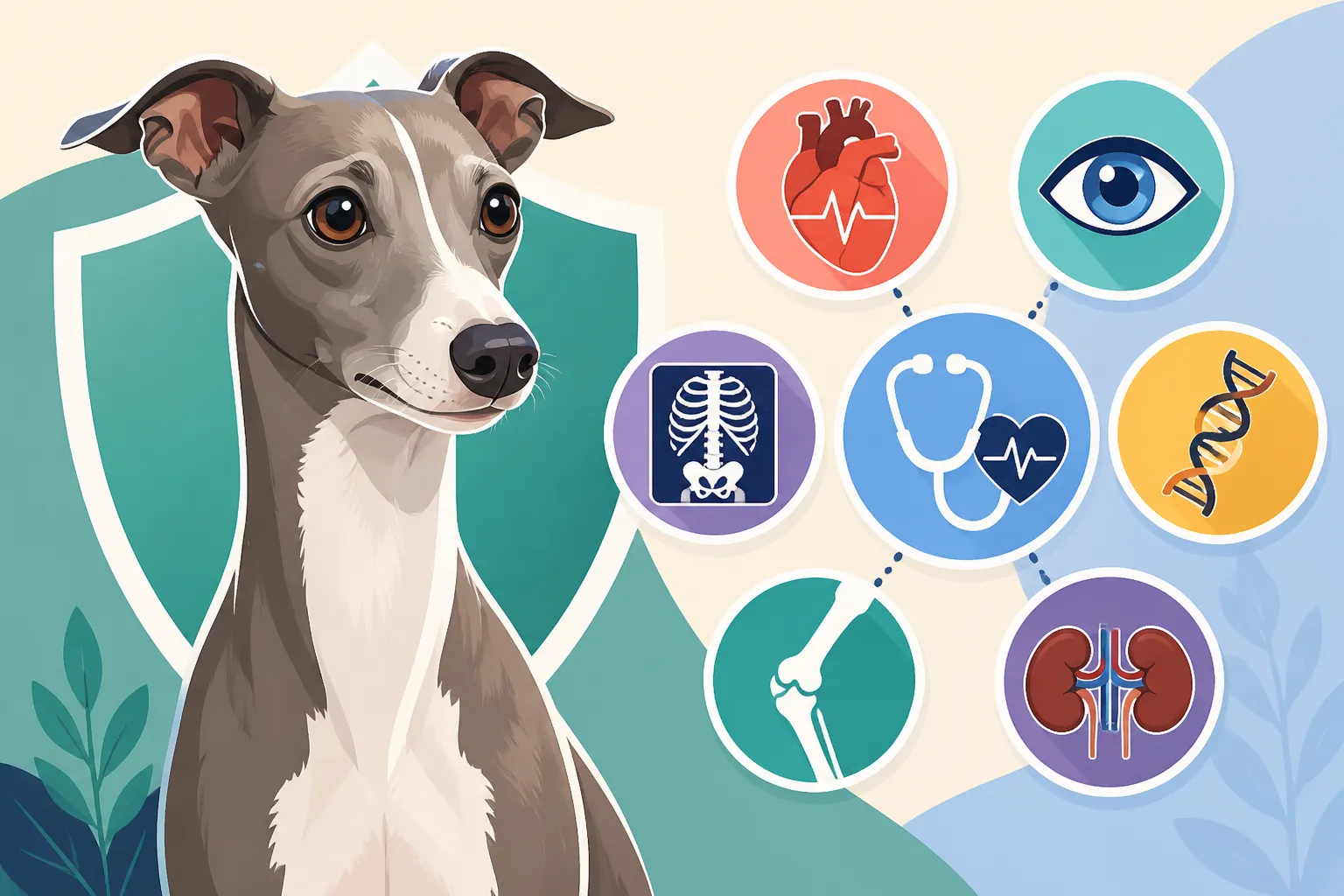
Bringing a new Italian Greyhound puppy home is an incredibly exciting time, but it’s often shadowed by an underlying worry about their future health. No one wants to face preventable genetic health issues, especially when they can lead to heartbreaking diagnoses and significant financial strain. This comprehensive guide will walk you through the essential health tests that responsible Italian Greyhound breeders should routinely perform on their breeding stock, ensuring you choose a puppy with the best possible start in life.
The Importance of Responsible Breeding and Health Screening
The decision to bring an Italian Greyhound into your home is a commitment that spans well over a decade, and it comes with the hope of a long, healthy life for your beloved companion. Unfortunately, like all purebred dogs, Italian Greyhounds are susceptible to certain genetic health conditions. This is precisely why the role of a responsible breeder, and their commitment to comprehensive health screening, cannot be overstated.
Why Health Tests Matter for the Breed's Future
Think of health testing as the bedrock of ethical breeding. A breeder isn't just producing puppies; they're safeguarding the future health and vitality of the entire Italian Greyhound breed. By screening their adult dogs for known inherited conditions, they aim to minimize the risk of passing these traits on to future generations. Without diligent testing, genetic diseases can quietly proliferate within bloodlines, leading to widespread suffering for dogs and immense emotional and financial burden for their unsuspecting owners. It's a proactive measure that demonstrates a breeder's dedication to the well-being of every dog they bring into the world. You want to look for a breeder who takes these responsibilities seriously, as outlined in our guide on What an Italian Greyhound Breeder Should Have Tested.
When breeders prioritize health tests, they're not just looking at the immediate health of a litter; they're contributing to a healthier gene pool for the entire breed. This long-term vision is crucial. It’s about more than just avoiding a sick puppy; it’s about upholding the integrity and health standards of Italian Greyhounds for years to come. Such dedication helps ensure that Italian Greyhounds continue to be cherished companions, known for their grace and affectionate nature, rather than for a litany of inherited ailments.
Understanding Inherited Conditions in Italian Greyhounds
Inherited conditions are health problems passed down from parents to their offspring through genes. In Italian Greyhounds, these can range from orthopedic issues like patellar luxation to eye diseases such as Progressive Retinal Atrophy, and even some metabolic disorders. The tricky part is that a parent dog can be a "carrier" for a genetic condition, meaning they carry the gene but show no symptoms themselves. If two carriers are bred, there's a significant chance their puppies will not only be carriers but also be "affected," meaning they will develop the disease.
This is where specific DNA tests and veterinary examinations become invaluable. They allow breeders to identify carrier status or active conditions in their breeding dogs, enabling them to make informed decisions about pairings that reduce or eliminate the risk of producing affected puppies. For example, if a breeder knows one parent is a carrier for a recessive disease, they can pair that dog with a mate who is completely clear of the gene, ensuring no affected puppies are born. This careful genetic management is vital in preventing the heartache that comes with discovering a beloved pet has an incurable, inherited illness.
Core Orthopedic Health Screens
Italian Greyhounds are known for their slender, delicate build, which, while elegant, can make them prone to certain orthopedic challenges. Responsible breeders take proactive steps to screen for these conditions, aiming to produce puppies with strong, sound structures.
Patellar Luxation Examinations
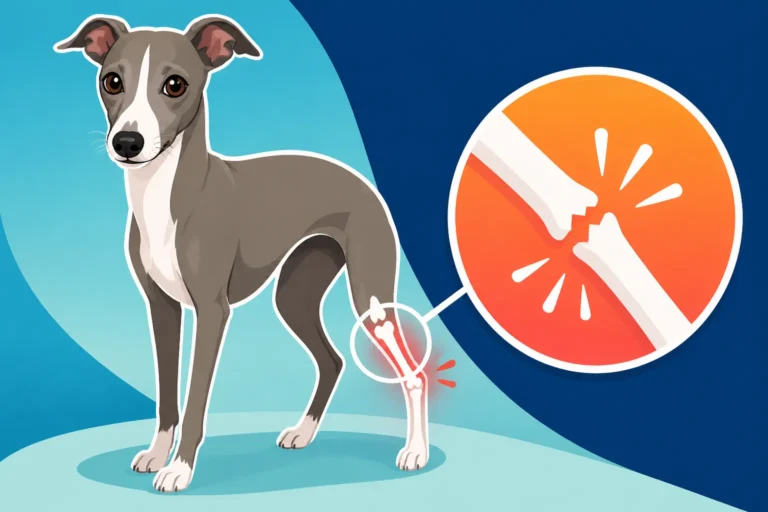
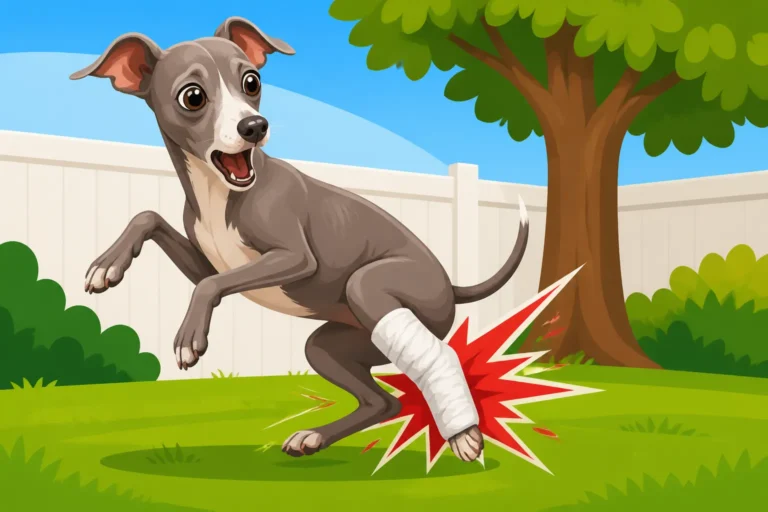
Patellar luxation, more commonly known as a "slipped kneecap," is a condition where the kneecap (patella) dislocates or moves out of its normal groove in the thigh bone (femur). It's a common issue in many small and toy breeds, and Italian Greyhounds are no exception. The severity can range from mild, where the kneecap occasionally pops out but causes little discomfort, to severe, where it remains dislocated and can lead to significant pain, lameness, and eventual arthritis.
A thorough physical examination by a veterinarian is the primary method for diagnosing patellar luxation. The vet will manipulate the knee joint to check for instability and determine the grade of luxation. Reputable breeders will have their breeding dogs evaluated by a qualified veterinarian, often board-certified orthopedic specialists, who can provide official clearances. Look for certifications from organizations like the Orthopedic Foundation for Animals (OFA) that confirm the dog has been screened and is free from, or has a low grade of, patellar luxation. Understanding Patellar Luxation in an Italian Greyhound is crucial for any potential owner.
Legg-Calve-Perthes Disease Screening
Legg-Calve-Perthes Disease (LCPD) is another orthopedic concern that can affect Italian Greyhounds, primarily occurring in young, growing dogs, typically between six months and one year of age. This condition involves the spontaneous degeneration of the head of the femur (the ball part of the hip joint), leading to collapse and necrosis of the bone. Essentially, the blood supply to the femoral head is interrupted, causing the bone to die and eventually crumble, leading to severe hip pain and lameness.
While the exact cause isn't fully understood, it is widely believed to have a genetic component, making pre-breeding screening essential. Diagnosis of LCPD typically involves X-rays of the hip joints. Although it usually manifests in puppies, breeders can still assess their breeding stock for any conformational abnormalities that might predispose their offspring to the condition or look for clear signs of previous, undiagnosed LCPD. This is particularly important because while it's not a common condition, it is devastating when it occurs. Knowing What Legg Calve Perthes Does to an Italian Greyhound can help prospective owners identify symptoms early if they do arise.
Essential Eye Health Clearances
The large, expressive eyes of an Italian Greyhound are one of their most captivating features, but they are also susceptible to several inherited conditions that can severely impact vision or even lead to blindness. Comprehensive eye health screening is therefore a critical component of responsible breeding.
Progressive Retinal Atrophy PRA Testing
Progressive Retinal Atrophy (PRA) is a group of genetic diseases that cause the degeneration of the retina, ultimately leading to blindness. In Italian Greyhounds, specific forms of PRA, such as Progressive Rod-Cone Degeneration (prcd-PRA) and Rod-Cone Dysplasia 4 (rcd4 PRA), have been identified. The disease is typically inherited in an autosomal recessive manner, meaning a puppy must inherit a copy of the defective gene from both parents to be affected. If a puppy inherits one copy, they become a carrier but usually won't develop the disease themselves.
Thankfully, DNA tests are available for several forms of PRA, allowing breeders to definitively determine if their dogs are clear, carriers, or affected. A responsible breeder will test both parents for the known PRA genes to ensure they don't produce affected puppies. For example, if one parent is a carrier, they will only breed that dog with a mate who is genetically clear of the PRA gene, thus guaranteeing that no affected puppies will be born, though some might be carriers. This proactive testing is paramount in preventing Progressive Retinal Atrophy in an Italian Greyhound, a condition that can gradually rob a dog of its sight, often starting with night blindness and progressing to total blindness. This is a condition where robust pet insurance like Healthy Paws, if acquired early, could offer significant peace of mind and financial support should a genetic eye condition manifest despite a breeder's best efforts.
Comprehensive Ophthalmic Exams and Other Eye Concerns
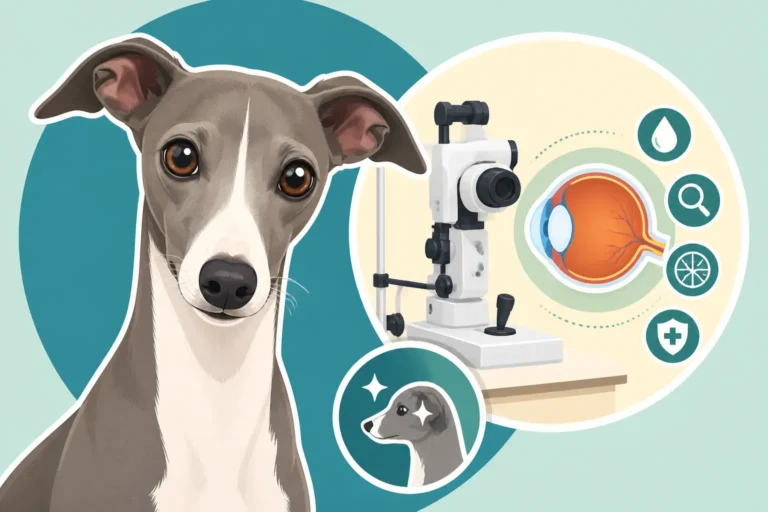
While DNA tests are fantastic for specific genetic conditions like PRA, they don't cover every possible eye ailment. That's why annual comprehensive ophthalmic examinations performed by a board-certified veterinary ophthalmologist are equally vital. These specialists use specialized equipment to examine all parts of the eye, looking for any signs of congenital or acquired eye diseases.
During these exams, ophthalmologists screen for conditions beyond PRA, such as juvenile cataracts, glaucoma, persistent pupillary membranes, and vitreous degeneration. Cataracts in an Italian Greyhound, for instance, can impair vision, and while some are age-related, others have a genetic component. Glaucoma, characterized by increased pressure within the eye, can cause severe pain and rapid blindness if left untreated. Regular, yearly evaluations help identify these issues early, allowing breeders to remove affected dogs from their breeding programs and advise puppy buyers of potential risks. The results of these exams are often registered with the Canine Eye Registration Foundation (CERF) or the OFA Eye Certification Registry, providing a public record of the dog's eye health status.
Thyroid and Other Genetic Disease Tests
Beyond orthopedic and ocular health, Italian Greyhounds can be predisposed to certain systemic and dermatological conditions with a genetic basis. Responsible breeders extend their health screening protocols to include these areas, ensuring a more holistic approach to genetic health.
Hypothyroidism Screening
Hypothyroidism is a condition where the thyroid gland doesn't produce enough thyroid hormone, which is essential for regulating metabolism. While it can occur in any dog breed, and some cases are immune-mediated, there is a recognized genetic predisposition in certain lines and breeds, including Italian Greyhounds. Symptoms can be vague and varied, including lethargy, weight gain, hair loss (often symmetrical and non-itchy), a dull coat, cold intolerance, and even behavioral changes like increased aggression or anxiety.
Screening for hypothyroidism typically involves blood tests that measure thyroid hormone levels (T3, T4) and Thyroid Stimulating Hormone (TSH). Breeders should have their breeding dogs tested regularly, usually annually, to monitor thyroid function. If a dog is diagnosed with hypothyroidism, it's typically managed with daily oral thyroid hormone replacement medication. While not usually life-threatening, it can significantly impact a dog's quality of life if untreated, and certainly affects a breeding dog's overall vitality and reproductive health. Understanding Hypothyroidism in an Italian Greyhound is important for recognizing the signs and ensuring proper care.
Color Dilution Alopecia DNA Testing
Color Dilution Alopecia (CDA), sometimes called "Blue Dog Alopecia," is a genetic skin condition primarily affecting dogs with dilute coat colors such as blue, fawn, or Isabella (lilac). Italian Greyhounds with blue or fawn coats are susceptible to this condition. CDA causes patchy hair loss, particularly along the back and ears, and can lead to thin, brittle hair, recurrent skin infections, and a generally poor coat quality. The skin in affected areas may also become dry, flaky, or discolored.
CDA is inherited in an autosomal recessive pattern, meaning a dog must inherit two copies of the dilute gene (one from each parent) to have a dilute color, and then sometimes the CDA gene itself can be expressed. DNA tests are available to identify carriers of the specific gene mutation responsible for CDA. Reputable breeders with dilute-colored Italian Greyhounds will perform this DNA test on their breeding stock. By knowing a dog's genetic status – whether clear, a carrier, or affected – breeders can make informed breeding choices to avoid producing puppies that will develop this uncomfortable and unsightly condition. Our guide on Color Dilution Alopecia in a Blue Italian Greyhound offers more insights into this specific challenge.
Beyond the Basics: What Else to Look For
While core genetic and orthopedic screenings form the foundation of responsible breeding, a truly comprehensive approach looks at the overall health and temperament of the breeding pair. This includes assessing cardiac health and ensuring their veterinarian possesses breed-specific expertise.
Cardiac Health and Anesthesia Considerations
Heart health is paramount for any dog, but especially for breeding animals who undergo the physical stresses of reproduction. While severe congenital heart defects are rare in Italian Greyhounds, acquiring a baseline understanding of a breeding dog's cardiac health is a wise practice. This can involve routine veterinary checks for murmurs, and sometimes, more specialized evaluations like an echocardiogram performed by a board-certified veterinary cardiologist, especially if a murmur is detected or if there's any family history of cardiac issues.
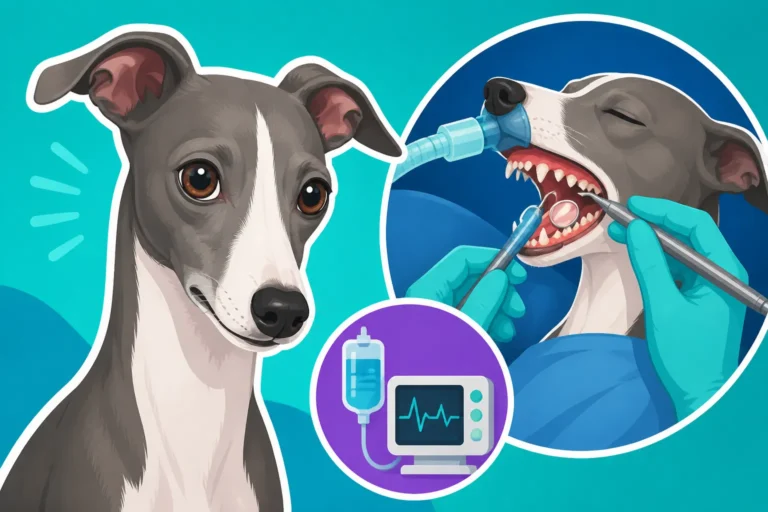
Beyond breeding, Italian Greyhounds are known to be particularly sensitive to anesthesia due to their low body fat, thin skin, and unique metabolism as sighthounds. This makes pre-anesthetic cardiac evaluations even more critical. A healthy heart minimizes anesthetic risk during necessary procedures like dental cleanings, spaying/neutering, or emergency surgeries. Knowing a breeding dog has a sound cardiovascular system provides invaluable peace of mind to both the breeder and future owners, assuring them that their Italian Greyhound is as robust as possible for life's inevitable veterinary interventions. This sensitivity is why Why Anesthesia Is Handled Differently in an Italian Greyhound is a crucial topic for all owners to understand. For these kinds of unexpected health challenges, pet insurance providers like Healthy Paws can be a real lifeline, covering unforeseen cardiac issues or complications during essential procedures, which helps ease the financial burden.
The Role of a Veterinarian Experienced in Sighthounds
It's one thing for a breeder to claim they do health tests; it's another to ensure those tests are interpreted correctly and that the breeding dogs receive appropriate care. This is where the importance of a veterinarian experienced in sighthounds, and specifically Italian Greyhounds, comes into play. Sighthounds have unique physiological characteristics that set them apart from other breeds. For example, their metabolism of certain drugs differs, their bloodwork can have slightly different "normal" ranges (like lower red blood cell counts), and their delicate bone structure requires a specific understanding.
A general practice veterinarian might not have the in-depth knowledge of these nuances, potentially leading to misdiagnoses, inappropriate treatment plans, or even anesthetic complications. A sighthound-savvy vet understands breed-specific predispositions, knows which tests are most relevant, and can accurately interpret results in the context of an Italian Greyhound's unique physiology. When evaluating a breeder, don't hesitate to ask about their veterinary care team – their vet's experience with the breed is a strong indicator of the breeder's commitment to specialized, high-quality care. Our article on Why an Italian Greyhound's Vet Should Know Sighthounds delves deeper into this vital distinction.
Health Test Summary for Italian Greyhound Breeders
To provide a clear overview, here's a table summarizing the key health tests responsible Italian Greyhound breeders should consider for their breeding stock:
| Health Condition | Type of Test | Purpose | Recommended Frequency | Certifying Body (if applicable) |
|---|---|---|---|---|
| Patellar Luxation | Physical Examination | To assess knee joint stability and identify luxation. | Annually/Pre-breeding | OFA |
| Legg-Calve-Perthes | X-rays of Hips | To check for hip joint integrity and signs of femoral head degeneration. | Pre-breeding | OFA |
| Progressive Retinal Atrophy (PRA) | DNA Test (prcd-PRA, rcd4 PRA) | To identify carriers or affected dogs for specific forms of retinal atrophy. | Once (if DNA test available) | Various Labs, OFA |
| Other Eye Diseases | Comprehensive Ophthalmic Exam (CERF/OFA Eye) | To screen for cataracts, glaucoma, and other ocular conditions. | Annually | ACVO/OFA Eye Cerf |
| Hypothyroidism | Blood Panel (Thyroid hormones) | To check thyroid function and detect underactive thyroid. | Annually | OFA (Thyroid database) |
| Color Dilution Alopecia (CDA) | DNA Test | To identify carriers or affected dogs for the dilute alopecia gene. | Once | Various Labs |
| Cardiac Health | Auscultation (Vet Exam) / Echocardiogram | To detect heart murmurs or other cardiac abnormalities. | Annually/Pre-breeding | OFA (Cardiac database) |
This table serves as a quick reference, but remember that a discussion with the breeder about their specific testing protocols and access to their dogs' health clearances is always the best approach.
Disclaimer
The information provided in this article is for educational purposes only and should not be considered a substitute for professional veterinary advice. Always consult with a qualified veterinarian for any health concerns or before making any decisions about your pet's health or treatment.