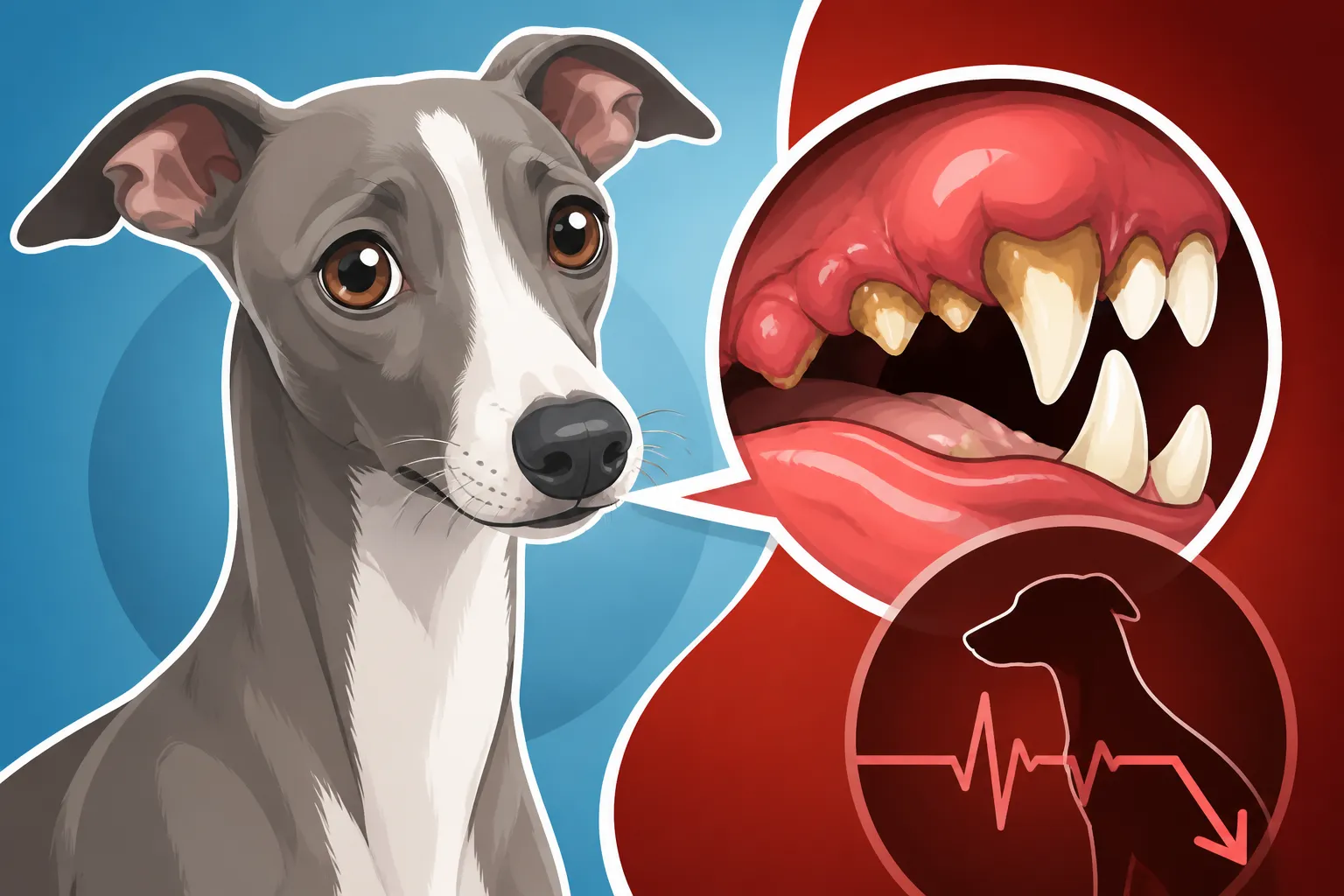
How Dental Disease Shortens an Italian Greyhound’s Life
It's heartbreaking to think that something as common as dental disease could steal precious years from your beloved Italian Greyhound. Many of us simply view bad breath or a bit of plaque as an annoying but manageable part of dog ownership, but for Iggies, poor oral health is a silent, insidious threat that can significantly impact their overall well-being and shorten their beautiful lives. This guide will delve into how dental issues become systemic health problems, and what you can do to protect your delicate companion.
The Silent Progression of Dental Disease in Italian Greyhounds
You might not realize it, but dental disease in Italian Greyhounds often begins much earlier than you'd ever expect, and it progresses stealthily. This isn't just about a bit of bad breath; we're talking about a serious, painful condition that, if left unchecked, has far-reaching consequences for their health and longevity. It starts innocently enough, with a build-up of plaque that quickly hardens into tartar. Because of their delicate bone structure and crowded mouths, Italian Greyhounds are particularly susceptible.
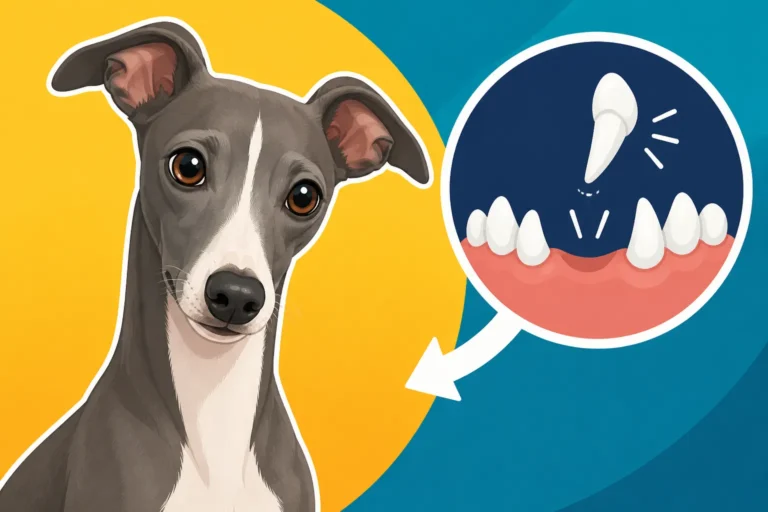
One of the biggest frustrations for IG owners is how quickly this plaque and tartar can accumulate, even in young dogs. You might be diligently feeding a high-quality kibble, or even trying dental chews, only to find yellowish-brown deposits forming by the time your Iggy is just a year or two old. This rapid onset means that by the time many owners notice "doggy breath," the problem is often already quite advanced. It's a cruel reality that The Age an Italian Greyhound Starts Losing Teeth can be shockingly young if proper care isn't in place. The small size of their mouths, combined with 42 adult teeth packed into a narrow jaw, leads to significant crowding, creating perfect little pockets for food particles and bacteria to hide and flourish. This crowding is a primary reason Why an Italian Greyhound's Teeth Crowd so easily, making them a prime candidate for early dental issues.
As plaque hardens into tartar, it creates a rough surface where more bacteria can cling. These bacteria then move below the gum line, causing inflammation and infection. This is where periodontal disease truly takes hold, eating away at the supporting structures of the teeth. Gums become red, swollen, and painful, bleeding easily. Eventually, the infection starts to destroy the bone surrounding the tooth roots. Your Iggy, being the stoic little creature they are, might not show obvious signs of pain, continuing to eat and play as normal, masking the discomfort. This makes it even harder for us, as loving owners, to realize the severity until the damage is extensive. Ignoring bad breath, which is often the first and most obvious indicator of infection, is like ignoring a ticking time bomb in your dog's mouth. Knowing What Bad Breath Means in an Italian Greyhound is crucial for early intervention.
Beyond the Mouth: Systemic Health Risks Linked to Poor Dental Health
The idea that dental disease is confined to the mouth is a dangerous misconception, especially for a breed as delicate as the Italian Greyhound. Once bacteria from plaque and tartar make their way into the bloodstream through inflamed or bleeding gums, they can travel throughout the body, wreaking havoc on vital organs. This isn't just a theory; it's a well-documented medical reality that can significantly shorten an Italian Greyhound's lifespan.
The most common targets for these circulating bacteria are the heart, kidneys, and liver. For instance, bacterial endocarditis, an infection of the heart valves, can result from chronic dental disease. While it might sound rare, studies have shown a direct link between severe periodontal disease and an increased risk of heart conditions. Imagine your Iggy's tiny heart working overtime, fighting off infection that's constantly being fed from their mouth. Similarly, the kidneys and liver are responsible for filtering toxins from the blood. When a constant stream of bacteria and inflammatory byproducts from dental infections bombards these organs, it places immense strain on them, potentially leading to chronic inflammation, reduced function, and ultimately, organ damage. This is why Periodontal Disease Is the Italian Greyhound's Most Common Diagnosis and also one of the most dangerous.
Because Italian Greyhounds are already prone to certain health challenges as they age, adding the burden of systemic infection from dental disease only exacerbates these risks. An Iggy might be developing a heart murmur or showing early signs of kidney issues, and undetected dental disease can accelerate the progression of these conditions, turning a manageable health concern into a critical crisis much faster than it would otherwise. This is why many vets will insist on a dental cleaning before other procedures, knowing that clearing up oral infection can dramatically improve other health outcomes. Regular, professional dental cleanings are not just about fresh breath; they are a vital component of preventative healthcare, acting as a safeguard for your Italian Greyhound's entire body. Ignoring their dental health is effectively shortening their future.
Here's a quick look at the stages of periodontal disease and their potential impact:
| Stage | Description | Symptoms (Oral) | Systemic Risk |
|---|---|---|---|
| 0 | Normal, healthy gums and no plaque/tartar. | None | Minimal |
| 1 | Gingivitis: mild inflammation of gums. Plaque present. | Reddened gums, mild bad breath. No bone loss. | Low, but can progress rapidly. |
| **2 | Early Periodontitis: inflammation, some tartar. | Red, swollen gums, moderate bad breath, some bleeding. Up to 25% bone loss. | Moderate risk to heart, kidneys, liver. |
| 3 | Moderate Periodontitis: significant tartar and gum recession. | Bleeding, painful gums, severe bad breath, pus. 25-50% bone loss. | High risk of systemic infection/damage. |
| 4 | Advanced Periodontitis: severe inflammation and extensive bone loss. | Very painful, loose teeth, severe infection, pus. Over 50% bone loss. | Very high risk of major organ damage, jaw fracture. |
The Unique Dangers for Italian Greyhounds: Jaw Fractures and Pain
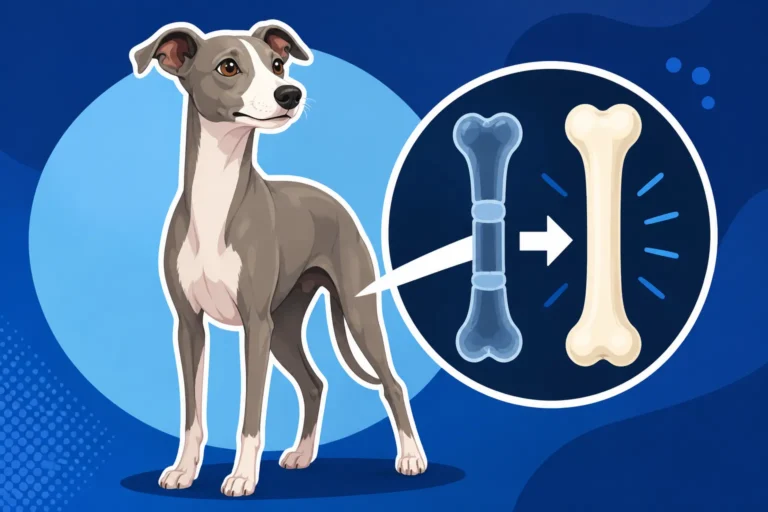
While any dog can suffer from dental disease, Italian Greyhounds face a particular, harrowing risk: jaw fractures during or even before dental extractions. Their delicate, fine-boned structure, which gives them their elegant appearance, also makes them incredibly fragile. This vulnerability is amplified when severe dental disease has been allowed to progress, literally dissolving the bone that holds their teeth in place.
When advanced periodontal disease reaches Stage 3 or 4, the infection doesn't just damage the gums; it destroys the alveolar bone that supports the teeth. For an Italian Greyhound with its already thin jawbones, this bone loss can weaken the jaw to a critical point. Imagine the bone around a tooth becoming as thin as paper. During a dental procedure, especially when extracting a tooth with deep roots, the leverage and pressure required can easily cause the compromised jaw to fracture. This is a devastating complication, requiring complex and expensive surgery, often by a specialist, to repair. It’s a fear every Italian Greyhound owner grapples with, and a stark reminder of Why an Italian Greyhound's Jaw Can Break During Extraction. The cost of repairing such a fracture can be staggering, leading many owners to look into pet insurance plans like Healthy Paws for peace of mind.
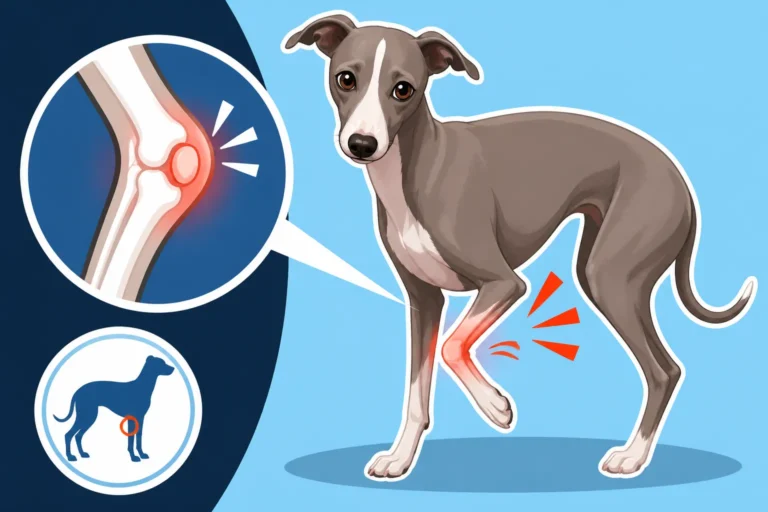
Beyond the risk of fracture, chronic dental disease means chronic pain. While your Iggy might not cry out, they are certainly suffering. Imagine living with constant toothache, gum inflammation, and loose teeth. This discomfort can impact their quality of life in countless ways, from reluctance to play with toys to subtle changes in eating habits. They might still eat, because they have to, but they're doing it through pain. The systemic infection itself also contributes to a general feeling of malaise, making them feel unwell even if they don't show specific symptoms. This constant low-grade inflammation and pain drain their energy and dampen their spirits, undeniably contributing to a reduced lifespan, as their body is always fighting an uphill battle. It's a cruel testament to how well they hide pain, often until the problem is severe.
Proactive Care: Extending Your Italian Greyhound's Lifespan Through Dental Health
Given the serious risks, taking a proactive approach to your Italian Greyhound's dental health isn't just advisable; it's absolutely essential for ensuring they live a long, comfortable, and happy life. Preventing dental disease from getting a foothold, or addressing it swiftly if it does, can literally add years to their delicate existence. This isn't about being overly cautious; it's about being a responsible owner to a breed with unique vulnerabilities.
The cornerstone of preventative care is daily tooth brushing. Yes, daily! This might sound daunting, but getting your Iggy accustomed to it early on can make it a manageable routine. Just like we brush our own teeth to prevent plaque, your dog needs the same. There are specific pet toothpastes that are safe for dogs and come in flavors they might enjoy, making the experience less of a struggle. Consistent home care can significantly slow down the accumulation of plaque and tartar, and it's key to Brushing an Italian Greyhound's Teeth Every Day. Many owners find that even just a minute or two a day makes a world of difference.
Beyond daily brushing, regular professional dental cleanings under anesthesia are non-negotiable for Italian Greyhounds. While the thought of anesthesia can be scary for any pet owner, especially with an Iggy, modern veterinary medicine has made it very safe, particularly when performed by experienced professionals. These cleanings allow the vet to thoroughly scale off tartar both above and below the gum line, polish the teeth, and conduct a comprehensive oral exam. This is when potential issues like bone loss or painful teeth can be identified and addressed before they become critical. Knowing How Often an Italian Greyhound Needs a Dental Cleaning is critical for planning. For many Iggies, this could mean annual cleanings, or even more frequently if they're particularly prone to tartar buildup. If you’re worried about the cost, having pet insurance like Healthy Paws can really help manage these preventative and emergency dental expenses, making it easier to provide the best care without financial stress.
Remember, the goal is to prevent the severe stages of periodontal disease that lead to systemic health problems and jaw fractures. By investing time in daily home care and committing to regular veterinary dental check-ups, you're not just ensuring fresh breath; you're safeguarding their heart, kidneys, and overall vitality. It truly is one of the most impactful things you can do to ensure Whether an Italian Greyhound Can Keep Its Teeth for Life and ultimately, Why an Italian Greyhound Lives Fourteen to Fifteen Years. Don't wait for your Iggy to show obvious signs of pain; by then, the damage is often already extensive. Proactive dental care is a lifelong commitment, but it's a small price to pay for a longer, healthier, and happier life with your cherished Italian Greyhound. Even if your Iggy needs extensive work, knowing What Happens During an Italian Greyhound's Dental can help ease your mind, and understanding Why an Italian Greyhound's Dental Requires Anesthesia highlights the thoroughness required for effective treatment. You certainly don't want to find yourself needing to understand How Many Teeth an Italian Greyhound Loses by Eight because of neglected care.
Disclaimer
Please remember that the information provided in this article is for educational purposes only and should not replace professional veterinary advice. Always consult with a qualified veterinarian for any health concerns or before making any decisions about your Italian Greyhound's care.