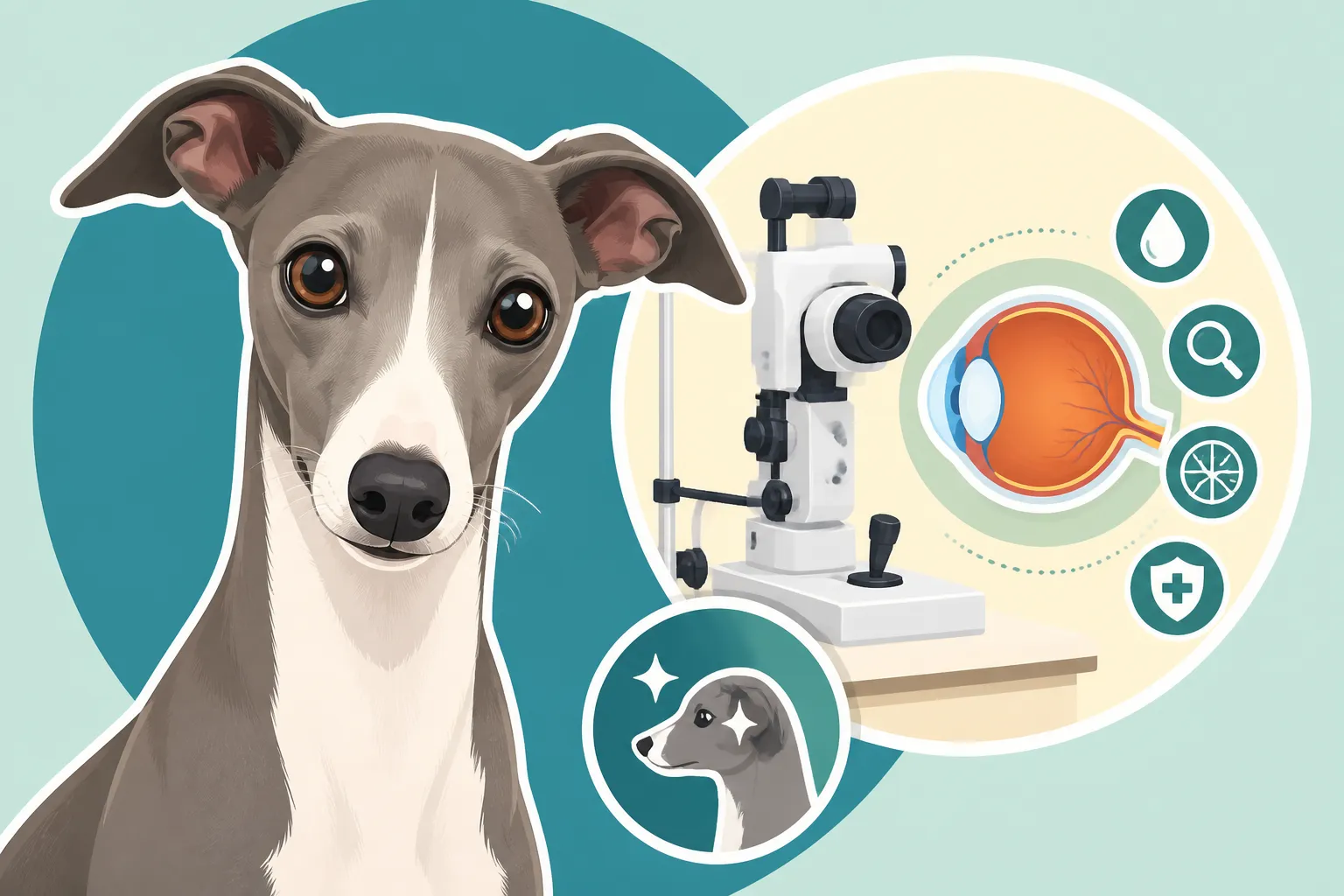
What an Italian Greyhound’s Yearly Eye Exam Covers
It’s a truth universally acknowledged among Italian Greyhound owners that while these delicate creatures fill our lives with immense joy, they also come with a unique set of health considerations. Among these, their precious eyes are often a source of quiet anxiety. You might wonder what truly goes on during that yearly vet visit when they peer into your IG's soulful gaze, or if a routine check-up is even enough. This comprehensive guide will meticulously break down what an Italian Greyhound's yearly eye exam entails, why it’s absolutely critical, and what conditions your vet is diligently looking for to ensure your cherished companion’s vision remains clear and healthy for as long as possible.
The Essential Components of an Italian Greyhound's Annual Eye Exam
Taking your Italian Greyhound for their annual check-up isn't just about vaccinations and a general physical. For a breed known for its specific health predispositions, a thorough eye exam is a cornerstone of preventative care. It’s not just a quick glance; it’s a systematic process designed to catch even the most subtle changes that could indicate a serious underlying problem. Many owners often overlook the importance of specific eye examinations until a problem is obvious, but by then, it can sometimes be too late to fully mitigate the issue.
The Ocular History and Initial Visual Assessment
Before any instruments even come out, your veterinarian, or a board-certified veterinary ophthalmologist if you’re seeing one, will begin with a detailed discussion about your Italian Greyhound's ocular history. They’ll ask you about any changes you’ve noticed at home – has your dog been bumping into furniture more often, especially in dim light? Are their eyes watery or red? Have you seen any cloudiness or changes in pupil size? These seemingly small observations are incredibly valuable clues for the vet, as you, the owner, are often the first to notice subtle shifts in your IG's behavior or appearance.
Following this conversation, the vet will perform an initial visual assessment. This involves observing your Italian Greyhound's eyes in a general setting, noting symmetry, discharge, eyelid position, and how they react to light and movement. They might gently test your dog's menace response (the blinking reflex when an object approaches the eye) and pupillary light reflexes to gauge basic neurological function related to vision. They'll also check for signs of discomfort, rubbing, or squinting, all of which can point to irritation or pain within the eye. This initial, non-invasive observation is a crucial first step in understanding the overall health of your Italian Greyhound's eyes.
Standard Ophthalmic Tests
Once the initial assessment is complete, your vet will move on to a series of standard, non-invasive tests that provide crucial data about the health and function of your Italian Greyhound's eyes. These tests are usually quick and well-tolerated, providing a comprehensive picture without causing stress.
First up is often the Schirmer Tear Test. This test measures tear production, which is incredibly important because adequate tears protect the eye from dryness and infection. A small strip of filter paper is gently placed inside the lower eyelid for one minute. If the reading is too low, it can indicate Keratoconjunctivitis Sicca, commonly known as dry eye, a condition that can lead to chronic discomfort and even vision impairment if left untreated. For a delicate breed like the Italian Greyhound, maintaining optimal eye lubrication is paramount.
Next, they'll likely perform Tonometry, which measures the intraocular pressure (IOP) within the eye. This is vital for detecting conditions like glaucoma, where elevated pressure can quickly lead to irreversible blindness. A small, specialized device, like a TonoPen, is gently touched to the surface of the eye (after a numbing drop is applied), providing a rapid and accurate reading. Given that some sighthound breeds can be predisposed to glaucoma, this test is a non-negotiable part of the annual exam. You can learn more about Glaucoma in an Italian Greyhound in a dedicated guide.
Finally, the vet will conduct an Ophthalmoscopy. This involves using an ophthalmoscope – a lighted instrument – to examine the internal structures of the eye, including the lens, vitreous, and retina. Often, dilating drops are used to get a clearer view of the retina. This allows the vet to look for cataracts (clouding of the lens), signs of retinal degeneration like Progressive Retinal Atrophy (PRA), or any other anomalies within the eye. This detailed look is critical for spotting issues that might not be apparent from the outside.
Advanced Diagnostics When Needed
While the standard tests cover a lot of ground, sometimes a vet may recommend advanced diagnostics if they suspect a more complex issue, or if a standard test yields concerning results. These aren't typically part of a routine annual exam unless there's a specific indication.
For instance, if glaucoma is suspected or there’s a family history, a Gonioscopy might be performed. This involves using a special lens placed on the eye to visualize the drainage angle, which is where fluid leaves the eye. This helps determine if the glaucoma is open-angle or closed-angle, guiding treatment decisions. Similarly, if your vet suspects a retinal disease like Progressive Retinal Atrophy in an Italian Greyhound but the ophthalmoscopy isn't definitive, an Electroretinography (ERG) test might be suggested. This test measures the electrical responses of the cells in the retina to light, providing a very precise assessment of retinal function, even before visible signs of degeneration appear. These advanced tests are usually performed by a board-certified veterinary ophthalmologist and can involve specialized equipment and sedation to ensure the dog remains still.
Why Specialized Eye Care Matters for Italian Greyhounds
It's no secret that Italian Greyhounds are a breed with distinct physical characteristics, and their eyes are no exception. Their large, expressive eyes, while beautiful, are also susceptible to certain conditions that make routine and specialized eye care incredibly important. Ignoring these breed-specific tendencies can have dire consequences for their long-term vision and quality of life. Owners are often surprised at how prevalent eye issues can be in the breed, sometimes only discovering them after their IG is already symptomatic.
Breed-Specific Predispositions
Italian Greyhounds, like many purebred dogs, have genetic predispositions to certain eye diseases. Understanding these is the first step in proactive care. One of the most talked-about conditions is Progressive Retinal Atrophy (PRA), a group of inherited degenerative diseases of the retina that ultimately lead to blindness. While there are different forms of PRA, they all involve the deterioration of the photoreceptor cells in the retina. Early signs might include Signs an Italian Greyhound Is Losing Night Vision, but by the time you notice, significant changes may have occurred. This is why regular screening, and knowing your dog's genetic background, is so vital. Reputable breeders will conduct The Eye Diseases an Italian Greyhound Breeder Screens For as part of their health testing protocols.
Beyond PRA, Italian Greyhounds can also be prone to conditions like Cataracts in an Italian Greyhound, which can develop at varying ages, and glaucoma, as mentioned earlier. Some may also develop lens luxation, where the lens of the eye shifts out of its normal position, causing pain and potentially leading to glaucoma if not addressed promptly. Eyelid abnormalities like entropion (inward-rolling eyelids) or ectropion (outward-rolling eyelids) can also cause chronic irritation or expose the eye to damage. This isn't to say every IG will face these challenges, but the heightened risk means a vigilant approach to eye health is simply part of being a responsible owner.
Early Detection and Preventative Care
The mantra in veterinary ophthalmology is "early detection is key." For many eye conditions, especially those that are progressive, catching them in their infancy offers the best chance for successful management, slowing progression, or preserving vision. For example, if glaucoma is diagnosed early through regular tonometry, medications can often be prescribed to reduce intraocular pressure, potentially delaying or preventing complete blindness. If a cataract is small and not significantly impacting vision, your vet can monitor it closely. Should it progress and cause vision impairment, surgical removal might be an option, but the timing is crucial.
Preventative care extends beyond just catching disease. It also involves ensuring optimal eye health to begin with. This means addressing factors that contribute to irritation, such as keeping the hair around the eyes trimmed (though IGs don't have much!), protecting them from dust and debris during outdoor activities, and being aware of their environment. For instance, if you live in a very dry climate, discussing tear supplements with your vet might be a preventative measure. Thinking about insurance options like Healthy Paws, which can cover unexpected vet bills from accidents and illnesses, can also be a proactive financial step, as treatments for advanced eye conditions can be quite costly.
The Role of a Board-Certified Veterinary Ophthalmologist
While your general practice veterinarian is adept at performing routine eye exams and identifying many common issues, there are times when a specialist, a board-certified veterinary ophthalmologist, is invaluable. These are veterinarians who have undergone extensive additional training and certification specifically in eye diseases and surgery.
You might be referred to an ophthalmologist if your general vet detects a complex or rapidly progressing condition, if surgery is required (such as for cataract removal or severe glaucoma), or if a diagnosis remains elusive after initial testing. They have specialized equipment, advanced diagnostic techniques, and in-depth knowledge of rare conditions and breed-specific predispositions that allow for the most precise diagnosis and advanced treatment options. Don't hesitate to ask your regular vet about a referral if you have concerns, especially with a breed like the Italian Greyhound where vision can be so fragile. It’s a bit like seeing a specialist for yourself – sometimes, you just need that extra layer of expertise to get the best possible outcome. This is why many owners, once they get their Italian Greyhound, understand that Whether an Italian Greyhound Needs a Yearly Eye Exam with a specialist or at least a highly attentive general vet, becomes a vital part of their care routine.
Common Eye Conditions Identified During Annual Exams
During your Italian Greyhound's annual eye exam, the veterinary team is not just looking for general health; they are specifically attuned to a range of conditions that are either common in dogs or have a higher prevalence in sighthounds like Italian Greyhounds. Understanding these conditions can empower you as an owner to recognize potential symptoms at home and engage more effectively with your vet about your dog's eye health.
Progressive Retinal Atrophy (PRA)
As discussed, PRA is a significant concern for Italian Greyhounds. This genetic condition causes the light-sensing cells in the retina to slowly degenerate, eventually leading to blindness. There are various forms of PRA, with some causing night blindness first (which can progress to total blindness) and others affecting day vision. Symptoms can be subtle initially: your dog might become hesitant to enter dark rooms, bump into objects in low light, or be less willing to go outside after dusk. These are tell-tale Signs an Italian Greyhound Is Losing Night Vision.
During the ophthalmoscopic examination, your vet will look for specific changes in the retina, such as thinning or changes in the blood vessels, which are indicative of PRA. Crucially, a definitive diagnosis can often be made through DNA testing. Knowing if your Italian Greyhound is a carrier or affected is paramount, not just for their own care but also for responsible breeding practices. The DNA Test for Italian Greyhound Retinal Atrophy is a powerful tool for breeders to avoid passing this devastating condition on to future generations. While there’s currently no cure for PRA, early diagnosis allows owners to adapt their homes and routines to help their dog cope with vision loss, making their life comfortable and safe.
Cataracts and Glaucoma
These two conditions are distinct but both represent serious threats to an Italian Greyhound's vision and can often be detected during routine annual exams.
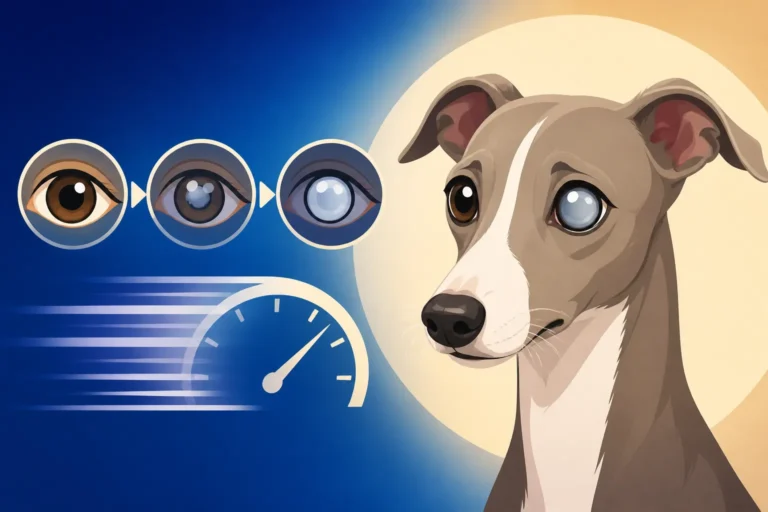
Cataracts involve the clouding of the eye's lens, which obstructs light from reaching the retina and causes blurry vision. They can range from small, non-vision-impairing opacities to dense, completely blinding clouds. Causes can include genetics, diabetes, injury, or simply old age. During the ophthalmoscopy, your vet will easily spot any cloudiness in the lens. If detected, the vet will assess the size and density of the cataract and how much it affects your dog’s vision. While not all cataracts require intervention, significant cataracts can be surgically removed by a specialist to restore sight.
Glaucoma is an insidious condition characterized by increased pressure within the eye, which damages the optic nerve and retina, leading to irreversible vision loss. It's often painful and can progress rapidly. In Italian Greyhounds, primary glaucoma (inherited) can occur, where the eye's drainage system is abnormal. Secondary glaucoma can result from other eye conditions like inflammation, advanced cataracts, or luxated lenses. The tonometry test is specifically designed to measure intraocular pressure and is the primary tool for detecting glaucoma. If your IG has elevated pressure, even without obvious symptoms like a red, swollen, or cloudy eye, immediate treatment is necessary to preserve vision. Medications are often used to reduce pressure, but sometimes surgery is required. It's truly an emergency that can lead to blindness within hours or days if left untreated.
Dry Eye (Keratoconjunctivitis Sicca) and Eyelid Abnormalities
Rounding out some of the more common issues detectable during an annual exam are dry eye and various eyelid anomalies.
Keratoconjunctivitis Sicca (KCS), or dry eye, occurs when the tear glands don't produce enough tears to adequately lubricate the eye. This leads to chronic irritation, redness, discharge, and if untreated, can cause corneal damage and vision impairment. The Schirmer Tear Test is the definitive diagnostic tool for KCS, which can be managed with topical medications that stimulate tear production or provide artificial tears. While not directly life-threatening, chronic dry eye can significantly impact your Italian Greyhound's comfort and eye health.
Eyelid abnormalities, such as entropion (where the eyelid rolls inward, causing eyelashes to rub on the cornea) and ectropion (where the eyelid rolls outward, exposing the eye), are often present from a young age or can develop later due to injury or aging. Your vet will look closely at the position and structure of the eyelids during the visual assessment. These conditions, especially entropion, can cause chronic pain, corneal ulcers, and infections. Surgical correction is often recommended to alleviate discomfort and prevent further damage to the eye. For a breed with such prominent and delicate eyes, any eyelid abnormality can quickly become a significant problem.
Preparing for Your IG's Eye Exam and Long-Term Eye Health
Understanding what an Italian Greyhound's yearly eye exam covers is one thing, but actively participating in your dog's eye health journey is another. Your involvement, both before and after the vet visit, plays a colossal role in preserving their sight and overall well-being. Proactive steps can save a lot of heartache and considerable expense down the line.
What to Observe at Home
You are your Italian Greyhound’s first line of defense when it comes to their health. Developing a habit of regularly observing your dog’s eyes at home can give your vet critical information and help catch issues early. Spend a few moments each day looking at their eyes. Are they clear and bright? Is there any excessive tearing, redness, or discharge? Do the pupils look the same size? Does your dog squint or rub their eyes frequently? Pay attention to any changes in behavior too: are they hesitant on stairs they usually navigate easily, or do they seem more easily startled in dim lighting? These observations are crucial and should be communicated to your vet. For instance, if you notice them seeming disoriented at night, it could be an early indicator of a problem related to How Fast an Italian Greyhound Loses Its Sight with conditions like PRA.
Consider keeping a small journal or a note on your phone to track any subtle changes you notice throughout the year. Even if it seems minor, it could be a clue your vet needs. And remember, Italian Greyhounds, like many sighthounds, are incredibly stoic. They often hide pain or discomfort until it's quite advanced, so even tiny behavioral shifts should prompt investigation.
Discussing Costs and Insurance
Let's be realistic: veterinary care, especially specialized eye care, can be expensive. A routine annual eye exam is an investment, but if an underlying condition is detected that requires further diagnostics, medication, or surgery, the costs can escalate quickly. For instance, What Fracture Repair Costs on an Italian Greyhound is often a large unexpected expense, but extensive eye surgeries can be similarly daunting.
It's always wise to discuss the potential costs with your vet or ophthalmologist upfront. Don't be afraid to ask for estimates for different diagnostic tests or treatment plans. This transparency allows you to make informed decisions. This is also where pet insurance can be an absolute lifesaver. Companies like Healthy Paws offer coverage that can significantly alleviate the financial burden of unexpected illnesses or injuries, including many eye conditions. While pre-existing conditions are typically excluded, having a policy in place before problems arise can provide peace of mind. Investing in a good pet insurance plan early in your Italian Greyhound's life is a pragmatic approach to budgeting for their potential health needs, especially considering that Whether the Italian Greyhound Is a Healthy Breed is often offset by breed-specific vulnerabilities.
Ongoing Care Beyond the Annual Visit
Your Italian Greyhound's eye health isn't just about that one yearly appointment; it’s a year-round commitment. Based on your dog's individual needs, your vet might recommend specific home care. This could include gently wiping around their eyes with a damp cloth to remove any accumulated debris or discharge, especially for those prone to tear staining. If your IG is diagnosed with dry eye, you might be administering daily eye drops.
For older Italian Greyhounds, eye care becomes even more critical. Just like humans, their eyes can show signs of aging, such as nuclear sclerosis (a benign clouding that doesn't usually affect vision but can be mistaken for cataracts). For those Caring for an Italian Greyhound Past Eleven, vision changes are common, and regular monitoring can ensure their comfort and safety as they age. Maintaining a clean living environment can also reduce irritants that might affect their eyes. Ultimately, providing consistent, attentive care and working closely with your veterinary team will give your Italian Greyhound the best chance at enjoying clear vision and a high quality of life throughout their long, wonderful journey with you. After all, the better you care for your Italian Greyhound's eyes, the more clearly they'll be able to see all the love you have for them.
Summary of Common Italian Greyhound Eye Conditions and Detection
| Condition | Description | Common Symptoms | Detection Method |
|---|---|---|---|
| Progressive Retinal Atrophy (PRA) | Genetic degeneration of retinal cells, leading to blindness | Night blindness, bumping into objects, dilated pupils | Ophthalmoscopy, Electroretinography (ERG), DNA Test |
| Cataracts | Clouding of the eye's lens, obstructing light | Cloudy appearance in pupil, vision impairment | Ophthalmoscopy |
| Glaucoma | Increased intraocular pressure, damaging optic nerve and retina | Redness, pain (squinting), cloudy eye, dilated pupil | Tonometry |
| Keratoconjunctivitis Sicca (KCS) | "Dry eye," insufficient tear production | Redness, discharge, rubbing, corneal ulcers | Schirmer Tear Test |
| Entropion/Ectropion | Inward/outward rolling of eyelids | Chronic irritation, tearing, discharge, rubbing | Visual assessment |
| Lens Luxation | Displacement of the eye's lens | Redness, pain, cloudy eye, vision changes, pupil changes | Ophthalmoscopy, Gonioscopy |
Disclaimer
This article is intended for informational purposes only and does not constitute medical advice. Always consult with a qualified veterinarian or a board-certified veterinary ophthalmologist for any health concerns or before making any decisions about your Italian Greyhound's care.