Bloodwork Before an Italian Greyhound’s Anesthesia
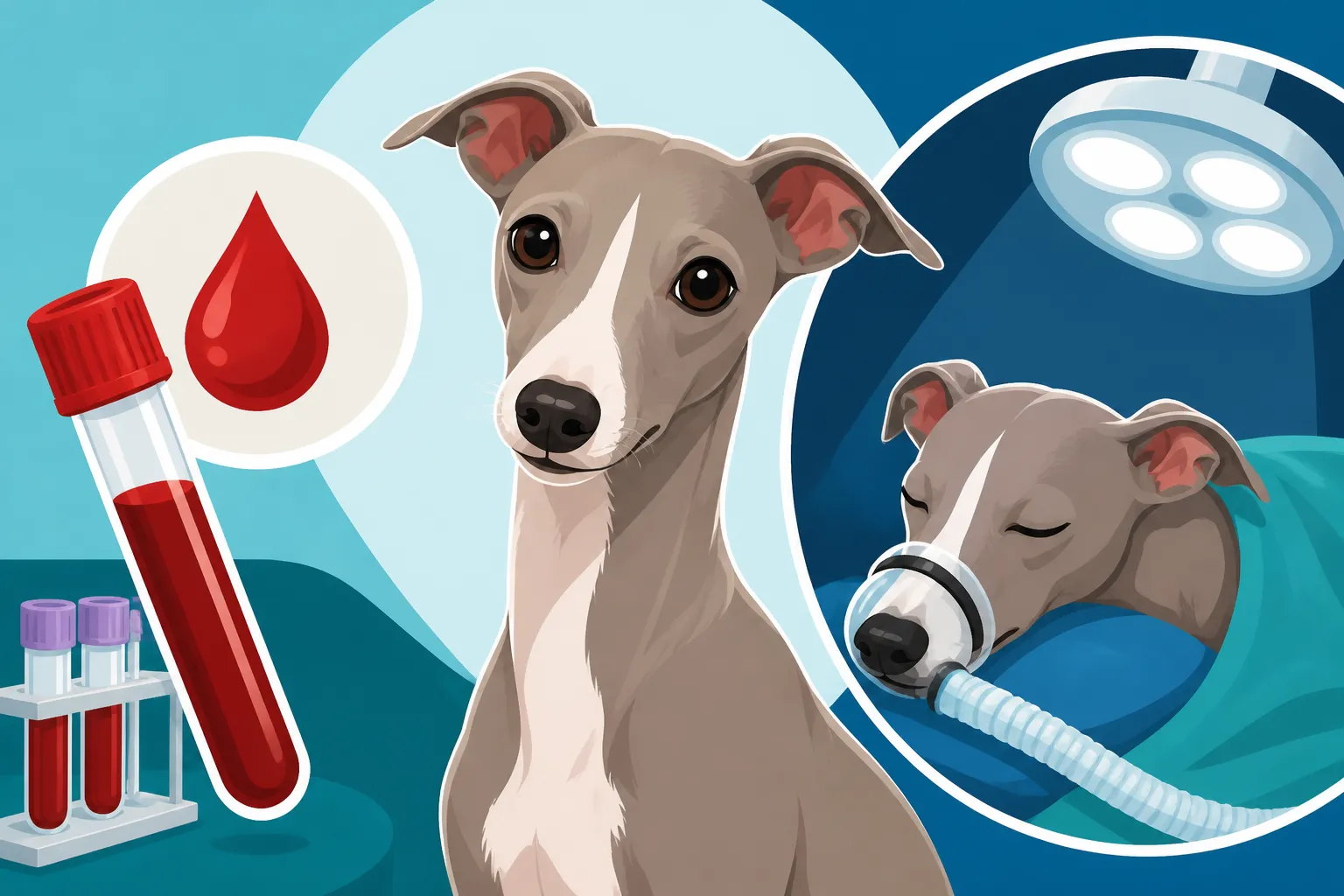
The thought of your precious Italian Greyhound going under anesthesia for any procedure, even a routine dental cleaning or a spay/neuter, can be incredibly daunting. Many owners fret about the risks, wondering if their delicate companion will wake up safely. One of the most critical steps you can take to alleviate these worries and safeguard your Italian Greyhound's health is comprehensive pre-anesthetic bloodwork, offering a vital peek into their internal well-being before sedation.
Why Pre-Anesthetic Bloodwork is Non-Negotiable for Italian Greyhounds
It's completely normal to feel a knot in your stomach when your vet discusses anesthesia for your Italian Greyhound. These beautiful, slender dogs, with their minimal body fat and unique physiology, can react differently to sedatives and anesthetic agents compared to other breeds. This isn't just a general concern for all dogs; it's especially pertinent for Iggies, who are known for their sensitivity. Pre-anesthetic bloodwork isn't just a suggestion; it’s an absolutely essential diagnostic tool that acts as a safety net, revealing potential hidden health issues that could turn a routine procedure into a life-threatening emergency.
Unmasking Hidden Health Conditions
Your Italian Greyhound might seem perfectly healthy on the outside, full of boundless energy and cuddling up close whenever possible. However, many significant health problems, particularly those affecting vital organs like the liver and kidneys, can be completely asymptomatic in their early stages. These conditions won't typically show up during a regular physical exam. Imagine your vet performing a standard check-up, listening to your dog's heart, and declaring them fit, only for an underlying kidney issue to cause complications during anesthesia because their body can't properly metabolize the drugs. That's a terrifying scenario no one wants to face.
Bloodwork provides an internal snapshot, identifying these "silent killers" before they become a crisis. For example, if your Italian Greyhound has early Kidney Disease in an Old Italian Greyhound, which might not show symptoms until it's quite advanced, the blood tests can flag elevated kidney values. Knowing this beforehand allows your vet to adjust the anesthetic protocol, use different drugs, or even postpone the procedure until the issue can be managed or further investigated. This proactive approach is invaluable, especially for a breed like ours where every precaution feels necessary.
Tailoring Anesthesia for Your Delicate Iggy
Italian Greyhounds are not built like a sturdy Labrador or a stocky Bulldog. Their lean body mass, delicate bone structure, and often thin skin mean that a "one-size-fits-all" approach to veterinary care simply doesn't cut it. This is particularly true when it comes to anesthesia. We know that Why an Italian Greyhound Carries Almost No Body Fat, which can affect how quickly they lose heat and how drugs are metabolized and eliminated from their system. These differences are why Why Anesthesia Is Handled Differently in an Italian Greyhound.
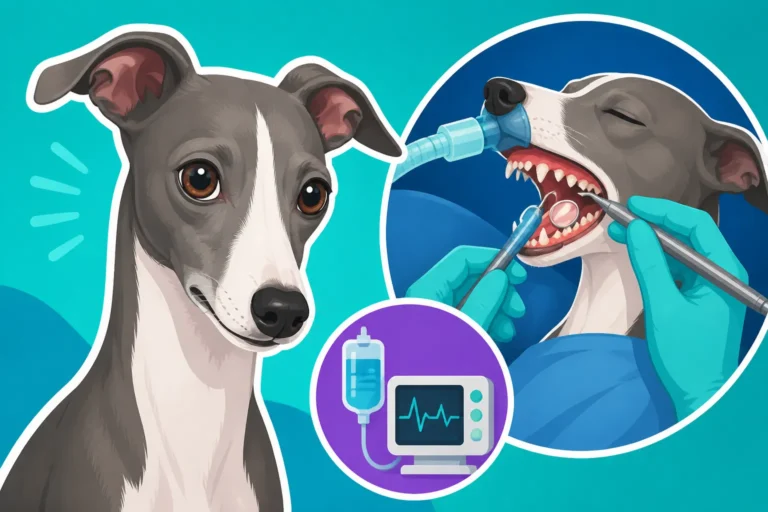
The results from pre-anesthetic bloodwork give your veterinarian crucial information to create a personalized anesthetic plan specifically for your dog. For instance, certain drugs are processed by the liver, while others are excreted by the kidneys. If bloodwork indicates a compromised liver or kidney function, your vet can select alternative anesthetic agents that are less taxing on those specific organs. They can also adjust dosages, administer intravenous fluids to support organ function, and closely monitor blood pressure and temperature throughout the procedure. This level of individualized care significantly reduces the risks associated with anesthesia and ensures your Italian Greyhound has the safest experience possible.
Delving Deeper: The Specific Panels and What They Reveal
When your vet talks about "pre-anesthetic bloodwork," they're typically referring to a combination of different tests, each designed to evaluate specific aspects of your Italian Greyhound's health. It’s not just one single test; it's a comprehensive suite that paints a detailed picture of their internal systems. Understanding what each part of the panel assesses can help you appreciate why every component is so vital for your Iggy's safety.
Complete Blood Count CBC
The Complete Blood Count, or CBC, is a foundational test that provides a wealth of information about your Italian Greyhound's overall health and their ability to respond to stress, infection, and even blood loss. Think of it as a look at the various cells circulating in their blood.
- Red Blood Cells: This part of the CBC measures the number of red blood cells, hemoglobin (the oxygen-carrying protein), and hematocrit (the percentage of red blood cells in the blood). Low levels could indicate anemia, which might be a concern if your Iggy needs surgery. An anemic dog might struggle with oxygen delivery during anesthesia, making it a higher risk. Conversely, unusually high levels could point to dehydration.
- White Blood Cells: The CBC also counts the different types of white blood cells, which are critical components of the immune system. Elevated white blood cell counts can signal an infection or inflammation that may not be obvious during a physical exam. If an infection is brewing, it's often safer to address it before an elective surgery, as the stress of anesthesia could exacerbate it. Low counts, while less common, could indicate a suppressed immune system, making your Iggy more vulnerable.
- Platelets: These tiny cells are essential for blood clotting. A low platelet count could mean your Italian Greyhound is at a higher risk of excessive bleeding during surgery or slow clotting afterward. Knowing this ahead of time allows the surgical team to be prepared for potential clotting issues and take extra precautions to minimize blood loss.
Chemistry Panel
The chemistry panel is another cornerstone of pre-anesthetic bloodwork, providing insights into organ function and metabolic health. This panel typically includes tests for liver enzymes, kidney values, blood glucose, and electrolytes.
- Liver Enzymes (ALT, ALP, Bilirubin): The liver is a powerhouse organ responsible for metabolizing drugs, producing proteins, and filtering toxins. Elevated liver enzymes can indicate liver damage or disease. If your Iggy's liver isn't functioning optimally, it could struggle to process anesthetic drugs, leading to prolonged recovery times or even toxicity. Catching these issues early is crucial, especially since Italian Greyhounds can be sensitive to various medications.
- Kidney Values (BUN, Creatinine, Phosphorus): The kidneys are vital for filtering waste products from the blood and maintaining fluid balance. High BUN (Blood Urea Nitrogen) and creatinine levels suggest that the kidneys might not be filtering efficiently. Anesthetic drugs can temporarily reduce blood flow to the kidneys, and if their function is already compromised, this can lead to serious complications or even acute kidney failure post-anesthesia. Early detection can mean adjusting fluids or medication to protect these vital organs. We certainly want to avoid complications that could lead to The Age an Italian Greyhound Is Considered Senior prematurely.
- Blood Glucose (Sugar): This test measures your dog's blood sugar levels. Abnormally high or low glucose levels can indicate conditions like diabetes or other metabolic disturbances. Anesthesia can affect blood sugar, and having a baseline helps the vet maintain stable levels throughout the procedure, preventing further complications.
- Electrolytes (Sodium, Potassium, Chloride): These minerals are essential for nerve and muscle function, as well as maintaining proper hydration. Imbalances can affect heart rhythm and overall physiological stability, which is incredibly important during anesthesia. For instance, a severe potassium imbalance could predispose your Iggy to arrhythmias under sedation.
- Protein Levels (Total Protein, Albumin, Globulin): These reflect your dog's hydration status, nutritional state, and the presence of inflammation or certain diseases. Albumin, in particular, helps carry drugs through the bloodstream, so low levels can affect drug distribution and efficacy.
Other Optional Tests
Depending on your Italian Greyhound's age, breed-specific risks, and overall health, your vet might recommend additional tests. For example, if your Iggy is older, a thyroid panel might be included, as Hypothyroidism in an Italian Greyhound can affect metabolic rate and how they react to drugs. A urinalysis can also provide complementary information about kidney function and screen for urinary tract infections. For some, especially older Italian Greyhounds, an ECG might be recommended if there are concerns about a The Heart Murmur an Old Italian Greyhound Develops.
Interpreting the Findings: What Your Vet Looks For and What Comes Next
Receiving the bloodwork results can be a little intimidating, but your veterinarian is there to walk you through it. They aren't just looking for values that are "in range"; they're looking at the complete picture and how each parameter might impact the safety of your Italian Greyhound under anesthesia. Understanding the common red flags and what action your vet might take can help you feel more informed and less anxious.
Identifying Red Flags and Their Significance
Your vet will carefully review each result, comparing it to the normal reference ranges. However, it's not always about a single value being slightly off. Often, it's the combination of results that tells the real story. For example, slightly elevated kidney values and signs of dehydration on the CBC might point to a need for aggressive IV fluid therapy before and during the procedure, or perhaps even a delay to rehydrate your Iggy properly.
Here's a simplified look at what certain abnormal results might signal and why they matter for anesthesia:
| Bloodwork Parameter | Potential Abnormality | Possible Indication | Anesthetic Implication |
|---|---|---|---|
| CBC | Low Red Blood Cells | Anemia, blood loss, chronic disease | Reduced oxygen-carrying capacity, increased risk during anesthesia |
| High White Blood Cells | Infection, inflammation, stress | Underlying illness that could worsen with anesthesia; delay may be needed | |
| Low Platelets | Clotting disorder, immune-mediated disease | Increased risk of bleeding during surgery | |
| Chemistry | High Liver Enzymes | Liver damage, drug toxicity, bile duct obstruction | Impaired drug metabolism, prolonged recovery, increased drug side effects |
| High Kidney Values | Kidney disease, dehydration | Impaired drug excretion, increased risk of kidney damage under anesthesia | |
| Abnormal Glucose | Diabetes, stress, liver disease | Anesthetic drugs can affect blood sugar; need for careful monitoring and adjustment | |
| Electrolyte Imbalance | Dehydration, kidney issues, hormonal problems | Can affect heart rhythm, nerve, and muscle function; critical for stability |
It's important to remember that a single abnormal value doesn't always mean catastrophe. Sometimes, it's a minor fluctuation due to stress or a recent meal. However, it’s your vet's job to discern if it's significant enough to warrant further investigation or a change in protocol. They might decide to re-run specific tests or recommend more specialized diagnostics.
Next Steps and Protocol Adjustments
If the pre-anesthetic bloodwork reveals any concerns, your vet will discuss the findings with you openly and honestly. Their primary goal is the safety of your Italian Greyhound. Depending on the severity and nature of the abnormality, several actions might be taken:
- Adjusting the Anesthetic Protocol: This is the most common response. Your vet might select different anesthetic drugs that are safer for your dog's specific condition (e.g., drugs metabolized less by the liver if liver enzymes are high), or alter the dosage. They might also recommend additional support during the procedure, such as specialized monitoring or IV fluid rates.
- Delaying or Postponing the Procedure: If a significant health issue is detected that poses a high risk, such as a serious infection or severe organ dysfunction, your vet might recommend delaying the elective procedure. This allows time to treat the underlying condition, stabilize your Iggy, and re-evaluate their health, ensuring they are in the best possible condition for anesthesia.
- Further Diagnostics: Sometimes, bloodwork might point to a problem but not definitively diagnose it. In such cases, your vet might recommend additional tests like an ultrasound of the liver or kidneys, a full urinalysis, or even a consultation with a specialist to get a clearer picture before proceeding with anesthesia.
- Informing You of the Risks: In some situations, postponing or further investigating might not be an option, or the risks might be manageable but still present. Your vet will then clearly explain the increased risks involved and allow you to make an informed decision, ensuring you understand the potential challenges. This transparency is crucial for your peace of mind.
Ultimately, pre-anesthetic bloodwork empowers your veterinary team to make the most informed decisions, providing the safest possible experience for your beloved Italian Greyhound.
Beyond the Numbers: The Broader Benefits and Financial Considerations
While the primary benefit of pre-anesthetic bloodwork is undeniably the enhanced safety for your Italian Greyhound, the advantages extend far beyond just the immediate procedure. It's an investment in their long-term health and your peace of mind, even considering the financial aspect, which is a common concern for pet owners.
Peace of Mind and Long-Term Health Insights
For many Italian Greyhound owners, the greatest value of pre-anesthetic bloodwork isn't just about preventing a crisis; it's about the profound peace of mind it offers. Knowing that every precaution has been taken, and that your vet has a full understanding of your Iggy's internal health, can significantly reduce the anxiety leading up to a procedure. It's truly a gift to be able to entrust your dog to the veterinary team with confidence, knowing they're making the safest choices based on comprehensive data.
Beyond the immediate anesthesia, these tests also provide invaluable baseline data for your Italian Greyhound's overall health. This information becomes part of their permanent medical record, allowing your vet to track changes over time. If future health issues arise, having these baseline numbers can help detect trends or subtle shifts much earlier. For instance, if years later your Iggy starts showing signs of illness, comparing new bloodwork to these older "healthy" results can provide crucial diagnostic clues. This proactive health management can lead to earlier interventions and better long-term outcomes, potentially extending Why an Italian Greyhound Lives Fourteen to Fifteen Years.
Addressing the Cost of Pre-Anesthetic Bloodwork
It's no secret that veterinary care can be expensive, and adding pre-anesthetic bloodwork to the bill might make some owners hesitate. We've all been there, staring at a vet estimate and calculating the costs. However, it's vital to view this as a crucial investment in preventing potentially far more costly and heartbreaking complications down the line. The cost of a few blood tests pales in comparison to the expense of treating an emergency during or after anesthesia, which could involve extended hospital stays, specialized treatments, or even referral to an emergency veterinary hospital.
Consider this: the average cost for pre-anesthetic bloodwork can range from $100 to $300, depending on the clinic, the comprehensiveness of the panel, and your geographic location. In contrast, an emergency complication during anesthesia, such as kidney failure or a severe allergic reaction, could easily escalate into thousands of dollars in emergency care, not to mention the emotional toll. Knowing What an Italian Greyhound's Emergency Vet Visit Costs can be a rude awakening, and these unexpected complications are precisely what pre-anesthetic bloodwork aims to avoid.
Many pet insurance providers, such as Healthy Paws, recognize the importance of these preventative diagnostics and often cover pre-anesthetic bloodwork as part of their accident and illness policies. It's always a good idea to check with your specific insurance provider about what What Pet Insurance Actually Covers on an Italian Greyhound to understand your coverage. Proactive measures like this are often seen as part of responsible pet ownership, and insurance companies encourage them because they can prevent larger claims later. If you don't have pet insurance, discuss payment options with your vet clinic, as some offer payment plans or accept credit services like CareCredit.
Ultimately, the small upfront cost of bloodwork is a small price to pay for the peace of mind and the assurance that your Italian Greyhound is as safe as possible during an anesthetic procedure. It's a testament to how much we love and want to protect our delicate companions.
Final Considerations for Anesthetic Procedures
Beyond bloodwork, there are other important aspects to consider when your Italian Greyhound undergoes anesthesia. These factors contribute to their overall safety and recovery, reinforcing that it's a multi-faceted process requiring careful attention.
Temperature Regulation During and After Anesthesia
Italian Greyhounds, with their minimal body fat and short coats, are particularly susceptible to hypothermia, which is a dangerous drop in body temperature. This is a significant concern during anesthesia, as anesthetic drugs can impair the body's ability to regulate temperature. A cold Italian Greyhound will take much longer to recover from anesthesia, and severe hypothermia can lead to serious complications. Therefore, Warming an Italian Greyhound Through Surgery is a critical part of the anesthetic protocol.
Your veterinary team should employ various methods to keep your Iggy warm, such as heated surgical tables, forced-air warming blankets, and IV fluid warmers. Post-surgery, they should continue to monitor and support your dog's temperature as they recover. At home, ensuring a warm, cozy recovery space with plenty of blankets is essential. This attention to thermal regulation, combined with insights from bloodwork, helps ensure a smoother, safer experience.
Post-Anesthetic Recovery and Monitoring
The period immediately following anesthesia is also critical. How Slowly an Italian Greyhound Wakes From Anesthesia can vary, but their delicate nature means they need close observation. Your vet team will monitor their vital signs, pain levels, and overall recovery from the moment the anesthesia is reversed until they are fully awake and alert.
When you bring your Italian Greyhound home, they might still be a bit groggy or disoriented. It's normal for them to be sleepy, maybe a little wobbly, and even have a decreased appetite for the first 24 hours. Your vet will provide specific post-operative instructions, including medication schedules, activity restrictions, and signs to watch for that might indicate a complication. Adhering to these instructions carefully is paramount for a smooth recovery. If you notice anything unusual, like excessive lethargy, vomiting, or difficulty breathing, don't hesitate to contact your vet immediately.
Discussing Sedatives and Breed Sensitivities
It's also worth having an open conversation with your veterinarian about the specific sedatives and anesthetic agents they plan to use. While pre-anesthetic bloodwork helps tailor the protocol, understanding Which Sedatives an Italian Greyhound Should Not Be Given can empower you as an advocate for your pet. Certain sighthound breeds, including Italian Greyhounds, can be more sensitive to particular drugs, particularly those that are metabolized slowly or remain in their system longer due to their lean body mass.
For instance, some anesthetics that are stored in fat (like thiopental) can have prolonged effects in Iggies because they simply don't have much fat to store them in. This is why many vets experienced with sighthounds opt for quickly metabolized injectable anesthetics or gas anesthetics. Being informed and having an open dialogue with your veterinary team ensures that every possible step is taken to mitigate risks, from initial bloodwork to the choice of drugs and diligent post-operative care.
Disclaimer
This article is intended for informational purposes only and does not constitute veterinary advice. Always consult with a qualified veterinarian for any health concerns or before making any decisions about your pet's medical care.