Whether an Italian Greyhound Mix Lives as Long
It’s a truly understandable question that many prospective Italian Greyhound owners grapple with: if you choose a mix, will you get the same wonderful, long-lived companion, or are you somehow short-changing your time with them? The truth is, the lifespan of an Italian Greyhound mix isn't as straightforward as that of a purebred, and there are several nuanced factors that come into play, which we’ll explore in detail here.
Understanding the Italian Greyhound Lifespan Baseline
Before we dive into mixes, let’s establish what we typically expect from a purebred Italian Greyhound. These elegant, delicate little dogs are known for being relatively long-lived, especially compared to many other breeds. Generally, a well-cared-for purebred Italian Greyhound can live a wonderfully full life, often reaching Why an Italian Greyhound Lives Fourteen to Fifteen Years. This impressive longevity is one of the many reasons they are such cherished companions, allowing families many years of joy and connection.
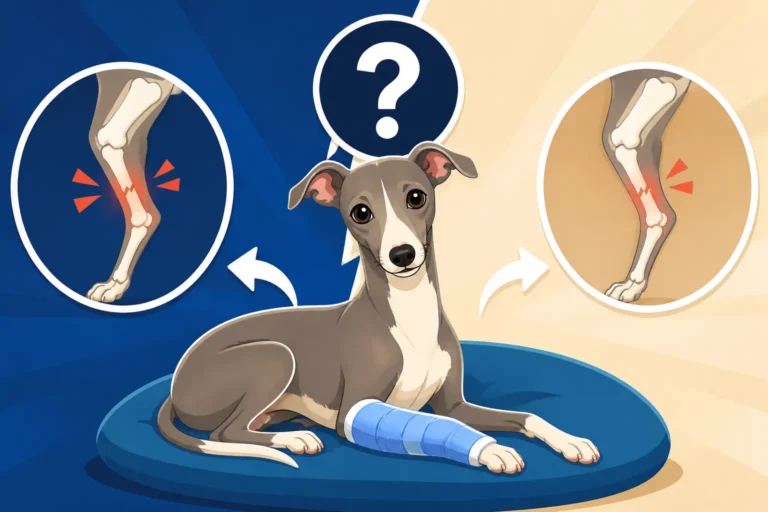
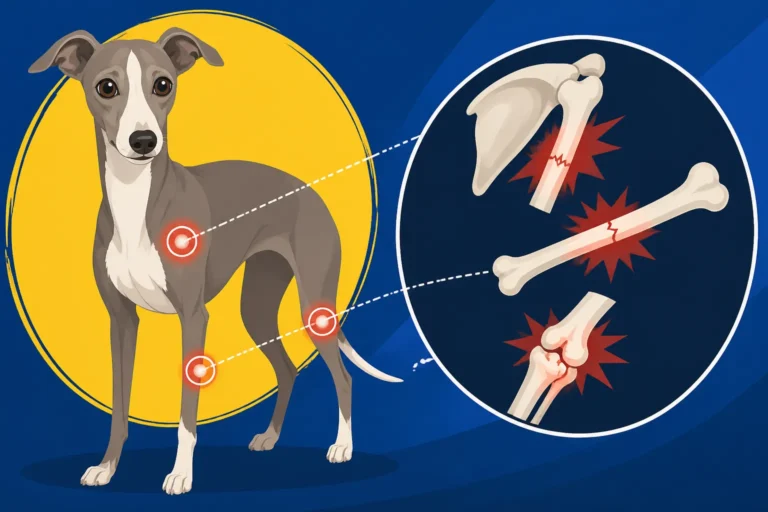
However, even purebred Italian Greyhounds aren't without their health quirks, which can, if left unaddressed, impact their overall lifespan. They are famously prone to dental issues, with Periodontal Disease Is the Italian Greyhound's Most Common Diagnosis being a common challenge that requires diligent care and can lead to more serious systemic health problems if ignored. Their fine, fragile bones also mean that A Broken Leg Is the Emergency Every Italian Greyhound Owner Fears, and while not directly life-threatening in most cases, the recovery process and potential for complications can be stressful and costly. Responsible breeders work hard to mitigate inherited health issues by conducting appropriate screenings, which contribute significantly to the breed's general good health.
So, when we talk about a purebred Italian Greyhound's lifespan, we're talking about a sweet spot of 14 to 15 years, underpinned by good genetics, excellent preventative care, and a watchful owner aware of their breed-specific vulnerabilities. This becomes our benchmark when considering what a mix might offer in terms of longevity.
The Hybrid Vigor Debate and Italian Greyhound Mixes
Ah, the concept of "hybrid vigor"—it's a term thrown around quite a bit when discussing mixed-breed dogs, and it warrants a closer look, especially concerning a breed as unique as the Italian Greyhound. Hybrid vigor, or heterosis, is the idea that the offspring of two genetically distinct parents often show improved function and health compared to either parent breed. The theory is that by mixing two different gene pools, you reduce the likelihood of inheriting recessive genes for specific health conditions that might be prevalent in a single purebred line due to generations of selective breeding within a relatively closed gene pool.
For an Italian Greyhound mix, this could mean a diluted risk for some of the common purebred Italian Greyhound ailments. For example, if an Italian Greyhound is bred with a breed known for stronger bones, the offspring might theoretically have a reduced chance of experiencing Why an Italian Greyhound's Leg Bones Break So Easily. Similarly, if the other breed has a less crowded mouth, the mix might be less prone to the severe dental crowding that leads to issues like Why an Italian Greyhound's Muzzle Cannot Hold Its Teeth.
However, it's really important to understand that hybrid vigor is not a magic bullet. It doesn't guarantee a healthier, longer-lived dog. The effectiveness of hybrid vigor largely depends on the health and genetic diversity of the parent breeds. If one or both parent dogs carry genetic predispositions to serious illnesses, those could still be passed on. Furthermore, "hybrid vigor" mainly acts by reducing the expression of recessive genetic conditions. It doesn't mean the dog will avoid all health problems; it simply reduces the concentration of specific breed-related genetic risks. So, while an Italian Greyhound mix might sidestep some of the specific genetic landmines of the purebred, they could still inherit a whole new set of potential issues from the other side of their family tree.
How the Other Breed Influences Lifespan
When you bring an Italian Greyhound mix into your life, you're essentially getting a blended package of genetics, and the "other half" of that mix plays an enormous role in determining potential lifespan. This isn't just about combining good genes; it's about understanding the inherent characteristics and typical lifespans of the breeds involved.
Size Matters: The General Rule
One of the most significant factors is size. It's a widely observed trend in the canine world that smaller dog breeds tend to live longer than larger breeds. A tiny Chihuahua might live 15-20 years, while a massive Great Dane often struggles to reach 8-10. An Italian Greyhound, being a small toy breed, falls into that longer-lifespan category.
So, if your Italian Greyhound is mixed with another small breed, like a Poodle, Chihuahua, or even a smaller Terrier, the combined genetics might still lean towards a relatively long lifespan. You might still expect them to live well into their teens. However, if the Italian Greyhound is mixed with a medium or large breed, even if that breed is generally healthy, the mix might inherit genes that predispose them to a shorter overall lifespan simply due to their projected adult size. A mix with a Labrador Retriever, for example, while potentially hardier in some ways, would likely have a shorter life expectancy than a purebred Italian Greyhound because the Labrador's average lifespan is typically much less.
Breed-Specific Health Issues from the Other Parent
Beyond size, you also need to consider the specific health predispositions of the other breed in the mix. While hybrid vigor can dilute some genetic risks, it doesn't erase them entirely. If an Italian Greyhound is mixed with a breed known for severe hip dysplasia, certain cancers, or heart conditions, the mix could potentially inherit those vulnerabilities. For instance, a mix with a breed prone to hip dysplasia might develop hip issues, even if Italian Greyhounds are not typically known for that problem.
This is where knowing the parentage of your mixed breed becomes incredibly valuable. If you're considering an Italian Greyhound mix, especially from a designer breeder, inquire about the health testing performed on both parents. A responsible breeder of any mix should still be performing health screenings relevant to both parent breeds. This foresight can help you anticipate potential health challenges and factor them into your dog's long-term care plan. Without this information, you're essentially taking a gamble on the genetic lottery, which can make it harder to predict the health and lifespan you can expect.
Maximizing the Lifespan of an Italian Greyhound Mix
Whether you have a purebred or an Italian Greyhound mix, your dedication to their care is truly the biggest factor in their longevity. While genetics lay the groundwork, lifestyle and preventative health measures build the skyscraper of a long, healthy life.
Preventative Veterinary Care and Early Detection
Routine veterinary care is paramount. This means regular check-ups, staying current on vaccinations, and consistent parasite prevention. For an Italian Greyhound mix, it's particularly important to discuss with your vet any health concerns that might arise from either parent breed. For example, if one parent was an Italian Greyhound, your vet will want to pay close attention to dental health and bone fragility. If the other parent was a breed known for cardiac issues, heart screenings might be recommended earlier than for a typical Italian Greyhound. Being proactive about these potential predispositions can catch issues early, often when they are more manageable.
It's wise to consider pet insurance from an early age for any dog, but especially for a mix where you might have fewer guarantees about their genetic predispositions. Companies like Healthy Paws can provide a financial safety net for unexpected illnesses or accidents, ensuring you don't have to make heartbreaking decisions based on cost when your beloved companion needs critical care. Investing in a good plan early on, before any pre-existing conditions develop, can make a world of difference in providing extensive, life-extending treatment down the line.
Nutrition, Exercise, and Weight Management
Just like us, a balanced diet and appropriate exercise are fundamental to a dog's health. For an Italian Greyhound mix, this means feeding high-quality food appropriate for their size, age, and activity level. Since Italian Greyhounds are naturally lean, it's crucial to monitor their weight, ensuring they don't become overweight, as extra pounds can stress joints and exacerbate certain health conditions. Even a few extra ounces on a small frame can have a significant impact.
Exercise needs will vary depending on the other breed in the mix. An Italian Greyhound typically enjoys bursts of speed followed by long naps, but if mixed with a more active breed, they might require more structured physical activity to stay healthy and happy. Regular walks, safe playtime, and mental stimulation will contribute to their physical well-being and help prevent behavioral issues that can also impact overall quality of life. Providing appropriate outlets for their energy and instincts is crucial.
Home Safety and Injury Prevention
For any dog with Italian Greyhound lineage, safety within the home is a huge consideration, particularly when it comes to preventing fractures. Their delicate bone structure, especially in their legs, means that even a seemingly innocuous jump off the sofa can lead to a severe injury. Many Italian Greyhound owners child-proof their homes, using ramps or steps for furniture, restricting access to high places, and being vigilant about sudden drops or rough play. This proactive approach to home safety can prevent costly and painful injuries that, while usually not fatal, can significantly impact a dog's long-term mobility and quality of life.
Even if your mix seems hardier due to the other breed, retaining some of these safety practices is a smart move. After all, preventing an injury is always better than treating one. Consider how your home environment caters to their physical needs, especially as they age and may become less agile.
Dental Care: A Lifelong Commitment
Given the propensity for dental issues in purebred Italian Greyhounds, it's highly likely that an Italian Greyhound mix will also require diligent dental care throughout their life. This isn't just about fresh breath; severe dental disease can lead to systemic infections, impacting the heart, kidneys, and liver, thereby shortening a dog's lifespan.
Daily tooth brushing with dog-specific toothpaste is the gold standard. Regular professional dental cleanings under anesthesia, as recommended by your vet, are also vital. While these procedures can be expensive, they are an investment in your dog's overall health and longevity. Having a robust pet insurance plan, such as one from Healthy Paws, can certainly help offset the costs of these routine but critical dental procedures, making it easier for you to provide the best possible care for your Italian Greyhound mix. Don't underestimate the impact of good oral hygiene on their overall health and how long an Italian Greyhound mix lives as long as they possibly can.
| Factor | Purebred Italian Greyhound | Italian Greyhound Mix |
|---|---|---|
| Typical Lifespan | 14-15 years | Highly variable, often 10-18 years |
| Genetic Health Risks | Predisposition to specific IG issues (e.g., dental, bone fragility, eye issues) | Hybrid vigor may reduce some breed-specific risks, but new risks from other breed introduced |
| Physical Delicacy | Very delicate bones, thin skin | Varies greatly; depends on the other breed's physical traits |
| Dental Predisposition | High likelihood of dental disease | Still common, can inherit crowded mouth from IG side |
| Temperament | Typically sensitive, velcro dog | Highly variable, blend of both breeds |
| Health Testing | Expected from reputable breeders | Should be done on both parent breeds by responsible breeders |
| Financial Preparedness | High costs for potential fractures/dentals | Potentially still high costs for diverse health issues; pet insurance like Healthy Paws highly recommended |
Ultimately, while the genetic lottery of a mix can sometimes provide a boost in overall hardiness (the fabled hybrid vigor!), the lifespan of an Italian Greyhound mix is a wonderfully unpredictable journey. It hinges less on the "mix" aspect and more on the specific breeds involved, the individual health of the parent dogs, and, most critically, the dedicated, loving care you provide throughout their years. Just like any cherished pet, your commitment to their health, safety, and well-being will be the most defining factor in how long and how happily they share your life.
Disclaimer
This article is for general informational purposes only and does not constitute professional advice. Laws, prices and regulations vary by location and change over time. Consult a qualified professional for guidance on your specific situation.