What an Italian Greyhound Costs to Buy in 2026
Bringing an Italian Greyhound into your life is an incredibly exciting prospect, but if you’re only looking at the initial price tag, you're only seeing a fraction of the financial commitment involved. Many prospective owners get caught off guard by the sheer volume of upfront costs and ongoing expenses that come with one of these delicate, high-energy, and often particular little sighthounds. This comprehensive guide will walk you through all the initial costs associated with buying and setting up for an Italian Greyhound, from the purchase price to the essential supplies and initial veterinary care, helping you budget realistically and prepare for a rewarding life with your new companion.
The Initial Investment: Understanding the Purchase Price
The very first cost you'll encounter is, of course, the price of the Italian Greyhound itself. This figure isn't just a number; it reflects a multitude of factors, including the breeder's reputation, the puppy's lineage, geographical location, and the care invested before your new family member even comes home. It's crucial to understand what goes into this price, so you can make an informed decision and avoid potential pitfalls.
Reputable Breeder vs. Backyard Breeder Costs
When you're searching for an Italian Greyhound puppy, you'll likely see a range of prices. A reputable breeder, one who actively shows their dogs, conducts extensive health testing, provides excellent care, and offers lifelong support, will naturally have a higher price point than a backyard breeder or a puppy mill. This isn't them being greedy; it's a reflection of their significant investment in the health, temperament, and genetic quality of their puppies. They've spent years learning the breed, paying for health clearances on the parents (which can include expensive eye exams, patella checks, and even specific DNA tests), and providing top-notch nutrition and veterinary care for the mother and puppies. They also typically begin crucial early socialization.
On the other hand, a backyard breeder might offer puppies at a significantly lower cost. While this might seem appealing initially, it often comes with hidden, and potentially much higher, costs down the line. These breeders often skimp on health testing, leading to puppies with inherited conditions that could cost thousands in vet bills. They may not provide proper nutrition or early socialization, resulting in health issues or behavioral problems that require costly intervention. It’s a classic case of "you get what you pay for," and with a delicate breed like the Italian Greyhound, cutting corners can have devastating consequences for both your wallet and your heart. It's truly worth the wait and the higher initial cost to find a responsible breeder. You can learn more about finding a quality breeder in our article, Finding an Italian Greyhound Breeder Worth the Waitlist.
Adoption Fees from Rescue Organizations
Perhaps you're considering adopting an Italian Greyhound through a rescue organization. This is a wonderful option, and rescue groups dedicate themselves to rehoming dogs who need a second chance. The adoption fees are typically lower than purchasing from a reputable breeder, but they still represent a significant initial cost. These fees help cover the rescue's expenses, which include spay/neuter surgery, vaccinations, microchipping, deworming, any necessary medical treatments, and sometimes even professional training or behavioral rehabilitation.
Rescue fees vary depending on the age and health of the dog, as well as the specific organization. A younger, healthier Italian Greyhound might have a higher fee than an older dog or one with known medical issues, simply because the rescue has invested less in their care or is trying to make up for the costs of more intensive cases. While the upfront cost might be less than a breeder, it's important to remember that many rescue Iggies may come with unknown histories or pre-existing conditions that could lead to further expenses down the line. That's not to deter you, but to encourage preparedness. These dogs often have hearts of gold and are incredibly grateful for a loving home.
Factors Influencing the Purchase Price
Several factors can influence the purchase price of an Italian Greyhound.
First, the puppy's pedigree and potential for show or breeding will drive up the cost. A puppy from champion lines, or one deemed to have show potential, will command a premium. Most reputable breeders will sell "pet quality" puppies on a spay/neuter contract with limited registration, which will be less expensive than a puppy sold with full breeding rights. Second, location plays a role. Prices can vary significantly from one region to another, influenced by local demand and the cost of living for the breeder. Third, rare colors or markings can sometimes inflate prices, though a responsible breeder prioritizes health and temperament over trends. Be wary of breeders who advertise "rare" colors at exorbitant prices without proper health clearances, as these can sometimes be associated with genetic issues like Color Dilution Alopecia in a Blue Italian Greyhound. Lastly, the health testing performed on the parents significantly impacts the price. A breeder who has invested in screening for genetic conditions like Progressive Retinal Atrophy in an Italian Greyhound or Patellar Luxation in an Italian Greyhound is demonstrating a commitment to the breed's health, and this investment is reflected in the puppy's price.
Setting Up Their New Home: Essential Initial Supplies
Once you’ve factored in the purchase or adoption fee, your next financial consideration is outfitting your home for your new Italian Greyhound. These aren't just "nice-to-haves"; many of these items are crucial for their safety, comfort, and successful integration into your family. Thinking through these expenses beforehand will prevent last-minute rushes and unexpected drains on your budget.
Crates, Beds, and Cozy Havens
An Italian Greyhound, despite its small size, needs its own dedicated spaces. A crate is often a non-negotiable item, not just for housetraining and safe travel, but also as a secure den for your dog. For more information, check out What a Crate for an Italian Greyhound Costs. These elegant dogs love to burrow and be warm, so you'll want a soft, plush bed inside the crate, and perhaps another one or two strategically placed around the house. They will absolutely seek out warmth, so consider if a heated bed is in your budget, especially if you live in a colder climate or have drafty floors. Our guide, The Bedding a Thin Skinned Italian Greyhound Actually Needs, offers great insights here.
Italian Greyhounds are notoriously prone to cold due to their minimal body fat. Beyond a bed, you'll need an array of blankets for them to tunnel under. They will demand to be under the covers with you, but having their own stash around the house means they can stay warm and comfortable wherever they choose to nap. Look for soft, fleece, or faux fur options that can be easily washed. Think of these as essential comfort items, not luxuries, for a breed that struggles to maintain its body temperature.
Food, Water, and Feeding Accessories
Your Italian Greyhound will need appropriate food from day one. It's usually a good idea to continue feeding the food the breeder or rescue was using for at least a short period to avoid stomach upset during an already stressful transition. High-quality small-breed puppy food is essential for growth. While Italian Greyhounds are generally considered cheap to feed due to their size, the quality of food still matters immensely for their long-term health. Consider brands that prioritize real meat and healthy ingredients. You'll need food and water bowls – stainless steel or ceramic are often recommended for hygiene and durability. Some owners opt for elevated bowls to help with digestion, though this is less critical for smaller breeds.
Beyond the basics, you might consider treat pouches for training, and a variety of high-value training treats. Italian Greyhounds can be picky eaters at times, so having a few palatable options on hand for rewards or to entice them to eat can be helpful. Companies like Ollie offer fresh, human-grade food options that many discerning Iggies adore, which can be great for ensuring they get vital nutrients without turning up their noses. For a deeper dive into their dietary needs, check out Feeding an Italian Greyhound That Carries Seventeen Percent Body Fat.
Collars, Harnesses, and Leashes
An Italian Greyhound needs proper walking gear for safety, especially given their incredible speed and strong prey drive. A standard flat collar often isn't secure enough for their delicate necks and tendency to slip out. Many owners prefer a martingale collar which tightens gently when pulled, preventing escapes without choking. Even better, a well-fitting harness that distributes pressure across their chest rather than their throat is highly recommended. Look for harnesses designed for sighthounds, which often have a wider chest strap and a more secure fit.
You'll also need a sturdy, lightweight leash. A 4-6 foot leash is standard for daily walks. For training recall in a safe, enclosed area, a long line can be useful, but remember that Italian Greyhounds are sprinters who can disappear in seconds if given the chance. Our article, Why an Italian Greyhound Cannot Be Trusted Off Leash, Ever, explains this crucial point. Always have backup identification tags on their collar or harness, even if they are microchipped.
Toys and Enrichment
Italian Greyhounds, though sometimes perceived as delicate, do love to play! They need a variety of toys to keep their minds active and prevent boredom, which can sometimes lead to destructive behaviors. Think about different textures: soft squeaky toys, crinkly toys, puzzle toys that dispense treats, and durable chew toys (though be mindful of their delicate teeth). Rotate toys to keep things interesting.
Interactive toys are excellent for mental stimulation, especially for a breed that thrives on interaction. Consider enrichment feeders or snuffle mats to make meal times more engaging. While they aren't heavy chewers like some breeds, having appropriate outlets for their natural instincts is important. Remember, a bored Italian Greyhound is a mischievous Italian Greyhound!
Initial Veterinary Care and Health Precautions
Beyond the initial purchase, the health and well-being of your Italian Greyhound will require a significant financial commitment right from the start. These initial veterinary expenses are non-negotiable for a healthy puppy and lay the foundation for a long, happy life.
Puppy Vaccinations and Deworming
Bringing home a young Italian Greyhound means a series of initial vet visits for vaccinations and deworming. Puppies typically receive a series of core vaccinations (distemper, parvovirus, adenovirus, parainfluenza) starting at 6-8 weeks of age, with boosters given every 3-4 weeks until they are 16 weeks old. They will also need a rabies vaccination, usually given separately. Each of these visits incurs a consultation fee and the cost of the vaccines themselves.
Additionally, puppies are highly susceptible to internal parasites, so deworming is a standard part of their early veterinary care. This often involves multiple doses of deworming medication. Your vet may also recommend a fecal test to identify specific parasites. These routine but crucial medical interventions are essential to protect your Italian Greyhound puppy from common and potentially serious diseases. For a full breakdown, check out The Vaccination Schedule an Italian Greyhound Puppy Needs.
Initial Health Exam and Microchipping
Your very first visit to the veterinarian with your new Italian Greyhound will be for a comprehensive initial health exam. This is a critical step, usually required within a few days of bringing your puppy home, especially if you've purchased from a breeder who has a health guarantee clause. The vet will check your puppy's overall health, listen to their heart and lungs, examine their eyes, ears, and teeth, and palpate their joints to check for any early signs of issues. This exam confirms their general well-being and establishes a baseline for their health record.
During one of these early visits, your Italian Greyhound will likely also receive a microchip. This tiny, permanent form of identification is implanted under the skin between the shoulder blades and vastly increases the chances of your dog being returned to you if they ever get lost. Given an Italian Greyhound's propensity to bolt and their incredible speed, a microchip is a vital safety measure. While the chip itself is a one-time cost, remember to register it with your contact information, which sometimes involves a small additional fee or an annual renewal.
Spay/Neuter Surgery
Unless you've purchased a show or breeding prospect, your Italian Greyhound will need to be spayed or neutered. This is a significant surgical procedure and therefore a notable expense. The cost of spay/neuter surgery can vary widely based on your location and veterinary practice. Factors like pre-surgical bloodwork (highly recommended for Iggies due to their sensitivity to anesthesia), pain medication, and post-operative care can all add to the total.
It's vital to discuss the timing of this surgery with your veterinarian, especially for Italian Greyhounds. Some studies suggest waiting until growth plates have closed may be beneficial for bone health, which is a particular concern for this breed. However, there are also benefits to early spay/neuter in terms of preventing certain cancers and unwanted pregnancies. Understanding Why Neutering an Italian Greyhound Costs More Than the Quote can help you prepare for this important step.
Securing Their Future: Insurance and Safety Measures
Beyond the immediate costs, forward-thinking Italian Greyhound owners also budget for preventive measures that protect their dog's long-term health and safety. These might seem like optional extras, but for a breed as delicate and prone to certain health issues as the Italian Greyhound, they can quickly become essential.
Pet Insurance: A Financial Safety Net
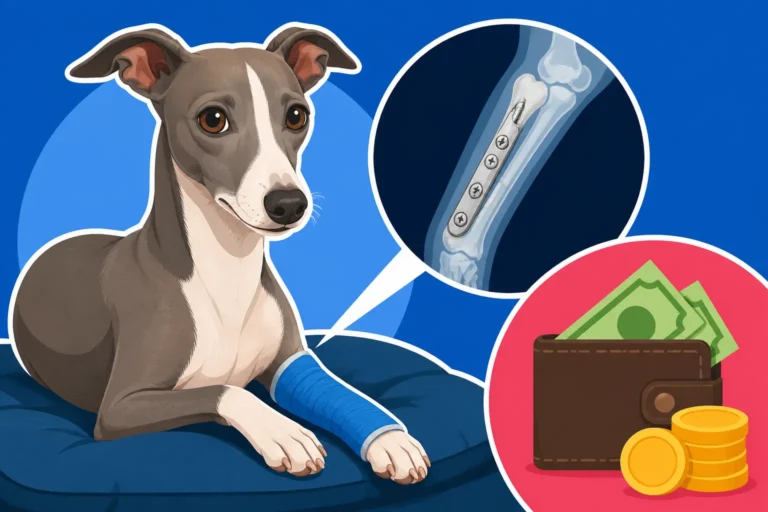
Considering pet insurance for an Italian Greyhound isn't just a good idea; it's practically a necessity. This breed is famously fragile, with extremely delicate bones that are prone to fractures. A Broken Leg Is the Emergency Every Italian Greyhound Owner Fears, and the cost of repairing such an injury can be astronomical. Pet insurance can provide a crucial financial safety net, helping to cover unexpected veterinary bills for accidents, illnesses, and sometimes even routine care.
It's important to research different insurance providers and plans carefully. Look for plans that cover accidents and illnesses, and understand any deductibles, reimbursement percentages, and annual limits. Some plans, like those offered by Healthy Paws, allow you to choose your deductible and reimbursement percentage, giving you flexibility. Enrolling your Italian Greyhound when they are young and healthy is often the best strategy, as most policies have waiting periods and pre-existing conditions are typically not covered. Our article, What Pet Insurance Actually Covers on an Italian Greyhound, delves into this topic in depth.
Ramps, Steps, and Non-Slip Flooring
One of the most important investments you can make for an Italian Greyhound is in preventing injuries, especially broken legs. Their slender, fragile bones mean that even a seemingly innocuous jump from a sofa or bed can result in a serious fracture. Installing ramps or steps to allow safe access to furniture is highly recommended. These can range from simple wooden ramps to upholstered steps, and their cost varies accordingly. Having multiple ramps or steps for all preferred lounging spots can add up, but it's a small price to pay compared to emergency surgery.
Similarly, Italian Greyhounds can struggle on slippery surfaces like hardwood or tile floors, especially when running or playing. Investing in non-slip rugs or runners in high-traffic areas can provide much-needed traction and reduce the risk of slips and falls that could lead to injury. Consider the areas where your Iggy will zoomie most often. While these costs are often overlooked, they are absolutely crucial for creating a safe environment. For more practical advice on prevention, see Ramps and Steps for an Italian Greyhound's Furniture.
Initial Training and Socialization Classes
Italian Greyhounds are intelligent but can also be sensitive and, at times, stubborn. Investing in positive reinforcement training classes early on is invaluable. Puppy classes teach basic obedience, good manners, and provide crucial socialization opportunities with other puppies and people. This helps build a well-adjusted dog and strengthens the bond between you and your Italian Greyhound. The cost of these classes varies by trainer and location, but consider it a foundational investment in their behavior.
Beyond basic obedience, Italian Greyhounds often benefit from specific guidance on housetraining, which can be particularly challenging for the breed. Our comprehensive guide, Housetraining an Italian Greyhound Is the Hardest Part of Owning One, illustrates the struggles many owners face. Sometimes, this might mean additional private sessions with a trainer, adding to the initial budget. Early socialization also means exposing them to a variety of sights, sounds, and experiences in a positive way, which can help them grow into confident adults.
Planning for Ongoing Care: Early Monthly Costs
While this guide focuses on the initial costs, it’s important to acknowledge that many of these initial setups lead into recurring monthly expenses. Being aware of these from the start will help you maintain a realistic budget.
Food and Treats
Once your Italian Greyhound is settled, the cost of their food and treats becomes a regular monthly expense. While Italian Greyhounds are small and don't eat as much as larger breeds, choosing a high-quality food is still important for their health. The cost will depend on the brand, type of food (kibble, wet, fresh, raw), and whether you purchase in bulk. Many owners find that online retailers like Chewy offer competitive prices and convenient delivery for their regular food orders.
Additionally, treats are a constant for training, enrichment, and just showing affection. Factor in the cost of healthy, small-sized treats that won't upset their delicate stomachs or contribute to weight gain. A healthy Italian Greyhound is a lean Italian Greyhound, as excess weight puts extra strain on their fragile bones. Our article, What an Italian Greyhound's Monthly Food Bill Runs, provides a closer look at these expenses.
Preventative Medications
Monthly or quarterly flea, tick, and heartworm prevention are essential ongoing health costs. These medications protect your Italian Greyhound from parasites that can cause serious illness, and they are typically prescribed by your veterinarian. The cost will depend on the brand and the weight of your dog, but it's a non-negotiable expense for their well-being.
Your vet will likely recommend a yearly heartworm test before prescribing heartworm medication, which is another routine but recurring veterinary cost. Staying on top of these preventative measures is far less expensive, and much better for your dog, than treating an infestation or a heartworm infection.
Grooming Supplies
While Italian Greyhounds are low-maintenance when it comes to grooming, you'll still have some recurring costs for basic supplies. This includes a soft shampoo suitable for their delicate skin, a soft brush or grooming mitt for weekly coat maintenance, and nail clippers or a Dremel for regular nail trims. Their nails grow quickly and need frequent attention to prevent discomfort and potential paw issues.
Don't forget dental care supplies. Brushing an Italian Greyhound's teeth every day is paramount for preventing the rampant dental disease common in the breed. This means regular purchases of canine-specific toothpaste and a small toothbrush. Neglecting this can lead to frequent, costly dental cleanings and extractions down the road. Our article, Brushing an Italian Greyhound's Teeth Every Day, details why this is so important.
Unforeseen and Lifestyle Costs
Even with careful planning, there are always those "extra" costs that pop up, or lifestyle choices that add to the overall expense of Italian Greyhound ownership. Being aware of these potential outlays helps manage your budget expectations.
Travel and Boarding Expenses
If you travel frequently, you’ll need to consider arrangements for your Italian Greyhound. Due to their delicate nature and strong attachment to their people, many Italian Greyhound owners prefer to use pet sitters who come to their home rather than traditional boarding kennels. Pet sitting, especially for a special-needs breed like an Iggy, can be more expensive than standard boarding but offers a more familiar and less stressful environment.
If you take your Italian Greyhound with you, consider the costs associated with travel, such as airline pet fees, specialized carriers, or additional pet-friendly accommodation expenses. These can quickly add up, especially for longer trips.
Wardrobe and Seasonal Gear
Italian Greyhounds are not just prone to cold; they often demand to be warm. This isn't a luxury for them; it's a physiological need. Expect to invest in a significant wardrobe for your Italian Greyhound. This includes sweaters for indoors in cooler weather, warm coats for outdoor walks in fall and winter, and perhaps even pajamas for chilly nights. Because of their unique physique, off-the-rack clothing often doesn't fit well, meaning you might need to invest in specialized sighthound apparel or custom-made items.
In colder climates, boots might be necessary to protect their delicate paws from ice, snow, and salt. In sunny climates, some owners even use light, breathable coats or sunscreen for protection against sunburn due to their fine coats and light skin. The cost of keeping an Italian Greyhound comfortably dressed can easily become a significant recurring expense, as discussed in What an Italian Greyhound's Wardrobe Costs a Year.
Emergency Fund or Unexpected Vet Bills
Even with the best pet insurance, an emergency fund is crucial for Italian Greyhound owners. Insurance often has deductibles and might not cover everything, especially if something is deemed a pre-existing condition. Given their fragility, an Italian Greyhound can have an unexpected accident at any time. A sudden fracture, a dental emergency, or an unforeseen illness can result in thousands of dollars in veterinary bills.
Having a dedicated savings account or a line of credit set aside specifically for pet emergencies can provide immense peace of mind. While we hope you never need to use it, being prepared for the worst-case scenario is a hallmark of responsible Italian Greyhound ownership.
A Realistic Look at Lifetime Costs
When you combine all these initial costs with the ongoing expenses over an Italian Greyhound's lifespan, the total investment is substantial. These dogs typically live a good long time, often 14 to 15 years, which means a long commitment.
Why an Italian Greyhound Is Not a "Cheap" Dog
Despite their small size and relatively low food intake, an Italian Greyhound is far from a "cheap" dog to own. The combination of their delicate physical structure, their susceptibility to certain breed-specific health issues (especially dental disease and fractures), and their need for warmth and specialized care means they often incur higher vet bills and require more specialized equipment than many other small breeds.
When you budget for an Italian Greyhound, it's essential to look beyond the cute puppy face and consider the full scope of their needs. The saying "pay now or pay later" rings particularly true for this breed. Investing in a reputable breeder, quality food, preventive care, and a safe home environment upfront can mitigate some of the most expensive issues later on, but the potential for high emergency costs always remains.
Table of Estimated Initial Costs (One-Time & First Month)
Here's a breakdown of common initial expenses you might encounter when bringing home an Italian Greyhound. Please remember these are general estimates and actual costs will vary based on your location, chosen products, and veterinary fees.
| Item Category | Specific Items | Typical One-Time Cost Range (Estimate) | Typical First Month Recurring Cost Range (Estimate) |
|---|---|---|---|
| Initial Acquisition | Reputable Breeder Puppy / Rescue Adoption Fee | Varies by source (High to Moderate) | N/A |
| Vet & Medical | Initial Health Exam | Low | N/A |
| First Round of Puppy Vaccinations | Low to Moderate | N/A | |
| Deworming | Low | N/A | |
| Microchipping | Low | N/A | |
| Spay/Neuter Surgery (if applicable early) | Moderate to High | N/A | |
| Supplies | Crate (appropriate size) | Moderate | N/A |
| Dog Bed(s) & Blankets | Moderate | N/A | |
| Food & Water Bowls | Low | N/A | |
| Martingale Collar / Harness & Leash | Low to Moderate | N/A | |
| ID Tags | Low | N/A | |
| Toys & Chew Items | Low to Moderate | N/A | |
| Grooming Supplies (Shampoo, Brush, Nail Clippers/Dremel, Toothbrush, Toothpaste) | Low | N/A | |
| Safety & Home Prep | Ramps/Steps for Furniture (per item) | Low to Moderate | N/A |
| Non-Slip Rugs/Runners | Moderate | N/A | |
| Puppy Gates | Low | N/A | |
| Preventative & Training | Pet Insurance (first month premium) | N/A | Low to Moderate |
| Flea, Tick, Heartworm Prevention (first dose) | N/A | Low | |
| Puppy Training Classes | Moderate | N/A | |
| Estimated Totals | Significant upfront investment | Ongoing but manageable monthly costs |
This table provides a glimpse into the financial journey, illustrating that the purchase price is merely the entry fee into a rewarding but financially involved relationship. Understanding What an Italian Greyhound Costs Over Fifteen Years will give you an even broader perspective.
The Value of Preparedness
Ultimately, the cost of an Italian Greyhound isn't just about money; it's about the investment of time, love, and emotional energy. Being financially prepared from the outset means you can provide the best possible care for your delicate companion without added stress during emergencies. It means you can choose quality over cost-cutting, whether it's for their food, their vet care, or their cozy sweaters.
Italian Greyhounds are truly unique dogs, full of charm, affection, and goofy antics. They bring immense joy to their families, but they also bring a unique set of care requirements. Approaching ownership with a clear understanding of the financial commitment allows you to focus on the wonderful bond you'll build, rather than worrying about unexpected bills.
Disclaimer
This article is for general informational purposes only and does not constitute professional advice. Laws, prices and regulations vary by location and change over time. Consult a qualified professional for guidance on your specific situation.