What Amputation Costs on an Italian Greyhound
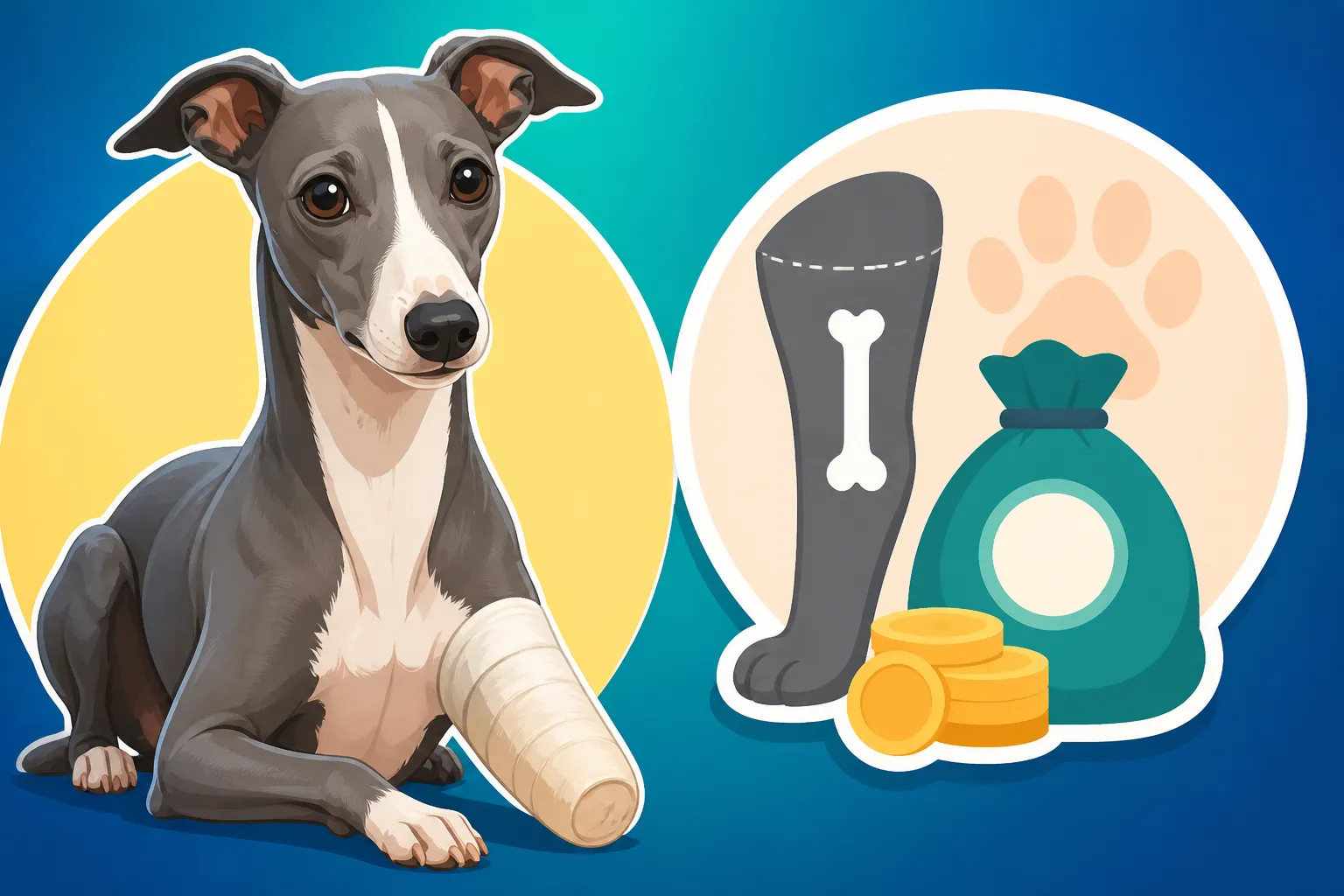
Facing the possibility of amputation for your beloved Italian Greyhound is a truly harrowing experience. It's a decision fraught with immense emotional weight, and on top of that, the financial implications can feel overwhelming, adding another layer of stress to an already heartbreaking situation. You're not just worrying about your dog's immediate health and future quality of life, but also grappling with the looming question of how you'll manage the costs involved. This guide is here to walk you through what to expect regarding the expenses associated with amputation for an Italian Greyhound, helping you understand the financial landscape during a profoundly difficult time.
The Emotional and Financial Shock of Amputation
The thought of an Italian Greyhound losing a limb is enough to make any owner's heart sink. These delicate, graceful dogs are known for their speed and agility, and imagining them with three legs can be deeply upsetting. Yet, for some Iggies, amputation becomes the most compassionate, life-saving, or pain-relieving option available. It's a stark reality that sometimes, despite our best efforts, we have to make these difficult choices.
Why Amputation Becomes a Consideration for an Italian Greyhound
Italian Greyhounds, with their fine bones and slight build, are unfortunately prone to certain injuries that can be catastrophic. The most common culprit, of course, is a broken leg. While many fractures can be repaired, sometimes the damage is too severe, or the bone shatters in a way that makes successful repair unlikely or impossible. A Broken Leg Is the Emergency Every Italian Greyhound Owner Fears is a testament to how common these worries are. We might be talking about a complex, open fracture where the bone has pierced the skin, leading to severe contamination and infection risks. Or perhaps a fracture that occurred in an area with poor blood supply, hindering healing.
Beyond traumatic injuries, cancer can also necessitate amputation. Osteosarcoma, a aggressive bone cancer, is a devastating diagnosis that, while less common in Iggies than some larger breeds, can still occur. When localized to a limb, amputation is often the best course of action to remove the cancerous tissue and prevent further spread, offering the dog a chance at a pain-free life, even if shorter. In other rare cases, severe infections that don't respond to treatment, or congenital deformities, might lead a veterinarian to suggest this drastic but often life-saving measure. The decision-making process is never easy; it involves weighing the potential for a good quality of life on three legs against the pain and challenges of a damaged limb that cannot be saved.
Initial Veterinary Consultations and Diagnostics
When an Italian Greyhound suffers a severe injury or displays symptoms pointing towards a serious underlying issue, the first step is almost always an emergency visit to the vet. This initial visit alone can represent a significant cost. You're paying for immediate stabilization, pain management, and a thorough physical examination. The veterinarian will need to take X-rays to assess the extent of any bone damage. For complex cases, especially if cancer is suspected, more advanced imaging like a CT scan or MRI might be necessary to get a clearer picture of the soft tissues and internal structures, and to check for metastasis if cancer is a concern.
Blood tests are also crucial, not only to check overall health but particularly important for Italian Greyhounds who can be more sensitive to anesthesia. Why Anesthesia Is Handled Differently in an Italian Greyhound highlights this specific breed concern. These diagnostic procedures, along with initial pain medications and supportive care, represent the first wave of financial impact. If the initial vet determines the injury or condition is beyond their scope, they'll likely recommend a consultation with a specialist, such as a board-certified orthopedic surgeon or an oncologist. These specialist consultations come with their own fees, reflecting their advanced expertise and the time dedicated to discussing complex options and prognoses with you. The emotional toll during this diagnostic phase is immense, as you're waiting for answers and trying to process overwhelming information, all while the costs begin to mount.
Understanding the Components of Amputation Cost
Once the difficult decision for amputation is made, understanding the breakdown of the costs can help you feel a little more in control, even when everything else feels chaotic. It's not just a single fee for the surgery; it's a comprehensive package of medical services, both before and after the procedure.
The Surgical Procedure Itself
The core of the expense is, of course, the amputation surgery itself. Before your Italian Greyhound even enters the operating room, there will be pre-surgical bloodwork and screenings. These are vital for Iggies to ensure they are healthy enough for anesthesia and to identify any potential underlying conditions that could complicate the procedure. The vet will be looking closely at liver and kidney function, as well as blood clotting times.
The cost will then encompass the anesthesia itself, which, as mentioned, requires specialized protocols and careful monitoring for sighthounds due to their unique physiology and low body fat. Why an Italian Greyhound Carries Almost No Body Fat explains why this is a particular consideration for the breed. The actual surgery involves the surgeon's time and skill, the use of a sterile operating suite, and all the necessary surgical supplies, from scalpels to sutures. Often, surgical fees are bundled, but they account for the complexity of the procedure and the expertise of the veterinary team. During and after the surgery, your dog will receive comprehensive analgesia (pain relief) and likely antibiotics to prevent infection, all of which contribute to the overall bill. Depending on the limb, the procedure might involve different levels of complexity; for instance, a forelimb amputation might be more involved than a hindlimb. What Fracture Repair Costs on an Italian Greyhound gives some context to the general cost of complex orthopedic procedures for Iggies.
Post-Operative Care and Hospitalization
The surgery is only the beginning. The period immediately following amputation is critical for an Italian Greyhound's recovery and is another significant cost factor. After the procedure, your Ig will spend time in a recovery room, closely monitored by veterinary staff as they wake up from anesthesia. This vigilant observation is crucial to ensure their pain is managed effectively, their vital signs are stable, and there are no immediate complications.
Most Italian Greyhounds undergoing amputation will require an overnight stay, sometimes several nights, in the veterinary hospital. This hospitalization allows for continuous monitoring, regular administration of pain medication, and initial wound care. The staff will change bandages, check the incision site for signs of infection, and ensure your dog is comfortable and starting to mobilize. These hospital stays involve daily fees that cover nursing care, medications, food (if they are eating), and access to veterinary equipment. Once your Ig is ready to go home, you'll be sent with a regimen of medications, typically including oral pain relievers and antibiotics, along with instructions for at-home care, which might include specific wound care or activity restrictions. Follow-up appointments will be scheduled to check the incision, remove stitches or staples, and assess how your Italian Greyhound is adapting. Each of these visits adds to the total expense, ensuring a smooth and healthy recovery journey.
Long-Term Costs and Quality of Life Adjustments
An Italian Greyhound's journey doesn't end when the stitches come out. Amputation is a significant life change, and there are ongoing costs and adjustments to consider to ensure your tripod Ig enjoys a full and happy life.
Rehabilitation and Physical Therapy
One of the most valuable investments in your Italian Greyhound's post-amputation life is often rehabilitation and physical therapy. While Iggies are remarkably resilient, especially given their lighter build, learning to navigate on three legs takes effort and can put extra strain on their remaining limbs. A qualified veterinary physical therapist can guide you through exercises that build strength, improve balance, and prevent compensatory injuries. This might involve hydrotherapy (walking in water), therapeutic exercises, or even laser therapy to aid healing and reduce pain.
Initial therapy sessions might be frequent, perhaps once or twice a week, to establish a routine and strengthen core muscles. As your Ig adapts, sessions might become less frequent, or you might be given exercises to do at home. The cost per session can vary, but these therapies are essential for optimizing your dog's mobility and preventing secondary issues like arthritis in overworked joints. While it's an added expense, it dramatically improves their long-term comfort and athleticism. For many, it's a non-negotiable part of their Ig's recovery, helping them regain Whether an Italian Greyhound Regains Full Use of the Leg.
Adapting the Home Environment
Your home environment will likely need some adjustments to make life easier and safer for your three-legged Italian Greyhound. Small changes can make a huge difference. Ramps or steps can become essential to help your Ig access favorite furniture like the sofa or bed, preventing dangerous jumps that could injure their remaining limbs. Ramps and Steps for an Italian Greyhound's Furniture is a good resource for understanding these investments. Non-slip runners or rugs can be invaluable on hardwood or tile floors, giving them better traction and reducing the risk of slips and falls, which are even more precarious for a tripod dog.
Special orthopedic beds, possibly with extra padding, can provide superior comfort and support for their joints, which will be bearing more weight. You might also find yourself investing in supportive harnesses or slings for times when your Ig needs a little extra help, such as getting in and out of the car or navigating stairs, especially in the initial stages of recovery. Even something as simple as a cozy, warm blanket from a place like Chewy can make a huge difference in their comfort, which in turn aids their recovery and well-being. Long-term, you might also consider joint supplements, even if not directly related to the amputation, to support the health of the remaining load-bearing joints. These environmental adaptations are ongoing costs that contribute significantly to your Ig's long-term comfort and safety.
The Role of Pet Insurance and Financial Planning
When faced with a sudden, significant veterinary bill like an amputation, pet insurance can be a true lifesaver – if you have it in place before the incident. Policies like those offered by Healthy Paws typically cover a large percentage of accidental injuries and illnesses, including complex surgeries like amputation. However, it's absolutely crucial to understand the terms: pet insurance does not cover pre-existing conditions, and there's usually a waiting period before coverage kicks in. This means if your Italian Greyhound broke its leg and you then tried to get insurance, the fracture would be considered pre-existing.
If you have a policy, you'll typically pay your deductible first, and then the insurance company will reimburse you for a percentage of the remaining costs (e.g., 70-90%), up to your policy's annual limit. This can turn a five-figure bill into a much more manageable out-of-pocket expense. Without insurance, owners often look into veterinary payment plans, veterinary credit cards (which function like regular credit cards but with promotional financing options), or even fundraising through friends, family, or online platforms. It truly reinforces the importance of Budgeting for an Italian Greyhound's Broken Leg Before It Happens or any other major emergency. Even daily nutritious meals, like those from Ollie, can contribute to overall wellness, potentially reducing minor health issues that could otherwise add to vet visits. Ultimately, proactive financial planning, whether through insurance or a dedicated emergency fund, can drastically reduce the stress during such a challenging time.
Realities of Amputation for an Italian Greyhound
While the initial shock and the financial burden of amputation are immense, it’s important to remember that many Italian Greyhounds go on to live incredibly full, joyful lives on three legs. The realities of living with a tripod Ig are often more positive than initially imagined, provided you’re prepared for the adjustments.
Italian Greyhounds and Their Resilience
It’s truly amazing to witness the resilience of dogs, and Italian Greyhounds are no exception. Despite their reputation for fragility, these little sighthounds often adapt to three legs with surprising speed and grace. Their light body weight is a huge advantage here. Unlike heavier breeds that struggle significantly to compensate for a missing limb, an Italian Greyhound's slender frame means there's less overall weight to redistribute, making mobility on three legs often much easier. They quickly learn to balance, adjust their gait, and zoom around with enthusiasm.
Their inherent athleticism and desire to be active often drive their recovery. What might look like a disability to us is often just a new way of moving for them. The most important thing is to provide mental and emotional support, ensuring they feel loved, secure, and encouraged. Many owners find that their Iggies bounce back with a vibrant spirit, reminding us that dogs live in the present and adapt to their circumstances with remarkable courage. The true measure of a successful recovery isn't just physical healing, but also the dog's ongoing happiness and zest for life. This incredible adaptability is why, despite the significant costs, many owners agree that Whether an Italian Greyhound Is Worth the Vet Bills is a resounding yes.
Budgeting for the Unforeseen
The prospect of an amputation, both emotionally and financially, underscores a critical aspect of Italian Greyhound ownership: the need to budget for the unforeseen. While we never want to imagine our beloved pets facing such a severe medical crisis, having a financial safety net can make all the difference. An emergency fund specifically for veterinary care is invaluable. This isn't just for potential fractures or cancer, but for any unexpected illness or injury that might arise over their lifetime. Even routine care adds up over their lifespan; Fifteen Years of Owning an Italian Greyhound, Priced Out shows just how much.
Beyond an emergency fund, responsible ownership means considering all aspects of your Italian Greyhound’s care from the moment you bring them home. This includes not just the initial purchase price, but ongoing food costs (perhaps using a high-quality subscription service like Ollie for optimal nutrition), preventative care, annual check-ups, and the potential for these major medical events. The peace of mind that comes from knowing you can provide the best possible care, even in the worst circumstances, is priceless. It allows you to focus solely on your dog's well-being during a crisis, rather than being torn apart by financial stress. While amputation costs are significant, being prepared helps you navigate these challenges with confidence and ensures your Italian Greyhound receives the care they desperately need.
| Cost Component | Typical Financial Impact | Description |
|---|---|---|
| Initial Diagnostics | Moderate to High | Emergency vet visit, X-rays, bloodwork, pain medication, specialist consultations (orthopedic/oncology). May include advanced imaging like CT/MRI. |
| Surgical Procedure | Significant | Pre-surgical screenings, anesthesia (specialized for Iggies), surgeon's fees, operating room fees, surgical supplies, intra-operative medications. |
| Post-Operative Hospitalization | Moderate to High (per day) | Overnight stays for monitoring, pain management, wound care, bandage changes, antibiotics, take-home medications. Duration varies by individual dog and recovery. |
| Rehabilitation/Physical Therapy | Moderate (per session) | Initial intensive sessions (hydrotherapy, laser, exercises) becoming less frequent. Essential for strength, balance, and preventing secondary issues. |
| Home Modifications | Variable | Ramps, non-slip mats, orthopedic bedding, supportive harnesses. Costs depend on existing home setup and owner choices. |
| Ongoing Care & Monitoring | Low to Moderate (monthly) | Regular check-ups, potential joint supplements, specific diet if needed. Monitoring for comfort and long-term adaptation. |
Disclaimer
This article is for general informational purposes only and does not constitute professional advice. Laws, prices and regulations vary by location and change over time. Consult a qualified professional for guidance on your specific situation.