What Dental Disease Costs an Italian Greyhound Owner for Life
Many Italian Greyhound owners find themselves caught off guard by the sheer, relentless cost of maintaining their beloved dog's teeth. It’s not just an occasional vet bill; it’s a recurring, sometimes overwhelming, expense that can stretch throughout their entire lifespan. This guide will walk you through the real financial impact of dental disease, helping you understand what to expect and how to prepare for this significant aspect of Italian Greyhound ownership.
The Unseen Battle: Why Italian Greyhounds Face Unique Dental Challenges
Italian Greyhounds are adorable, delicate creatures, but their charming appearance hides a genetic predisposition to some serious dental woes. It's not just bad luck; their very anatomy sets them up for a lifetime of potential issues that can drain your wallet if you're not proactive. We're talking about more than just a little bad breath; we're talking about chronic pain, infections, and significant veterinary bills.
Crowding and Retained Baby Teeth: The Breed's Predisposition
One of the biggest factors in an Italian Greyhound's dental challenges is the size and shape of their mouth. They have these long, elegant muzzles, but inside, those jaws are often just a bit too small to properly accommodate all 42 adult teeth. It's like trying to fit a king-size mattress into a twin-sized frame – things get squeezed, overlapped, and generally don't line up the way they should. This crowding creates nooks and crannies where food particles and bacteria can easily hide, becoming perfect breeding grounds for plaque and tartar.
On top of that, many Italian Greyhounds struggle with retained baby teeth. Instead of the baby teeth falling out cleanly as the adult teeth erupt, they hang on, sometimes for months. This is particularly common with the canine teeth, giving your little IG what looks like a tiny vampire smile with two sets of fangs. When a baby tooth doesn't fall out, the adult tooth is forced to come in alongside it, often at an incorrect angle, worsening the crowding problem. These retained baby teeth also trap even more debris, accelerating the onset of dental disease. It's a double whammy that can lead to significant issues even in young dogs. Why an Italian Greyhound's Teeth Crowd is a common concern for many new owners, and it's something you'll want to address early.
The Rapid Progression of Tartar: A Constant Fight
If you've owned other breeds, you might be lulled into a false sense of security regarding dental care. With an Italian Greyhound, that complacency will quickly become very expensive. Their teeth aren't just crowded; they seem to accumulate tartar at an astonishing rate. It's not uncommon for an Italian Greyhound to show visible tartar buildup by the age of two, sometimes even younger. How Early Tartar Appears on an Italian Greyhound is often a shock to owners who thought they were doing everything right.
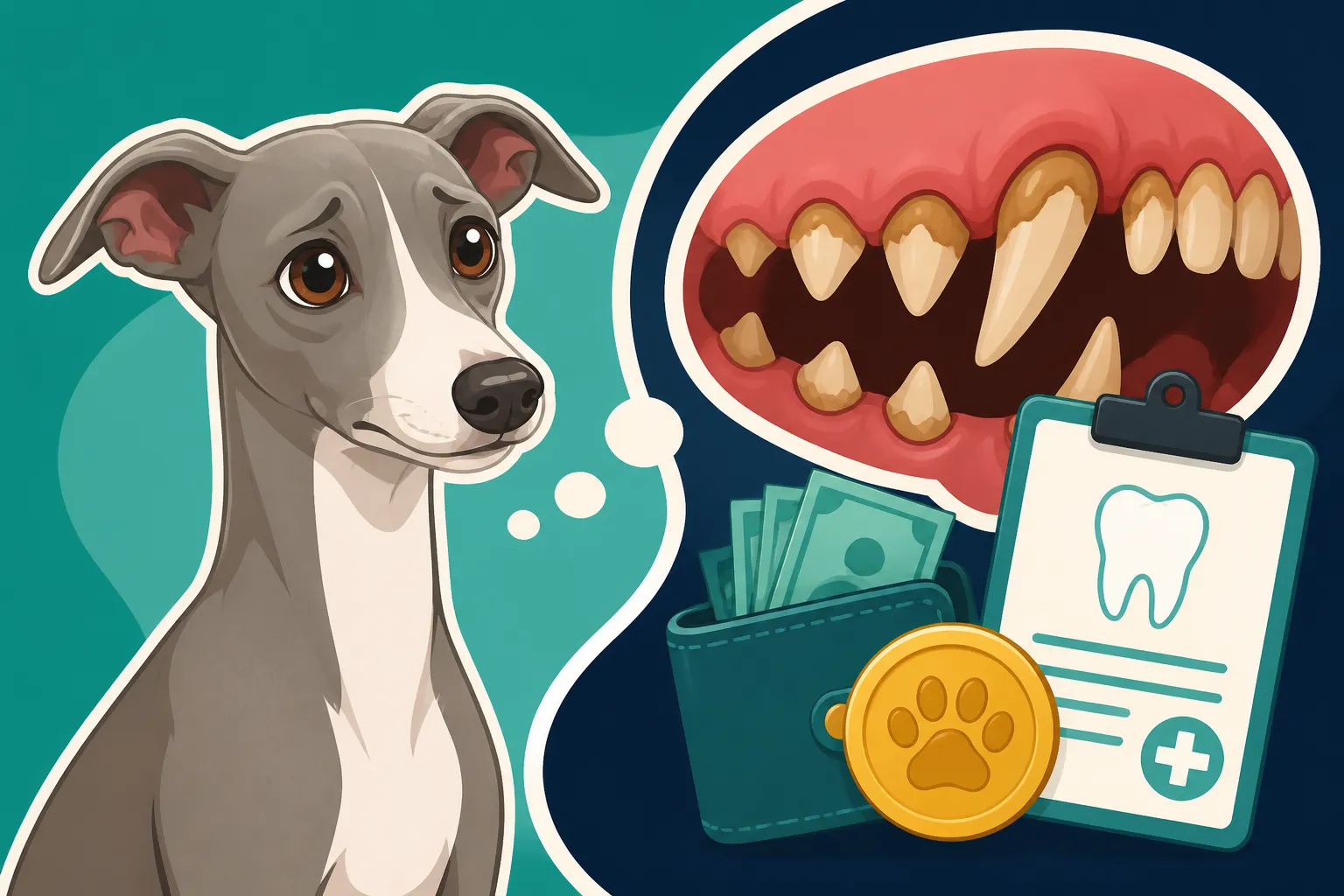
This rapid buildup isn't just cosmetic. Tartar, which is hardened plaque, irritates the gums, leading to gingivitis. If left untreated, gingivitis progresses to periodontal disease, where the infection spreads below the gumline, attacking the supporting structures of the teeth. This is incredibly painful for your dog, and it can lead to tooth loss, jawbone damage, and even systemic infections as bacteria enter the bloodstream. Because Italian Greyhounds are so small and have relatively thin jawbones, severe periodontal disease can even weaken the jaw to the point where it becomes susceptible to pathological fractures during routine activities or even during a dental procedure itself. This constant, aggressive battle against tartar means that regular, professional dental care isn't a luxury; it's an absolute necessity from a young age.
Breaking Down the Costs: From Prevention to Intervention
Understanding the costs associated with your Italian Greyhound's dental health requires looking at it in stages: the daily preventative care, the routine professional cleanings, and the unavoidable reality of extractions or advanced treatments. Each stage has its own price tag, and they all add up over the years.
The Price of Proactive Home Care: Daily Brushing and Supplies
Let's be real: daily tooth brushing might sound like a chore, but it's the single most impactful thing you can do to mitigate the long-term costs of dental disease for your Italian Greyhound. It’s not a magic bullet, but it significantly slows down tartar formation and helps keep gums healthy. Getting your Italian Greyhound accustomed to Brushing an Italian Greyhound's Teeth Every Day is a habit you'll thank yourself for later.
The cost of home care itself isn't huge on a monthly basis, but it's a consistent expense. You'll need a good quality pet toothbrush, often a small finger brush or a very tiny brush designed for toy breeds, because those little mouths don't accommodate much. Then there's the enzymatic toothpaste, which is essential because human toothpaste is toxic to dogs. Expect to replace brushes and toothpaste every few months. You might also invest in dental wipes, oral rinses, or specialized dental chews to supplement brushing. While some pet stores and online retailers like Chewy offer a wide variety of these products, remember they are supplements to brushing, not replacements. The initial setup might be around $20-40, with ongoing costs of $10-20 every few months for replacements. This might seem small, but consistent brushing starts to add up to significant savings on professional cleanings and extractions down the line.
Professional Dental Cleanings: The Foundation of Oral Health
Even with diligent home care, your Italian Greyhound will almost certainly need professional dental cleanings under anesthesia. This is where the costs really start to accumulate. Think of it like your own teeth: you brush them every day, but you still go to the dentist for a professional cleaning and check-up, right? It's the same for your dog, only more intensive because they can't sit still and gargle on command. What a Dental Cleaning Costs for an Italian Greyhound is often one of the higher annual veterinary expenses for IG owners.
A typical dental cleaning involves a thorough examination, scaling (removing tartar above and below the gumline), polishing, and often dental X-rays to assess the health of the teeth roots and jawbone, which are vital for a tiny breed like an IG. Because Italian Greyhounds are so small, and often carry very little body fat, Why Anesthesia Is Handled Differently in an Italian Greyhound is a critical consideration. Vets often use specialized protocols and monitoring to minimize risks, which can add to the overall cost. These cleanings aren't a one-time thing; most Italian Greyhounds require them annually, sometimes even every nine months, depending on how quickly their tartar builds up. Over a lifespan of 14-15 years, these recurring costs become a substantial part of your overall ownership budget.
When Extractions Become Necessary: The High Price of Neglect
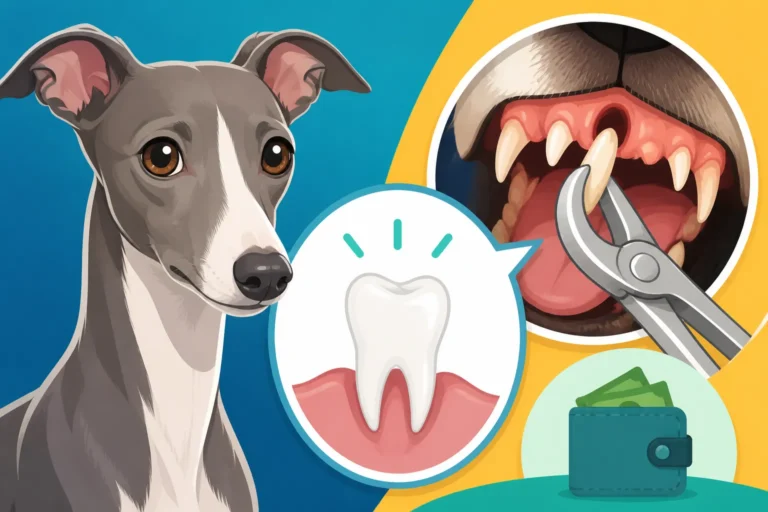
Here's where things can get truly expensive. If dental disease is left unaddressed, or if despite your best efforts, certain teeth succumb to severe periodontal disease, extractions become necessary. This isn't just about pulling a tooth; it’s a surgical procedure that requires anesthesia, nerve blocks for pain management, meticulous extraction techniques to avoid jaw fractures (especially with those delicate Italian Greyhound jaws!), and often stitches. What Extractions Add to an Italian Greyhound's Dental Bill can easily double or triple the cost of a routine cleaning.
It’s not uncommon for an older Italian Greyhound to need multiple extractions during a single dental procedure. You might face a situation where several small incisors or even some molars are beyond saving. Sometimes, due to the severe bone loss around an infected tooth, the extraction itself is very complicated, requiring specialized equipment and more surgical time. The cost per tooth can vary widely based on its location and the difficulty of the extraction. Owners often report that How Many Teeth an Italian Greyhound Loses by Eight is a startling number, leaving their senior dogs with significantly fewer teeth. After extractions, your dog might need a modified diet, perhaps something softer like Ollie, which can also be an ongoing cost consideration. The sad truth is, the longer you postpone necessary dental work, the more extensive and costly the interventions become, potentially leading to a lifetime of managing discomfort and expense.
Long-Term Financial Planning for Your Italian Greyhound's Teeth
Thinking about dental costs over your Italian Greyhound's entire life can feel daunting, but it's essential for responsible pet ownership. Planning ahead can save you from financial distress and ensure your beloved companion receives the care they need without compromise.
Pet Insurance and Dental Coverage: Is It Worth It?
This is a question many Italian Greyhound owners grapple with. Pet insurance can be a lifesaver for unexpected emergencies like a broken leg, but when it comes to dental care, the coverage can be a bit nuanced. Many basic pet insurance plans, even from reputable providers like Healthy Paws, primarily cover accidents and illnesses. Routine dental cleanings and preventative care might not be included or might require an additional wellness rider, which adds to your monthly premium.
Furthermore, most insurance policies have waiting periods and exclusions for pre-existing conditions. If your Italian Greyhound already has signs of dental disease before you enroll, any subsequent treatments for those existing issues might not be covered. It's crucial to read the fine print and understand exactly Whether an Italian Greyhound's Dental Is Covered before you commit. While pet insurance can help with major dental surgeries resulting from an accident or a severe unexpected illness, the recurring costs of preventative cleanings and routine extractions due to chronic periodontal disease are often where owners find themselves paying out of pocket. It’s a complex decision, and sometimes a dedicated savings fund might offer more flexibility for predictable dental expenses.
Budgeting and Unexpected Surgeries: Preparing for the Worst
Even with the best home care and regular cleanings, unforeseen dental issues can arise. A chipped tooth from an overly enthusiastic chew, an abscess that develops rapidly, or even a jaw fracture during a dental procedure (though rare with careful vets) can lead to significant, unexpected costs. Having a dedicated savings account for your Italian Greyhound's medical needs, especially for dental care, is incredibly wise.
Consider setting aside a certain amount each month specifically for future dental work. Knowing that an annual cleaning with possible extractions can cost several hundred to over a thousand dollars, you can work backward to create a realistic savings plan. It's not just about the procedure itself; there are often pre-anesthetic blood tests, pain medications, and follow-up visits. What an Italian Greyhound's Annual Dental Costs can be substantial, and having a buffer ensures you don't have to make difficult choices based on finances during a stressful time. Being prepared means you can focus on your Italian Greyhound's comfort and recovery rather than scrambling for funds.
The Holistic Cost: Impact on Overall Health and Lifespan
The true cost of dental disease isn't just measured in dollars and cents; it's also measured in your Italian Greyhound's quality of life and potentially even their lifespan. Chronic dental pain makes eating uncomfortable, can lead to weight loss, and impacts their overall demeanor. Imagine living with a constant toothache – it's no fun for us, and it's certainly no fun for them. Many dogs, including stoic IGs, are masters at hiding pain, so you might not even realize the extent of their discomfort until the problem is advanced.
Beyond pain, severe periodontal disease allows bacteria from the mouth to enter the bloodstream, traveling to major organs like the heart, kidneys, and liver. This can lead to serious secondary infections and exacerbate existing health conditions, ultimately How Dental Disease Shortens an Italian Greyhound's Life. Investing in good dental care is an investment in their overall health, comfort, and longevity. While the bills might seem high, the alternative of allowing dental disease to fester can lead to far greater suffering for your dog and even more expensive treatments for secondary health complications. Striving for Whether an Italian Greyhound Can Keep Its Teeth for Life is a worthy goal, even if it's not always achievable.
Here's a simplified breakdown of potential lifetime dental costs:
| Cost Category | Description | Frequency/Duration | Estimated Annual Range (USD) | Estimated Lifetime Range (USD, 15 years) |
|---|---|---|---|---|
| Home Care Supplies | Toothbrushes, enzymatic toothpaste, dental wipes, rinses, dental chews | Ongoing | $50 – $100 | $750 – $1,500 |
| Annual Cleanings | Professional scaling, polishing, dental X-rays, anesthesia, monitoring | Annually (or more) | $500 – $1,200 | $7,500 – $18,000 |
| Extractions | Surgical removal of infected teeth, nerve blocks, stitches, medications | As needed | $100 – $500 (per tooth) | $1,000 – $5,000+ (depending on severity) |
| Pre-anesthetic Bloodwork | Essential for safe anesthesia, especially for IGs | Pre-dental | $100 – $250 | Included in Cleaning/Extraction cost |
| Pain Medication | Post-extraction pain relief | As needed | $20 – $50 | Included in Extraction cost |
| Special Diet | Soft food (e.g., Ollie) for dogs with few or sensitive teeth | Ongoing (if needed) | $300 – $600 | $1,500 – $3,000+ (post-extractions) |
| Total Estimated Lifetime Costs | (Sum of ranges) | 15 Years | $970 – $2,200 | $10,750 – $27,500+ |
Please remember, these figures are estimates and can vary significantly based on your location, your veterinarian's fees, the severity of your dog's dental disease, and how proactive you are with home care. The lower end of the range assumes consistent home care and relatively few extractions, while the higher end accounts for annual cleanings and multiple extractions over the dog's life.
Disclaimer
This article is for general informational purposes only and does not constitute professional advice. Laws, prices and regulations vary by location and change over time. Consult a qualified professional for guidance on your specific situation.