Whether an Italian Greyhound Costs More After Ten
Bringing an Italian Greyhound into your life is an incredible joy, but as they age past their tenth birthday, many owners find themselves facing unexpected and sometimes daunting financial realities. The carefree puppy days feel like a distant memory when you're suddenly managing chronic conditions, special diets, and more frequent vet visits. This guide is here to shed light on precisely why an Italian Greyhound often costs more to care for in their senior years, and what you can anticipate to help you budget and prepare for this important stage of their life.
The Inevitable Shift: Why Senior Italian Greyhounds Mean New Expenses
It’s a bittersweet truth that as our beloved Italian Greyhounds gracefully enter their senior years, their needs, and consequently the costs associated with their care, invariably begin to climb. That spry, boundless energy they displayed as youngsters slowly gives way to a more sedentary existence, bringing with it a host of age-related changes that demand our attention and our wallets. It’s not just about one big bill; it’s often a compounding of smaller, continuous expenses that truly add up.
Understanding the Aging Process in an Italian Greyhound
The Italian Greyhound is generally a healthy breed with a good lifespan, often living Why an Italian Greyhound Lives Fourteen to Fifteen Years. However, even the healthiest dogs experience a decline in various bodily functions. Their metabolism slows down, their immune system might not be as robust, and their bodies just aren't as efficient at repairing themselves. This natural aging process makes them more susceptible to certain conditions and less resilient overall. You might notice subtle changes first, like a little less enthusiasm for walks or a bit more sleep throughout the day. These are often the first quiet signals that their needs are shifting.
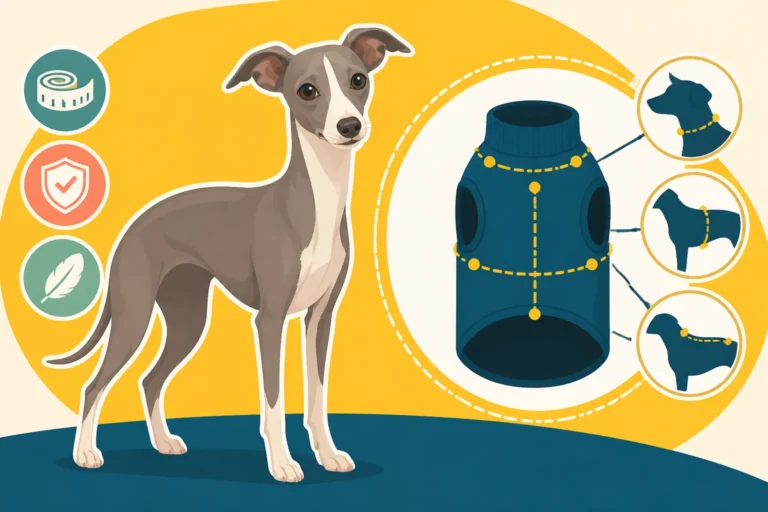
As they age, an Italian Greyhound's unique physiology, particularly their delicate build and minimal body fat, means they feel the cold more acutely. This isn't just a comfort issue; it can impact their overall health and energy levels. You might find yourself investing in more warm clothing, blankets, and even heated beds to keep them comfortable, especially during cooler months or if your home is kept on the chillier side. This isn't just a luxury; for an older Italian Greyhound, staying warm is crucial for their well-being and can help stave off stiffness or discomfort that might otherwise lead to further vet visits.
Increased Veterinary Visits and Diagnostic Tests
One of the most immediate and significant changes you'll notice with an older Italian Greyhound is the frequency of vet appointments. While a young adult might only need an annual wellness exam, a senior Italian Greyhound often benefits from semi-annual check-ups. These visits are essential for catching age-related issues early, which can often lead to better outcomes and, sometimes, more manageable costs in the long run. During these visits, your vet will pay closer attention to organ function, joint health, and overall comfort.
Beyond the basic check-up, senior Iggys often require more diagnostic tests. Blood panels might be recommended annually or even bi-annually to monitor kidney and liver function, thyroid levels, and to screen for early signs of diseases. Urinalysis, blood pressure checks, and even radiographs can become more common, especially if your dog starts showing new symptoms like increased thirst, changes in appetite, or difficulty moving. Each of these tests comes with its own cost, and while they might seem like a lot, they are invaluable for getting a clear picture of your dog's internal health and guiding appropriate treatment.
Common Medical Expenses for Senior Italian Greyhounds
The reality is that as our Italian Greyhounds age, they become more prone to certain health issues, many of which can carry substantial veterinary bills. It’s not a matter of if these issues will arise, but often when. Being aware of these common ailments can help you understand where your future expenses might be directed and empower you to have proactive conversations with your veterinarian.
Persistent Dental Care Needs
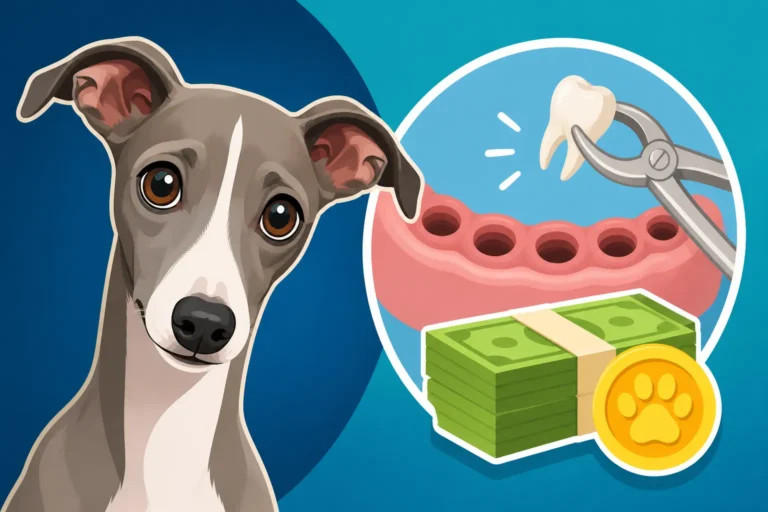
Dental disease is incredibly prevalent in Italian Greyhounds, starting young due to their crowded mouths and thin jawbones. By the time they reach senior status, many have significant dental issues that require ongoing professional intervention. You might have been brushing their teeth diligently their whole lives, but plaque and tartar still find a way to accumulate, leading to gingivitis, painful extractions, and even jaw fractures during dental procedures. Periodontal Disease Is the Italian Greyhound's Most Common Diagnosis is a sad truth for many of these dogs.
Older Italian Greyhounds often need more frequent dental cleanings under anesthesia, perhaps even every year or two, as outlined in Dental Work Repeats Every Year of an Italian Greyhound's Life. Each cleaning can involve bloodwork to ensure they're healthy enough for anesthesia, X-rays to assess bone loss and hidden issues, and potentially multiple extractions. While some owners consider skipping these procedures to save money, neglecting dental health can lead to far more serious and costly problems, including infections spreading to vital organs like the heart and kidneys, significantly impacting their overall health and lifespan. Good home care helps, but professional care becomes non-negotiable.
Managing Chronic Conditions: Arthritis, Heart, and Kidney Disease
Arthritis is almost a given for many older dogs, and Italian Greyhounds are no exception, especially if they've ever had a leg injury or joint issues like patellar luxation. The delicate nature of their bones means that a healed fracture from their youth might become a source of discomfort later in life. Arthritis in an Italian Greyhound's Healed Leg is a common concern. Managing arthritis often involves daily medication, which can range from joint supplements to prescription anti-inflammatory drugs. These medications are not a one-time purchase but a recurring monthly expense that continues for the rest of their lives.
Beyond arthritis, senior Italian Greyhounds can also develop conditions like heart murmurs, The Heart Murmur an Old Italian Greyhound Develops being a particular concern. This might necessitate cardiac medications, frequent re-checks with a cardiologist, and specialized diagnostics like echocardiograms. Kidney disease, another common age-related ailment, often requires prescription diets, regular bloodwork to monitor kidney function, and sometimes even subcutaneous fluids administered at home. These are not minor interventions; they are chronic management plans that require continuous financial commitment and dedicated care. Kidney Disease in an Old Italian Greyhound can be managed, but it's an ongoing effort.
Specialized Treatments and Medications
Sometimes, an aging Italian Greyhound might require more than just routine care for common ailments. They might face less common but equally impactful conditions that demand specialized veterinary attention. For instance, some may develop specific eye conditions, or even neurological issues that necessitate consultations with specialists, which invariably come with higher fees. These specialists, whether a veterinary ophthalmologist, neurologist, or internal medicine expert, bring a level of expertise and equipment that general practitioners may not have, and their services are priced accordingly.
The medications prescribed for these specialized conditions can also be significantly more expensive than standard veterinary drugs. Some require compounding, others are human medications used off-label, and many are simply costly due to their specific nature and limited market. These aren't just for acute illnesses; many senior Italian Greyhounds end up on a daily cocktail of several medications to manage various chronic conditions, making the trip to the pharmacy or ordering through a service like Chewy a regular occurrence. It’s a reality that maintaining quality of life for an older dog often means a consistent budget for pharmaceuticals.
Non-Medical Costs and Lifestyle Adjustments
While veterinary bills often take center stage when discussing the cost of an aging Italian Greyhound, it’s crucial to remember that their non-medical needs also evolve and can add up significantly. These are the lifestyle adjustments that contribute to their comfort, safety, and overall well-being as they navigate their golden years, and they all have a price tag.
Dietary Changes and Supplements
As Italian Greyhounds age, their nutritional needs can shift dramatically. They might become pickier eaters, have difficulty chewing hard kibble due to dental issues, or require a specialized diet to support organ function (like a low-phosphorus diet for kidney disease). This often means switching from a standard commercial kibble to a premium senior formula, wet food, or even a fresh food option like Ollie, which can be considerably more expensive. Softer Food for an Old Italian Greyhound becomes a necessity, not a luxury.
Beyond food, senior Italian Greyhounds often benefit from a range of supplements. Joint supplements with glucosamine and chondroitin are common for arthritis, while omega-3 fatty acids can support skin, coat, and cognitive function. Probiotics might be added for digestive health, and specific vitamins could be recommended depending on their individual needs. These supplements, while beneficial, are an ongoing cost, and finding high-quality options that actually make a difference can sometimes be a process of trial and error.
Enhanced Comfort and Safety Measures
An older Italian Greyhound, especially one with joint pain or failing eyesight, needs a home environment tailored to their changing abilities. This often means investing in ramps or steps to help them access furniture they once jumped onto with ease. It's not just about convenience; it's about preventing further injuries. Ramps and Steps for an Italian Greyhound's Furniture are a wise investment to protect those delicate legs. Non-slip rugs on hardwood or tile floors can also prevent dangerous slips and falls, which can be devastating for an older dog.
Their comfort needs also increase. Thin-skinned Italian Greyhounds always need warmth, but this becomes even more critical for seniors. Why an Old Italian Greyhound Feels the Cold More is due to decreased muscle mass and slower metabolism. You might find yourself buying more sweaters, warm blankets, and even heated beds to ensure they stay cozy. The Bedding a Thin Skinned Italian Greyhound Actually Needs is often orthopedic foam to support aching joints and prevent pressure sores. These items contribute to their quality of life but also represent recurring or initial setup costs.
Grooming and Mobility Aids
While Italian Greyhounds are generally low-maintenance in terms of grooming, senior dogs might need a bit more assistance. They might struggle to stand for nail trims, requiring more patience or even a professional groomer or vet tech to handle it. Their skin can become drier or more fragile, meaning special shampoos or moisturizers might be needed. If they develop incontinence, even occasional accidents can mean more frequent baths and specialized cleaning supplies.
For those with significant mobility issues, you might even consider mobility aids. While a full cart or sling might seem extreme, even simple harnesses that provide support when going up stairs or getting into a car can make a huge difference. Regular massages, whether done by you at home or by a certified canine masseuse, can also help with stiffness and circulation, again adding to the budget. These aren't just about managing a disability; they are about maintaining dignity and independence for as long as possible.
Financial Planning for Your Senior Italian Greyhound
Real talk: realizing your Italian Greyhound's care costs will increase significantly as they age can be pretty overwhelming. It's easy to feel caught off guard, especially if you haven't thought much beyond their initial puppy expenses. But the good news is that with a bit of foresight and preparation, you can ease some of that financial stress and focus on giving your beloved companion the best possible golden years.
The Role of Pet Insurance and Emergency Funds
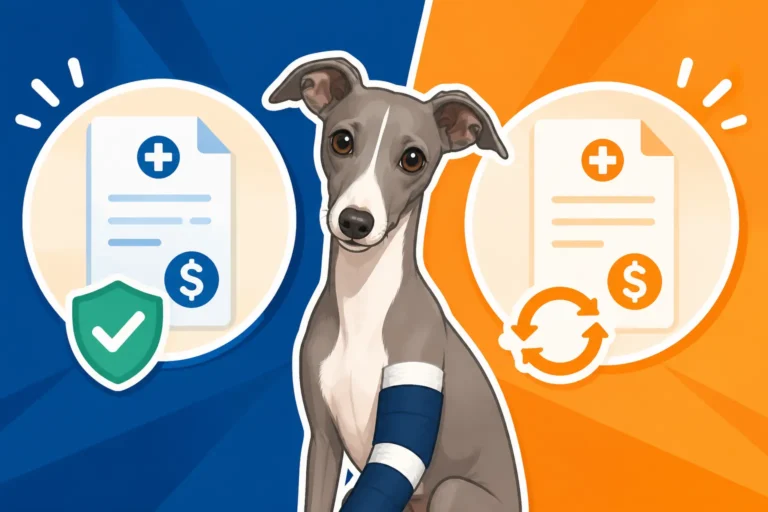
For many Italian Greyhound owners, pet insurance can be a real lifeline, especially when dealing with the kind of chronic conditions that often emerge in senior dogs. While younger dogs might have lower premiums and fewer claims, an older dog's plan might be more expensive due to potential pre-existing conditions or simply their age. However, if you've had a policy with a company like Healthy Paws since they were younger, it can be invaluable as new conditions develop, helping to cover a significant portion of those ongoing vet bills for diagnostics, medications, and specialist visits.
Even with insurance, it's wise to have a dedicated emergency fund. Not every expense is covered, and deductibles and co-pays can add up quickly. This fund acts as a safety net for those unexpected flare-ups, urgent care visits, or even specialized treatments that might be outside your insurance coverage. Having money set aside specifically for your Italian Greyhound's health ensures you can make decisions based on their well-being, rather than solely on your immediate financial constraints. What Pet Insurance Actually Covers on an Italian Greyhound gives a good overview of how these plans work.
Budgeting for Increased Monthly Expenses
It’s one thing to hear that costs will go up, and another to actually quantify it in your monthly budget. Sitting down and itemizing potential new expenses can be a sobering but necessary exercise. Think about the semi-annual vet visits, the cost of monthly medications for arthritis or heart conditions, the price difference for senior-specific or prescription diets, and even the added cost of warmth (like higher heating bills or more blankets).
Let's say your Italian Greyhound needs two medications daily, a special diet, and sees the vet twice a year instead of once. That's a minimum of several hundred dollars a month that wasn't there before. Websites like Chewy can help you compare prices for food and medications, and many vets offer prescription delivery services. What an Old Italian Greyhound Costs a Year can truly open your eyes to the cumulative effect of these seemingly small increases. It’s a good practice to revisit your budget annually and adjust for your Italian Greyhound's evolving needs.
Comparing Costs: Early vs. Senior Life
To really put things into perspective, let's look at a simplified comparison of what typical expenses might look like for an Italian Greyhound at different life stages. This isn't exhaustive, but it helps illustrate the shift.
| Expense Category | Italian Greyhound (Age 1-5) | Italian Greyhound (Age 10+) |
|---|---|---|
| Routine Vet Care | Annual wellness exam, vaccines | Semi-annual exams, bloodwork, urinalysis |
| Dental Care | Annual/bi-annual cleaning, minor extractions | Annual/bi-annual cleaning, extensive extractions, X-rays |
| Medications/Supplements | Flea/heartworm prevention | Flea/heartworm, arthritis meds, heart meds, kidney meds, supplements |
| Food | Standard adult kibble | Senior-specific, prescription, or fresh food (e.g., Ollie) |
| Comfort/Environment | Basic bedding, occasional sweaters | Orthopedic beds, heated beds, ramps, multiple sweaters/coats |
| Specialist Consults | Rare, usually for acute injury | Common for chronic conditions (cardiology, internal medicine) |
| Grooming | Home nail trims/baths | Professional nail trims, special shampoos, potential mobility aids |
This table clearly shows a move from primarily preventative care to more active management of chronic health issues. While a puppy has initial costs for vaccinations and spay/neuter, the ongoing costs of a senior Italian Greyhound are often higher and more unpredictable on a recurring basis. Preparing for this financial shift is an act of love, ensuring you can continue to provide the best possible care for your cherished companion.
Disclaimer
This article is for general informational purposes only and does not constitute professional advice. Laws, prices and regulations vary by location and change over time. Consult a qualified professional for guidance on your specific situation.