What an Italian Greyhound Chases
One of the most profound instincts you'll encounter when living with an Italian Greyhound is their incredibly strong chase drive. Many new owners are completely caught off guard by the sheer intensity of this inherent urge, leading to frustrating situations where their beloved companion seems to ignore all training in favor of a fleeting glimpse of a squirrel or a rogue dust bunny. This guide is here to shed light on exactly what sparks an Italian Greyhound's chase instinct, why it's so powerful, and how you can manage it to ensure both your sanity and your dog's safety.
Understanding the Italian Greyhound's Prey Drive
To truly grasp why your Italian Greyhound (IG) behaves the way it does when something moves quickly, you have to understand the deep-seated evolutionary history of the breed. They are sighthounds through and through, meaning they were bred over centuries to hunt by sight, not scent. This isn't just a quirky trait; it's a fundamental part of their genetic makeup that dictates much of their behavior.
Instinctive Behavior: The Sighthound Legacy
Imagine vast open plains and the fleeting glimpse of a small, fast-moving animal. For generations, the ancestors of our modern IGs were fine-tuned to react to exactly that. This instinct isn't a choice; it's a hardwired program in their brain that screams "CHASE!" the moment a suitable trigger appears. It's not about being disobedient or ignoring you; it's about an ancient survival mechanism taking over. When they lock onto something, their world narrows to that single, compelling target.
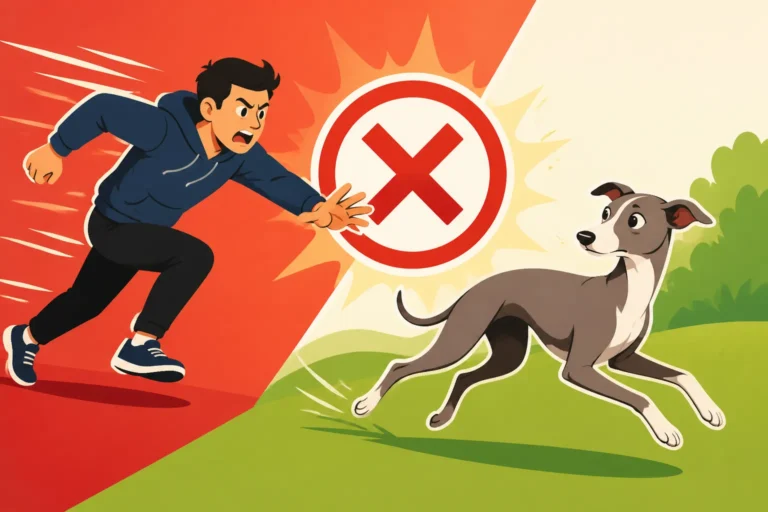
This powerful instinct is part of what makes them such graceful, agile athletes, but it also presents significant challenges for owners. A small movement across a field can switch them from a cuddly lap dog to a focused hunter in a split second, often with surprising speed and agility. This is why it's commonly said that Why an Italian Greyhound Cannot Be Trusted Off Leash, Ever. Their ability to accelerate and change direction is truly astounding, making it almost impossible to catch them once they've committed to a chase.
Owners often lament that their IG "just doesn't listen" when something catches their eye, but it's more accurate to say that their brain is literally overwhelmed by the primal urge to pursue. This isn't a personal affront; it's the very definition of their breed. Understanding this helps foster patience and a realistic approach to managing their inherent drive, rather than constant frustration.
Visual Triggers: Movement is Everything
For an Italian Greyhound, the world is a stage for moving objects. Anything that zips, flits, rolls, or scurries is a potential target. Unlike scent hounds who might follow a faint trail, IGs are visually driven predators. A leaf blowing across the yard, a piece of lint dancing in a sunbeam, or even your own quick movements can ignite that spark. Their eyes are incredibly acute, designed to spot the slightest motion at a distance.
This visual acuity means that objects that might go unnoticed by other breeds become irresistible lures for an IG. Think about a small child running across a park, or a bicycle whizzing past—these are potent stimuli that an IG's brain processes as "prey." The speed and unpredictability of the movement are key. The faster and more erratically something moves, the stronger the trigger. It’s why laser pointers, while seemingly harmless, can be incredibly frustrating and even detrimental for IGs, as they engage the chase instinct without a satisfying conclusion.
This constant scanning for movement is part of their charm and their challenge. You'll notice your Italian Greyhound's head pivoting, eyes darting, constantly assessing their environment for any sign of motion. It's a testament to their sighthound heritage, and it makes them incredibly engaging companions, but it also necessitates a hyper-vigilant approach to their safety and training.
Genetic Predisposition: A Deep-Seated Urge
The sheer depth of the Italian Greyhound's prey drive is a direct consequence of millennia of selective breeding. It’s not something you can train out of them entirely; rather, it's something you learn to manage and channel appropriately. Their physical build — lean, muscular, with long legs and a flexible spine — is perfectly engineered for bursts of incredible speed, further reinforcing this instinct. It’s no exaggeration to say that their entire physiology is built around the chase. How Strong an Italian Greyhound's Prey Drive Is is truly remarkable.
This genetic hardwiring means that even Italian Greyhounds raised in an urban environment with no exposure to traditional prey animals will still exhibit this strong drive. It's simply part of who they are. Trying to completely suppress it can lead to frustration for both dog and owner. Instead, a successful owner acknowledges and respects this instinct, finding safe and appropriate ways for their IG to express it. This might involve carefully managed off-leash play in fully enclosed spaces or participation in sighthound-specific sports like lure coursing.
Ignoring this fundamental aspect of their breed can have serious consequences, from lost dogs to accidental injuries. It’s crucial to understand that their impulse to chase is stronger than almost any learned command, especially when the trigger is sudden and intense.
Common Objects of the Chase Indoors
While the dramatic outdoor chase scenes are what typically come to mind, your Italian Greyhound's prey drive is just as active and impactful within the confines of your home. It can manifest in surprising ways, turning mundane household items into thrilling targets and necessitating careful management to prevent damage and ensure a peaceful co-existence.
Small, Fast-Moving Household Items
Think about anything that moves unpredictably on your floors: a rolling pen, a dropped piece of kibble, a discarded plastic bottle cap, or even a dust bunny wafting across the living room. For an Italian Greyhound, these aren't just inanimate objects; they're potential "prey." They will launch themselves with astonishing speed and agility, pouncing, batting, and sometimes even "killing" their inanimate targets. This can be quite entertaining to watch, but it also means that leaving small, valuable, or dangerous items within reach is a recipe for disaster.
I've known IGs who've turned a dropped earring into a high-stakes hunt across the kitchen, only to then try and eat their "prize." Others have developed a particular obsession with socks, treating laundry day like a prime hunting opportunity. This behavior isn't malicious; it's simply their instinct playing out on a smaller scale. It's why maintaining a tidy home, especially if your IG is prone to mouthing or swallowing small objects, becomes a critical part of ownership. It also speaks to their need for mental engagement; if they're not getting enough stimulation, they might seek out these indoor "hunts" with even more fervor.
This indoor chase tendency also highlights the importance of providing appropriate outlets. Interactive toys, puzzle feeders, or even a simple game of fetch with a soft, safe toy can help channel this energy. If you're looking for durable, engaging toys that can stand up to an IG's enthusiastic pouncing, online retailers like Amazon offer a wide variety of options specifically designed for smaller, active dogs.
Other Pets and Children
This is where the indoor chase instinct can become particularly sensitive. While most Italian Greyhounds are gentle and loving companions, their prey drive doesn't always distinguish between a rabbit in a field and a cat streaking across the floor, or even a small child running excitedly. A cat's sudden dash can trigger the chase reflex, leading to a sometimes rough and startling pursuit. While often no harm is intended, the speed and intensity can be frightening for the cat, or even accidentally injurious.
Similarly, young children who run, squeal, and play unpredictably can inadvertently activate an IG's chase instinct. Again, it's usually not aggression, but an instinctual response to quick, erratic movement. An IG might nip at heels, bump into a child, or bowl them over in their enthusiasm, especially if the child is very small. This is why supervision is paramount in multi-pet households and homes with young children. Teaching children to move calmly around the dog and not to initiate chase games is crucial.
Establishing clear boundaries and consistent training can mitigate these risks. For instance, teaching your IG a solid "leave it" command (which we'll discuss later) can be invaluable when the family cat decides to do zoomies. It's about proactive management and understanding the fine line between playful interaction and instinctual pursuit.
Dust Bunnies and Shadows
It might sound amusing, but for an Italian Greyhound, a dust bunny floating across a sunbeam or a shadow flickering on the wall can be just as captivating as a squirrel in the park. Their keen eyesight picks up on the slightest movement, and their brains are programmed to investigate and pursue. They will often stalk, pounce, and "kill" these ephemeral targets with surprising dedication.
This particular manifestation of their prey drive speaks volumes about their visual nature. The subtle, unpredictable movement is enough to engage them fully, leading to moments of intense focus and playful hunting within your home. While harmless, it's a constant reminder of how finely tuned their senses are to motion. It also reinforces the idea that an IG is always "on," always observing, always ready to spring into action.
These seemingly trivial chases are a good indicator of their mental state. If your IG seems overly fixated on shadows or dust, it might be a sign that they need more structured mental or physical enrichment. A bored IG will find ways to entertain themselves, and chasing imaginary prey is one of them. Providing engaging toys, short training sessions, or even a brief walk can help redirect this energy into more constructive outlets.
Outdoor Pursuits and Associated Risks
The great outdoors, with its vast array of moving targets, is where the Italian Greyhound's prey drive truly comes alive. The sights, sounds, and smells amplify their natural instincts, turning a simple walk into a potential high-stakes chase. Understanding these outdoor triggers and the inherent dangers is absolutely critical for any IG owner.
Wildlife Encounters: Squirrels, Rabbits, and Birds
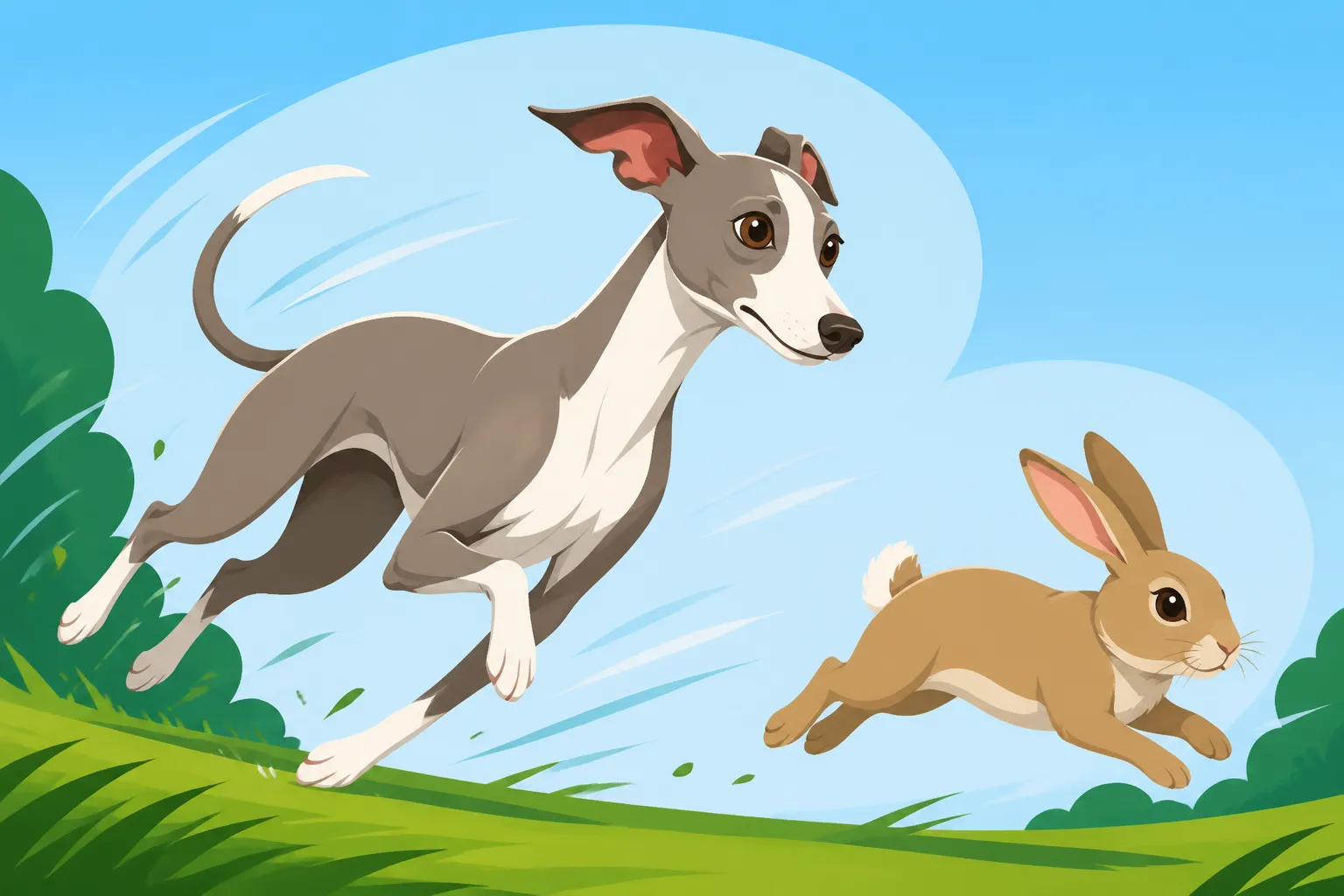
This is the classic scenario for any sighthound owner. A squirrel darting up a tree, a rabbit bolting across a field, or a flock of pigeons taking flight – these are the ultimate sirens for an Italian Greyhound. Their reaction is immediate, instinctive, and almost impossible to override. They will launch themselves with incredible speed, eyes locked on their target, ears often deaf to your frantic calls. What an Italian Greyhound Does When It Sees a Rabbit is a perfect illustration of this instinct in action. They don't think; they react.
The danger here is multifaceted. First, the sheer speed How Fast an Italian Greyhound Runs means they can cover an astonishing amount of ground in seconds, putting them out of sight and potentially into harm's way before you can even react. Second, their single-minded focus means they are oblivious to their surroundings – traffic, fences, other dogs, or even sudden drops become invisible. They are literally running on pure instinct. Third, while they may not always "catch" their prey, the thrill of the chase itself is incredibly rewarding for them, reinforcing the behavior.
This is why a secure leash and harness setup is non-negotiable for an Italian Greyhound outside of a securely fenced area. A loose IG chasing a squirrel is a lost IG, or worse, an injured one. Investing in a well-fitting, escape-proof harness is paramount. A standard collar can easily slip over their slender heads when they pull back with all their might, but a properly fitted harness, possibly a Martingale style harness for extra security, makes a huge difference.
Other Dogs and People in Motion
It’s not just wildlife that triggers the chase. Other dogs playing fetch, children riding bikes, or even joggers passing by can become targets of interest for an IG’s prey drive. Again, it's not aggression, but the visual stimulus of movement that excites them. An Italian Greyhound might suddenly lunge or pull towards a moving dog, eager to join the chase or simply to investigate. This can be startling for other dog owners and potentially lead to tangled leashes or unexpected interactions.
When it comes to people, a running person can sometimes trigger an IG to give chase, especially if the person is moving quickly or erratically. While it's usually playful curiosity, the sudden dash can be intimidating or even cause a pedestrian to stumble. This highlights the importance of keeping your Italian Greyhound on a short, controlled leash in busy public areas and anticipating potential triggers. If you see a runner approaching, gather your IG close and reinforce a "heel" command.
Understanding your dog's personal triggers is key. Some IGs are more bothered by children, others by certain types of dogs, or even specific items like strollers. Knowing what sets your dog off allows you to be proactive in managing their environment and reactions, keeping everyone safe and comfortable.
The Danger of Traffic and Escape
This is perhaps the most significant and heartbreaking risk associated with the Italian Greyhound's prey drive. Once an IG locks onto a target and begins to run, they often have no spatial awareness of their surroundings. A busy road, a parking lot, or an open gate becomes an invisible barrier. Their world shrinks to the object of their pursuit, and self-preservation takes a back seat. This is why even a momentary lapse in attention, a dropped leash, or a faulty fence latch can have devastating consequences.
Many Italian Greyhounds are lost or injured each year due to their powerful chase instinct leading them into dangerous situations. They are incredibly fast and agile, making them difficult to catch once they've taken off. The fear of this happening is a constant companion for IG owners, and it rightly shapes many of their care decisions. How an Italian Greyhound Breaks a Leg in Its Own Yard can sometimes be related to this impulsive darting.
This isn't to say you can't enjoy outdoor adventures with your IG, but it means they must always be managed with an abundance of caution. This includes using long lines in open, safe areas, ensuring your yard is truly escape-proof, and meticulously checking leashes and harnesses before every outing. Never assume your IG will "come back" or "stop at the curb" because their instinct is simply too strong to gamble with.
Managing the Chase Instinct: Training and Environment
Living with an Italian Greyhound's potent prey drive requires a multi-pronged approach that combines consistent training with thoughtful environmental management. It's not about eradicating the instinct, which is impossible, but about teaching your IG appropriate outlets and developing reliable control in critical situations.
Foundational Training: Recall and "Leave It"
These two commands are arguably the most critical tools in an Italian Greyhound owner's arsenal. A bombproof recall, meaning your dog will return to you instantly regardless of distractions, is the holy grail. While achieving this to an absolute 100% degree with an IG's prey drive is incredibly challenging off-leash in an unfenced area, a strong recall is still vital. Practice it constantly in low-distraction environments, using high-value treats and enthusiastic praise. Make coming back to you the most rewarding thing they can do. Consider signing up for an online puppy training program, such as those offered by BAXTER & Bella, which can provide structured lessons and support for building these foundational behaviors.
The "leave it" command is equally important. This teaches your IG to disengage from an object or stimulus, whether it's a dropped crumb or a squirrel in the distance. Start in a quiet environment with low-value items, gradually increasing the difficulty. The goal is for your IG to choose to ignore the tempting item in favor of a reward from you. This command can be a lifesaver, giving you those precious seconds to react when a chase trigger appears. Consistent practice, patience, and irresistible rewards are key to making these commands reliable.
Remember, training an Italian Greyhound requires patience and positive reinforcement. They are sensitive dogs who shut down under harsh correction. Keep sessions short, fun, and always end on a high note. Building a strong, trusting relationship where you are the source of all good things will make them more inclined to listen, even when their instincts are screaming otherwise.
Safe Outlets: Lure Coursing and Fetch
Since you can't eliminate the prey drive, the smartest approach is to provide safe and controlled outlets for it. This allows your Italian Greyhound to express their natural behaviors in a way that is fun, enriching, and most importantly, safe.
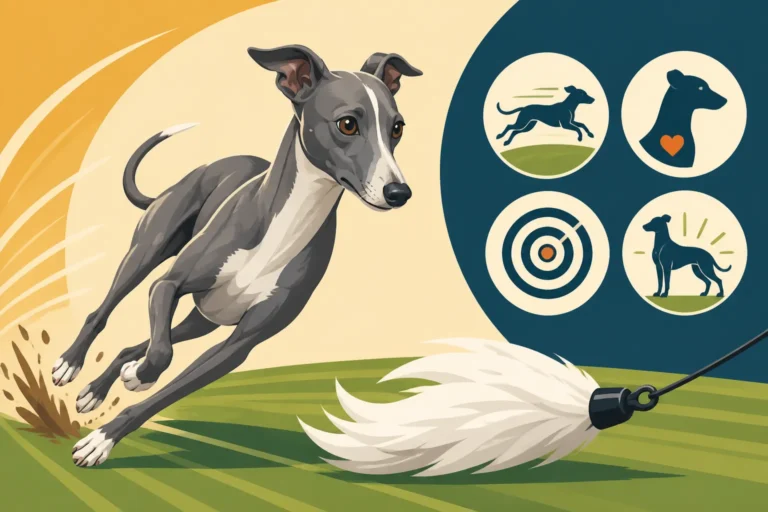
Lure coursing is a fantastic option for Italian Greyhounds and other sighthounds. This sport involves a mechanical lure (often a plastic bag) pulled across a field, simulating the erratic movements of a rabbit. IGs absolutely adore it! It allows them to unleash their incredible speed and chase instinct in a completely secure, fenced environment. Many local sighthound clubs organize practice sessions and events. Lure Coursing and Racing With an Italian Greyhound is a perfect way to give them that pure joy of the chase.
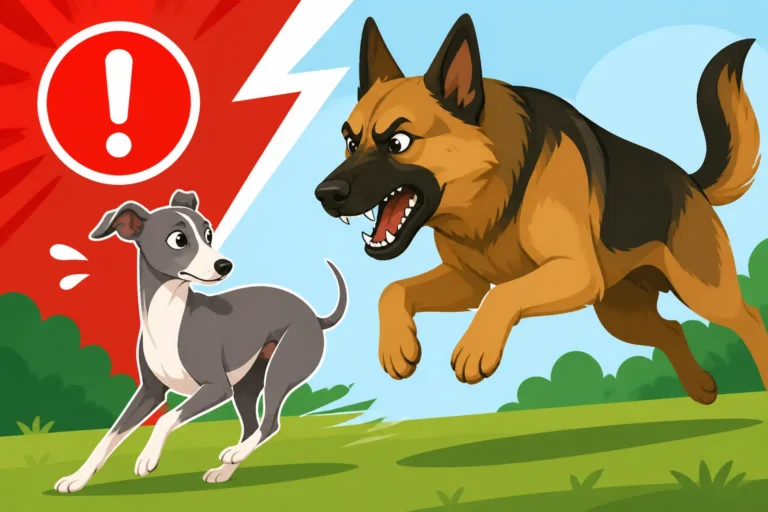
Another great option is controlled fetch in a securely fenced yard or dog park (with caution, as Why a Dog Park Is Dangerous for an Italian Greyhound due to potential interactions with larger, rougher play styles). Using soft, easy-to-grab toys that mimic small prey can be highly satisfying. Remember to use toys that are appropriate for their size to prevent choking hazards. For indoor play, a flirt pole (a pole with a lure attached to a string) can be an excellent way to engage their chase drive without having them zoom around the house uncontrolled. These can often be found on platforms like Amazon.
These activities not only burn off physical energy but also provide vital mental stimulation, satisfying that deep-seated urge to hunt. An IG whose prey drive is regularly and safely satisfied is often a calmer, more content companion at home.
Environmental Management: Preventing Opportunities
Even with the best training, an Italian Greyhound's instinct can sometimes overpower their learned responses. This is where vigilant environmental management becomes crucial. It’s about setting up their world to minimize opportunities for unsafe chases and maximize safety.
Indoors, this means being mindful of what's left on counters or low tables. IGs are surprisingly good climbers and can snatch items they perceive as interesting. Keeping small, tempting items out of reach prevents accidental ingestion and unwanted chases. Secure trash cans and always supervise them around open doors or windows. Child gates can be useful to restrict access to certain areas, especially when you can't provide direct supervision.
Outdoors, the number one rule is never trust them off-leash unless you are in a truly secure, double-gated, high-fenced area. Even a seemingly secure yard can have vulnerabilities. Routinely check fences for gaps or weak spots. When walking, always use a secure harness and a leash. Some owners prefer a double-leash system, with one leash attached to the harness and another to a Martingale collar, for added security. Which Harness Suits an Italian Greyhound's Neck is vital for their safety.
Consider how your home layout might contribute to chase opportunities. Do you have long, open hallways that encourage high-speed runs? Are there enticing reflections or light patterns that trigger their attention? While you don't need to baby-proof your entire life, making conscious choices about managing their immediate surroundings can significantly reduce the risk of accidental escapes or injuries. Think about using Ramps and Steps for an Italian Greyhound's Furniture to prevent jumping down, which often happens in a chase.
Living with a Sighthound's Natural Urges
Embracing the unique qualities of an Italian Greyhound, including their intense prey drive, is key to a happy and fulfilling relationship with this breed. It's a journey of understanding, adaptation, and unwavering commitment to their safety and well-being.
Acceptance and Adaptation
The first step in successfully living with an Italian Greyhound and their chase instinct is acceptance. This isn't a fault; it's a feature of the breed. Trying to fight against their fundamental nature will only lead to frustration for both of you. Instead, accept that your IG is a sighthound, hardwired to chase, and adapt your lifestyle accordingly. This means always being vigilant outdoors, creating a safe indoor environment, and understanding that their seemingly stubborn refusal to listen when a squirrel appears isn't personal.
This acceptance also extends to understanding their unique exercise needs. While they aren't endurance runners, they need opportunities for short, explosive sprints. A quick burst of speed in a safe area is far more satisfying for them than a long, plodding walk. By understanding and catering to these needs, you create a more harmonious environment where their instincts are met, not suppressed.
Adapting your home and routine to accommodate their prey drive will make life much easier. This might mean having a designated "zoomie zone" in your yard, or a long hallway where you can safely engage them with a flirt pole indoors. It means being prepared for those sudden bursts of energy and having a plan for managing them.
Building a Strong Bond
Beyond specific training techniques, building an incredibly strong bond with your Italian Greyhound is your most powerful tool in managing their prey drive. An IG that trusts you, sees you as a source of safety and joy, and feels deeply connected to you, will be more inclined to look to you in distracting situations. This bond is forged through positive experiences, consistent kindness, and meeting their needs for companionship and security.
Spend quality time with your IG, engaging in activities they love. Play games, offer belly rubs, share quiet moments on the sofa. Be predictable and gentle in your interactions. The more your IG views you as the center of their world and the provider of all good things, the more influence you will have over their choices, even when a tempting chase object appears. This strong emotional connection helps them choose you over the fleeting thrill of the hunt, even if it's a difficult choice for them.
A truly bonded Italian Greyhound will still possess a strong prey drive, but they might hesitate for that crucial second, giving you time to intervene. They might look back at you for guidance, even as their body is poised to spring. This hesitation, born of trust and connection, is often all you need to redirect their attention and keep them safe.
Enrichment and Mental Stimulation
A bored Italian Greyhound is more likely to create their own entertainment, which can often involve intense focus on chasing imaginary or inappropriate objects. Providing consistent mental and physical enrichment is crucial for channeling their energy and satisfying their innate urges in constructive ways. What an Italian Greyhound Does When Bored often involves finding trouble, and chasing things is high on that list.
Mental stimulation can come in many forms: puzzle toys that dispense treats, sniffari walks where they can explore scents (even if they're visually driven, scent work can be engaging), short training sessions teaching new tricks, or even just novel experiences like visiting a new, safe park. These activities tire their minds in addition to their bodies, leading to a more settled and less "hunt-obsessed" dog.
Remember, Italian Greyhounds are intelligent and sensitive. They thrive on routine, but also appreciate novelty. Regularly rotating their toys, introducing new games, and continuing with positive reinforcement training helps keep them engaged and prevents boredom-driven chasing behaviors. By providing ample opportunities for safe and fulfilling expression of their instincts, you help ensure your Italian Greyhound is a happy, well-adjusted, and safe member of your family.
Disclaimer
This article is for general informational purposes only and does not constitute professional advice. Laws, prices and regulations vary by location and change over time. Consult a qualified professional for guidance on your specific situation.