How Long an Italian Greyhound Copes Alone
One of the most profound anxieties for any Italian Greyhound parent is the moment you have to walk out the door, leaving your delicate, devoted companion behind. You look into those big, soulful eyes, and a wave of guilt washes over you, wondering if they'll be okay, how long is too long, and if your absence will cause them distress. This guide is here to unravel the complexities of leaving an Italian Greyhound alone, offering insights into their unique needs and practical strategies to ensure they cope, and even thrive, in your absence.
Understanding the Italian Greyhound's Inherent Need for Companionship
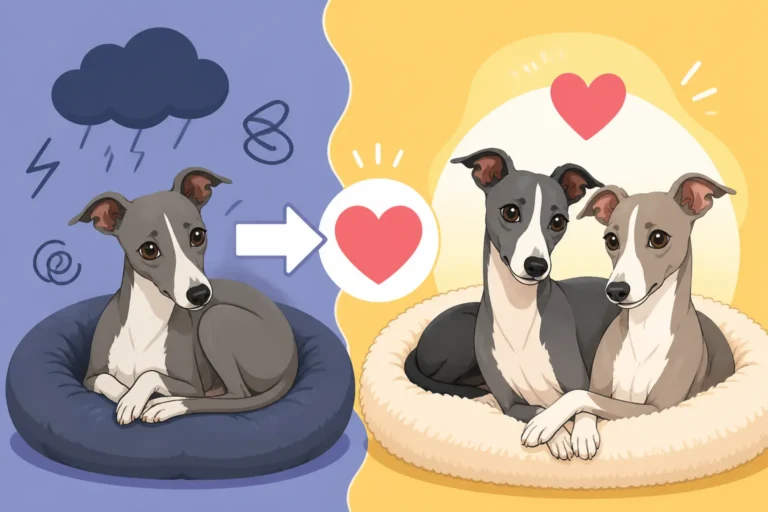
Italian Greyhounds are often affectionately called "Velcro dogs," and for good reason. They are renowned for their intense bond with their human companions, preferring to be in the same room, on the same couch, or even under the same blanket as you at all times. This isn't just a quirky personality trait; it's deeply ingrained in their breed history and temperament. Understanding this fundamental aspect of their nature is the first step to helping them manage alone time.
The Velcro Dog Tendency: More Than Just a Cute Nickname
The "Velcro dog" label isn't just for fun; it accurately describes the Italian Greyhound's profound need for proximity and connection. These aren't dogs that are content to simply be in the house with you; they want to be on you, beside you, or at the very least, within sight. This instinct stems from centuries of being cherished companions to nobility, bred not for hunting or work, but purely for companionship and warmth. Their delicate frames and sparse coats meant they relied heavily on humans for protection and comfort, reinforcing this deep attachment.
When you bring an Italian Greyhound into your home, you're essentially signing up for a shadow. They will follow you from room to room, curl up at your feet while you work, and likely vie for a spot in your bed at night. This constant company is what brings them the most security and joy. When this constant presence is removed, even for a short while, it can feel like a significant disruption to their world, leading to confusion and distress if not managed carefully. The article The Velcro Dog: What Constant Company Means With an Italian Greyhound delves further into this fascinating aspect of their personality.
Sensitive Souls and Security Needs
Beyond just wanting to be near you, Italian Greyhounds are incredibly sensitive creatures. They are highly attuned to their owners' moods and routines, and any deviation can be unsettling. Loud noises, sudden movements, or unfamiliar environments can cause them significant anxiety. When left alone, this inherent sensitivity can amplify feelings of insecurity. They thrive on routine and predictability, and an empty house can feel anything but predictable if they haven't been prepared for it.
Their physical delicacy also plays a role in their psychological need for security. Being so slender and lightweight, they instinctively look to their human guardians for safety and protection. A perceived threat, even if it's just the silence of an empty house or the rustle of leaves outside, can become a source of fear. This heightened sensitivity means that simply closing the door and walking away, hoping for the best, is rarely a successful strategy. Instead, a thoughtful, empathetic approach is required to build their confidence in being by themselves.
Factors Influencing Alone Time Tolerance
While Italian Greyhounds, as a breed, are known for their attachment, not every individual dog will react to alone time in the same way. Several factors contribute to how well an Italian Greyhound copes when their humans are away. Understanding these nuances can help you tailor your approach to your specific dog's needs.
Age and Training: A Developmental Perspective
The ability to cope alone is heavily influenced by an Italian Greyhound's age and the training they've received from a young age. A puppy, for instance, has a much shorter tolerance for solitude than a well-adjusted adult.
Puppies, especially under six months old, are like infants. They need frequent potty breaks, constant supervision, and reassurance. Leaving a young Italian Greyhound puppy alone for extended periods is not only unfair but can also lead to significant developmental setbacks, including difficulty with housetraining. Their bladders are tiny, and they cannot "hold it" for long, making frequent trips outside a necessity. Attempting to force a young puppy to be alone for hours will likely result in accidents and could inadvertently teach them that being alone is a scary, unpleasant experience. The article How Often an Italian Greyhound Puppy Needs Out provides more detail on their early needs.
Adult Italian Greyhounds, typically past the age of two, generally have a better capacity for handling alone time, provided they have been gradually trained and accustomed to it. A well-socialized and desensitized adult might comfortably manage a few hours. However, even for adults, consistency in routine and positive reinforcement are key. For senior Italian Greyhounds, their tolerance for being alone can start to decrease again. Older dogs may have more frequent needs for potty breaks, experience cognitive decline that makes them more anxious or confused when alone, or have physical ailments that require more frequent checking. The Age an Italian Greyhound Is Considered Senior might change their ability to cope.
Individual Temperament and Past Experiences
Just like people, every Italian Greyhound has a unique personality. Some are naturally more independent and resilient, while others are inherently more timid or prone to anxiety. These individual temperaments play a huge role in how they handle solitude. A bold, confident Italian Greyhound might nap peacefully while you're out, whereas a shy or nervous one might become distressed very quickly.
A dog's past experiences can also profoundly impact their ability to be alone. Italian Greyhounds adopted from rescue, particularly those who have experienced neglect, abandonment, or multiple home changes, may carry a heavier burden of anxiety. They might fear that your departure means they will not return, leading to intense separation distress. These dogs often require an even more patient and understanding approach, focusing on rebuilding trust and slowly demonstrating that your leaving is always followed by your return. A positive history of being left alone for short, manageable durations builds confidence, while negative experiences can create lasting challenges. How a Rescue Italian Greyhound Learns to Trust is a crucial read for those considering adoption.
Home Environment and Enrichment During Alone Time
The environment you leave your Italian Greyhound in, and the resources available to them, are critical. A barren, quiet house offers little comfort or distraction, while a thoughtfully prepared space can make a world of difference.
Consider the layout and safety of their designated area. Is it a crate? A puppy-proofed room? Ensure it's free from hazards, especially given their delicate nature. Providing a comfortable, warm bed is paramount, as Italian Greyhounds struggle with cold. A soft blanket or a heated bed can offer immense comfort. Enrichment items are also vital. Puzzle toys filled with treats, durable chew toys, or even a long-lasting chew can provide mental stimulation and keep them occupied, associating alone time with positive experiences. Leaving on a radio or a TV with calming music or nature sounds can also help fill the silence and provide a sense of background noise, mimicking a lived-in home.
Recognizing Signs of Separation Anxiety
It's heartbreaking to imagine your beloved Italian Greyhound struggling when you're not home, and knowing what to look for is the first step in addressing any issues. Separation anxiety isn't just "being naughty"; it's a genuine panic response that can manifest in several concerning ways.
Destructive Behaviors and Accidents
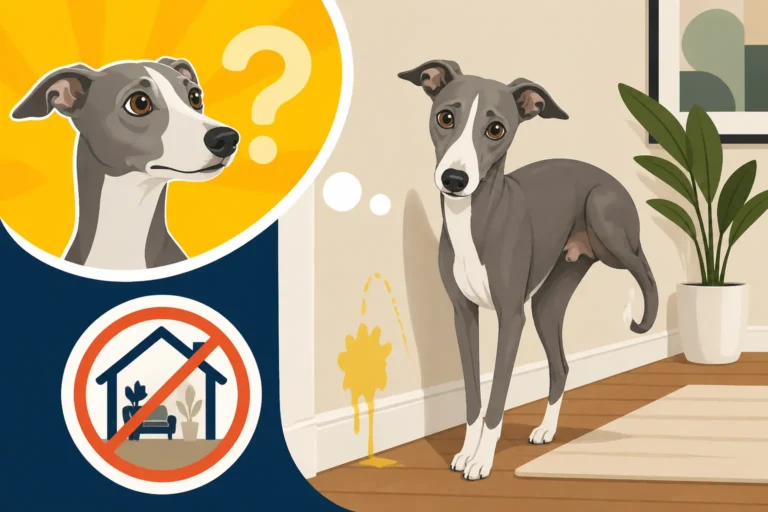
One of the most common and frustrating signs of separation anxiety in Italian Greyhounds is destructive behavior and house-soiling. You might return home to chewed furniture, scratched doors, torn bedding, or even urine and feces on the floor, despite your dog usually being reliably housetrained.
These aren't acts of malice or spite. When an Italian Greyhound is in a panic, they're not thinking rationally; they're trying to cope with an overwhelming flood of stress hormones. Chewing can be a self-soothing mechanism, an attempt to relieve tension, or an instinctive effort to "escape" their confinement. They might chew at doorways or windows in an attempt to follow you. Similarly, house-soiling during an anxiety episode is often involuntary. The stress can upset their digestive system or cause them to lose bladder control. It’s important not to punish these behaviors, as that will only increase their anxiety and erode trust. Instead, focus on understanding the root cause. This often links back to Why an Italian Greyhound Marks Indoors even when otherwise housetrained.
Vocalizations and Pacing
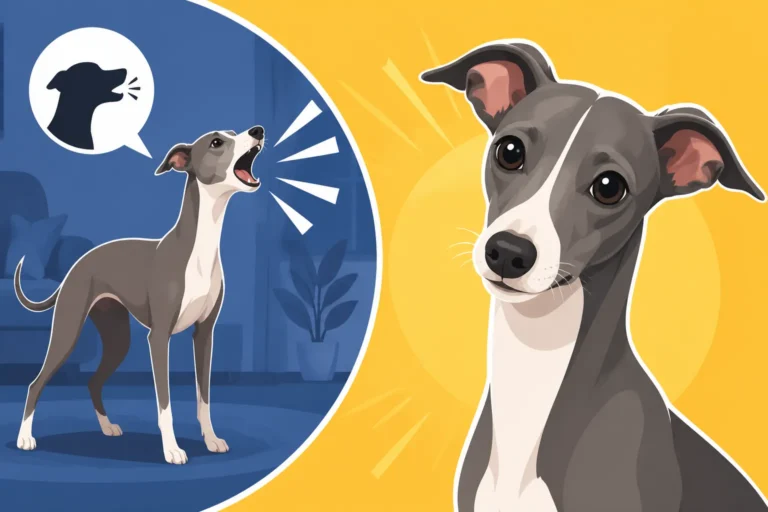
Another tell-tale sign that your Italian Greyhound is struggling when alone is excessive vocalization. This can include incessant barking, howling, or whimpering that only stops when you return. Unless you have a pet camera or a neighbor willing to report, this can be hard to detect, but it’s a clear indicator of distress.
Pacing is another common symptom. An anxious Italian Greyhound might walk circles, continuously move from one spot to another, or repeatedly look out windows or at the door, unable to settle. They might pant excessively, even in a cool room, or drool more than usual. These are physical manifestations of their heightened stress response. Imagine feeling trapped and desperate for comfort – these are the behaviors that result from that internal state. If you suspect your Italian Greyhound is experiencing this, a pet camera can be an invaluable tool to observe their behavior discreetly.
Physical Symptoms and Withdrawal
Beyond the more obvious behaviors, separation anxiety can also manifest in more subtle physical symptoms or changes in demeanor that you might notice upon your return or over time. Some Italian Greyhounds might refuse to eat or drink while you are gone, leading to weight loss or dehydration if absences are frequent. Others might compulsively lick or chew at their paws or other body parts, creating "hot spots" or skin irritation as a self-soothing behavior.
When you return home, an anxious Italian Greyhound might be overly exuberant, almost frantic in their greeting, or conversely, they might appear withdrawn, hiding or acting subdued for a period. Chronic stress can also suppress their immune system, making them more susceptible to illness. If you notice a consistent pattern of these behaviors, it's crucial to address the underlying anxiety rather than just the symptoms.
Strategies for Helping Your Italian Greyhound Cope
Helping your Italian Greyhound become comfortable with alone time is a process that requires patience, consistency, and a deep understanding of their sensitive nature. It’s not about making them less attached, but empowering them to feel secure even when you’re not physically present.
Gradual Desensitization and Training Techniques
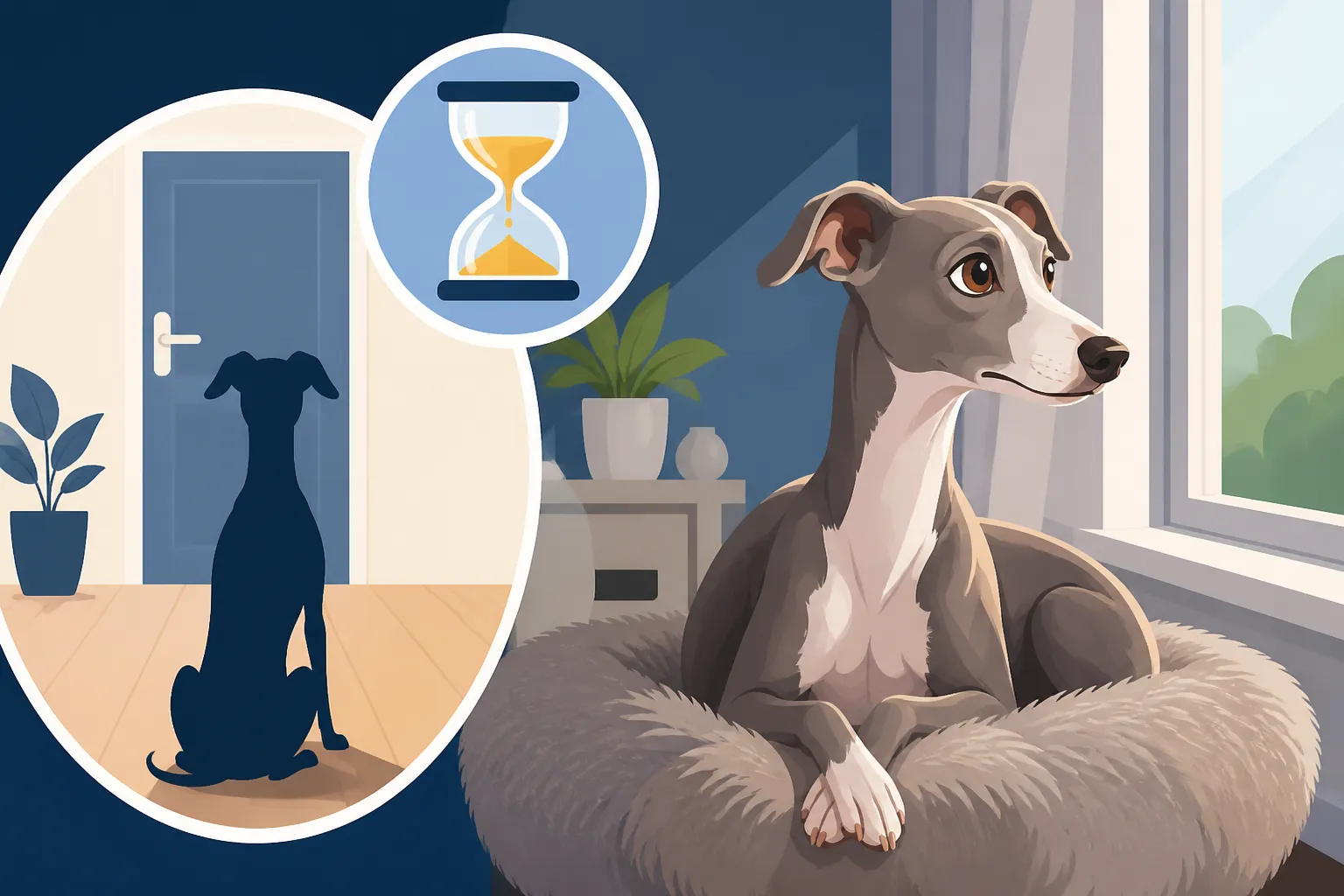
The key to successful alone-time training is gradual desensitization. This means slowly increasing the duration of your absence, ensuring each experience is positive and manageable for your dog. Start incredibly small: step out the door for literally 10-15 seconds, then return and calmly reward your Italian Greyhound if they remained quiet and relaxed. Don't make a big fuss about leaving or returning, as this can heighten their anticipation and anxiety.
Slowly, over days or weeks, extend these periods. Go out for a minute, then five, then ten. The goal is to build their confidence incrementally. Give them a special, high-value treat or a puzzle toy only when you leave, something that will keep them occupied for a few minutes. This helps them associate your departure with something positive. You might consider an online puppy training program, such as those offered by BAXTER & Bella, which often include modules on building confidence and managing alone time, even for older dogs. These programs can provide structured guidance and support. Consistency is crucial; avoid long absences during the early stages of training.
Creating a Safe and Enriching Environment
The physical environment you leave your Italian Greyhound in plays a huge role in their comfort level. A safe, comfortable, and enriching space can transform alone time from a stressful experience into a peaceful nap or play session.
Crate Training: For many Italian Greyhounds, a crate can become a den of security. It should be a comfortable, appropriately sized space with soft bedding and maybe a familiar blanket that smells like you. Never use the crate as punishment, and ensure your Italian Greyhound associates it with positive experiences. A cozy crate can offer a sense of security and prevent destructive behaviors around the house. For more on this, check out Crating an Italian Greyhound Overnight.
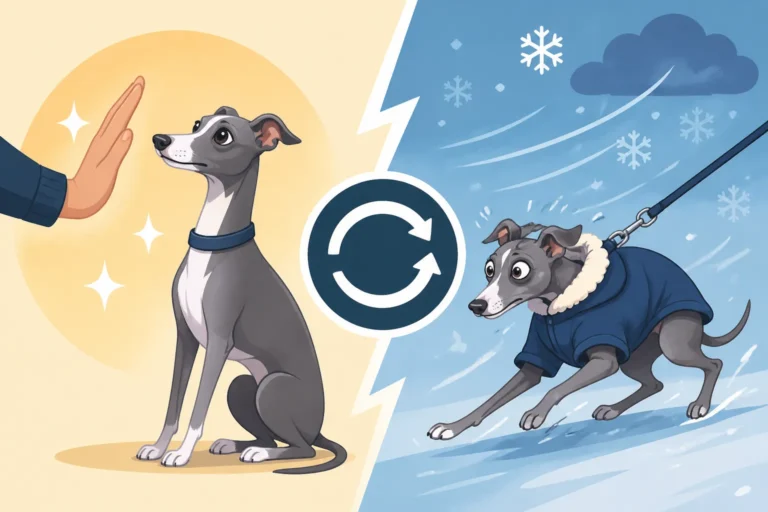
Comfort and Warmth: Italian Greyhounds get cold easily due to their thin skin and lack of body fat. Ensure their resting area is warm, especially if you live in a cooler climate or keep your home air-conditioned. A heated bed or a pile of soft blankets on a regular bed can make a big difference. Many owners find a comfortable, well-fitting sweater can also help them feel more secure and warm indoors, available on platforms like Amazon.
Enrichment Toys: Invest in high-quality, durable enrichment toys. Puzzle feeders that dispense kibble slowly, KONG toys filled with peanut butter or treats, or long-lasting chews can provide mental stimulation and keep them busy. Rotate these toys so they don't get bored. Leaving a radio or a white noise machine on can also mask outdoor sounds and provide a comforting background. A pet camera is a fantastic tool to observe your dog’s behavior when you’re not there, helping you identify what works and what doesn’t.
Professional Help and Medication
Sometimes, despite your best efforts, an Italian Greyhound's separation anxiety is too severe to manage with training alone. This is when professional help becomes invaluable. A certified professional dog trainer or a veterinary behaviorist can assess your dog's specific situation, identify triggers, and develop a tailored behavior modification plan. They can teach you advanced desensitization techniques and offer strategies that might not be obvious to the average owner.
In more severe cases, your veterinarian might recommend medication to help manage your Italian Greyhound's anxiety. Anti-anxiety medications, when used in conjunction with a behavior modification plan, can help reduce the intensity of their panic, making them more receptive to training. This isn't a "cure-all" but a tool to help your dog feel more comfortable during the re-training process. Never attempt to medicate your dog without veterinary guidance. Discussing their medical history and overall health is crucial, especially concerning Why Anesthesia Is Handled Differently in an Italian Greyhound for other procedures, as their unique physiology needs careful consideration for any medication.
Practical Time Limits for Leaving an Italian Greyhound Alone
While every Italian Greyhound is an individual, there are general guidelines for how long they can reasonably be expected to cope alone. These are not hard and fast rules, but rather benchmarks to ensure their physical and emotional well-being.
Puppy Considerations
Italian Greyhound puppies, particularly those under six months old, have extremely limited bladders and an even greater need for social interaction and supervision. Leaving them alone for long stretches can be detrimental to their development and housetraining progress.
| Age of Italian Greyhound Puppy | Maximum Recommended Alone Time (Approx.) | Key Considerations |
|---|---|---|
| 8-10 Weeks | 1-2 hours | Very small bladder, high need for reassurance. |
| 10-12 Weeks | 2-3 hours | Still needs frequent potty breaks and social contact. |
| 3-6 Months | 3-4 hours | Bladder capacity improving, but still highly dependent. |
Remember, these are maximums and assume the puppy is safely confined (like in a crate) with appropriate toys and water. Ideally, a young Italian Greyhound puppy should have someone check on them or be taken out to potty every 2-3 hours. If you work away from home, this might mean hiring a dog walker, enlisting a friend, or utilizing a doggy daycare for part of the day. The article How Often an Italian Greyhound Puppy Needs Out reinforces how vital frequent potty breaks are for their success in housetraining.
Adult Italian Greyhounds: How Long is Too Long?
For a well-adjusted, adult Italian Greyhound (typically over one year old) who has been properly desensitized to alone time, the general consensus is that they can comfortably be left alone for 4-6 hours. Some exceptionally calm and well-trained individuals might stretch to 8 hours occasionally, but this should not be a daily routine.
Beyond 6-8 hours, even the most independent Italian Greyhound is likely to experience discomfort, primarily due to needing a potty break. Holding their bladder for too long can lead to discomfort, accidents, and even long-term urinary tract issues. More importantly, prolonged solitude can lead to boredom, loneliness, and the onset or exacerbation of separation anxiety. Italian Greyhounds thrive on interaction, and an entire workday spent alone is simply too much for most of them. If your work schedule requires longer absences, consider a mid-day dog walker, a trusted neighbor, or a doggy daycare that caters to small, delicate breeds like Iggies.
Senior Italian Greyhounds: Increased Needs
As Italian Greyhounds enter their golden years, their needs often increase, and their tolerance for being alone might decrease. The Age an Italian Greyhound Is Considered Senior is a point where changes in care become more prevalent. Older dogs may develop health conditions that necessitate more frequent potty breaks, such as kidney disease or weakened bladder control. They might also experience cognitive dysfunction (similar to dementia in humans), which can make them more disoriented and anxious when left alone in an empty house.
For senior Italian Greyhounds, aim to keep alone periods shorter, ideally no more than 3-5 hours. They might benefit from more frequent check-ins, closer monitoring, and a particularly cozy, quiet space where they feel secure. Their joints might be stiffer, making it harder for them to get up and move around comfortably, so easy access to water and a comfortable bed is even more crucial. Empathy for their changing physical and mental capabilities is paramount in ensuring their comfort during their later years.
Disclaimer
This article is for general informational purposes only and does not constitute professional advice. Laws, prices and regulations vary by location and change over time. Consult a qualified professional for guidance on your specific situation.