What a Sighthound Experienced Vet Charges
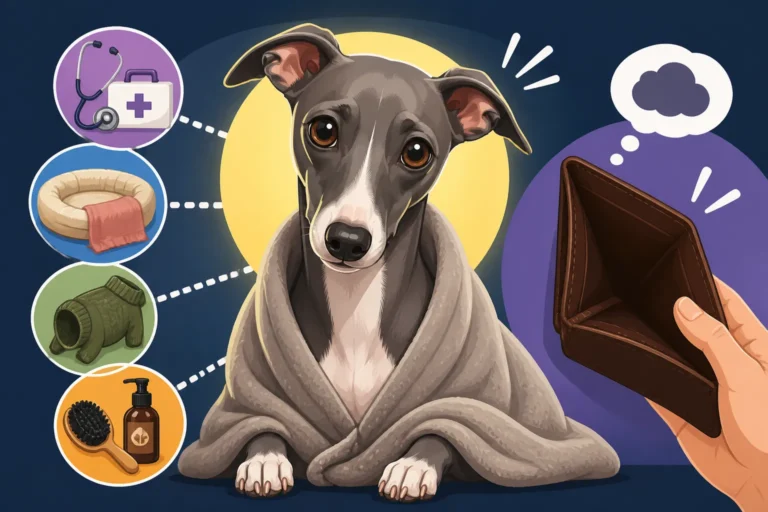
It's a common fear among Italian Greyhound owners: you know your sweet, delicate companion needs top-notch veterinary care, but you also understand their unique physiology means not just any vet will do. Many of us worry about finding a veterinarian truly experienced with sighthounds and what those specialized services will cost. This comprehensive guide will help you understand the charges associated with a sighthound-experienced vet, detailing everything from routine visits to emergency care, so you can budget wisely and ensure your beloved Iggy receives the best possible attention.
Why a Sighthound-Experienced Vet Is a Must for Your Italian Greyhound
When you own an Italian Greyhound, you're not just owning a dog; you're caring for a sighthound, and that comes with a very specific set of physiological quirks and health considerations. A general practice vet, while perfectly competent for many breeds, might not have the depth of knowledge crucial for optimal Italian Greyhound care. It's not about competence; it's about specialized experience that can make all the difference.
Understanding Unique Physiological Needs
Italian Greyhounds, like all sighthounds, have a lean body mass, minimal body fat, and a unique metabolism. These aren't just cosmetic traits; they impact everything from their tolerance for certain medications to how quickly they regulate body temperature. A vet who sees a lot of Italian Greyhounds will instinctively understand these differences. For instance, their thinner skin and delicate bone structure mean they're prone to certain types of injuries that might be less common in other breeds. This understanding allows for more proactive and appropriate care, preventing minor issues from escalating. They also often have unique sensitivities to cold, which a sighthound-savvy vet will factor into care during examinations or recovery.
Anesthesia Protocols and Metabolism
This is perhaps the most critical area where sighthound experience truly shines. Italian Greyhounds metabolize drugs, especially anesthetic agents, differently than other dogs. Their low body fat means drugs don't get stored and released slowly from fat cells; instead, they remain in the bloodstream longer, leading to a much slower and potentially more dangerous recovery. Many standard anesthetic protocols can be too strong or too long-lasting for an Italian Greyhound, leading to prolonged recovery times, hypothermia, and other complications.
A vet experienced with sighthounds will use specific, breed-appropriate anesthetic agents, often in reduced dosages, and will implement aggressive warming protocols during and after any procedure. They understand the nuances of how long an Italian Greyhound takes to metabolize these drugs and will monitor them meticulously throughout recovery. This specialized approach, while potentially incurring slightly higher costs due to more specialized drugs and monitoring equipment, is absolutely vital for your Iggy's safety. It’s why you'll often hear discussions about Why Anesthesia Is Handled Differently in an Italian Greyhound. They know Why a Nine Pound Italian Greyhound Gets Cold on the Table and how to prevent it.
Breed-Specific Health Risks
Beyond anesthesia, Italian Greyhounds have certain predispositions that an experienced vet will be on the lookout for. These include notorious leg fractures, especially in their younger years, and a high incidence of dental disease. A sighthound vet is already familiar with these risks and will provide tailored advice for prevention and early intervention. They'll know to counsel you on creating a safe environment to prevent breaks, for example, or to start discussing dental care from a very early age. They can also provide guidance on other common issues, like patellar luxation or certain eye conditions. This proactive approach can often save money in the long run by preventing serious complications or catching problems when they are more treatable.
Common Procedures and Their Cost Implications for Italian Greyhounds
Let's talk about the brass tacks: what does this specialized care actually cost? While individual prices vary widely based on location, clinic, and the specific vet's expertise, we can discuss the shape of these costs and where a sighthound-experienced vet might have different charges or recommendations.
Routine Check-ups and Vaccinations
For annual check-ups and vaccinations, the base cost might not differ drastically between a general vet and a sighthound-experienced one. However, what is different is the thoroughness and specific focus of the examination. A sighthound vet will pay extra attention to joint health, dental assessment, and any subtle signs of discomfort that an Italian Greyhound, notorious for hiding pain, might exhibit. They'll often provide more detailed nutritional advice tailored to an Iggy's lean build and fast metabolism.
Sometimes, the consultation fee might be slightly higher due to their specialized knowledge, or they might recommend specific vaccinations only after a careful risk assessment, rather than a blanket protocol. They might also discuss prevention strategies for common Iggy issues, like how to prevent fractures at home or the importance of early dental care, providing more comprehensive guidance during these routine visits. This extra attention, while not always reflected in a higher line-item cost for "exam," provides immense value.
Dental Care: A Lifelong Investment
If there's one thing Italian Greyhound owners learn quickly, it's that dental health is not optional; it's absolutely critical. Periodontal Disease Is the Italian Greyhound's Most Common Diagnosis, and it can start shockingly early. A sighthound-experienced vet understands the unique challenges of an Iggy's mouth – their crowded teeth and delicate jawbones. They will likely recommend annual dental cleanings starting at a younger age than for many other breeds, sometimes even before two years old.
The cost of a dental cleaning with a sighthound-experienced vet might include:
- Pre-anesthetic bloodwork: Crucial for all Iggies, especially given their anesthetic sensitivities.
- Specialized anesthetic protocols: As discussed, lighter, sighthound-safe drugs and meticulous monitoring.
- Full mouth dental X-rays: Essential for assessing the health of the entire tooth structure and detecting issues beneath the gumline, which are prevalent in Iggies.
- Extractions: Often necessary due to crowding and advanced disease. The cost per extraction can vary significantly.
While these comprehensive cleanings might seem more expensive upfront than a basic cleaning at a general practice, they are often more thorough and safer for your Iggy. They reduce the risk of missed issues and anesthetic complications. Remember, Dental Work Repeats Every Year of an Italian Greyhound's Life, so budgeting for this is key.
Here's a generalized comparison of common vet costs for an Italian Greyhound, recognizing these are ranges and actual prices will differ significantly:
| Service | General Practice (Estimate) | Sighthound-Experienced Vet (Estimate) | Notes |
|---|---|---|---|
| Annual Wellness Exam | Moderate | Moderate to Slightly Higher | Focus on breed-specific issues, more detailed counseling. |
| Core Vaccinations | Moderate | Moderate | May tailor protocols based on individual risk. |
| Routine Dental Cleaning | Moderate to High | Higher | Includes specialized anesthesia, X-rays, more thorough examination. |
| Complex Dental Extractions | High | Higher | Expertise with delicate Iggy jaws, often requires more time and specialized tools. |
| Fracture Repair (Surgical) | Very High | Very High to Specialist Referral | Complex, often requires orthopedic specialist; IG-specific challenges handled with expertise. |
| Pre-Anesthetic Bloodwork | Moderate | Moderate | Essential for all Iggies. |
| Emergency Exam | High | High | Immediate recognition of Iggy-specific emergencies, like severe lameness or hypothermia. |
| Anesthesia Monitoring (Hourly) | Moderate | Moderate to Slightly Higher | May include advanced monitoring equipment and dedicated personnel for Iggy safety. |
Disclaimer: These are general comparative estimates. Actual costs vary widely by region, clinic, and specific procedures.
Fracture Management: The Big One
Every Italian Greyhound owner lives with the fear of a broken leg. These dogs are incredibly fragile, and a simple jump off the sofa can lead to a devastating fracture. The Age an Italian Greyhound Is Most Likely to Break a Leg is under two years, when their bones are still hardening. When a fracture occurs, the cost can be astronomical. What Fracture Repair Costs on an Italian Greyhound is often the single biggest vet bill an Iggy owner will ever face.
A sighthound-experienced vet might initially stabilize the fracture, but they will almost certainly recommend referral to a board-certified orthopedic specialist, as Iggy fractures are notoriously difficult to repair. The cost of a specialist is naturally higher. They possess the specific surgical skills and experience with Italian Greyhound bone structure (their radius and ulna, in particular) to attempt a successful repair. They understand the post-operative care, strict crate rest, and physical therapy needed for these delicate legs. While the upfront cost is higher, trusting a specialist greatly improves the chances of a successful outcome and can prevent the need for costly revision surgeries or even amputation. This expertise is invaluable and absolutely worth the investment when this kind of emergency arises.
Preventative Care: Value vs. Standard Vet for Italian Greyhounds
Preventative care is where a sighthound-experienced vet truly shines, offering value that might not be immediately apparent in the price of a single visit. They don't just treat problems; they anticipate them, helping you implement strategies to keep your Iggy healthier and safer in the long run.
Tailored Wellness Plans
A general vet might offer a generic wellness plan, but a sighthound-experienced vet will offer one specifically tailored to the unique needs of an Italian Greyhound. This means their recommendations for diet, exercise, and environmental modifications are far more precise. For example, they'll emphasize the critical importance of ramps and steps to prevent falls and fractures. They might suggest specific supplements for joint health at a younger age, or recommend a particular type of dental hygiene product that is safe and effective for Iggies.
They'll also discuss appropriate weight management, understanding that an Italian Greyhound should be very lean, but not emaciated. They can guide you through nutritional choices, perhaps suggesting brands like Ollie, known for fresh, customized meal plans, or discussing options available on platforms like Chewy for specialized kibble, ensuring your Iggy gets the right balance without excess weight that could stress their delicate bones. This personalized guidance helps you make informed choices that contribute to a longer, healthier life, potentially avoiding costly health issues down the road.
Early Detection for Breed-Specific Issues
Because a sighthound-experienced vet is intimately familiar with Italian Greyhound predispositions, they are much better at identifying the subtle signs of emerging problems. This includes everything from the early stages of Periodontal Disease Is the Italian Greyhound's Most Common Diagnosis to nascent signs of a slipping kneecap (patellar luxation) or developing eye conditions. They know How an Italian Greyhound Hides Pain and will probe for the smallest indications of discomfort, which might be missed by a less experienced vet.
For example, during a routine exam, they might notice a tiny bit of plaque on a puppy's tooth and immediately emphasize daily brushing and early dental care, rather than waiting until the problem is advanced. Or they might educate you on Setting Up a House an Italian Greyhound Cannot Break a Leg In, reducing the risk of a devastating injury. Early detection often means less invasive, less expensive, and more successful treatment outcomes. This preventative mindset is a significant benefit that truly makes the investment in a specialized vet worthwhile.
Emergency and Specialty Care Considerations
Unfortunately, even with the best preventative care, emergencies and specialty needs can arise. How does a sighthound-experienced vet factor into these situations, and what are the cost implications?
Emergency Hospital Visits
In an emergency, the absolute priority is getting immediate, competent care. If your Italian Greyhound suffers a sudden injury, like The Jump Off the Sofa That Breaks an Italian Greyhound's Leg, or develops a rapid illness, you might rush to the nearest emergency veterinary hospital. Ideally, that emergency hospital will have vets and staff familiar with sighthound physiology. If not, your primary sighthound-experienced vet can often liaise with the emergency team to ensure breed-appropriate care, especially regarding pain management and anesthesia, should surgery be required.
The costs for emergency visits are inherently high due to after-hours staffing, specialized equipment, and urgent diagnostics. However, if the emergency vet is sighthound-savvy, they will make more targeted diagnostic and treatment choices, potentially saving time and money by avoiding unnecessary tests or inappropriate medications. For instance, they'll be acutely aware of which sedatives an Italian Greyhound should not be given, and will opt for safer alternatives. Knowing you have a vet who understands these nuances, even if it’s a consultation over the phone, provides immense peace of mind and better outcomes.
Specialist Consultations (Orthopedic, Dermatology, Cardiology)
For complex issues, your primary sighthound-experienced vet will likely refer you to a board-certified specialist. These specialists could be in orthopedics for a fracture, dermatology for skin issues common in Iggies like Color Dilution Alopecia, or cardiology for potential heart murmurs. The costs for specialist consultations are always higher than general practice visits, as you are paying for an advanced level of expertise, diagnostics, and often, cutting-edge treatment options.
- Orthopedic Specialists: As mentioned, critical for fracture repair. Their fees for initial consultation, advanced imaging (MRI, CT scans), and surgery will be substantial.
- Dermatology Specialists: If your Iggy develops persistent skin issues, especially if they are a blue or fawn Iggy prone to color dilution alopecia, a dermatologist can provide targeted treatments.
- Cardiology Specialists: For older Italian Greyhounds, heart murmurs can develop. A cardiologist can accurately diagnose the issue and recommend appropriate medication or management. The Heart Murmur an Old Italian Greyhound Develops often requires specialist input.
While costly, these specialists offer the highest level of care for specific, complex problems, giving your Italian Greyhound the best chance at recovery and a good quality of life. Your sighthound-experienced vet will be instrumental in identifying when a specialist referral is necessary and can help coordinate care.
Navigating Vet Bills and Financial Planning for Your Italian Greyhound
The costs associated with owning an Italian Greyhound, especially with specialized vet care, can add up. It’s important to have a plan in place to manage these expenses.
Pet Insurance: Is It Worth It for an Iggy?
For an Italian Greyhound, pet insurance can be a lifesaver, especially considering their propensity for broken legs and the recurring nature of dental disease. Many owners look into insurance options from providers like Healthy Paws to mitigate the financial shock of unexpected emergencies. While pet insurance involves a monthly premium, it can cover a significant portion of eligible veterinary bills, particularly for accidents and illnesses.
When evaluating pet insurance for an Italian Greyhound, pay close attention to:
- Accident coverage: Absolutely critical for Iggies. Ensure it covers orthopedic injuries.
- Illness coverage: Essential for dental disease, patellar luxation, or other breed-specific conditions that might arise.
- Deductibles and reimbursement rates: Understand how much you pay out-of-pocket before coverage kicks in, and what percentage of the bill is reimbursed.
- Waiting periods: Be aware that there's usually a waiting period before coverage starts, so don't wait until an emergency happens to enroll.
- Exclusions: Some policies might exclude pre-existing conditions or certain hereditary issues, so read the fine print carefully.
What Pet Insurance Actually Covers on an Italian Greyhound is a crucial question to ask. For a breed with such specific vulnerabilities, a good insurance policy can turn a potentially devastating financial blow into a manageable expense.
Budgeting for Expected and Unexpected Costs
Even with insurance, you'll still have out-of-pocket expenses. It’s wise to budget for both the expected and the unexpected.
- Expected costs: Include annual wellness exams, vaccinations, monthly parasite prevention, and, critically, annual dental cleanings. Factor in the cost of high-quality food (perhaps from a brand like Chewy, which offers a wide selection and often delivery discounts), appropriate winter clothing, and ramps/steps to prevent injuries. Remember What an Italian Greyhound Costs Per Month in general care.
- Unexpected costs: This is where the emergency fund comes in. Aim to have at least a few thousand dollars set aside specifically for veterinary emergencies, as a single fracture repair can easily reach that amount. If insurance has a high deductible, this fund will cover that.
A responsible Italian Greyhound owner plans for these costs, understanding that their delicate nature makes them more susceptible to high-cost veterinary interventions.
Payment Plans and Financial Aid
If you find yourself facing a large, unexpected veterinary bill without sufficient funds or insurance, don't despair. Many veterinary clinics and specialist hospitals offer payment plans or work with third-party financing options like CareCredit. These allow you to pay off large bills in installments, often interest-free for a certain period.
Additionally, there are various charitable organizations and breed-specific rescues that sometimes offer financial aid for veterinary emergencies. Your sighthound-experienced vet or specialist clinic might be able to direct you to these resources. Never hesitate to discuss financial concerns with your veterinary team; they are often willing to explore all available options to ensure your Italian Greyhound receives the care it needs.
Finding the Right Sighthound Vet for Your Italian Greyhound
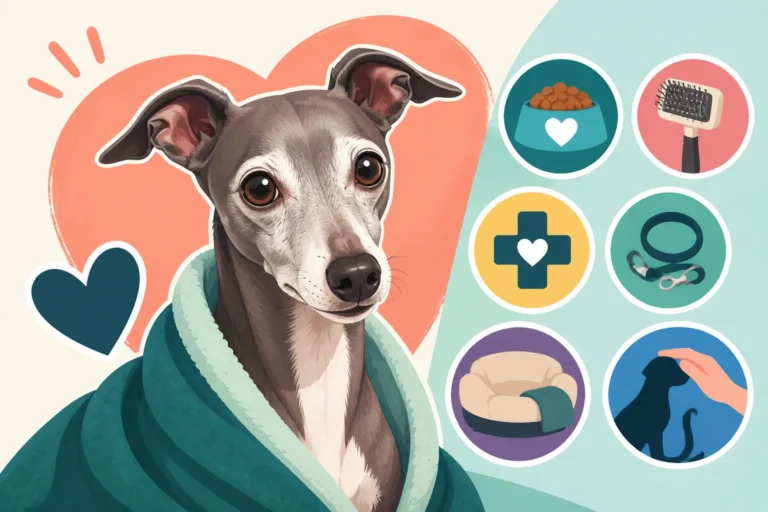
Finding a vet who truly understands Italian Greyhounds and other sighthounds is paramount. It’s not just about cost; it’s about expertise, safety, and peace of mind.
What to Look For in a Vet
When searching for a vet for your Italian Greyhound, here are some key qualities and experiences to prioritize:
- Sighthound Experience: This is non-negotiable. Ask directly about their experience with Italian Greyhounds, Greyhounds, Whippets, and other sighthounds. A vet who has treated many Iggies will speak confidently about their unique needs.
- Anesthesia Protocols: Inquire about their specific anesthetic protocols for sighthounds, including the types of drugs they use and their monitoring procedures. They should be able to articulate why Why Anesthesia Is Handled Differently in an Italian Greyhound.
- Dental Care Philosophy: Ask about their approach to dental care for small breeds with crowded mouths. Do they recommend early cleanings? Do they use full-mouth X-rays?
- Orthopedic Awareness: While they may not perform complex fracture repairs themselves, they should be well-versed in Iggy fracture risks and knowledgeable about referral to orthopedic specialists. They should be able to give advice on Setting Up a House an Italian Greyhound Cannot Break a Leg In.
- Empathetic and Communicative: Beyond technical skills, you want a vet who is a good communicator, explains things clearly, and is empathetic to your concerns as an Iggy owner. You need to feel comfortable asking questions and expressing worries.
- Emergency Plan: Ask about their protocol for after-hours emergencies or if they have a preferred emergency clinic they work with that is sighthound-aware.
Interviewing Potential Clinics
Don't be shy about "interviewing" potential veterinary clinics. Many will offer a brief introductory visit or phone call to discuss their practice and answer your questions before you commit. This is your chance to assess their suitability for your Italian Greyhound.
Prepare a list of questions based on the points above. Pay attention to how the staff responds; their knowledge and demeanor are as important as the vet's. Ask if they have other Italian Greyhound patients. A clinic that regularly sees sighthounds will have staff who are comfortable handling them, understand their delicate nature, and can guide you through their specific care requirements. You might even find local Italian Greyhound groups or breeders who can recommend trusted veterinarians in your area. This due diligence in finding the right vet, even if it means a slightly higher cost per visit, is one of the most important investments you can make in your Italian Greyhound's long-term health and well-being.
Disclaimer
This article is for general informational purposes only and does not constitute professional advice. Laws, prices and regulations vary by location and change over time. Consult a qualified professional for guidance on your specific situation.