Whether a Rescue Italian Greyhound Can Be Retrained
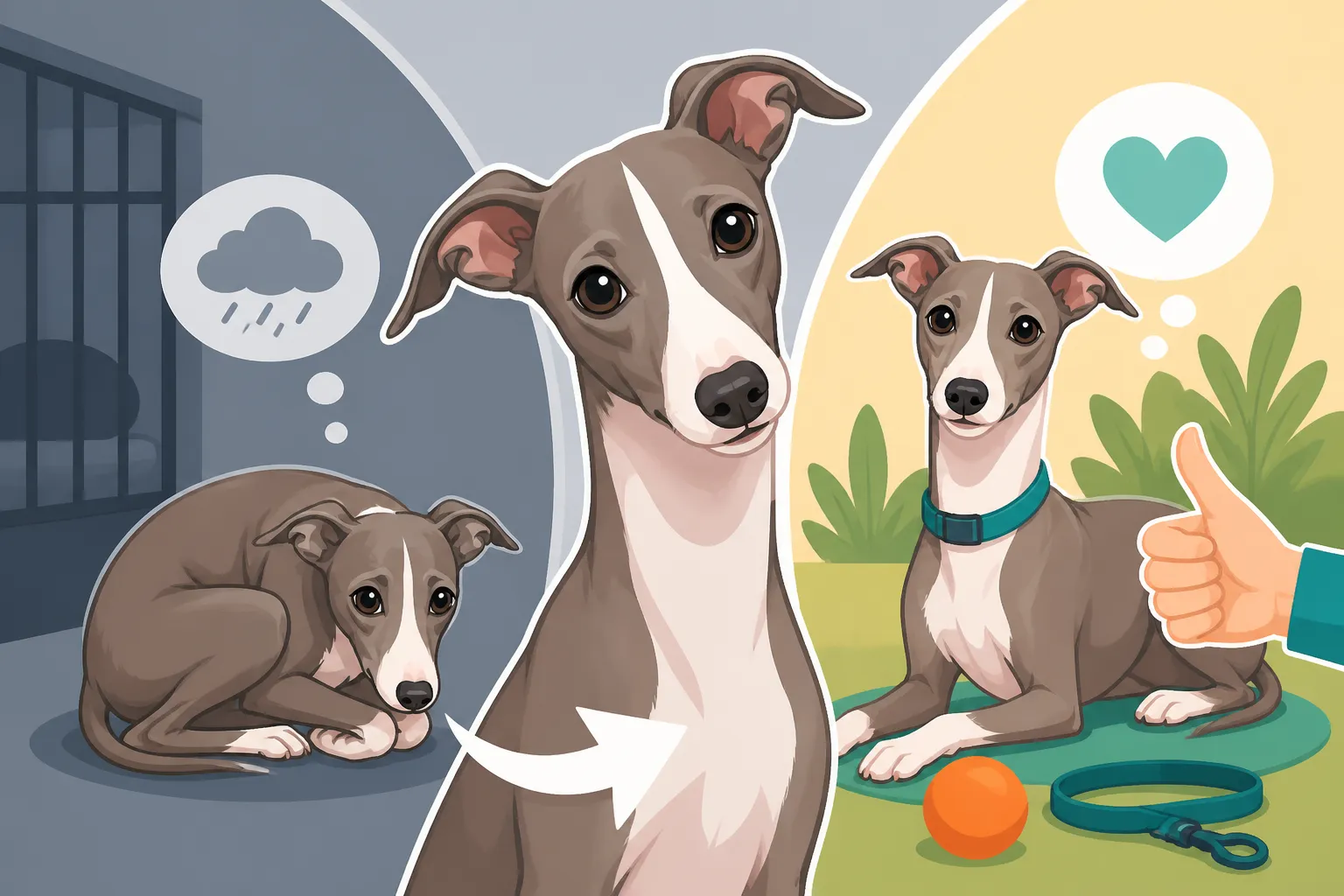
Bringing a rescue Italian Greyhound into your home is an incredibly heartwarming act, but let's be honest, it often comes with its own unique set of challenges. Unlike a puppy raised from eight weeks old in a consistent environment, a rescue dog, particularly one as sensitive and intelligent as an Italian Greyhound, frequently arrives with a history we can only guess at, and behaviors that might not quite fit into your ideal picture. Many new rescue owners wonder if these behaviors are permanent or if their new companion can truly learn new habits. This guide aims to reassure you that, with patience, understanding, and the right approach, a rescue Italian Greyhound absolutely can be retrained, often blossoming into the loving, well-adjusted companion you dreamed of.
The Unique Journey of a Rescue Italian Greyhound
When you open your home to a rescue Italian Greyhound, you're not just getting a dog; you're adopting a story. This isn't a blank slate, and that's okay. Their past experiences, whether positive, negative, or simply lacking in consistency, have shaped who they are when they walk through your door. Recognizing this history, even when it's unknown, is the first step toward successful retraining.
Understanding Their Past Can Help You Understand Their Present
Imagine spending your formative years in an environment where housetraining was never consistently enforced, or perhaps you were punished for accidents rather than guided. Or consider a scenario where your meals were sporadic, leading to food guarding. These are just some of the realities many rescue Italian Greyhounds face before they find their forever home. They might have lived in a shelter, a crowded foster home, or even experienced neglect or abuse. Each of these situations leaves an imprint. Their responses – be it fear, anxiety, resource guarding, or difficulty with basic commands – aren't usually a sign of malice or defiance, but rather learned coping mechanisms or simply a lack of previous training.
For example, a rescue Italian Greyhound might cower at loud noises or sudden movements, a reaction deeply rooted in a past where such stimuli might have preceded something unpleasant. Similarly, a dog that lunges for dropped food might have once known hunger, or learned to grab food quickly before it was taken away. Understanding that these behaviors stem from their individual history, rather than being inherent flaws, allows us to approach retraining with empathy and a commitment to showing them a better way. It's about meeting them where they are and gently guiding them forward.
Common Challenges That Rescue Iggies Bring Home
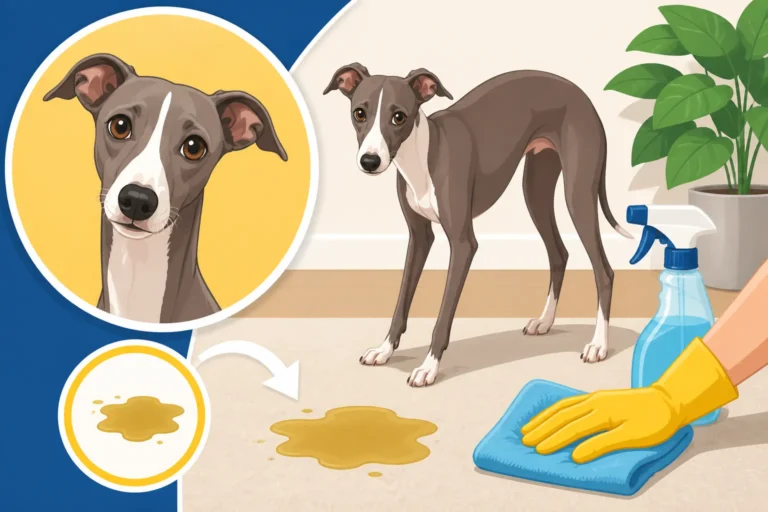
While every rescue Italian Greyhound is an individual, certain challenges tend to surface more frequently due to the breed's sensitive nature and common issues in rescue scenarios. One of the biggest hurdles many owners face is housetraining. Italian Greyhounds are famously particular about where they eliminate, often preferring not to go outside in cold or wet weather. If a rescue has spent time in a kennel environment where they had no choice but to soil their living space, or if their previous owners simply gave up on consistent outdoor potty breaks, it can feel like starting from scratch. You might find yourself saying, "My rescue IG knows to pee outside, but still has accidents inside!" This isn't unusual. Many Iggies struggle with indoor vs. outdoor distinctions, especially when they're new to a home. You can learn more about this by reading Why an Italian Greyhound Is Slow to Housetrain.
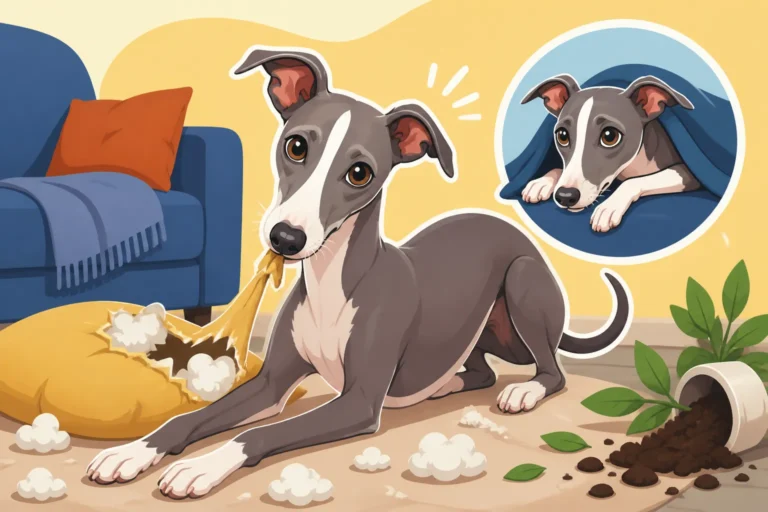
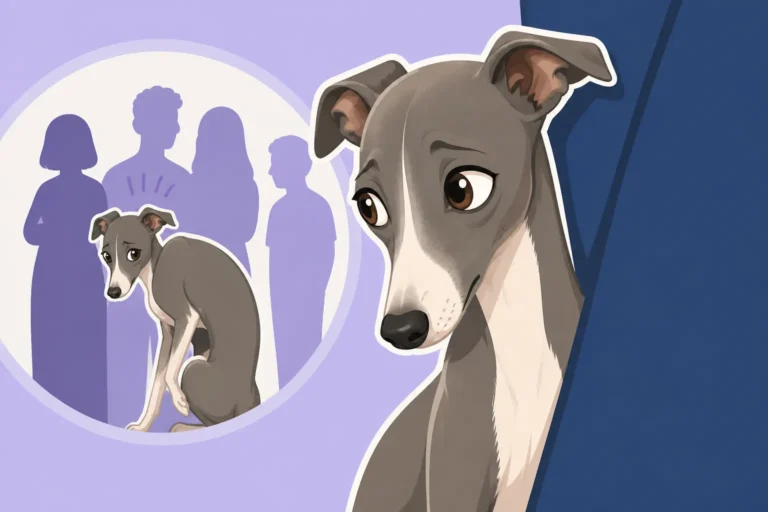
Another widespread issue is separation anxiety. Italian Greyhounds are often referred to as "Velcro dogs" due to their intense attachment to their human companions. If a rescue has experienced abandonment or spent long hours alone, this natural inclination can escalate into full-blown anxiety, manifesting as destructive chewing, incessant barking, or inappropriate urination when left alone. Imagine the distress of a dog who has lost everything once already, suddenly facing the prospect of being left again. Their reactions, while frustrating for us, are born from a deep-seated fear. Fearfulness towards strangers or new situations is also common. Their delicate build and sometimes shy disposition mean they can be easily overwhelmed, leading to barking, hiding, or even nipping if they feel cornered. These aren't insurmountable problems, but they require a compassionate and strategic approach.
Building a Foundation of Trust and Security
Retraining a rescue Italian Greyhound isn't just about teaching new commands; it's fundamentally about rebuilding trust and providing a sense of security. Without these foundational elements, any training efforts will likely fall short. Think of it as patching up a leaky foundation before you start redecorating the house.
Patience, Predictability, and Positive Reinforcement Are Your Pillars
The absolute cornerstones of successful retraining for a rescue Italian Greyhound are patience, predictability, and positive reinforcement. This breed, more than many others, wilts under harsh correction or an inconsistent environment. They thrive on gentle guidance and clear, consistent communication. Yelling or physically punishing an Italian Greyhound for an accident or an undesirable behavior will not only be ineffective but will actively erode the trust you're trying to build. In fact, Why Raising Your Voice Sets an Italian Greyhound Back a Month is a truth many IG owners quickly learn. Instead, focus on rewarding the behaviors you want to see. Did they finally potty outside? Huge celebration! Did they sit politely instead of jumping? Treat and praise! Even small steps deserve recognition.
Predictability in their daily routine is equally vital. A rescue dog thrives on knowing what to expect. Consistent meal times, regular potty breaks, and predictable exercise routines help them settle into their new life and understand the rhythm of your household. This reduces uncertainty, which is a huge source of anxiety for many rescue dogs. It shows them that their world is now safe, stable, and understandable. Over time, this consistency will replace their past anxieties with a sense of calm and confidence, making them far more receptive to learning.
Creating a Safe Haven and Consistent Routine
Every rescue Italian Greyhound needs a designated safe space in your home, a sanctuary where they can retreat and feel completely secure. This might be a cozy crate, a soft bed in a quiet corner, or even a sectioned-off area with blankets and a warm spot. It should be a place where they are never disturbed, especially by children or other pets. This safe haven provides an essential sense of control and allows them to decompress from new stimuli or overwhelming situations. Many Italian Greyhounds love to burrow, so providing a plush bed with blankets or a "snuggle sack" can make this space even more inviting. You can read more about this in The Bedding a Thin Skinned Italian Greyhound Actually Needs.
Alongside their safe space, establishing a consistent daily routine is paramount. Wake-up times, feeding times, walks, playtime, and bedtime should all happen around the same schedule each day. This predictability helps them learn what to expect from their new life. When they know that a walk follows breakfast, or that a cozy cuddle on the sofa happens every evening, it builds confidence and reduces anxiety. A consistent routine also makes it easier to track progress with things like housetraining, allowing you to anticipate their needs and prevent accidents. For a rescue IG that might have bounced between different living situations, this stable environment is priceless.
Tailored Retraining Strategies for Common Issues
Once you've established a foundation of trust and security, you can begin to tackle specific behavioral challenges with tailored strategies. Remember, the goal isn't to "fix" your dog, but to guide them towards more desirable behaviors through understanding and positive reinforcement.
Navigating Housetraining Setbacks with Compassion
Housetraining is often one of the most frustrating aspects of owning a rescue Italian Greyhound, but it's rarely a lost cause. The key is to approach it as if you're training a brand-new puppy, no matter their age. This means frequent, scheduled potty breaks, ideally every 2-3 hours initially, especially after waking, eating, and playing. Always go out with them on a leash, even in your own yard, to ensure they actually eliminate and to reward them immediately. When they do their business outside, throw a party! Use enthusiastic praise, high-value treats, and happy dancing. This makes a strong positive association.
Consider setting up an indoor potty area as a backup, especially if you live in a cold climate or an apartment building. Options range from real grass patches to litter boxes designed for dogs. This can significantly reduce indoor accidents and the stress associated with them. You can find many types of indoor potty solutions on platforms like Amazon. For detailed guidance, check out Setting Up an Indoor Bathroom for an Italian Greyhound. If an accident happens indoors, clean it up thoroughly with an enzymatic cleaner to eliminate odors that might attract them back to the same spot. Never punish them for an indoor accident; they don't connect the punishment to the act, only to your presence. Just calmly clean it up and redouble your efforts with scheduled outings. Many rescue Iggies eventually get the hang of it, even if it takes a bit longer than expected.
Addressing Separation Anxiety and "Velcro Dog" Tendencies
The intense bond Italian Greyhounds form with their owners, often dubbed "Velcro dog" behavior, can sometimes escalate into full-blown separation anxiety in rescue situations. Signs an Italian Greyhound Has Separation Anxiety might include excessive barking or howling, destructive chewing, frantic pacing, or inappropriate urination/defecation when left alone. Retraining this requires a gradual, systematic approach. Start by teaching them that your absence is not a threat. Practice short departures, literally just a few seconds, then returning before they get anxious, calmly praising them, and increasing the duration over time.
Crate training can be a valuable tool, but it must be introduced positively, never as punishment. Make the crate a desirable den with soft bedding, toys, and treats. Feed meals in the crate with the door open, then gradually closed for short periods. This teaches them that the crate is a safe, comfortable place, not a prison. Provide engaging toys or long-lasting chews when you leave to distract them and associate your departure with something positive. Ensure they get plenty of mental and physical exercise before you leave, as a tired dog is a calmer dog. For deeper insights into managing alone time, read How Many Hours an Italian Greyhound Will Tolerate Alone and The Velcro Dog: What Constant Company Means With an Italian Greyhound. If the anxiety is severe, professional guidance from a veterinary behaviorist may be necessary.
Gentle Socialization and Overcoming Fear
Many rescue Italian Greyhounds arrive with limited or negative socialization experiences, leading to fearfulness around new people, dogs, or environments. Forcing interactions will only worsen the fear. Instead, focus on gentle, controlled, and positive introductions. Start with a very quiet environment and one calm, dog-savvy friend. Have your friend sit quietly, ignoring your IG, and occasionally toss high-value treats in their direction. Let your dog approach on their own terms. Never allow strangers to rush up and pet them.
For dog-to-dog socialization, ensure initial meetings are with calm, well-behaved dogs in a neutral, fenced area. Keep interactions short and positive, ending before either dog shows signs of stress. Observing your Italian Greyhound's body language is key; look for tucked tails, flattened ears, lip licking, yawning, or turning away as signs of discomfort. Avoid crowded dog parks until your IG is much more confident. Even then, Why a Dog Park Is Dangerous for an Italian Greyhound is something to consider for this delicate breed. The goal is to create positive associations with new experiences, gradually expanding their comfort zone. Slow and steady wins the race when it comes to helping a fearful rescue IG. How a Rescue Italian Greyhound Learns to Trust is a process that unfolds over weeks and months, not days.
Essential Tools and Support for Your Retraining Journey
You don't have to embark on this retraining journey alone. There are many tools and resources available to help you and your rescue Italian Greyhound succeed. The right gear can make training easier, and knowing when to call in a professional can be a game-changer.
Gear That Makes a Difference for Your Sensitive Sighthound
Having the right equipment can make a significant difference in your retraining efforts, especially with a physically delicate breed like the Italian Greyhound.
| Item | Purpose | Why it's important for Iggies |
|---|---|---|
| Martingale Collar | Prevents escape, offers gentle control | Their slender necks and heads mean they can slip out of flat collars easily. Martingales prevent this without choking. |
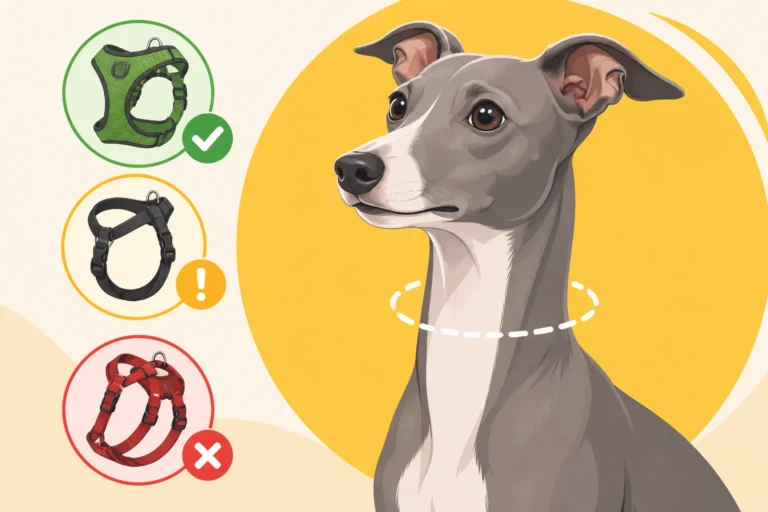
| Properly Fitted Harness | Prevents neck injury, better for leash walking | Distributes pressure evenly across the chest, crucial for their delicate tracheas and small bone structure. Look for a Y-front. |
| Long Line/Leash | Safe exploration in open spaces, recall practice | Allows them to explore safely and practice recall in a controlled manner without risking them bolting. Find options on Amazon. |
| Cozy Crate/Bed | Safe haven, aids in housetraining and separation anxiety | Provides a secure, personal space. Essential for a sensitive rescue to feel safe and can be a den for quiet time. |
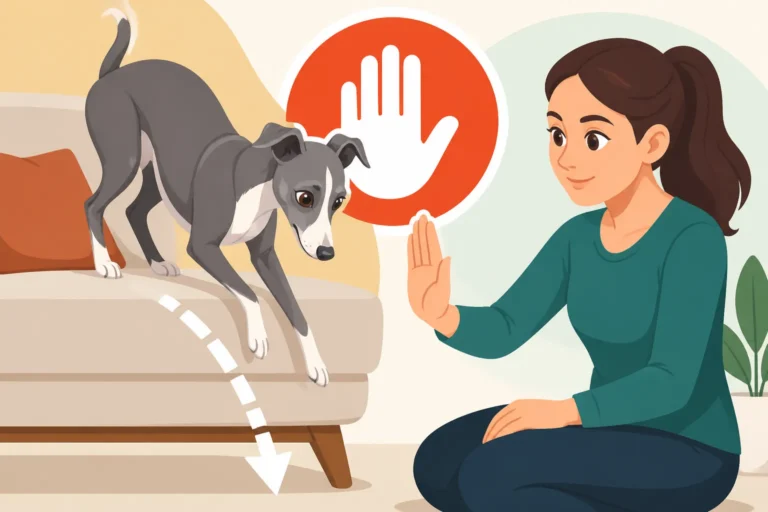
| Ramps/Steps | Prevents jumping injuries, especially off furniture | Ramps and Steps for an Italian Greyhound's Furniture are critical. Iggies are prone to leg fractures from jumping down. |
| Interactive Toys/Chews | Mental stimulation, reduces boredom/anxiety | Keeps them engaged when alone, redirects destructive chewing, and provides mental exercise. |
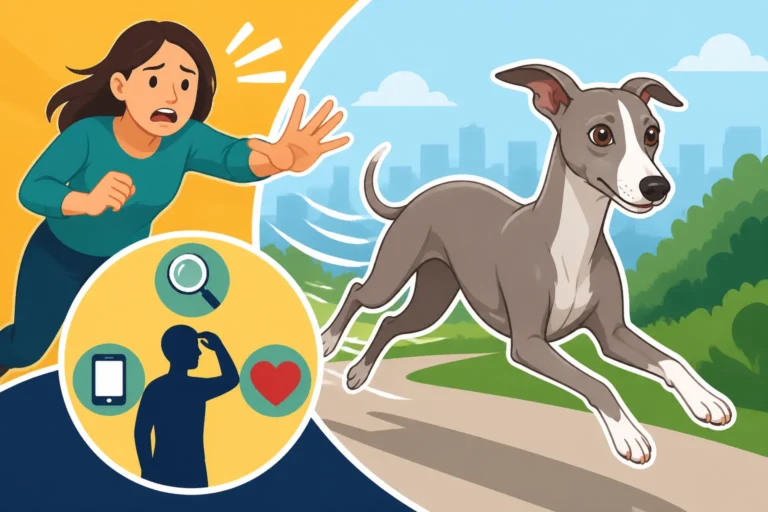
For leash training, particularly with a rescue Italian Greyhound who might be easily spooked or have a strong prey drive, a martingale collar or a well-fitted harness is essential. Their slender necks make them prone to slipping out of traditional flat collars, and a martingale tightens just enough to prevent escape without choking them. Which Harness Suits an Italian Greyhound's Neck is an important consideration. When you're working on recall in a secure, large area, a long line (15-30 feet) can give them the feeling of freedom while keeping them safe. Remember, Why an Italian Greyhound Cannot Be Trusted Off Leash, Ever is a rule many owners live by, so safety gear is paramount. Inside the home, ramps and steps for furniture can prevent catastrophic broken legs, a common injury in this breed.
Knowing When to Seek Professional Guidance
While much can be achieved with patience and consistent effort, there are times when professional help is invaluable. If your rescue Italian Greyhound's issues are severe – such as intense aggression, debilitating separation anxiety, or persistent housetraining failures despite your best efforts – don't hesitate to consult a certified professional dog trainer or a veterinary behaviorist. These experts can assess the root cause of the behavior, rule out underlying medical conditions, and develop a customized training plan that addresses your dog's specific needs. They can also teach you the nuanced timing and techniques that might be difficult to master on your own.
Online resources can also be a fantastic supplement to your training. Programs like BAXTER & Bella offer structured training plans and support that can be particularly helpful for new rescue owners looking for guidance on basic obedience, socialization, and confidence building. These types of platforms can provide a consistent curriculum and a community of support, which can be reassuring when you feel overwhelmed. Remember, seeking professional help isn't a sign of failure; it's a sign of a responsible and loving owner committed to giving their Italian Greyhound the best possible life.
Disclaimer
This article is for general informational purposes only and does not constitute professional advice. Laws, prices and regulations vary by location and change over time. Consult a qualified professional for guidance on your specific situation.