What Speed an Italian Greyhound Reaches
It's truly something to behold when an Italian Greyhound unleashes its inner speed demon. Many first-time owners are completely unprepared for just how lightning-fast these little sighthounds can be, often leading to heart-stopping moments when they bolt after a squirrel or escape an open door. This guide will dive deep into just how fast these little sprinters can run, exploring the fascinating anatomy and instinct behind their incredible velocity and, most importantly, how to manage and celebrate their speed safely and responsibly to prevent common mishaps and keep your cherished companion safe.
The Astonishing Speed of the Italian Greyhound
The Italian Greyhound might be a toy breed in terms of size, but don't let that fool you into thinking they're just delicate lapdogs. They carry the proud heritage of their larger sighthound cousins, like Greyhounds and Whippets, in every fiber of their lean, athletic bodies. When they decide to run, it's a breathtaking display of raw, unadulterated speed, leaving many people stunned that such a small dog can move so quickly.
Built for Bursting Speed, Not Endurance
If you look closely at an Italian Greyhound, you'll see a masterpiece of canine engineering designed for speed. Their deep chests provide ample room for large lungs and a powerful heart, optimizing oxygen intake for those explosive bursts. Their long, slender legs, combined with a flexible, arched back (often called a "roach" or "wheel back"), allow for an incredible extension and contraction of their stride, enabling them to cover ground rapidly. This unique skeletal and muscular structure is perfectly adapted for what they do best: short, incredibly fast sprints. They aren't built for miles of endurance running like a husky or a retriever; their energy is concentrated into quick, intense bursts of acceleration. It’s the kind of speed that can take them from a standstill to full throttle in a blink, making them seem like a blur across a field.
What Speeds Can They Actually Achieve?
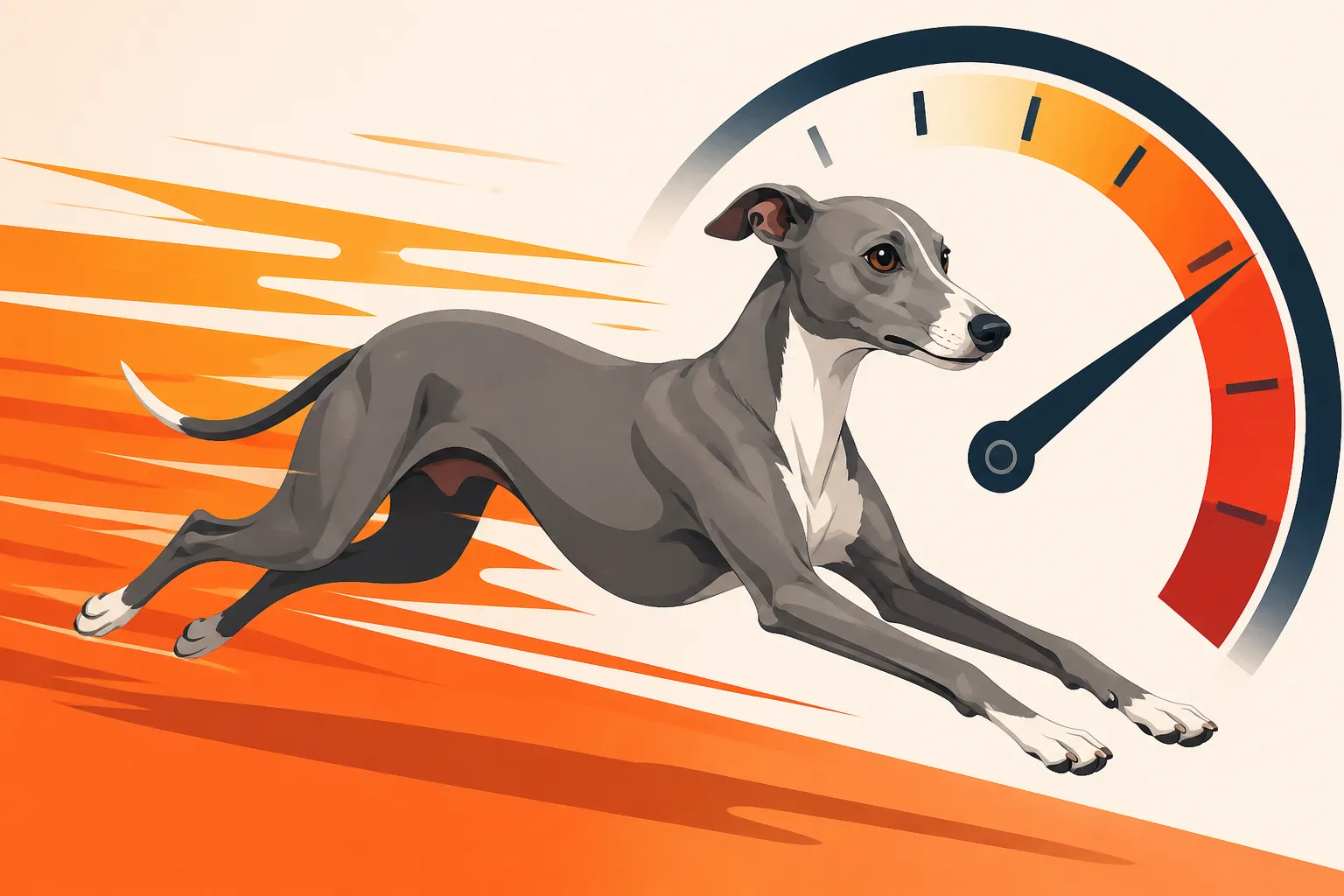
While it's tricky to get an exact, consistent speed measurement for every Italian Greyhound, anecdotal evidence and the breed's sighthound physiology suggest they can easily hit speeds comparable to, if not exceeding, that of an Olympic sprinter over short distances. We're talking about bursts that can reach upwards of 25 miles per hour. Imagine a dog weighing less than 15 pounds suddenly hitting that kind of pace! It's truly astonishing. They might not sustain these top speeds for long, perhaps only a few hundred yards, but within that window, they are incredibly agile and devastatingly quick. This is why even a short distance from an open door to a busy street can be covered in mere seconds if an Italian Greyhound decides to make a break for it. Their initial acceleration is truly what sets them apart.
The "Zoomies" and Instinctual Runs
Every Italian Greyhound owner knows the "zoomies." It’s that hilarious, sometimes chaotic, explosion of energy where your dog suddenly races around the house or yard in wide, frantic circles, often skidding on turns and bumping into furniture. These sudden, intense bursts of running are a perfectly natural outlet for their sighthound instincts and built-in speed. It’s their way of burning off excess energy and expressing their joy. These aren't just random acts; they're deeply rooted in their heritage as dogs bred to spot and chase small, fast-moving prey.
While watching them tear around the living room, sliding across rugs and dodging coffee tables, can be incredibly entertaining, it's also a clear demonstration of their natural athleticism and the sheer delight they take in running fast. For Italian Greyhounds, running isn't just exercise; it's a fundamental part of who they are. Understanding this instinct is key to managing them, because that drive to chase and run will almost always override any training you’ve given them if given the opportunity.
Factors Influencing an Italian Greyhound's Speed
While Italian Greyhounds are inherently fast, it's not a static quality. Several factors can influence just how quick an individual dog might be, from their age and genetic makeup to their current physical condition and even the motivation behind their chase. Recognizing these variables helps owners better understand their dog's capabilities and tailor their care and management accordingly.
Age and Development
Just like human athletes, an Italian Greyhound's speed changes throughout its life. Puppies, despite their boundless energy, aren't typically at their peak speed. Their bones are still developing, and their coordination isn't fully refined. While they might be incredibly quick in short bursts, they're also more prone to injury during rapid movements or awkward landings. It's crucial to understand that The Age an Italian Greyhound's Bones Finish Hardening is usually around 12-18 months, and until then, their delicate growth plates are especially vulnerable. Pushing them too hard or allowing uncontrolled, high-impact play can lead to serious injuries.
As they mature into their prime adult years, typically between one and five years old, their speed and agility will be at their peak. This is when their muscles are strongest, their coordination is excellent, and they have the stamina for those impressive sprints. However, as they age further, particularly once they are considered senior around 8-10 years, you'll likely notice a gradual decrease in their top speed and overall endurance. Their bodies naturally slow down, and their joints might not be as flexible. Understanding What Changes in an Italian Greyhound After Eleven involves recognizing these physical shifts and adjusting their activity levels to keep them comfortable and safe.
Individual Genetics and Physical Condition
Even within the Italian Greyhound breed, there can be a surprising range of natural athleticism and speed. Some lines might be known for greater speed due to their genetic heritage, perhaps from generations bred with a focus on conformation that emphasizes the optimal sighthound structure. Just like people, some Iggies are simply born with a greater natural inclination and physical predisposition for speed.
Beyond genetics, an Italian Greyhound's physical condition plays a massive role. A dog that is properly conditioned, with good muscle tone and an ideal body weight, will naturally be faster and more agile than one that is out of shape. An Italian Greyhound with an ideal body condition should have ribs that are easily palpable but not visibly protruding, and a noticeable "tuck-up" where the abdomen rises sharply towards the groin. If you're seeing Signs an Italian Greyhound Is Underweight or conversely, working on Getting Weight Off an Overweight Italian Greyhound, these factors directly impact their ability to run efficiently and safely. Overweight Iggies are not only slower but also at a much higher risk of joint issues and fractures when engaging in high-speed activities. Their delicate bones are not designed to carry excess weight at high velocity.
Motivation and Environment
An Italian Greyhound's speed is often directly proportional to its motivation. A casual trot in the park is one thing, but if a rabbit, squirrel, or even a blowing plastic bag catches their eye, their inherent prey drive kicks in, and they will transform into a rocket. The instinct to chase is incredibly powerful in sighthounds, and it will often override any training or commands, especially when the "prey" is in full flight. Understanding What an Italian Greyhound Does When It Sees a Rabbit is crucial for responsible ownership – they switch into hunting mode instantly, and their speed allows them to cover ground with frightening efficiency.
The environment also dictates their ability to achieve top speeds. A wide-open, securely fenced field allows them to stretch out and run unimpeded, reaching their maximum velocity. However, running indoors on slick floors, or in a cluttered yard, introduces obstacles and surfaces that can hinder their stride and increase the risk of injury. While they get their "zoomies" indoors, a safe, controlled outdoor space is where their true speed potential can be seen. Without a clear line of sight or the freedom to really open up, their speed will be limited by the constraints of the space.
The Dangers and Management of Italian Greyhound Speed
While the Italian Greyhound's speed is magnificent to behold, it also comes with significant responsibilities for owners. Their delicate physique, combined with their incredible velocity and powerful prey drive, creates a unique set of challenges and potential dangers that must be managed proactively to ensure their safety.
The Risk of Injuries from High Speed
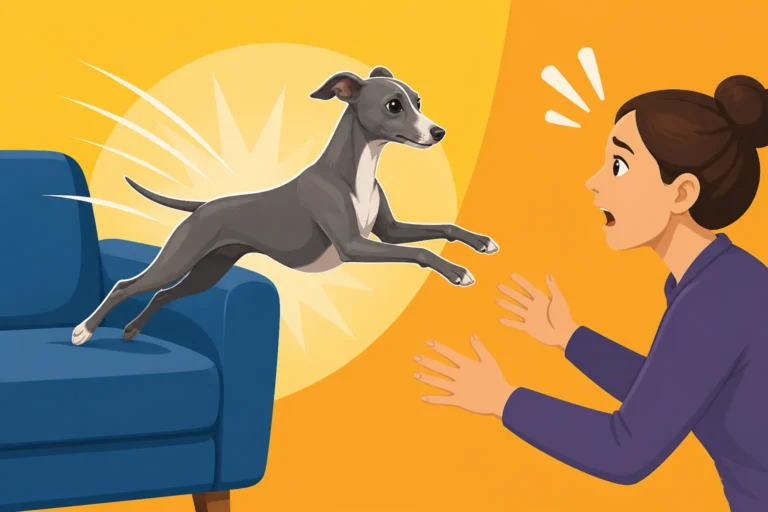
This is perhaps the most serious consideration for any Italian Greyhound owner. Their fragile, fine-boned structure is perfectly adapted for speed, but it also means they are incredibly prone to fractures. When a dog moving at 20-25 mph suddenly stops, changes direction, or collides with something, the forces exerted on their slender bones are immense. It's a sad reality that Why an Italian Greyhound's Leg Bones Break So Easily is a topic most owners become intimately familiar with. Common scenarios include jumping off furniture and landing awkwardly—a seemingly innocent act like The Jump Off the Sofa That Breaks an Italian Greyhound's Leg can lead to a devastating break.
Beyond falls from height, even high-speed play with other dogs can be risky. A collision with a larger, heavier breed, or an awkward twist during a fast turn, can result in severe injuries. Their thin skin is also prone to cuts and tears during these activities. As owners, we must always be vigilant, understanding that their speed, while impressive, requires us to create as safe an environment as possible, minimizing opportunities for high-impact incidents. This means thoughtful supervision and sometimes, intervention, to prevent them from putting themselves in harm's way.
Off-Leash Safety Concerns
Given their incredible speed and powerful prey drive, the golden rule for Italian Greyhounds is simple: Why an Italian Greyhound Cannot Be Trusted Off Leash, Ever. This isn't just a suggestion; it's a vital safety directive. Even the most well-trained Italian Greyhound, with a seemingly perfect recall, can succumb to instinct when a squirrel darts across a street or a deer appears in the distance. They can cover an incredible amount of ground in seconds, making it nearly impossible for a human to catch up.
The dangers of an off-leash Italian Greyhound are numerous. They can run into traffic, get lost, or encounter aggressive dogs or other hazards. The heartache of losing an Italian Greyhound that has bolted after prey is a common and devastating experience for many owners. Even in seemingly safe, open spaces, caution is paramount. If your Italian Greyhound does manage to slip its leash or collar, knowing What to Do When an Italian Greyhound Gets Loose is critical for a quick and safe recovery. The key is to avoid chasing, which often exacerbates the situation, and instead, try to entice them back or corner them safely.
Managing Speed in the Home and Yard
Creating a safe environment that accounts for your Italian Greyhound's speed and fragility is an ongoing task. Indoors, covering slippery floors with rugs can significantly reduce the risk of slips and falls, especially during "zoomies." Providing Ramps and Steps for an Italian Greyhound's Furniture is also highly recommended to prevent jumps off sofas or beds, which are common causes of fractures. Think about their living space from their perspective: where are the potential hazards if they suddenly decide to sprint or jump?
Outdoors, a securely fenced yard is non-negotiable. Not just any fence will do, however. An Italian Greyhound can be surprisingly agile and determined if motivated. Which Fence Height Contains an Italian Greyhound is often debated, but most experts recommend a minimum of 5-6 feet, with a secure bottom edge to prevent digging or squeezing underneath. Even with a fence, constant supervision during outdoor playtime is essential, as some Iggies can be escape artists, finding weak points or climbing structures to get over. Regular checks of your fence line are also a good practice to ensure there are no new gaps or weaknesses they could exploit.
Harnessing Their Speed for Fun and Exercise
While their incredible speed presents unique challenges, it also opens up wonderful opportunities for engaging activities that allow your Italian Greyhound to express their natural athleticism safely and joyfully. Providing appropriate outlets for their energy is key to having a happy, well-adjusted dog.
Safe Exercise Outlets
One of the absolute best ways to let an Italian Greyhound run to its heart's content in a controlled environment is through lure coursing. This activity taps directly into their prey drive, allowing them to chase a mechanical lure around a predetermined course. It’s exhilarating for them, safe, and incredibly satisfying to watch. Many Italian Greyhounds absolutely thrive in this sport, demonstrating their incredible agility and speed without the risk of running into traffic or getting lost. If you're interested in competitive fun, Lure Coursing and Racing With an Italian Greyhound is a fantastic option to explore, offering a structured environment for them to really stretch their legs.
For more casual exercise, large, securely fenced dog parks can be an option, but extreme caution is advised. Only visit during off-peak hours to avoid large, boisterous breeds that could accidentally injure your delicate Italian Greyhound during play. Always supervise closely and be ready to intervene if play gets too rough. A long line (a very long lead) can also allow them more freedom to move in an open space while still keeping them safely tethered to you, though this requires careful handling to prevent tangles and sudden jerks.
Appropriate Gear for High-Speed Activities
Given their slender necks and tendency to slip out of traditional collars, a well-fitting harness is absolutely essential for an Italian Greyhound, especially when engaging in any activity where they might pull or try to dart away. A martingale collar can also be a good option for walking, as it tightens slightly to prevent escape without choking, but for active running, a harness distributes pressure more safely across their chest. Understanding Which Harness Suits an Italian Greyhound's Neck involves looking for designs specifically made for sighthounds, which often have a wider chest strap and a more secure fit to prevent backing out. Harnesses from brands like Ruffwear or similar athletic dog gear companies are often well-regarded for their secure fit.
For those prone to bolting or for extra peace of mind during walks or controlled outdoor play, a GPS tracker can be an invaluable tool. These small, lightweight devices attach to their collar or harness and allow you to track your dog's location in real-time via a smartphone app. If your Italian Greyhound does manage to get loose, having a tracker can drastically increase the chances of a swift and safe reunion. Many models are available, and a quick search on Amazon will show you a wide range of options suitable for a smaller dog, offering features like geofencing and activity monitoring. It's a small investment for a lot of security.
Training for Control and Recall
While we've emphasized that an Italian Greyhound cannot be fully trusted off-leash, consistent training, especially positive reinforcement-based recall training, is still incredibly important. It builds a strong bond between you and your dog, improves their responsiveness in less distracting environments, and can be a lifesaver in an unexpected situation. Teaching a reliable recall command in a low-distraction environment, slowly increasing the difficulty, is a lifelong commitment. Understanding How Reliably an Italian Greyhound Comes When Called often comes down to their motivation; a high-value treat or toy will always be more effective than a scolding.
Consider enrolling in positive reinforcement obedience classes or utilizing online resources. Programs like those offered by BAXTER & Bella provide comprehensive, step-by-step guidance on training from puppyhood through adulthood, focusing on building a positive relationship and reinforcing desired behaviors. While no amount of training will completely override a sighthound's prey drive in the face of a running rabbit, a strong foundation of positive training can still make a significant difference in managing their behavior and increasing their overall safety. It teaches them to look to you, even when there are tempting distractions, which can be critical.
Italian Greyhound Speed Comparison
To put their speed into perspective, here's a quick comparison of Italian Greyhounds against a few other dog types and even human capabilities over short distances. This isn't scientifically exact, as many variables are at play, but it gives you a general idea of just how quick these little marvels are.
| Category | Estimated Top Speed (MPH) | Notes |
|---|---|---|
| Italian Greyhound | 25+ | Over short bursts, highly agile, exceptional acceleration. |
| Human Olympic Sprinter | ~23-27 | Peak human speed over 100 meters, highly trained. |
| Labrador Retriever | ~15-20 | Good all-around speed, but built for endurance and retrieving. |
| Bulldog | ~10-15 | Slower, stocky build, not designed for fast sprints. |
| Greyhound (racer) | ~40-45 | World's fastest dog, built for extreme speed over medium distances. |
| Whippet | ~35-40 | Very fast, often called "poor man's racehorse," a true sprinter. |
As you can see, an Italian Greyhound's top speed can rival that of a human sprinter and is certainly impressive for their size. While they may not be as fast as their larger Greyhound or Whippet cousins, they are still among the fastest small dogs on the planet. This table highlights why their speed is such a double-edged sword: amazing to witness, but demanding of careful management due to their delicate bone structure.
Conclusion
The Italian Greyhound's incredible speed is a defining characteristic of the breed, a direct link to their sighthound ancestry, and a constant source of wonder and occasional anxiety for their owners. While it's a joy to watch them dart and weave with such effortless grace, it’s also a stark reminder of their fragility and the profound responsibilities that come with owning such a uniquely built and driven companion. By understanding their physiology, recognizing the risks, and implementing thoughtful management strategies—from secure fencing and appropriate gear to consistent, positive training—we can provide our beloved Iggies with safe, fulfilling lives that allow them to celebrate their magnificent speed without succumbing to its inherent dangers. It truly is a journey of appreciating their gifts while meticulously guarding their delicate bodies.
Disclaimer
This article is for general informational purposes only and does not constitute professional advice. Laws, prices and regulations vary by location and change over time. Consult a qualified professional for guidance on your specific situation.