How an Italian Greyhound Adjusts to a New Home
Bringing a new Italian Greyhound into your home, whether it’s a tiny, bouncy puppy or an older rescue dog, is such an exciting time. But let's be real, it's also a period filled with a little anxiety, for both you and your new furry family member. You're probably wondering how long it will take for them to truly settle in, where they'll potty, if they'll get along with everyone, and how you can make this transition as smooth as possible. This guide is here to walk you through the adjustment period, from those crucial first few days to the weeks and months beyond, helping you create a loving, secure environment where your Italian Greyhound can blossom.
The First Few Days: Creating a Safe Haven
Those initial days when your Italian Greyhound first arrives are absolutely pivotal. It’s a huge change for them, even if they’ve come from a wonderful breeder or a caring foster home. Think about it from their perspective: everything is new – the sights, the smells, the sounds, and especially the people. Your primary goal during this period is to establish a sense of safety, predictability, and calm. Overwhelming them with too much excitement or too many new experiences too soon can actually set back the bonding process and make them feel more insecure.
Preparing Their Space Before Arrival
Before your Italian Greyhound even steps paw inside your home, a little preparation goes a very long way in making their arrival less stressful. You want to create a safe, welcoming "den" that is exclusively theirs, a place where they can retreat and feel secure. This usually means a comfortable crate or a small, enclosed area like a playpen. Line it with soft, warm blankets – remember, Italian Greyhounds have very little body fat and cherish warmth, so think plush and cozy. You might even consider a heated bed, especially if you live in a cooler climate, to help them feel extra snug.
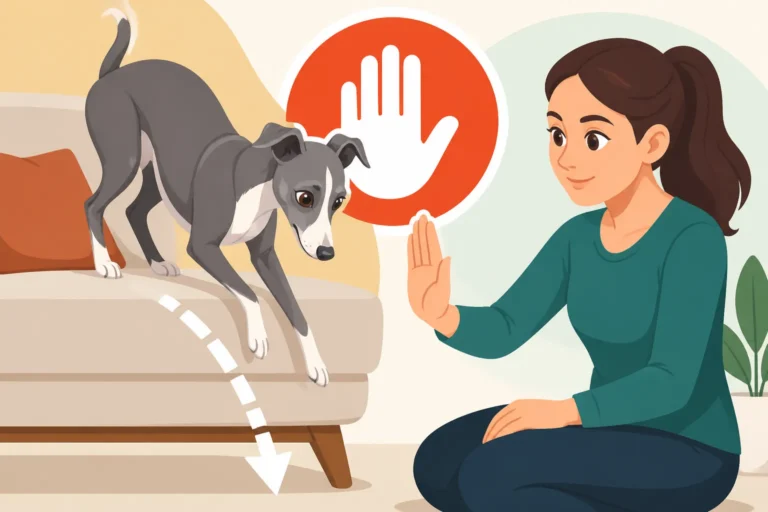
Beyond their immediate sleeping area, take a good look at your entire home environment. Italian Greyhounds are famously delicate, especially as puppies, and their long, slender legs are prone to breaks. This isn't to scare you, but to make you realistic about prevention. Consider Setting Up a House an Italian Greyhound Cannot Break a Leg In. This involves things like blocking off staircases with sturdy gates, making sure electrical cords are out of reach, and moving any low-lying, breakable objects. Ramps and steps leading to sofas and beds are also a brilliant idea, as preventing jumping is crucial for their long-term limb health. You can find excellent, sturdy ramps on sites like Amazon that are designed for smaller dogs and blend well with home decor.
The Initial Welcome: Less Is More
When your Italian Greyhound finally arrives, resist the urge to throw a welcome party! While your family might be bursting with excitement, a calm, quiet introduction is always best. Keep greetings low-key. Let them explore their designated safe space on their own terms. If you have children, this is the time to teach them gentle interaction – no grabbing, no sudden movements, and certainly no carrying the dog until they are much older and you've established specific rules for handling. Explain that the new dog needs quiet time to adjust.
Immediately upon arrival, take your Italian Greyhound to their designated outdoor potty spot. This is a critical first step in Housetraining an Italian Greyhound Is the Hardest Part of Owning One. Even if they don't go, it starts to build the association. Praise them calmly and reward them with a tiny, high-value treat if they do relieve themselves. Then, bring them back inside to their quiet den. For the first few hours, allow them to settle without too much fuss. Offer water and a small amount of food if they seem interested, but don't force it. The goal is to show them this new place is safe and predictable.
Establishing a Temporary Routine
Even though everything feels new, creating a temporary, consistent routine from day one will be a huge comfort to your Italian Greyhound. Dogs thrive on predictability, and it helps them understand what to expect. This doesn't mean a rigid schedule initially, but rather a pattern of events. For instance, establish consistent times for potty breaks, meals, and short periods of quiet play or cuddling.
Potty breaks should be frequent, especially for puppies, and always taken to the same spot. If you're using an indoor potty system, whether it's pads or a litter box, introduce them to it right away. After waking up, after eating, and before bed are non-negotiable times. Keep these initial interactions positive and low-pressure. They might be too nervous to eat much at first, or they might gobble everything down due to stress. Offer food at set times and remove it after about 15-20 minutes, even if they haven't eaten it all. This teaches them that food is available at certain times, which helps with future pickiness. Bedtime should also be consistent – guide them to their den, perhaps with a soft toy or blanket that smells like you, and let them settle for the night. This foundational routine is a gentle way to introduce them to the rhythm of their new home.
Weeks One Through Four: Building Trust and Routine
Once those first few whirlwind days have passed, and your Italian Greyhound has started to tentatively explore their new surroundings, the next few weeks are all about deepening their sense of security and solidifying the routines that will define their life with you. This is the period where their true personality will begin to emerge, and you'll really start to understand their unique quirks and needs. Patience is your most important tool during this time, as they learn to trust you and navigate their new world.
Gentle Introduction to the Household Routine
With the initial shock wearing off, it's time to gently expand upon the temporary routine you established. This means integrating them more fully into the daily rhythm of your household, while still prioritizing their comfort and well-being. Consistent feeding times, consistent outdoor access, and consistent expectations for behavior are paramount for an Italian Greyhound. They are intelligent dogs, but they are also sensitive, and inconsistency can lead to confusion and anxiety. For example, if you feed them at 7 AM and 5 PM every day, their internal clock will adjust, reducing stress around meal times.
During this stage, you'll likely notice the "Velcro" nature of the Italian Greyhound really starting to show. They are notorious for wanting to be right by your side, following you from room to room. Embrace this! The Velcro Dog: What Constant Company Means With an Italian Greyhound is a feature, not a bug, of the breed. This constant proximity helps build their trust and reinforces their feeling of security. Ensure that even when they are with you, they still have access to their quiet, safe spot if they feel overwhelmed or need a nap. As they become more comfortable, you can start to gradually introduce short periods of time when you are out of sight, always returning before they become distressed.
Socialization and Confidence Building
Introducing your Italian Greyhound to new people, places, and experiences is vital, but it must be done with extreme care and positive reinforcement. Italian Greyhounds can be naturally reserved or shy, and a bad experience can have lasting effects. Start with family members, ensuring they approach calmly, offer a hand to sniff, and provide gentle praise or a small treat if the dog responds positively. Avoid loud noises, sudden movements, or forcing interaction.
If you have other pets, introductions should also be supervised and gradual. For example, allow them to sniff each other through a gate or on leash before direct contact. Always praise calm, positive interactions. For wider socialization, think about controlled environments. Short, quiet walks around your neighborhood are excellent, allowing them to take in new sights and sounds at their own pace. Remember, Why an Italian Greyhound Cannot Be Trusted Off Leash, Ever is a cardinal rule due to their strong prey drive and incredible speed, so a secure harness and leash are non-negotiable. If you're looking for structured guidance on training and socialization, online platforms like BAXTER & Bella offer excellent puppy and dog training programs that focus on positive reinforcement and building confidence, which can be invaluable during this sensitive period. Their step-by-step approach can really help you navigate common puppy challenges from the comfort of your own home.
Addressing Common Transitional Behaviors
It's common for Italian Greyhounds to exhibit some challenging behaviors during the adjustment period. Don't get discouraged! These are usually signs of stress, confusion, or simply learning new boundaries. Potty accidents are a big one, even if they were doing well initially. Why an Italian Greyhound Is Slow to Housetrain is a common frustration for owners. Regression can happen due to stress or changes in routine. Never scold or punish them for accidents; instead, clean thoroughly with an enzymatic cleaner and redouble your efforts with frequent outdoor trips and positive reinforcement.
Nighttime anxiety, manifested as crying or pacing, can also occur. This is often because they've never been truly alone before. Providing a cozy crate next to your bed for the first few nights, offering a puzzle toy filled with a treat, or using a white noise machine can provide comfort. Another common issue is picky eating. Some IGs might refuse food, especially if they're stressed or have sensitive stomachs. Getting a Picky Italian Greyhound to Eat can feel like a battle. Try different high-quality kibbles, add a little warm water or broth, or mix in a small amount of cooked, plain chicken. Always consult your vet if your Italian Greyhound completely refuses to eat or shows other signs of illness.
| Adjustment Stage | Typical Duration | Key Focus | Common Challenges | Recommended Action |
|---|---|---|---|---|
| Initial Days | 1-3 Days | Safety & Calm | Shyness, no eating, potty accidents | Quiet space, gentle intro, consistent potty, observe |
| First Week | 4-7 Days | Routine & Exploration | Increased confidence, some testing limits | Establish meal/potty times, gentle play, short walks |
| Weeks 2-4 | 1-3 Weeks | Trust & Socialization | Potty regression, separation anxiety, picky eating | Positive reinforcement, controlled intros, structured training |
| Beyond Month 1 | 1-3+ Months | Integration & Bonding | Settling into personality, fine-tuning behavior | Refine rules, deepen bond, continued training/enrichment |
Beyond the First Month: Settling Into Their True Self
After navigating the initial whirlwind of the first month, your Italian Greyhound will likely be much more settled into your home. This period, stretching into several months, is where the real bond solidifies, and you start to see their unique personality shine through, free from the initial anxieties of relocation. It’s also where you move from basic settling to truly understanding and meeting their long-term needs.
Refining the Routine and Expectations
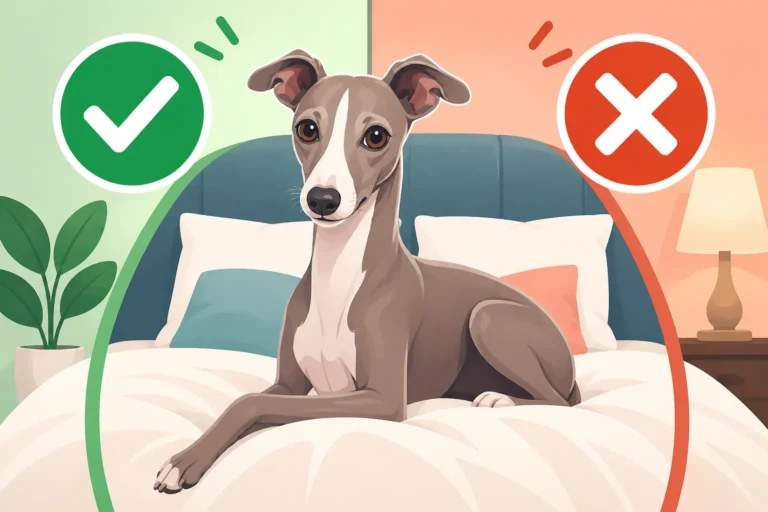
By now, you should have a solid routine in place, but this is the time to refine it and ensure everyone in the household is consistently following the rules. Whether it's "no jumping on the counter" or "always use the ramp for the sofa," consistency is still the bedrock of good behavior for an Italian Greyhound. They are intelligent and learn quickly, but they also test boundaries, just like any dog. Continued positive reinforcement for desired behaviors will reinforce their understanding and strengthen your bond. For example, if they've learned to wait patiently by the door before going out, always reward that behavior.
This is also the time to fine-tune any challenges that may have persisted. If you're still seeing Signs an Italian Greyhound Has Separation Anxiety, you might need to adjust their alone-time training. Start with very short absences, gradually increasing the duration, and always ensuring they have safe, engaging toys or treats to occupy them. Leaving them with a piece of your clothing can also be comforting. Remember, Italian Greyhounds are incredibly attached to their people, and easing them into independence takes time and patience.
Deepening the Bond and Understanding Their Quirks
As your Italian Greyhound becomes more comfortable, you'll begin to truly understand their individual personality. You'll learn their favorite napping spots, the particular way they "talk" to you, and what makes their tail wag the fastest. This deepening bond is one of the most rewarding aspects of Italian Greyhound ownership. Spend quality time together, whether it's snuggling under a blanket on the sofa, playing gentle games of fetch indoors, or exploring a new, safe park (on leash, of course!). These shared experiences build trust and affection.
You'll also come to understand their unique breed-specific needs. Their need for warmth is not just a preference; it’s essential for their comfort and health. Their thin skin means they can be prone to scrapes and tears, so keeping their environment safe is ongoing work. You’ll learn Why an Italian Greyhound Does Not Bloat (a blessing!) but also that they often have Whether an Italian Greyhound Has a Sensitive Stomach, which can mean careful food selection. Embracing these quirks is part of the joy of owning an Italian Greyhound.
Long-Term Support and Environment
The adjustment period may technically "end," but the ongoing commitment to providing a supportive and safe environment for your Italian Greyhound never does. Continually assess your home for potential hazards, especially as they get older or if their activity levels change. Maintaining Ramps and Steps for an Italian Greyhound's Furniture can prevent future injuries. Regular veterinary check-ups are also crucial for their long-term health. How Often an Italian Greyhound Needs a Wellness Exam should be discussed with your vet, but typically, annual visits are recommended to catch any health issues early.
Keep their mind active with gentle training, puzzle toys, and new experiences. A well-adjusted Italian Greyhound is a happy Italian Greyhound, and a happy Italian Greyhound is a fantastic companion. Remember, every dog is an individual, and while this guide provides a general timeline, some may adjust faster, others slower. The key is unwavering love, patience, and a commitment to understanding and meeting their unique needs.
Disclaimer
This article is for general informational purposes only and does not constitute professional advice. Laws, prices and regulations vary by location and change over time. Consult a qualified professional for guidance on your specific situation.